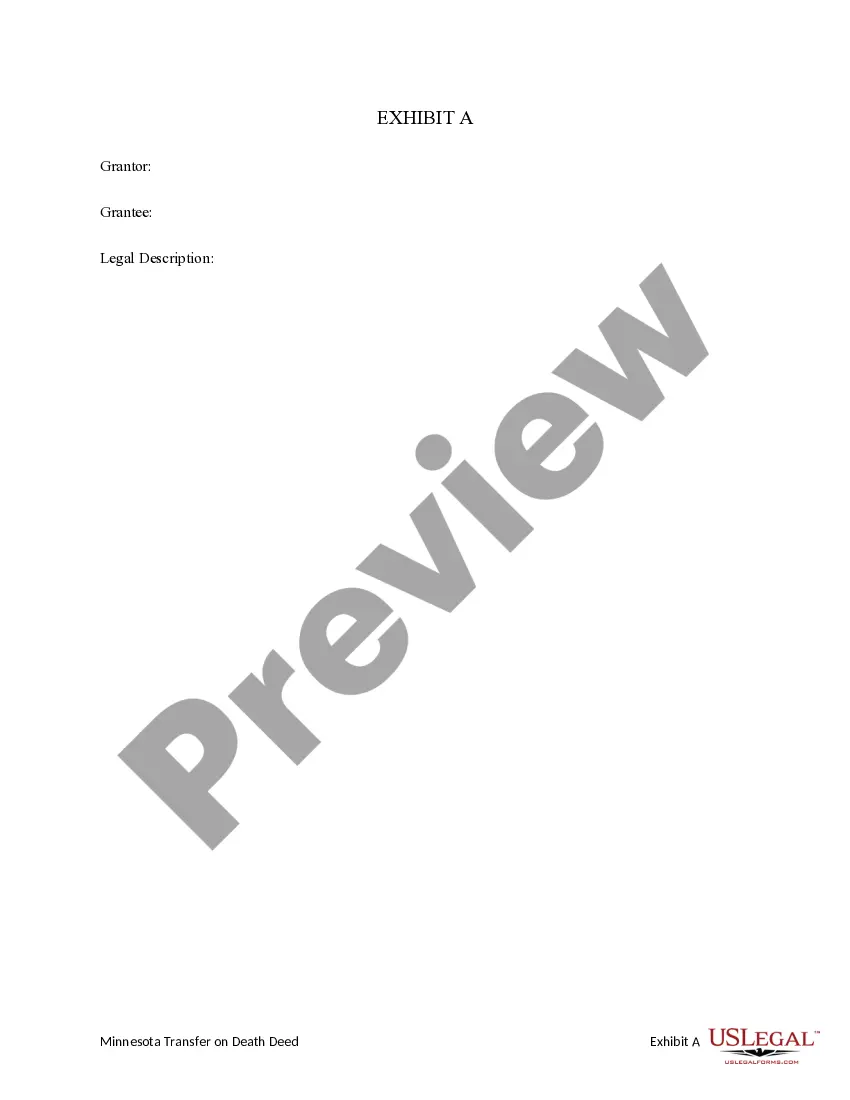
Minnesota Transfer Deed Form For California
Description
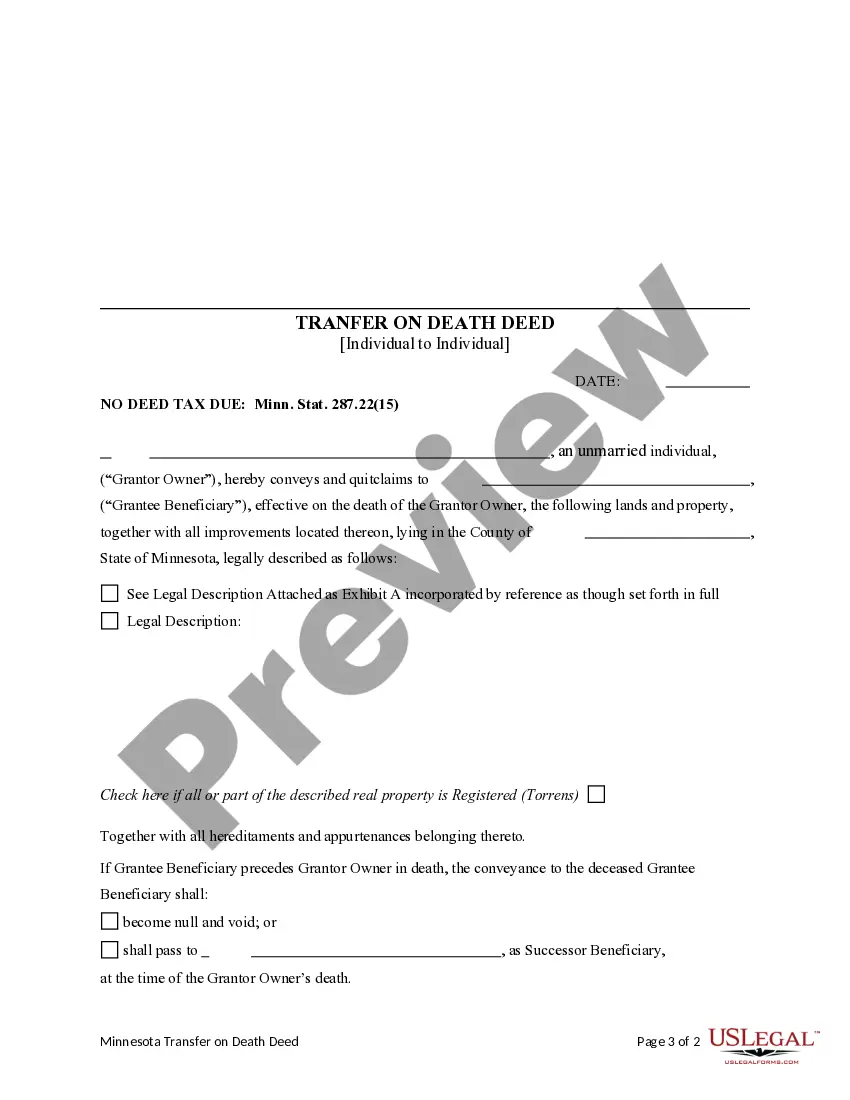
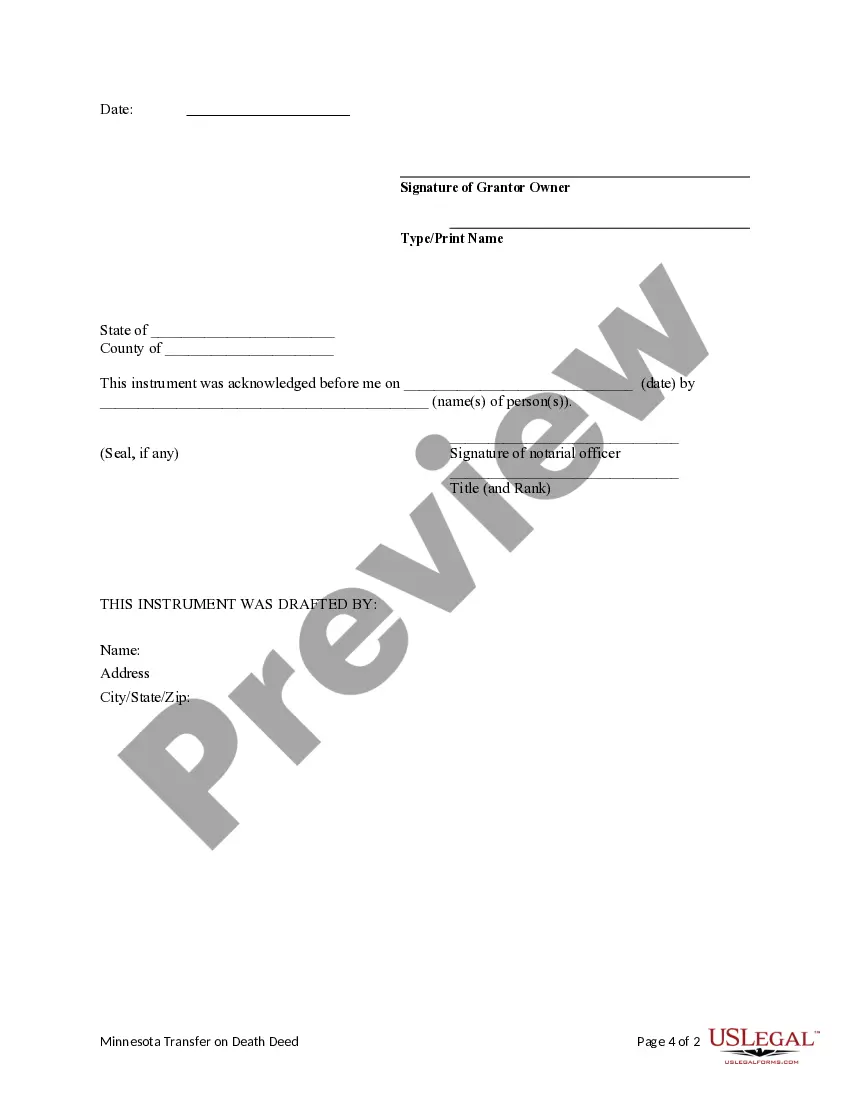

Get your form ready online
Our built-in tools help you complete, sign, share, and store your documents in one place.
Make edits, fill in missing information, and update formatting in US Legal Forms—just like you would in MS Word.
Download a copy, print it, send it by email, or mail it via USPS—whatever works best for your next step.
Sign and collect signatures with our SignNow integration. Send to multiple recipients, set reminders, and more. Go Premium to unlock E-Sign.
If this form requires notarization, complete it online through a secure video call—no need to meet a notary in person or wait for an appointment.
We protect your documents and personal data by following strict security and privacy standards.

Make edits, fill in missing information, and update formatting in US Legal Forms—just like you would in MS Word.

Download a copy, print it, send it by email, or mail it via USPS—whatever works best for your next step.

Sign and collect signatures with our SignNow integration. Send to multiple recipients, set reminders, and more. Go Premium to unlock E-Sign.

If this form requires notarization, complete it online through a secure video call—no need to meet a notary in person or wait for an appointment.

We protect your documents and personal data by following strict security and privacy standards.
Looking for another form?

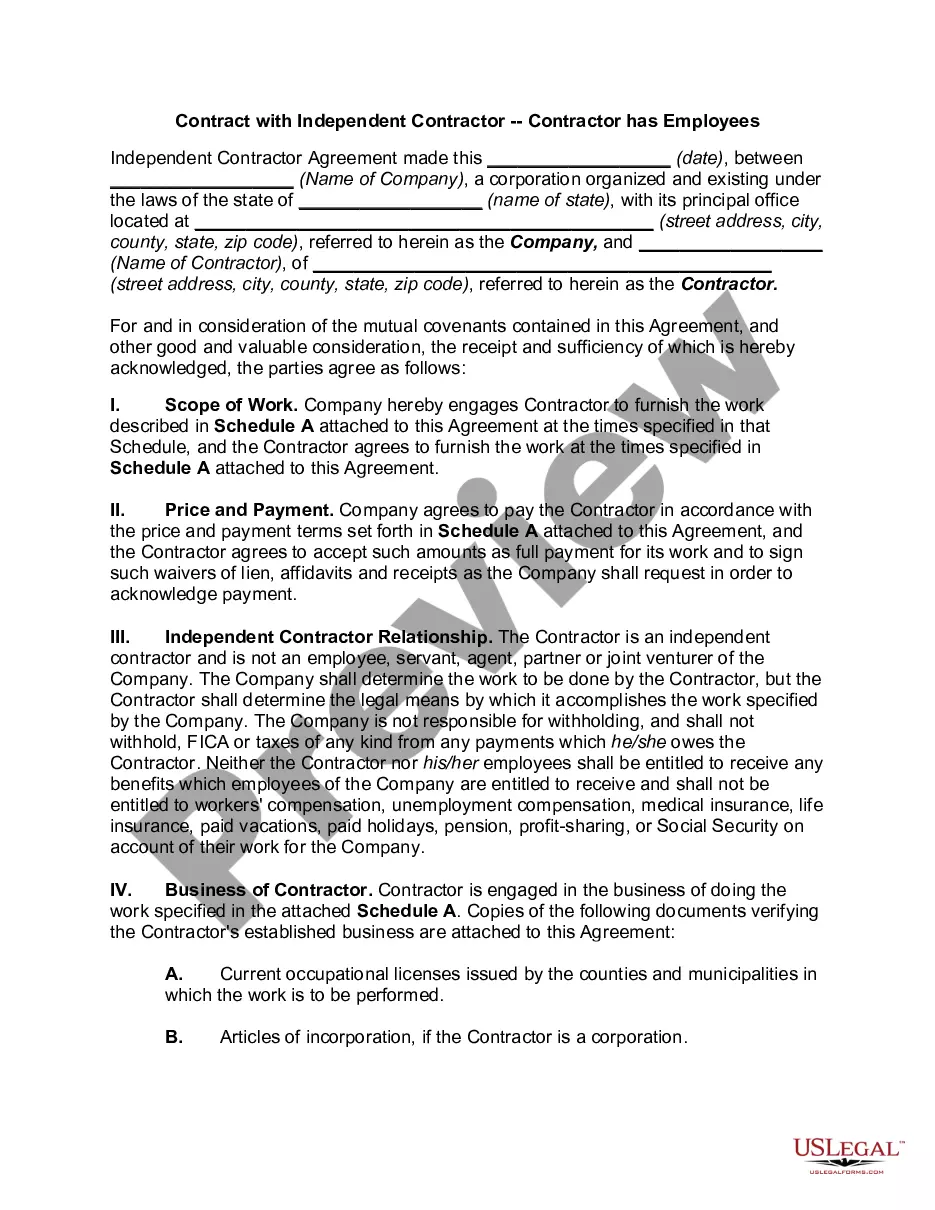






How to fill out Minnesota Transfer On Death Deed - Individual To Individual?
It’s clear that you cannot become a legal expert instantly, nor can you learn how to swiftly prepare the Minnesota Transfer Deed Form For California without having a specialized education.
Assembling legal documents is a lengthy process that demands specific training and expertise. So why not entrust the preparation of the Minnesota Transfer Deed Form For California to the experts.
With US Legal Forms, one of the largest legal document repositories, you can discover everything from court filings to templates for internal corporate correspondence.
You can regain access to your forms from the My documents tab at any time. If you’re a current customer, you can simply Log In to find and download the template from the same tab.
Regardless of the purpose of your forms—whether financial, legal, or personal—our website has you covered. Try US Legal Forms today!
- Locate the form you require using the search bar at the top of the page.
- Preview it (if this option is available) and review the accompanying description to determine if the Minnesota Transfer Deed Form For California is what you’re looking for.
- Start your search again if you need a different template.
- Create a free account and select a subscription plan to purchase the form.
- Click Buy now. Once the payment is processed, you can download the Minnesota Transfer Deed Form For California, complete it, print it, and send or mail it to the appropriate individuals or organizations.
Form popularity
FAQ
In 2016, the laws in California were updated to allow people with a home, condo, farm of 40 acres or less, or a multi-unit building with no more than four units to be designated on a property deed known as a Transfer-on-Death deed which the beneficiary of the property would be at the owner's death.
To get title to the property after your death, the beneficiary must record the following documents in the county where the property is located: (1) an affidavit of identity and survivorship, (2) a certified death certificate, and (3) a clearance certificate (showing that the county will not seek reimbursement for ...
Step 1: Locate the Current Deed for the Property. ... Step 2: Read the ?Common Questions? Listed on Page 2 of the TOD Deed. ... Step 3: Fill Out the TOD Deed (Do Not Sign) ... Step 4: Sign in Front of a Notary; Have Two Witnesses Sign. ... Step 5: Record the Deed at the Recorder's Office within 60 Days of Signing It.
In 2016, the laws in California were updated to allow people with a home, condo, farm of 40 acres or less, or a multi-unit building with no more than four units to be designated on a property deed known as a Transfer-on-Death deed which the beneficiary of the property would be at the owner's death.
Transfers of real property must be in writing and notarized. Deeds should be recorded in the county where the property is located.