Real Estate Law
Description

Get your form ready online
Our built-in tools help you complete, sign, share, and store your documents in one place.
Make edits, fill in missing information, and update formatting in US Legal Forms—just like you would in MS Word.
Download a copy, print it, send it by email, or mail it via USPS—whatever works best for your next step.
Sign and collect signatures with our SignNow integration. Send to multiple recipients, set reminders, and more. Go Premium to unlock E-Sign.
If this form requires notarization, complete it online through a secure video call—no need to meet a notary in person or wait for an appointment.
We protect your documents and personal data by following strict security and privacy standards.

Make edits, fill in missing information, and update formatting in US Legal Forms—just like you would in MS Word.

Download a copy, print it, send it by email, or mail it via USPS—whatever works best for your next step.

Sign and collect signatures with our SignNow integration. Send to multiple recipients, set reminders, and more. Go Premium to unlock E-Sign.

If this form requires notarization, complete it online through a secure video call—no need to meet a notary in person or wait for an appointment.

We protect your documents and personal data by following strict security and privacy standards.
Looking for another form?
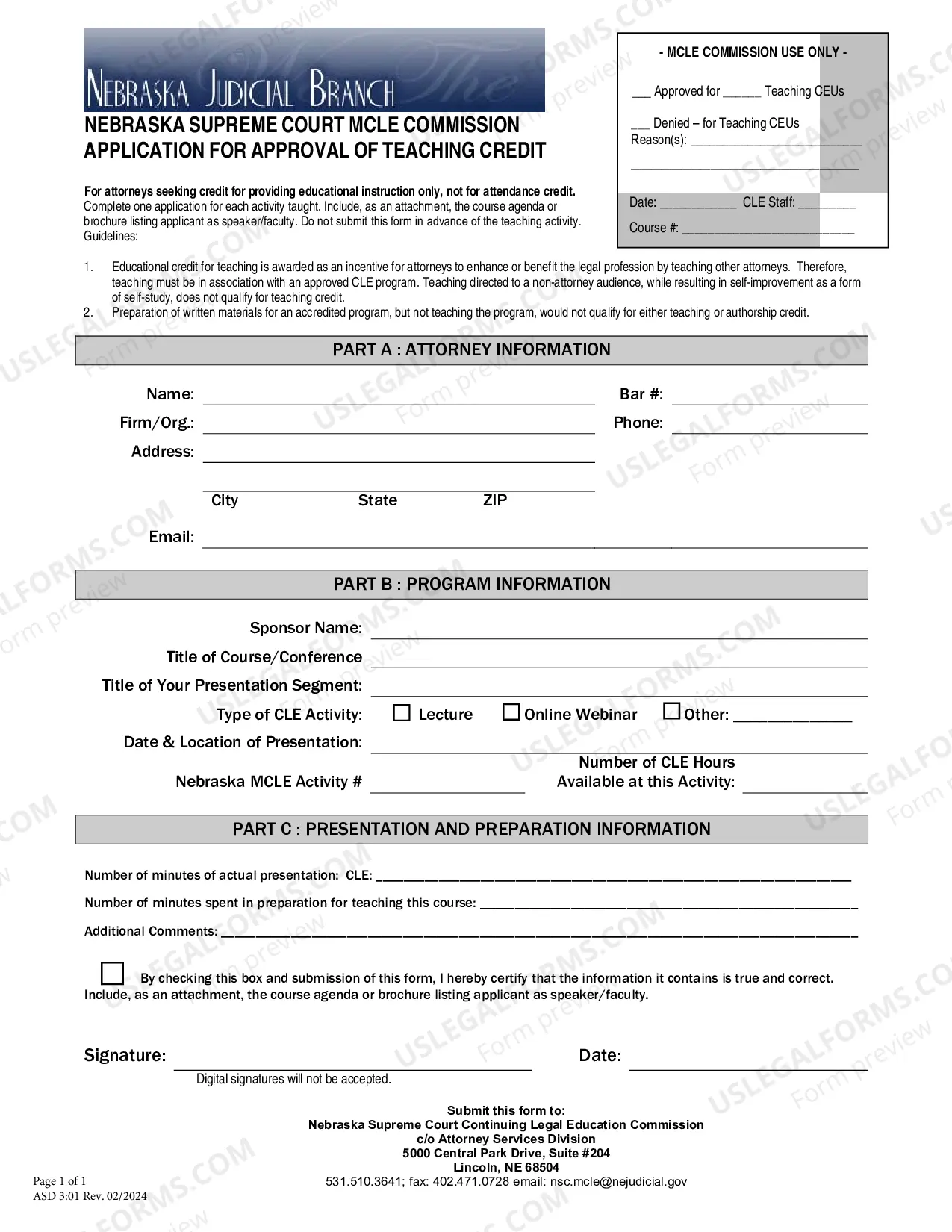

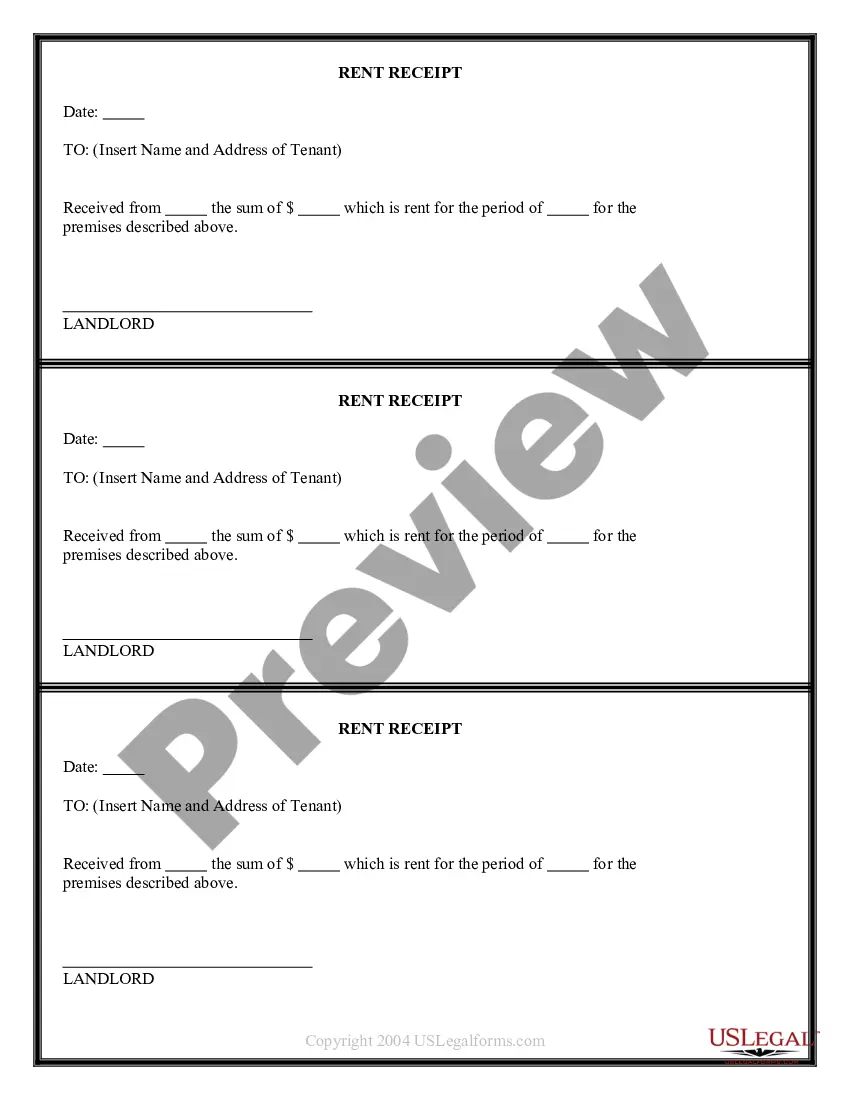
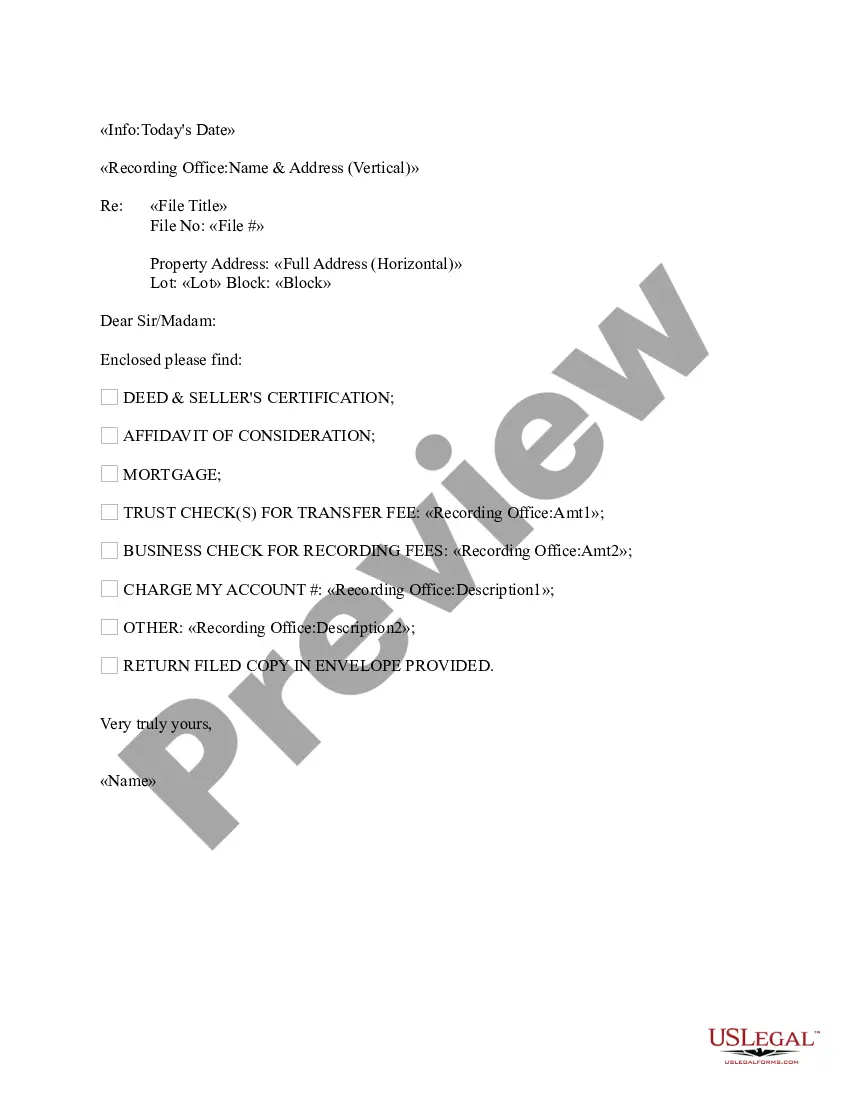



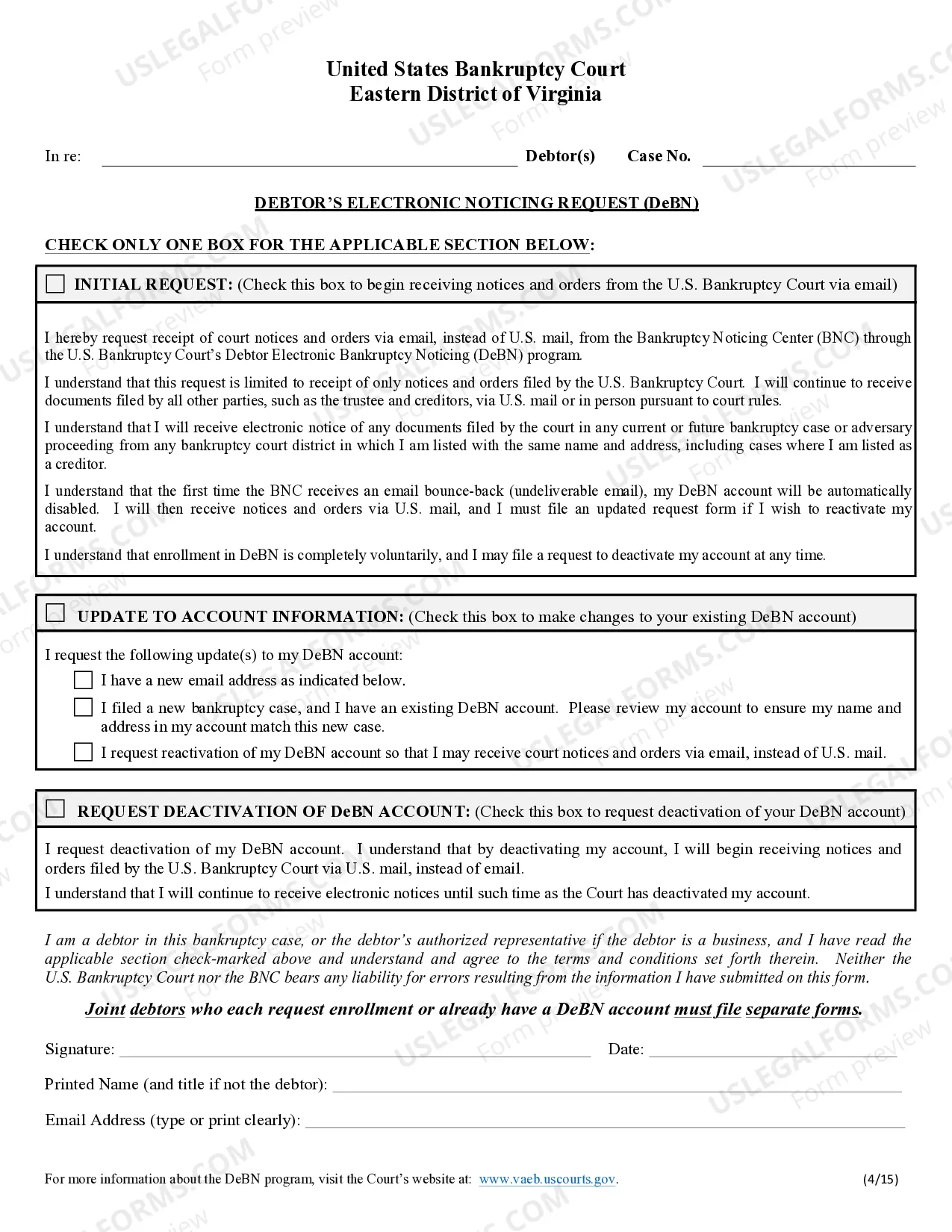
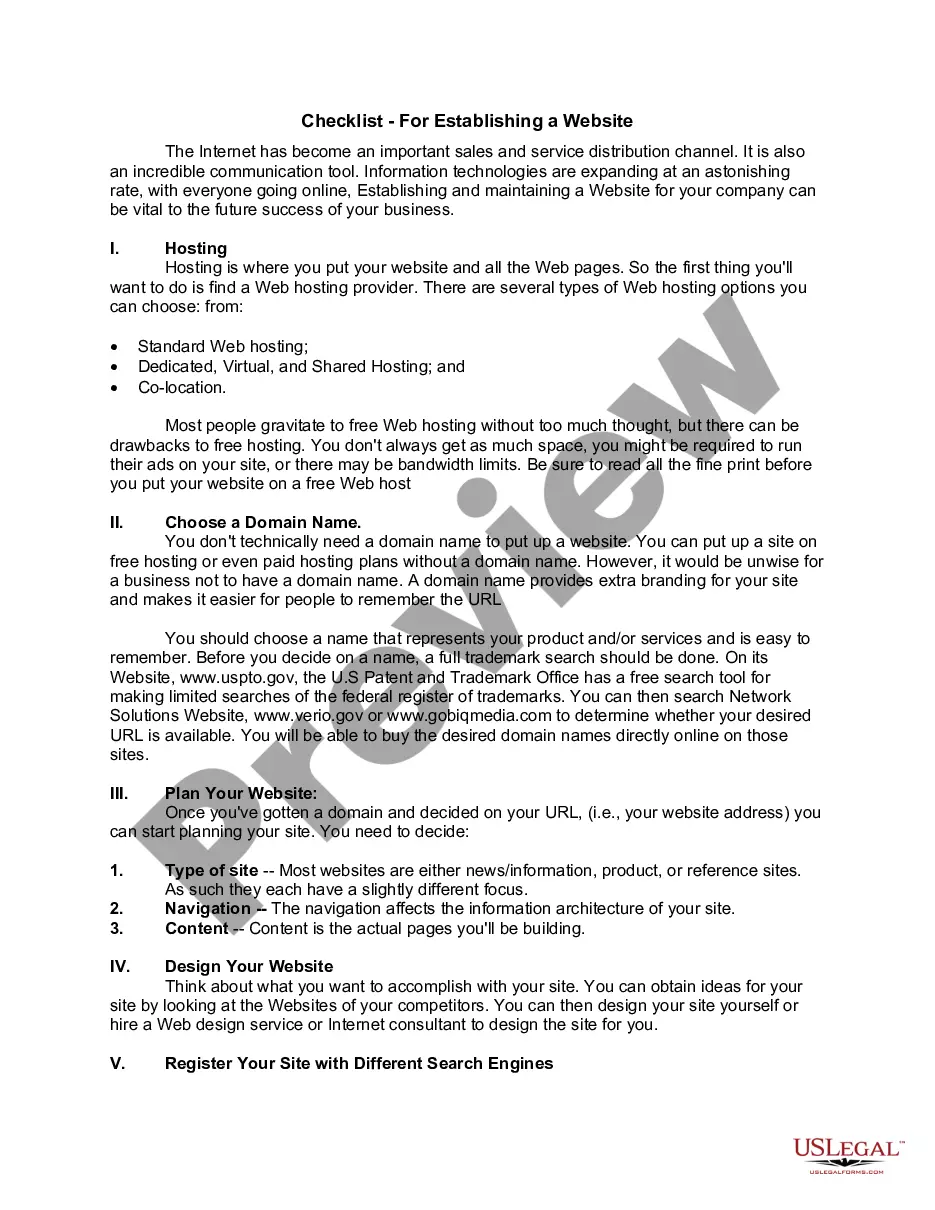
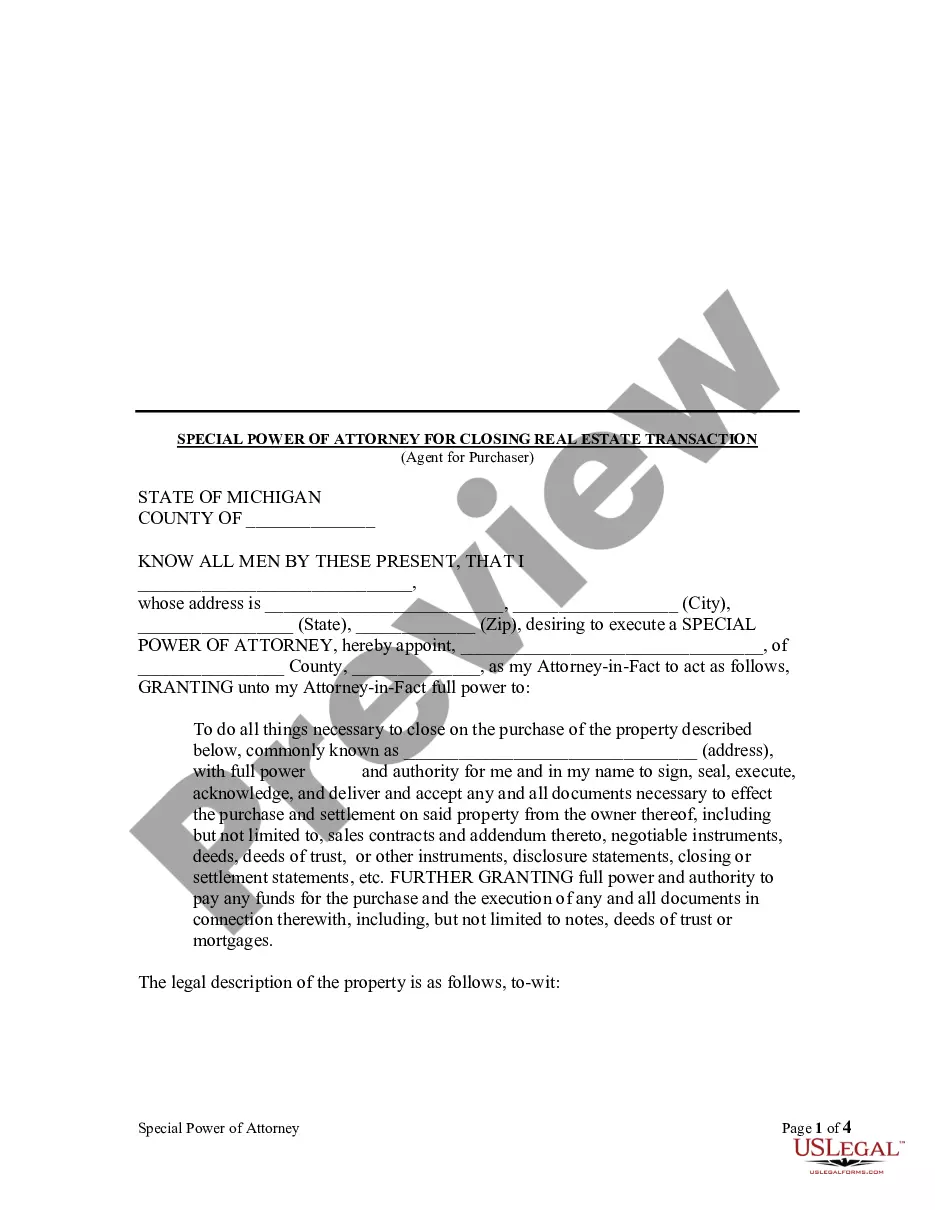
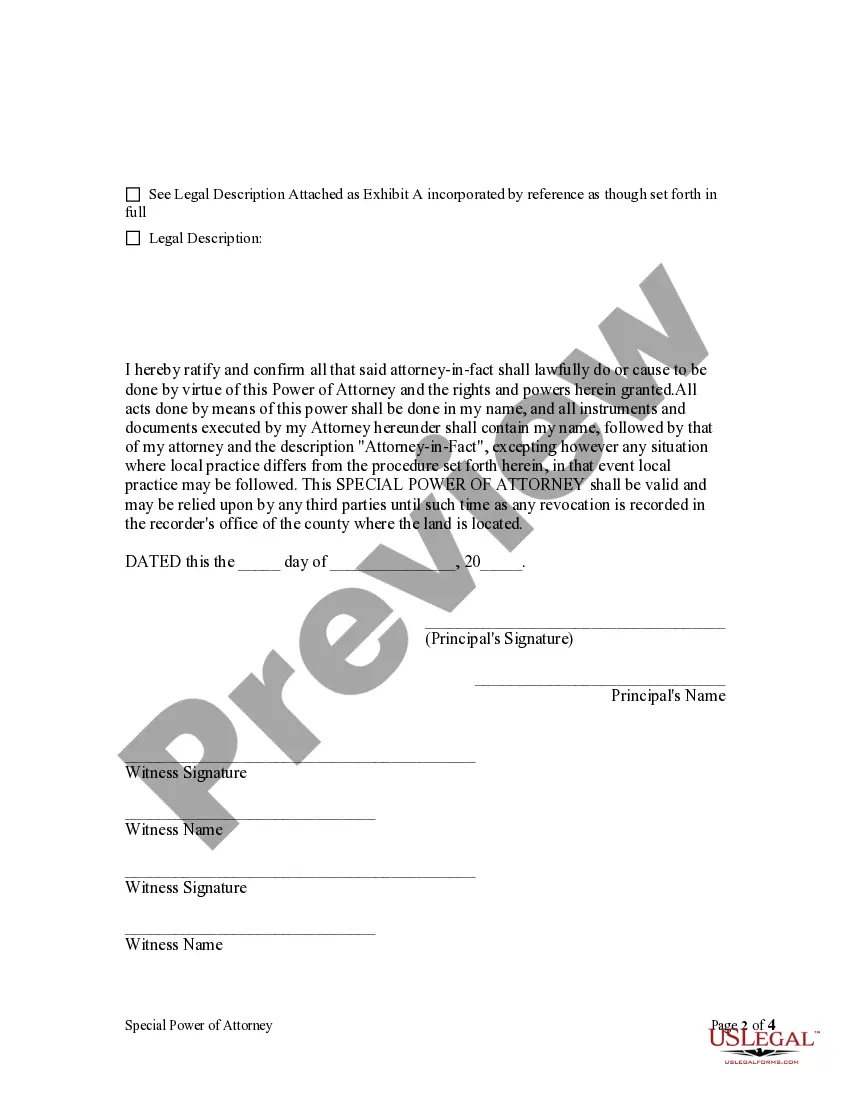
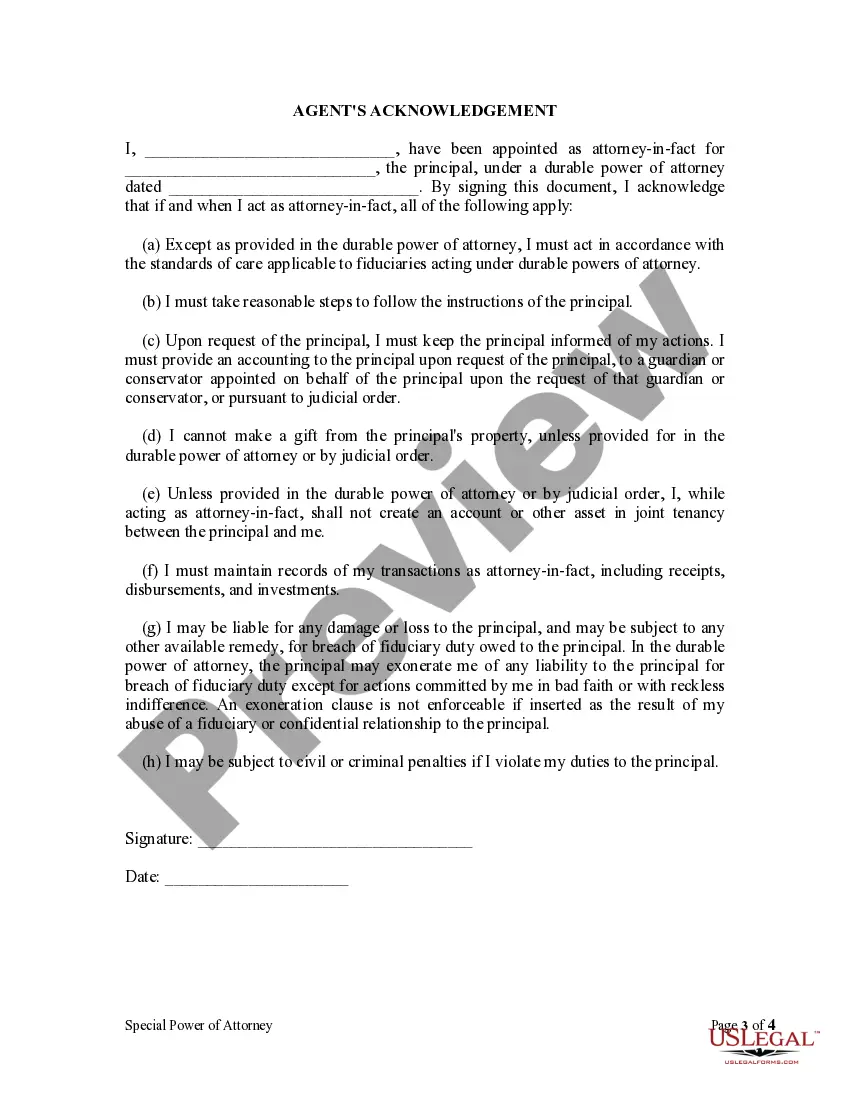
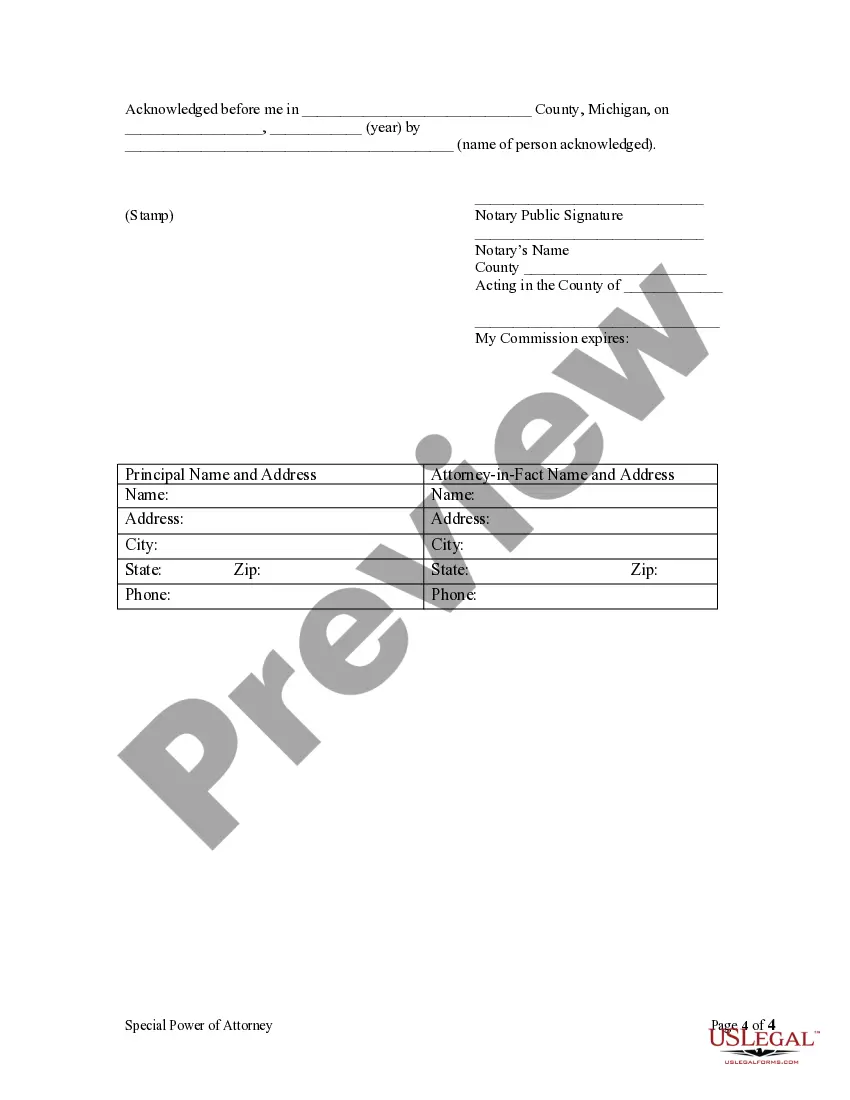
How to fill out Michigan Special Or Limited Power Of Attorney For Real Estate Purchase Transaction By Purchaser?
- Log into your existing US Legal Forms account. Ensure your subscription is active; renew if necessary.
- Review the available forms in preview mode. Confirm the document aligns with your needs and complies with local jurisdiction rules.
- Utilize the Search tab if you need other forms. Find any discrepancies, and locate the appropriate template.
- Select the form and click on the Buy Now button. Choose a subscription plan that best fits your requirements.
- Complete your purchase. Enter payment details or opt for PayPal to finalize your subscription.
- Download the form to your device, allowing for easy completion. Access the document later through the My Forms section in your account.
In conclusion, US Legal Forms simplifies the process of accessing essential real estate law documents, making it easier for users to ensure their transactions are legally sound. By following these steps, you can confidently navigate real estate transactions without the stress of legal complexities.
Start today and gain access to thousands of legal forms with US Legal Forms to empower your real estate dealings.
Form popularity
FAQ
The best major for real estate law often includes courses in business, finance, or political science, as these areas provide a strong foundation for understanding property transactions. Additionally, majoring in real estate studies can offer specialized knowledge. Whichever path you choose, ensure it aligns with your career goals in real estate law.
Entering the field of real estate law can be challenging, especially due to the competitive nature of law schools and the bar exam. However, if you are passionate about property and transactions, you will find opportunities available. With dedication and a strong educational background, you can build a successful career in real estate law.
Working in real estate law typically requires a law degree and a focus on property law courses. After obtaining your degree, you should pass the bar exam in your state. Gaining practical experience through internships or working under experienced real estate lawyers can further enhance your skills in this specialized area of real estate law.
The highest salaries for real estate lawyers can reach upwards of $200,000 or more annually, particularly for those working in large firms or managing high-stakes cases. Compensation often reflects specialization in areas such as commercial real estate or land use. Real estate law offers significant financial rewards for dedicated and skilled practitioners.
In most cases, attending law school is a requirement to become a licensed real estate lawyer in the United States. However, some states allow individuals to take the bar exam without a traditional law degree if they complete an apprenticeship with a practicing attorney. It is crucial to research your state’s specific requirements if you consider this route.
To get into real estate law, first pursue a bachelor's degree in a relevant field. Following that, apply to accredited law schools to obtain your JD. Networking with professionals in the field through internships and joining legal associations can also help you find opportunities in real estate law.
Earning a degree in real estate law requires completing a Juris Doctor (JD) program, which generally takes three years. Some law schools offer specialized courses or certificates in real estate during this period. After obtaining your JD, you’ll still need to pass the bar exam to practice law, which can take additional preparation time.
Becoming a real estate lawyer typically takes around seven years of education after high school. This includes four years of undergraduate study followed by three years of law school. After completing your education, you will need to pass the bar exam, which varies in preparation time but generally requires a few months of dedicated study.
While there is no specific major required to become a real estate lawyer, degrees in business, finance, or political science often provide a strong foundation. These subjects help you develop critical thinking and analytical skills needed in real estate law. Choosing a major that enhances your understanding of property transactions can also be beneficial.
The salary for a real estate lawyer can vary widely based on factors such as experience, location, and the employer. Typically, real estate lawyers earn an average annual salary ranging from $60,000 to over $120,000. Those who specialize or work with high-profile clients may earn much more, showcasing the lucrative potential of a career in real estate law.