Real Estate Attorney For Eviction
Description
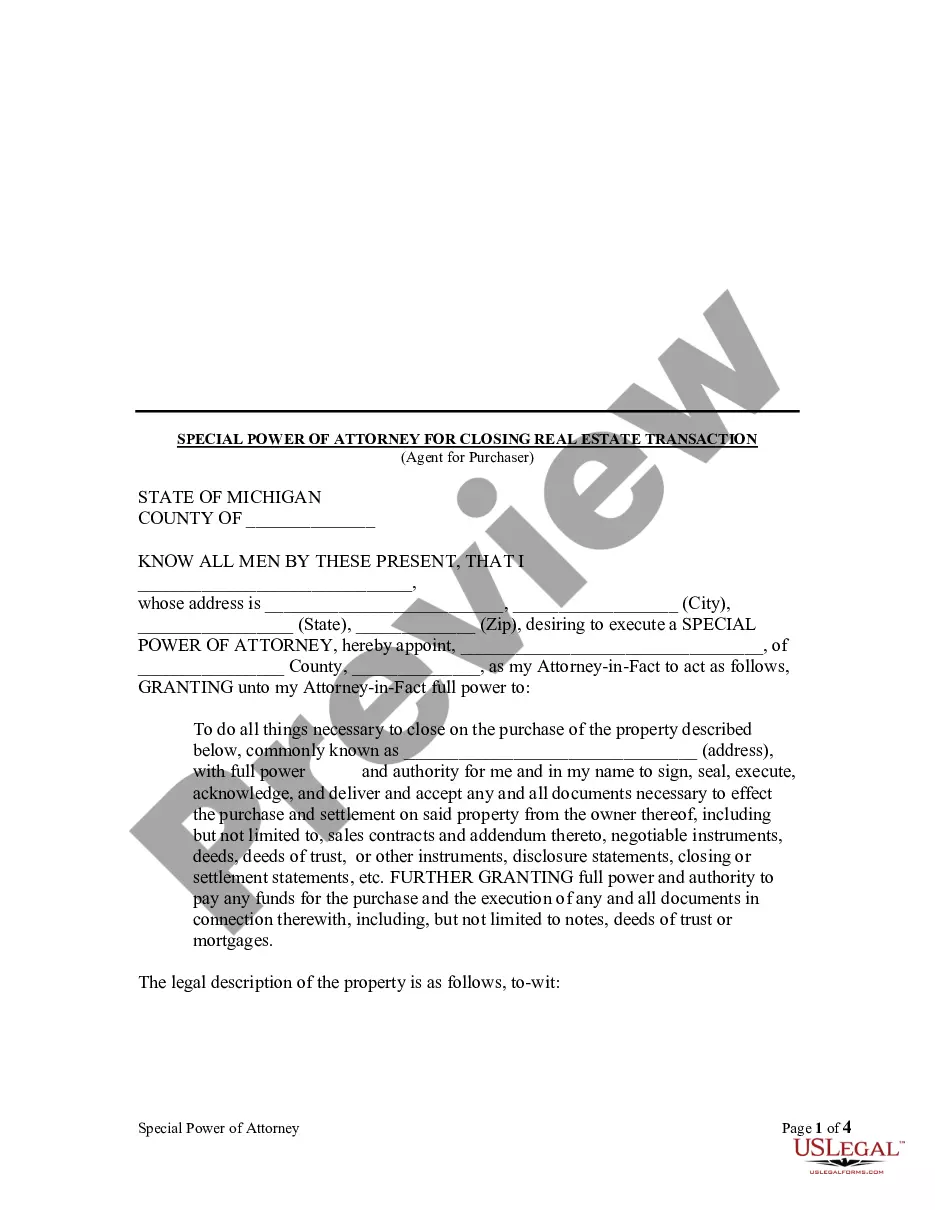
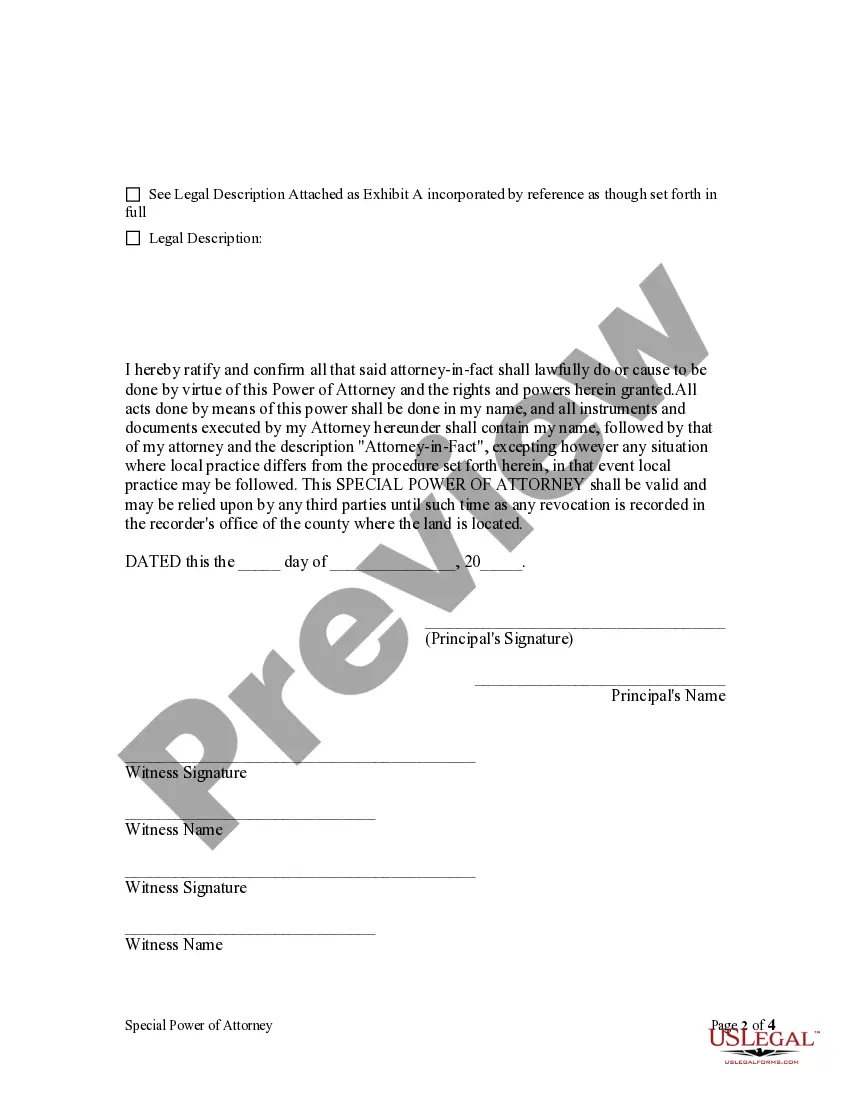
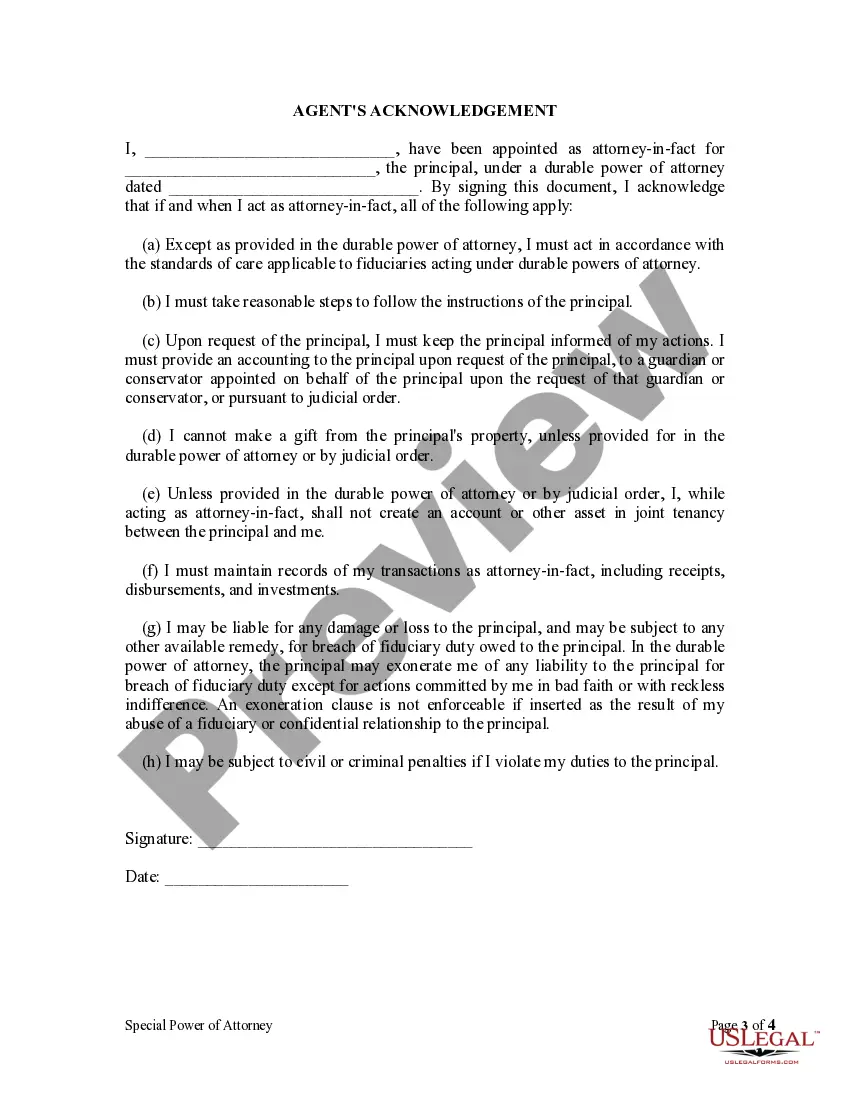
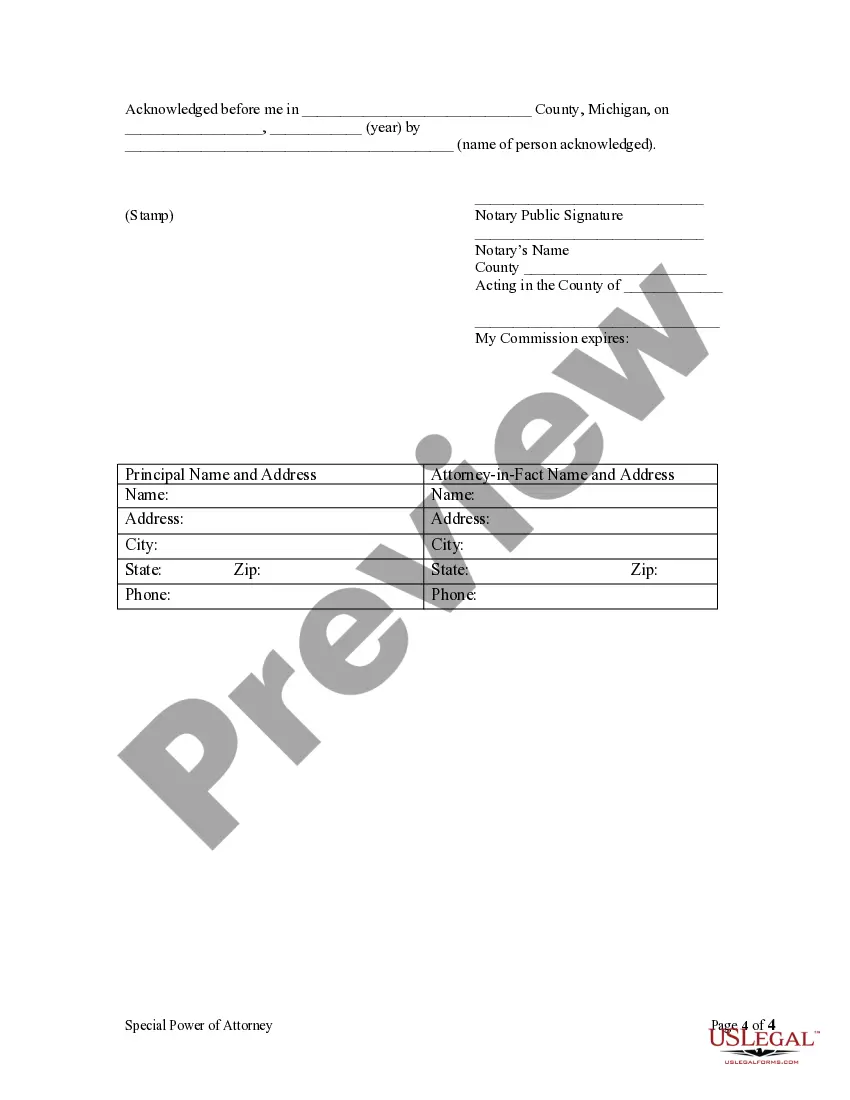

Get your form ready online
Our built-in tools help you complete, sign, share, and store your documents in one place.
Make edits, fill in missing information, and update formatting in US Legal Forms—just like you would in MS Word.
Download a copy, print it, send it by email, or mail it via USPS—whatever works best for your next step.
Sign and collect signatures with our SignNow integration. Send to multiple recipients, set reminders, and more. Go Premium to unlock E-Sign.
If this form requires notarization, complete it online through a secure video call—no need to meet a notary in person or wait for an appointment.
We protect your documents and personal data by following strict security and privacy standards.

Make edits, fill in missing information, and update formatting in US Legal Forms—just like you would in MS Word.

Download a copy, print it, send it by email, or mail it via USPS—whatever works best for your next step.

Sign and collect signatures with our SignNow integration. Send to multiple recipients, set reminders, and more. Go Premium to unlock E-Sign.

If this form requires notarization, complete it online through a secure video call—no need to meet a notary in person or wait for an appointment.

We protect your documents and personal data by following strict security and privacy standards.
Looking for another form?





How to fill out Michigan Special Or Limited Power Of Attorney For Real Estate Purchase Transaction By Purchaser?
- Begin by visiting the US Legal Forms website and log in to your existing account. If you haven't used our service before, you’ll need to register for a new account first.
- Once logged in, browse the extensive library of over 85,000 legal forms. For evictions, utilize the search feature to find the specific template that meets your requirements.
- Preview the form to ensure it complies with your jurisdiction's rules and regulations. If necessary, look for other templates by using the search tab.
- Select the desired form and proceed to purchase. Choose your preferred subscription plan that provides access to our comprehensive suite of legal documents.
- Complete your transaction by entering your payment details, either via credit card or PayPal, to finalize your subscription.
- After your purchase, download the template and save it on your device for easy access anytime in the 'My Forms' section of your account.
With US Legal Forms, you not only get a vast selection of eviction forms at a competitive price, but you also gain insights and assistance from premium experts, ensuring your documents are precise and legally sound.
Don't let the eviction process overwhelm you. Start your journey with US Legal Forms today to streamline your legal documentation.
Form popularity
FAQ
Yes, overcoming an eviction is possible, but it typically requires taking specific steps, such as resolving the issue that led to the eviction or negotiating with your landlord. Additionally, tenants can seek legal remedies through the courts. Working with a real estate attorney for eviction can improve your chances of successfully navigating this challenging process.
Generally, a landlord cannot retaliate against a tenant for filing a lawsuit by proceeding with an eviction. This action could be considered retaliatory eviction, which is illegal in many jurisdictions. If you find yourself in this situation, seeking help from a real estate attorney for eviction can provide you with the knowledge and support needed to protect your rights.
Evicting a tenant in New Mexico involves several key steps, including providing a written notice and filing a complaint in the local court. Once the complaint is filed, the court will schedule a hearing to review the case. Hiring a real estate attorney for eviction can significantly simplify the process, ensuring that you meet all legal requirements and avoid potential pitfalls.
Yes, a landlord can withdraw an eviction notice at any point before the court issues a judgment. However, it's crucial to follow the appropriate legal procedures to officially cancel the eviction. If you're a landlord considering withdrawal, consulting with a real estate attorney for eviction can provide clarity and guidance on the necessary steps to take.
In Washington state, the eviction process can take anywhere from a few weeks to several months. This timeline varies based on factors such as the reason for eviction, the specific county, and how quickly tenants respond to the eviction notice. Engaging a knowledgeable real estate attorney for eviction can help expedite the process and ensure that all legal procedures are followed correctly.
In California, the notice period a landlord must give depends on the length of tenancy. Typically, a landlord must provide a 30-day notice for tenants who have lived in the unit for less than one year, while a 60-day notice is required for longer tenancies. To ensure compliance with these rules, seeking advice from a real estate attorney for eviction can be beneficial.
The new law on eviction in California introduces stricter rules regarding notice periods and tenant protections. This law can delay eviction processes and ensures necessary legal procedures must be followed. Engaging a real estate attorney for eviction can help both landlords and tenants navigate these new regulations effectively.
In California, landlords cannot legally evict tenants without going through the court process. They must file for eviction in a court and obtain a judgment before enforcing the eviction. If you're concerned about an eviction notice, connecting with a real estate attorney for eviction can help clarify your rights and options.
Currently, evictions in California can take several months due to court backlogs and legal protections in place. The timeline often includes the notice period, court hearings, and potential delays. To navigate this complex process, it's wise to consult a real estate attorney for eviction who can guide you through each stage efficiently.
In Vermont, landlords must follow specific rules when initiating an eviction process. They must provide written notice to the tenant, outlining the reasons for eviction. If you're facing eviction in Vermont, working with a real estate attorney for eviction can help you address your situation effectively and understand your legal options.