Abandonment Letter To Tenant With Late Rent
Description


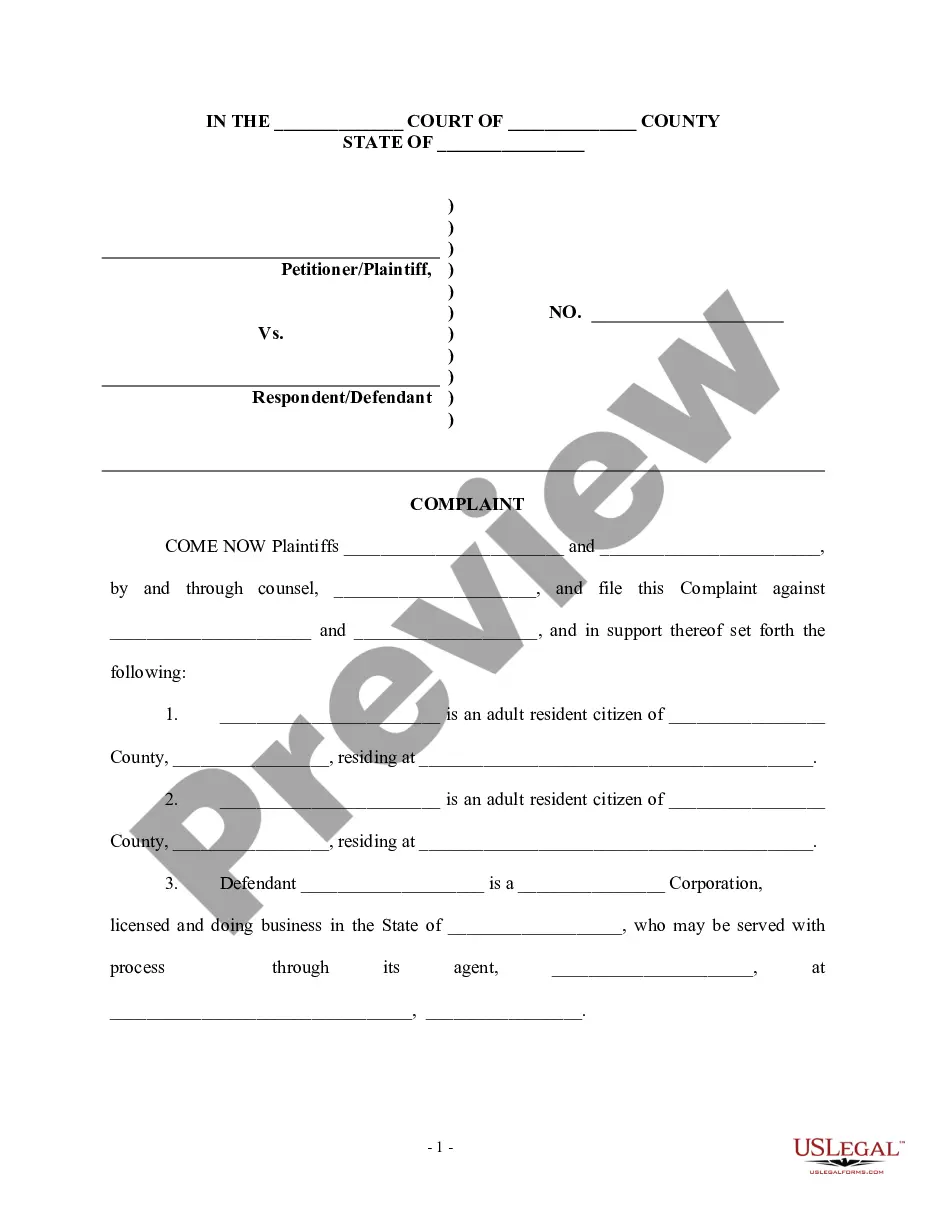
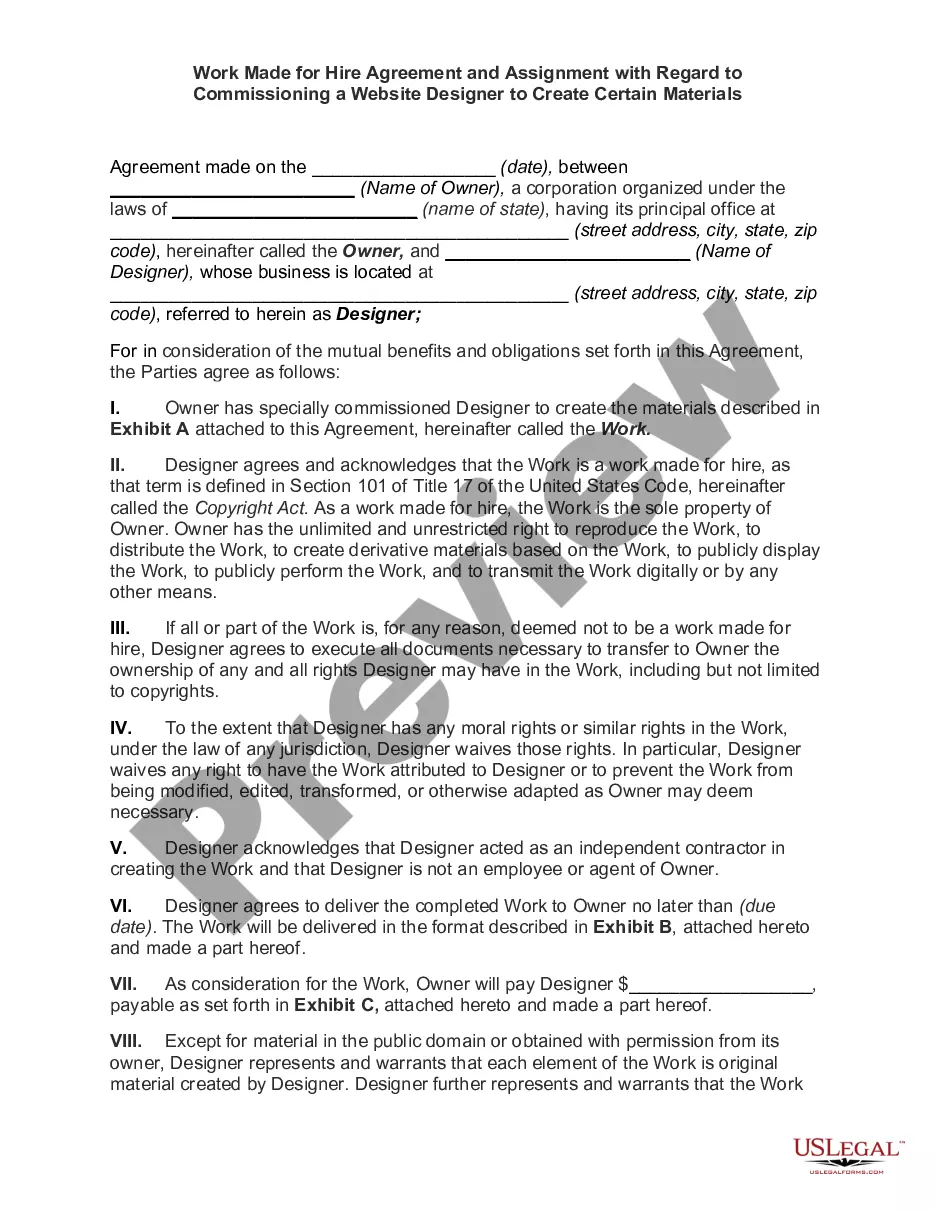
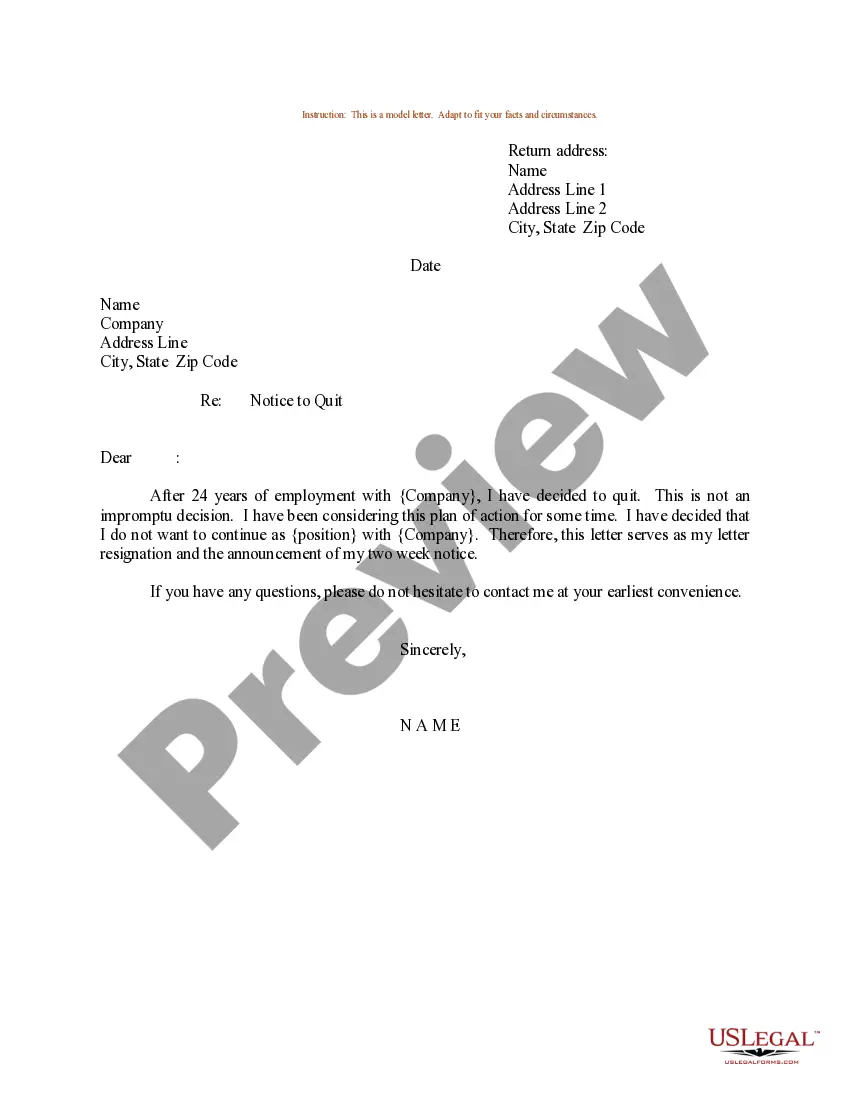
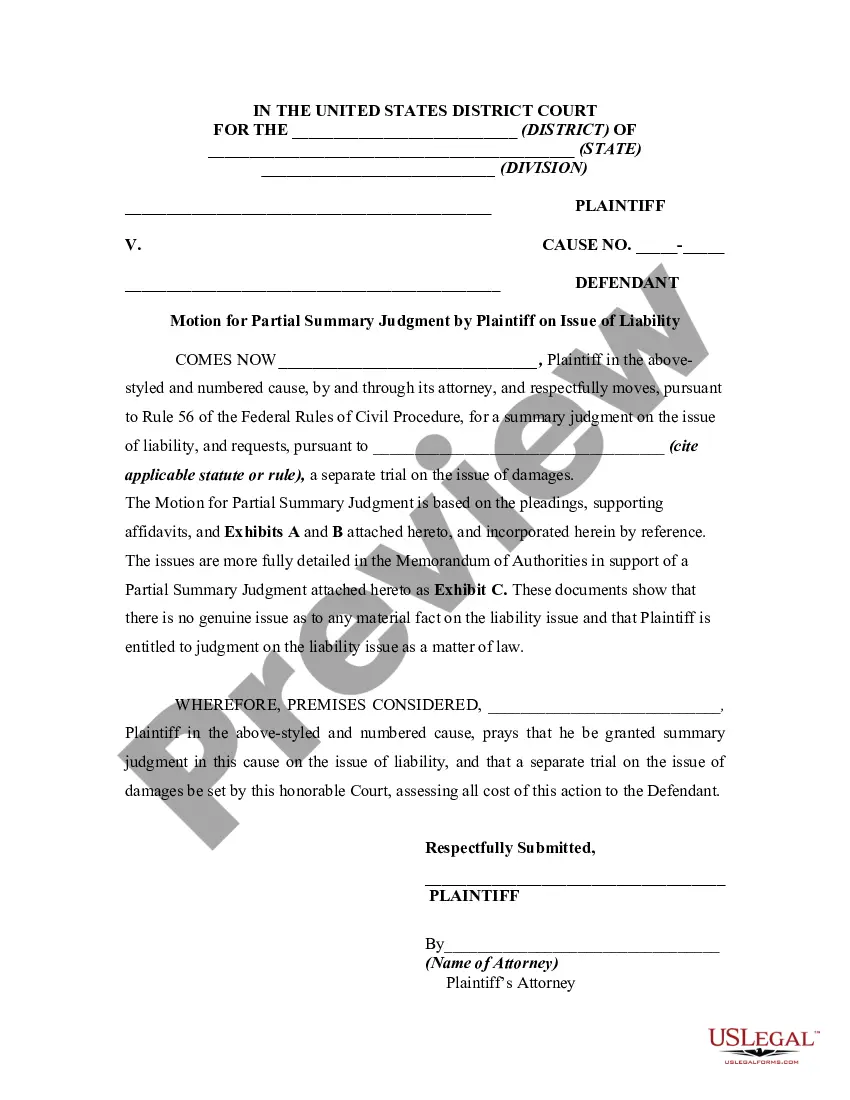
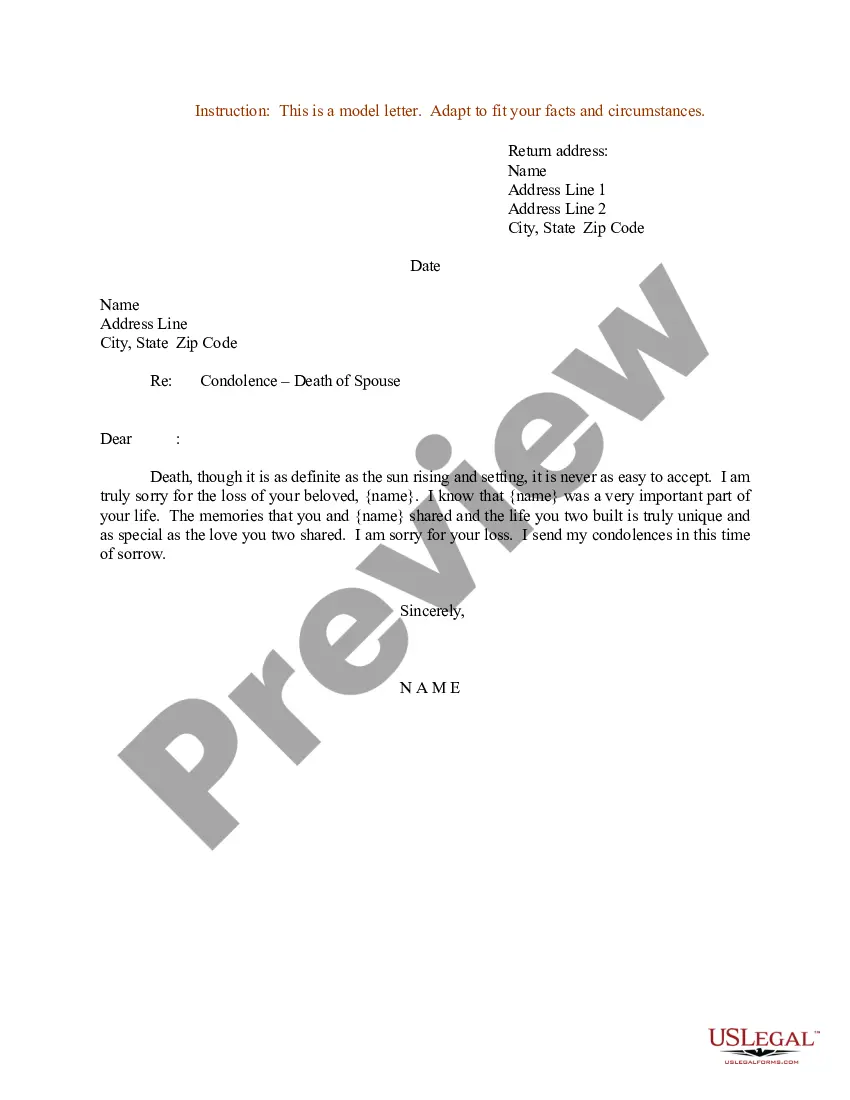
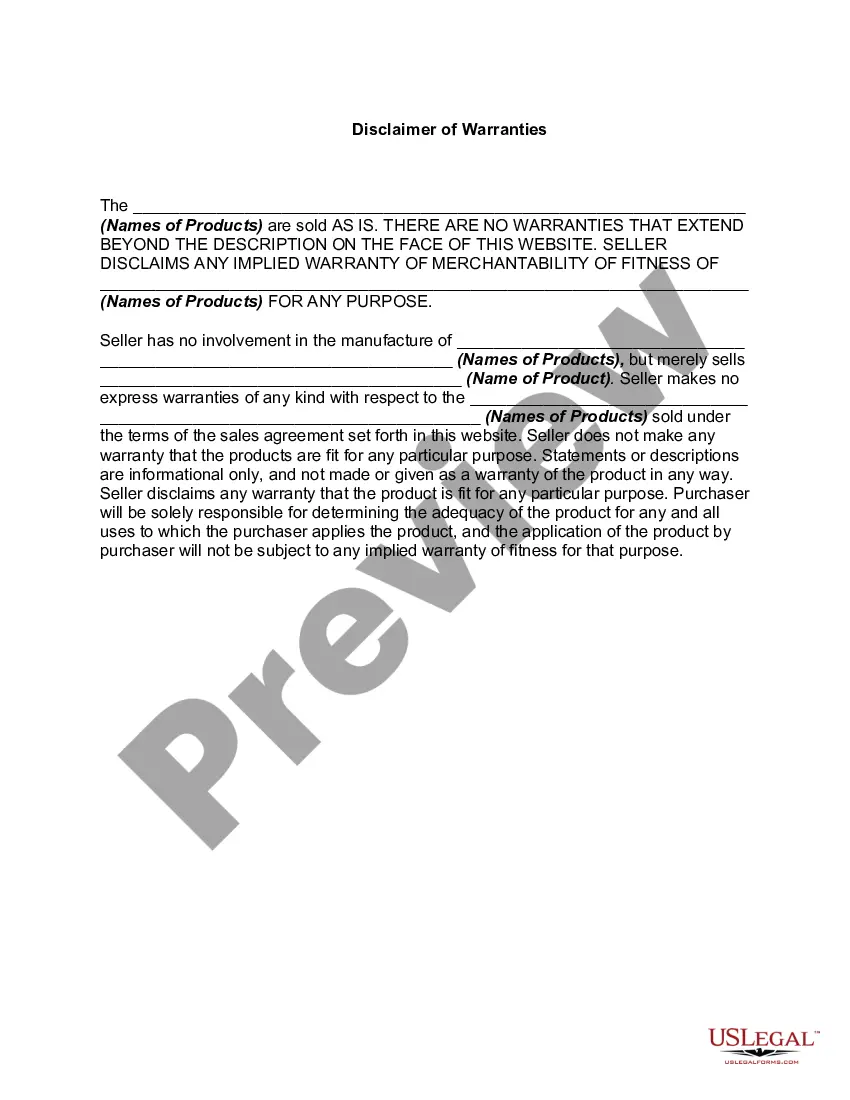
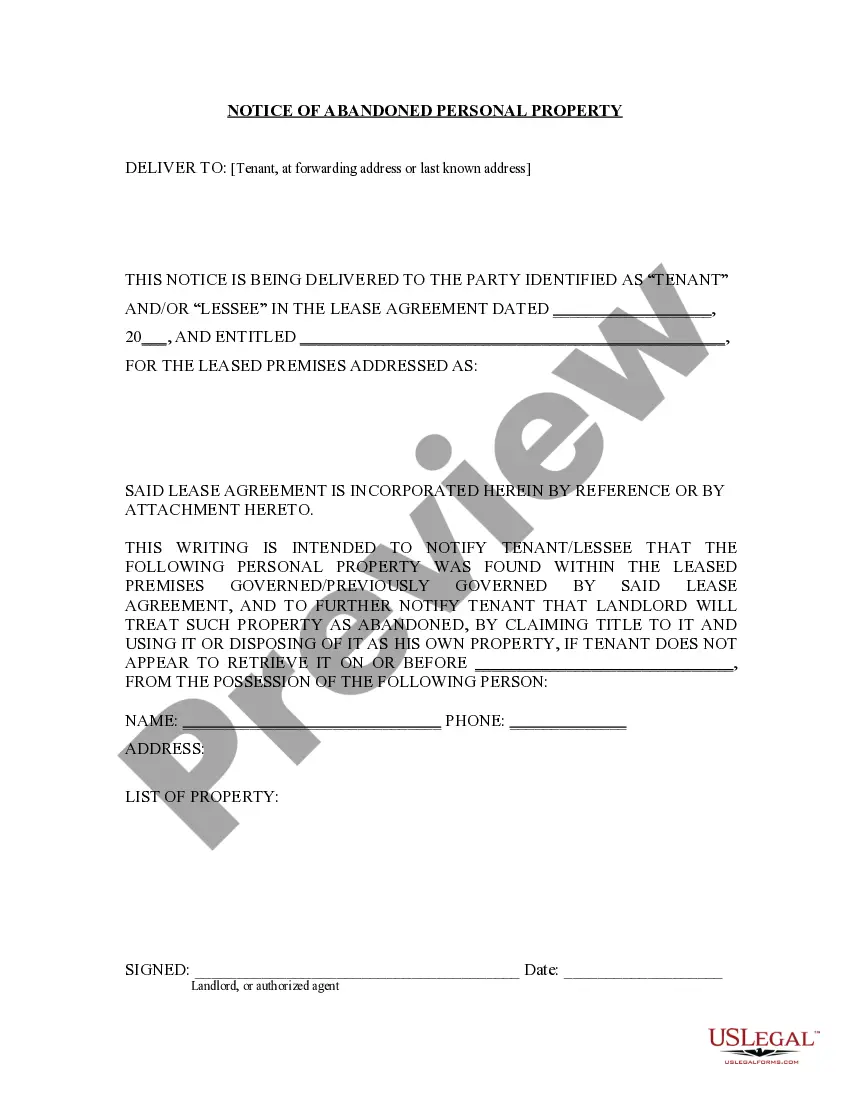
How to fill out Maryland Letter From Landlord To Tenant As Notice Of Abandoned Personal Property?
It’s clear that you cannot instantly become a legal expert, nor can you understand how to swiftly create an Abandonment Letter To Tenant With Late Rent without having a specialized education.
Drafting legal documents is a lengthy process that demands specific training and expertise. So why not entrust the drafting of the Abandonment Letter To Tenant With Late Rent to the professionals.
With US Legal Forms, one of the most extensive legal template repositories, you can discover everything from court documents to templates for internal corporate communications.
If you need any additional form, restart your search.
Sign up for a free account and choose a subscription plan to purchase the form. Select Buy now. Once the payment is finalized, you can access the Abandonment Letter To Tenant With Late Rent, fill it out, print it, and send or mail it to the required individuals or entities.
- We recognize the significance of compliance and conformity to federal and state regulations.
- That’s why, on our platform, all forms are location-specific and current.
- Here’s how you can initiate your journey with our platform and obtain the form you need in just a few minutes.
- Locate the document you require using the search bar at the top of the page.
- Preview it (if this option is available) and read the accompanying description to determine if the Abandonment Letter To Tenant With Late Rent is what you seek.
Form popularity
FAQ
An eviction notice typically includes key details such as the tenant's name, the property address, and the reason for the eviction. For instance, if you are dealing with an abandonment letter to tenant with late rent, you would specify the amount owed and the timeframe for payment. It is important to follow local laws regarding notice periods, usually ranging from 3 to 30 days. You can find templates and guidance on creating a proper eviction notice on platforms like US Legal Forms.
To write a letter regarding late payment of rent, start with a polite greeting and state the purpose of your letter. Clearly outline the amount due, the date it was due, and any applicable late fees. It's also beneficial to mention the consequences of continued non-payment, such as the potential for eviction or an abandonment letter to tenant with late rent. Using a professional tone can help maintain a positive landlord-tenant relationship.
In most cases, a tenant's absence for 14 consecutive days without payment can lead to the assumption of abandonment. However, this may vary based on state laws and lease agreements. To protect your interests, consider sending an abandonment letter to the tenant with late rent before taking further action. Always check local regulations to confirm the specific timeframe applicable in your area.
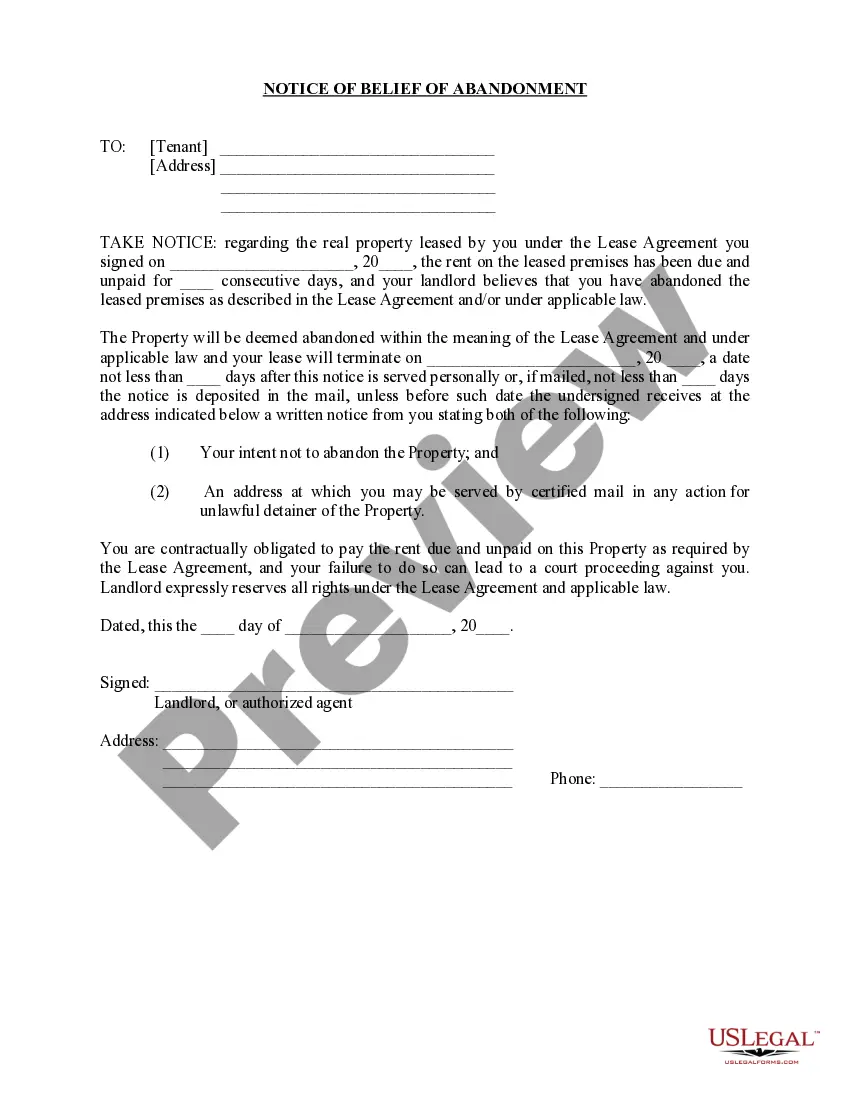
Writing an abandonment letter involves clearly stating your intent and the reasons for the letter. Begin by addressing the tenant and mention their overdue rent situation. Include details such as the rental property address and any previous communications regarding late payments. Using a template for an abandonment letter to tenant with late rent can help ensure all necessary elements are included.
Yes, a landlord can evict a tenant for late rent in California. However, they must follow specific legal procedures before proceeding with eviction. This often includes providing the tenant with a notice for late payment and, if necessary, an abandonment letter to the tenant with late rent. It is essential to understand the local laws to ensure compliance throughout the eviction process.
Here is a short guide that you can easily follow when you need to write a letter of notice to your tenant/s: Determine the notice period. ... Indicate the date of issuance. ... Write complete addresses. ... Write salutation. ... Begin with an introduction. ... Provide more details in the body. ... Conclude the letter.
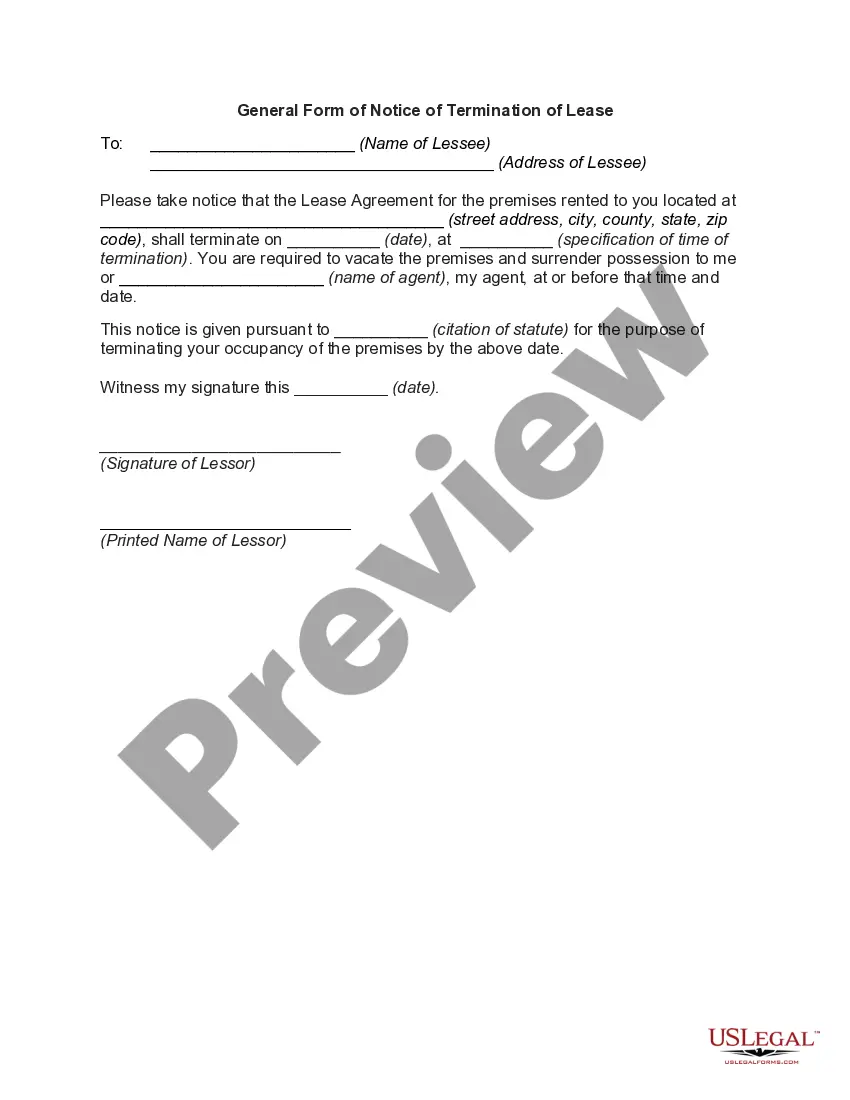
How Do I Write A Letter To Tell A Tenant To Move Out? Property address. Tenant names. Details of when the tenant must vacate. Explanation of why, if applicable. Information about the move-out procedure. Contact information they can use if they have any questions.
Sample Legal Notice of a Vacate Letter Dear [Tenant's Name], This letter serves as formal notice that you are required to vacate the premises at [Rental Property Address] by [Date]. This notice is being given in ance with the terms of your lease agreement, which expires on [Lease End Date].
Dear Tenant: This letter is to inform you that you have failed to pay rent in a timely manner for the unit you rent from our organization. Continued failure to pay the rent due or arrange for a payment plan (if eligible) will cause the organization to pursue legal action to reclaim possession of the rental unit.