Non Profit Organization Need To Register With
Description
Get your form ready online
Our built-in tools help you complete, sign, share, and store your documents in one place.
Make edits, fill in missing information, and update formatting in US Legal Forms—just like you would in MS Word.
Download a copy, print it, send it by email, or mail it via USPS—whatever works best for your next step.
Sign and collect signatures with our SignNow integration. Send to multiple recipients, set reminders, and more. Go Premium to unlock E-Sign.
If this form requires notarization, complete it online through a secure video call—no need to meet a notary in person or wait for an appointment.
We protect your documents and personal data by following strict security and privacy standards.

Make edits, fill in missing information, and update formatting in US Legal Forms—just like you would in MS Word.

Download a copy, print it, send it by email, or mail it via USPS—whatever works best for your next step.

Sign and collect signatures with our SignNow integration. Send to multiple recipients, set reminders, and more. Go Premium to unlock E-Sign.

If this form requires notarization, complete it online through a secure video call—no need to meet a notary in person or wait for an appointment.

We protect your documents and personal data by following strict security and privacy standards.
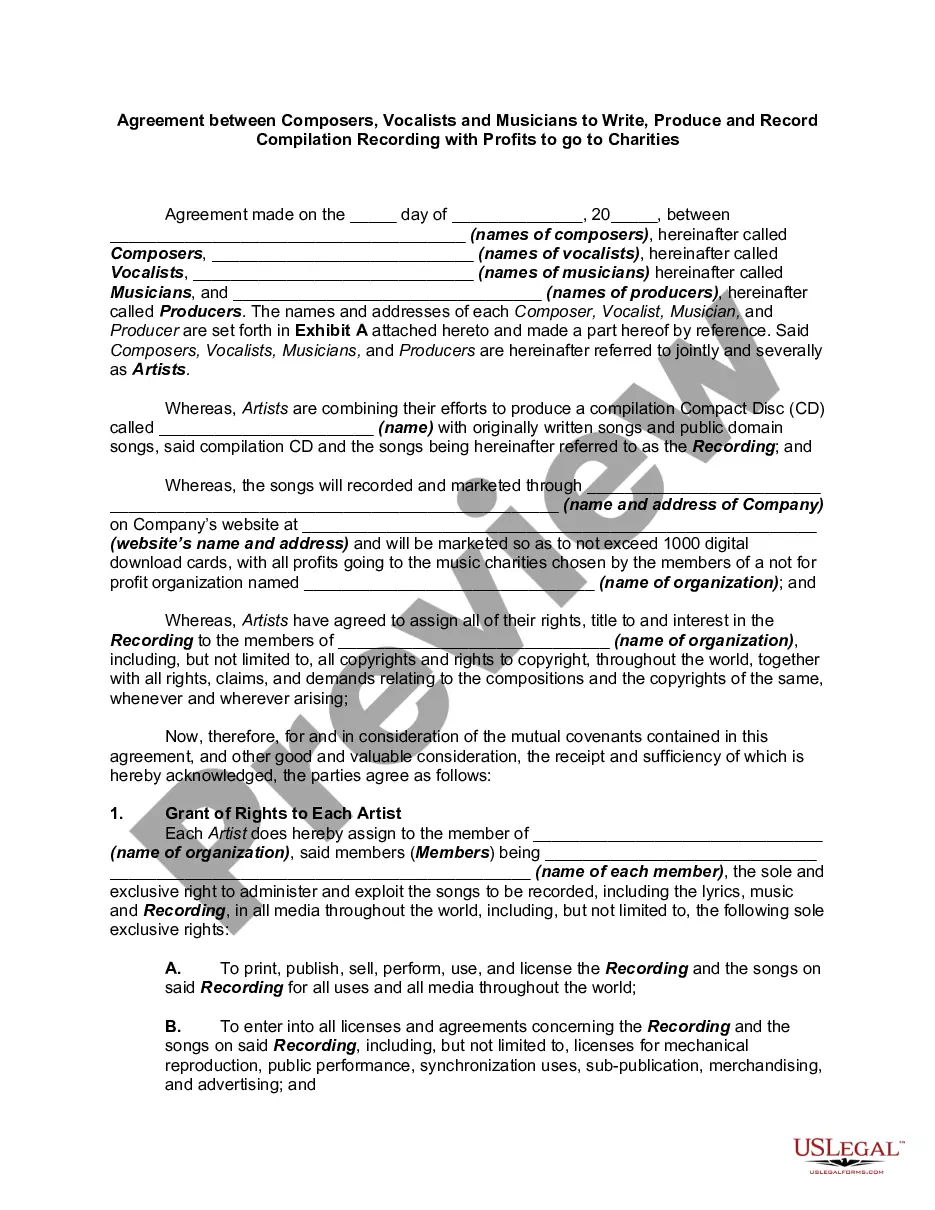
Looking for another form?
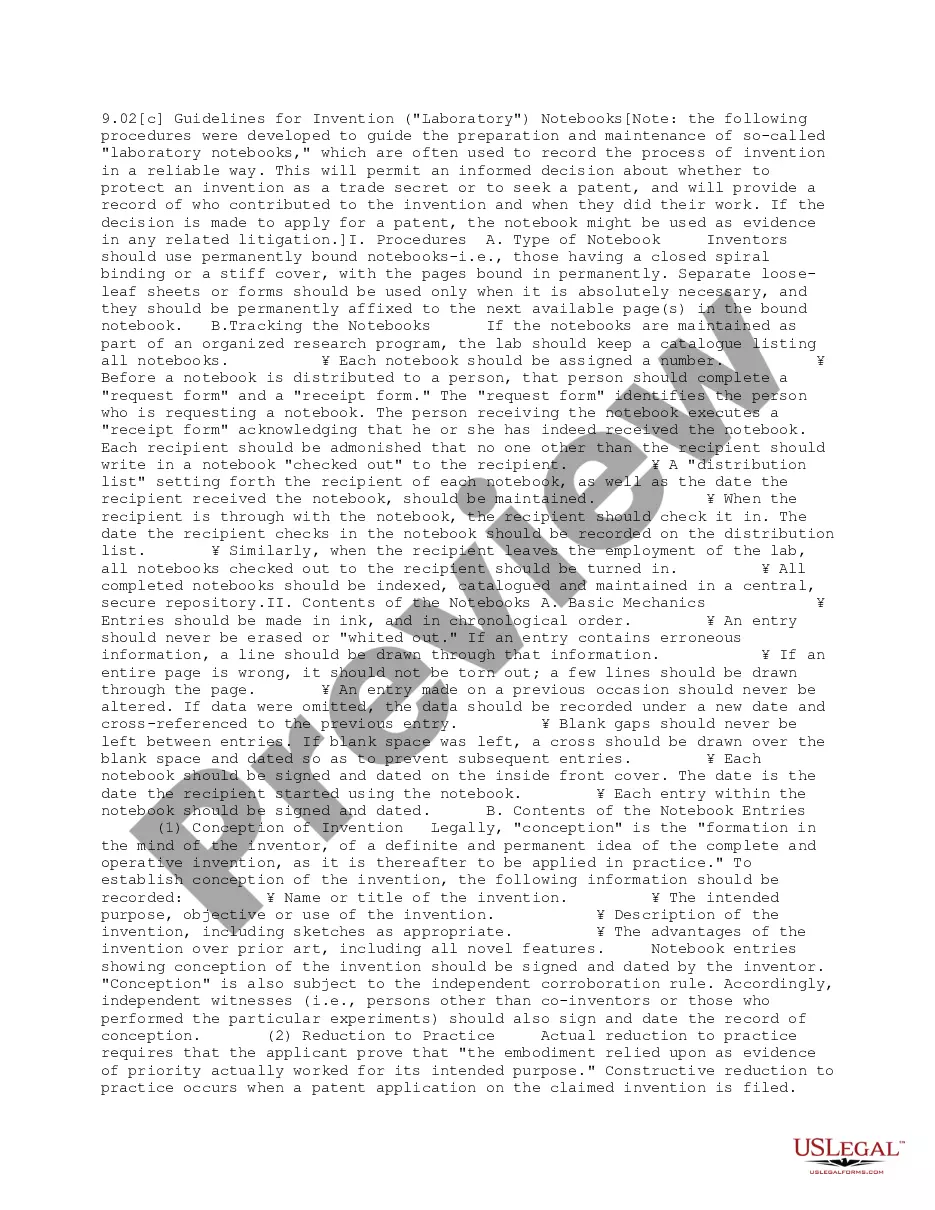
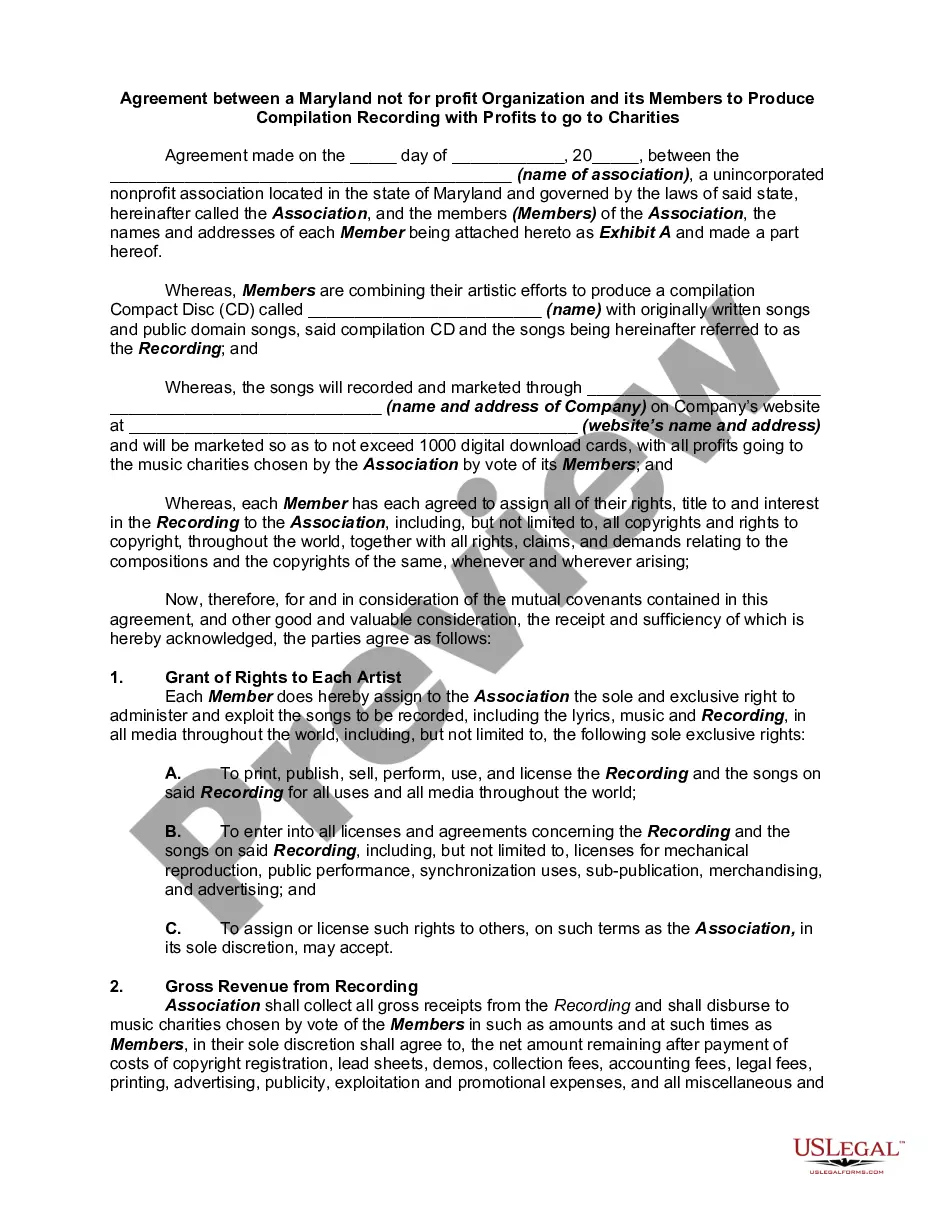
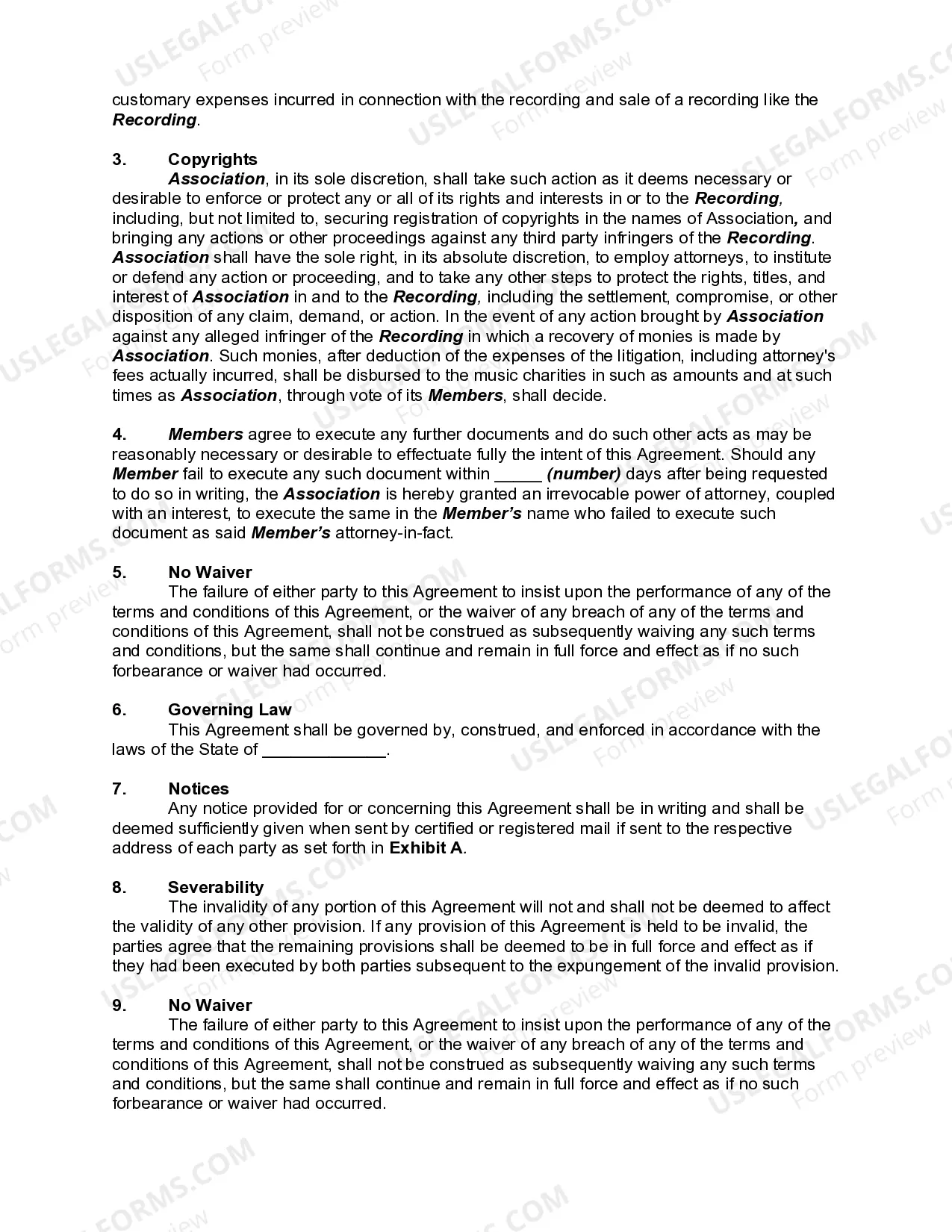
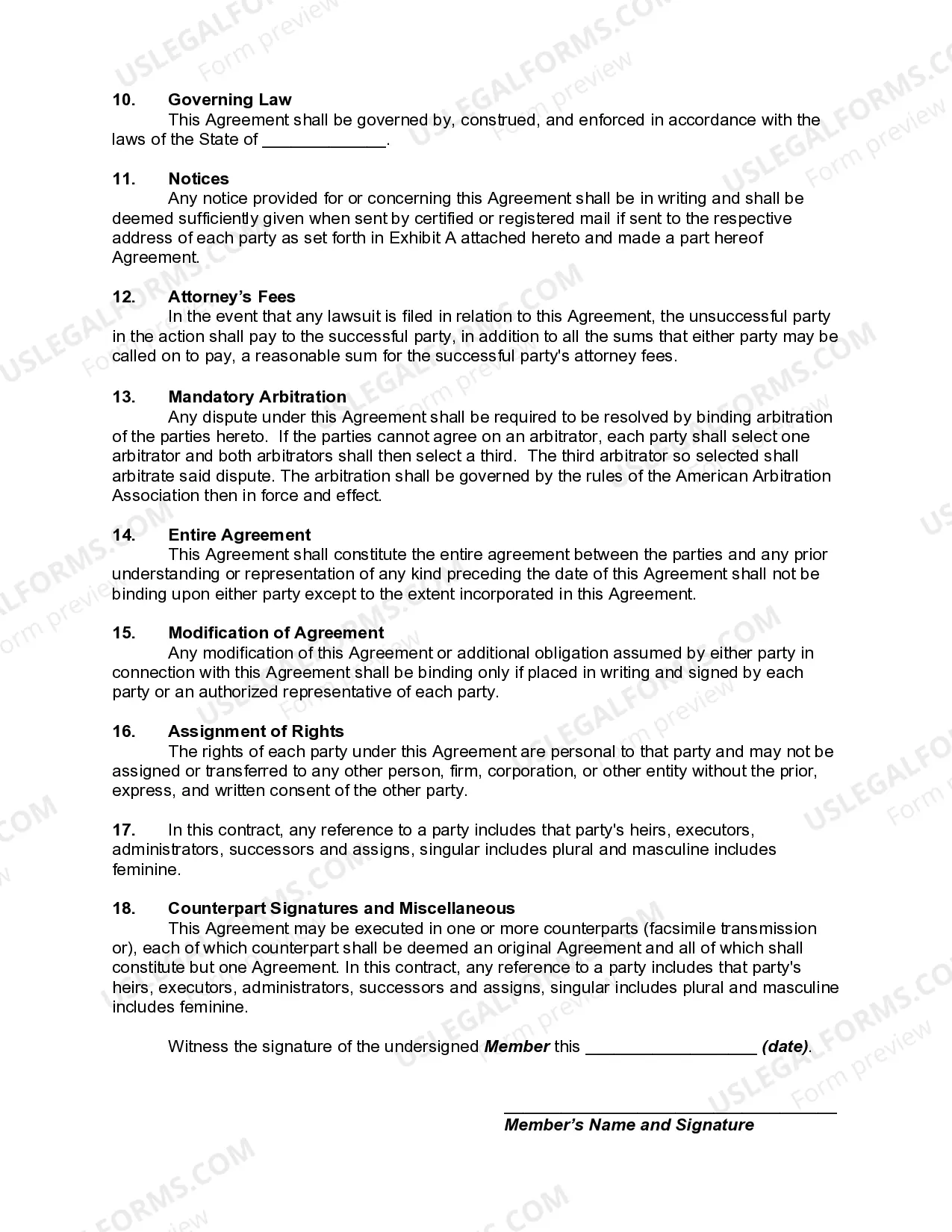
How to fill out Agreement Between A Maryland Not For Profit Organization And Its Members To Produce Compilation Recording With Profits To Go To Charities?
- Log in to your existing US Legal Forms account or create a new one if you're a first-time user.
- Browse the comprehensive library to find the specific form that matches your registration needs. Use the Preview mode to check form details.
- If you cannot locate the desired template, utilize the Search tab to refine your results.
- Select your form and click on the Buy Now button to proceed with your preferred subscription plan.
- Complete your purchase using a credit card or PayPal to gain full access to the templates.
- Download the chosen form to your device and check the My Forms section in your profile to access it anytime in the future.
By following these steps, you can easily navigate the registration process and ensure that your non-profit organization is compliant with all legal requirements. US Legal Forms provides an extensive collection of forms and the support needed for accurate completion.
Start your journey in establishing a non-profit organization today with US Legal Forms, and take advantage of their robust resources and expert assistance!
Form popularity
FAQ
For a 501(c)(3) non profit organization, the IRS requires at least three board members. These members should not be related to ensure compliance with governance policies. Additionally, having a diverse board can strengthen your organization's ability to meet its mission. Your non profit organization need to register with appropriate governance practices to succeed and maintain compliance.
Filling out a W-9 for a nonprofit organization involves providing your organization's name, address, and EIN. Be sure to check the box that identifies your organization as exempt from backup withholding to ensure correct processing. Alternatively, uslegalforms offers templates and instructions that can simplify this process. Remember, your non profit organization need to register with the IRS to effectively handle tax-related matters.
To register a non profit organization with the IRS, you need to file Form 1023, the application for recognition of exemption under Section 501(c)(3). Before you fill out this form, ensure that your organization meets the required criteria and has an Employer Identification Number (EIN). It is also beneficial to use resources from uslegalforms to guide you through the application process. Your non profit organization need to register with the IRS to be recognized as tax-exempt.
A nonprofit organization refers broadly to any organization that operates without the goal of earning profit for owners. Meanwhile, a 501(c)(3) is a specific type of nonprofit that qualifies for tax-exempt status under IRS guidelines. Understanding this distinction is crucial if your non profit organization need to register with the IRS to enjoy tax benefits. Always consider leveraging platforms like uslegalforms to ensure you meet the necessary criteria for 501(c)(3) status.
The time it takes to get a 501(c)(3) approval can vary significantly. Typically, it takes about three to six months from the date the IRS receives your application. Factors that may affect this timeline include the complexity of your organization and the completeness of your submission. If you carefully prepare your application, you can streamline the process, ensuring your non profit organization need to register with the IRS gets the approval it deserves sooner.
To start a 501c3 in Texas, begin by choosing a name for your organization and ensuring it is unique. Then, draft your articles of incorporation and file them with the Texas Secretary of State. After that, apply for an Employer Identification Number (EIN) from the IRS. Finally, submit your application for 501c3 status to the IRS, detailing your nonprofit's purpose. For a smoother process, consider using US Legal Forms to access templates and guidance tailored to nonprofit registration.
Most states require nonprofits to register before conducting business or soliciting donations. This includes the need to file with the Secretary of State and, in some cases, a separate charitable organization registration. Each state has specific laws, so it's essential to check local regulations to determine where your nonprofit organization needs to register with. Utilizing a platform like US Legal Forms can simplify the registration process for you.
Yes, nonprofits must register with the IRS to obtain tax-exempt status under section 501c3. This registration is crucial because it allows donors to claim tax deductions for their contributions. By registering, your nonprofit organization enhances its credibility and opens up funding opportunities. Ensuring compliance with IRS regulations is vital for all nonprofits aiming to thrive.
In Texas, a 501c3 nonprofit organization needs at least three board members. These individuals must be natural persons and cannot all be related. Additionally, maintaining a diverse board strengthens governance and decision-making. Trust us, this structure helps ensure compliance and proper oversight for your organization.
Generally, a nonprofit organization must register in each state where it conducts business or solicits donations. This ensures compliance with state laws and maintains your organization's good standing. If you plan on operating in multiple states, consider utilizing US Legal Forms to help streamline the registration process, so your nonprofit organization can focus on its mission without legal hiccups.