Nc Equitable Distribution Worksheet For Divorce
Description
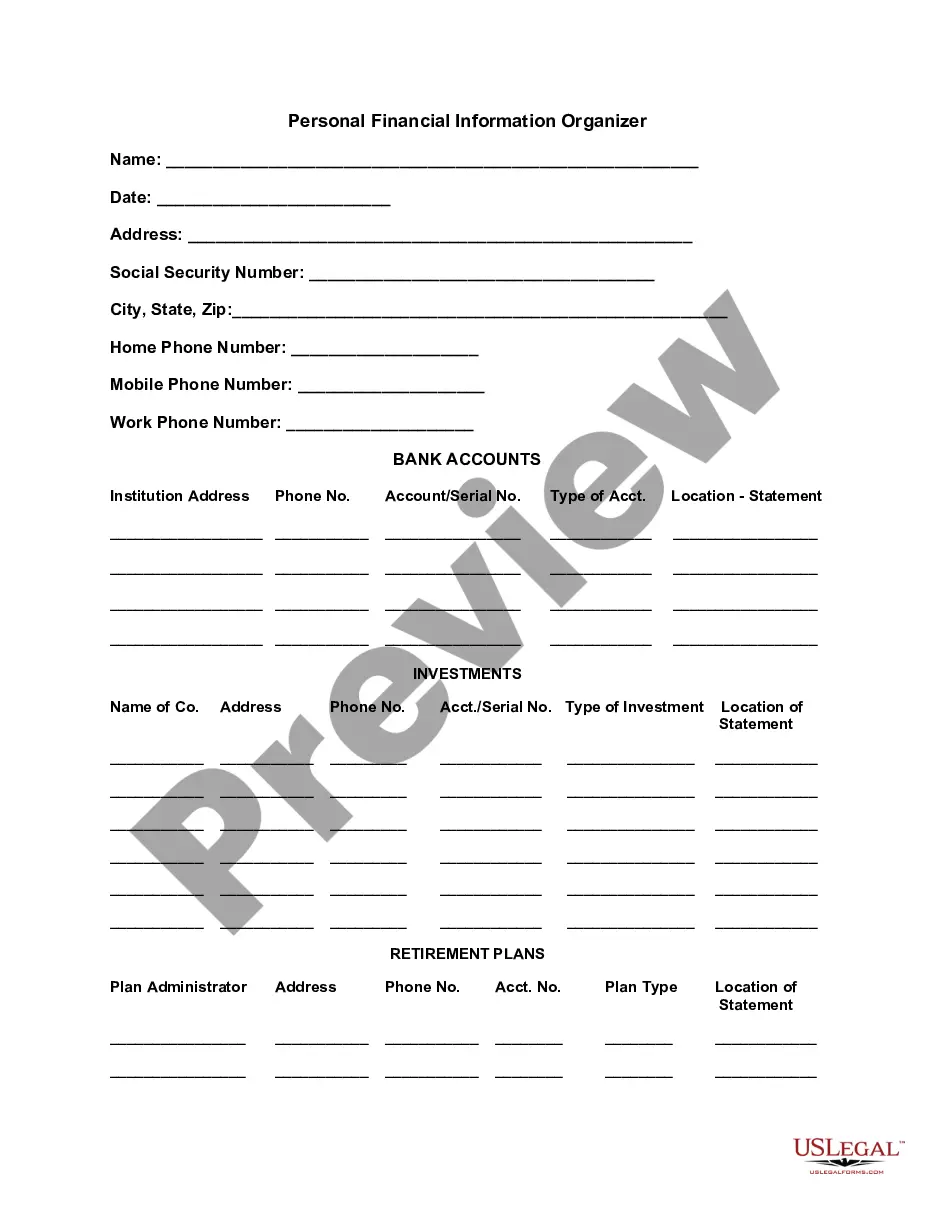
Get your form ready online
Our built-in tools help you complete, sign, share, and store your documents in one place.
Make edits, fill in missing information, and update formatting in US Legal Forms—just like you would in MS Word.
Download a copy, print it, send it by email, or mail it via USPS—whatever works best for your next step.
Sign and collect signatures with our SignNow integration. Send to multiple recipients, set reminders, and more. Go Premium to unlock E-Sign.
If this form requires notarization, complete it online through a secure video call—no need to meet a notary in person or wait for an appointment.
We protect your documents and personal data by following strict security and privacy standards.

Make edits, fill in missing information, and update formatting in US Legal Forms—just like you would in MS Word.

Download a copy, print it, send it by email, or mail it via USPS—whatever works best for your next step.

Sign and collect signatures with our SignNow integration. Send to multiple recipients, set reminders, and more. Go Premium to unlock E-Sign.

If this form requires notarization, complete it online through a secure video call—no need to meet a notary in person or wait for an appointment.

We protect your documents and personal data by following strict security and privacy standards.
Looking for another form?






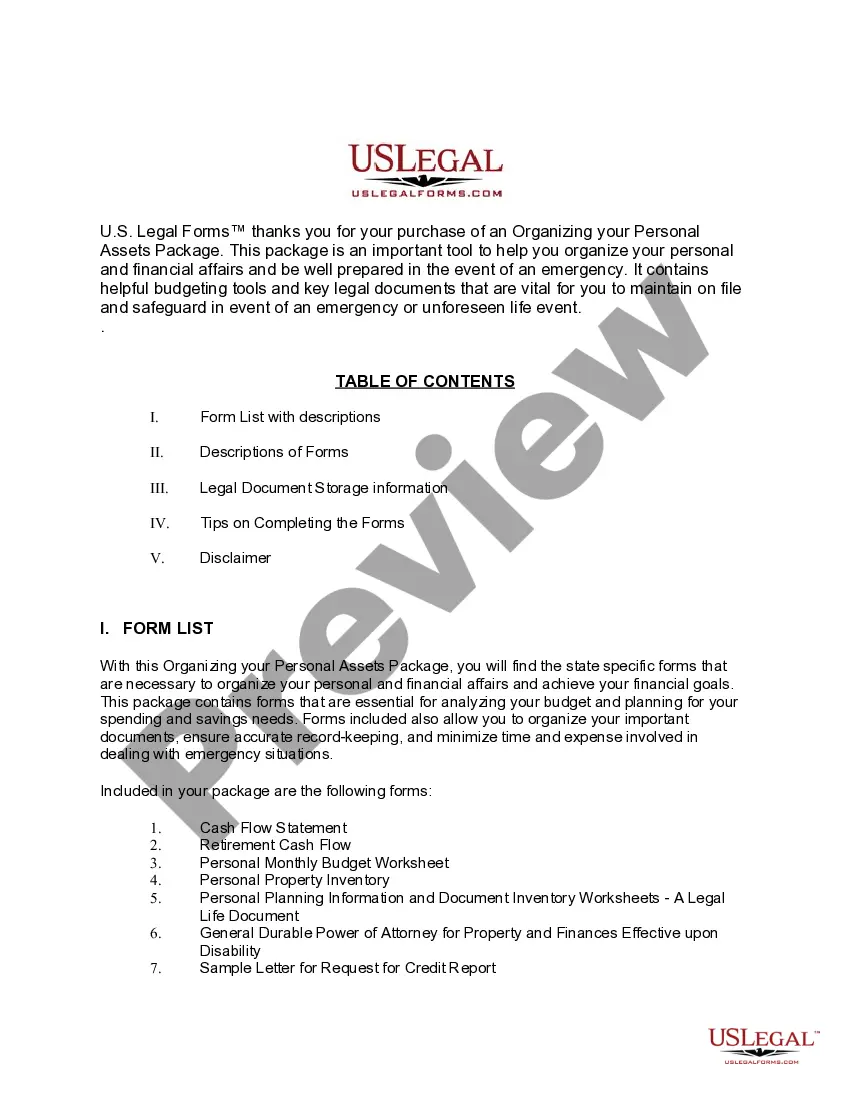
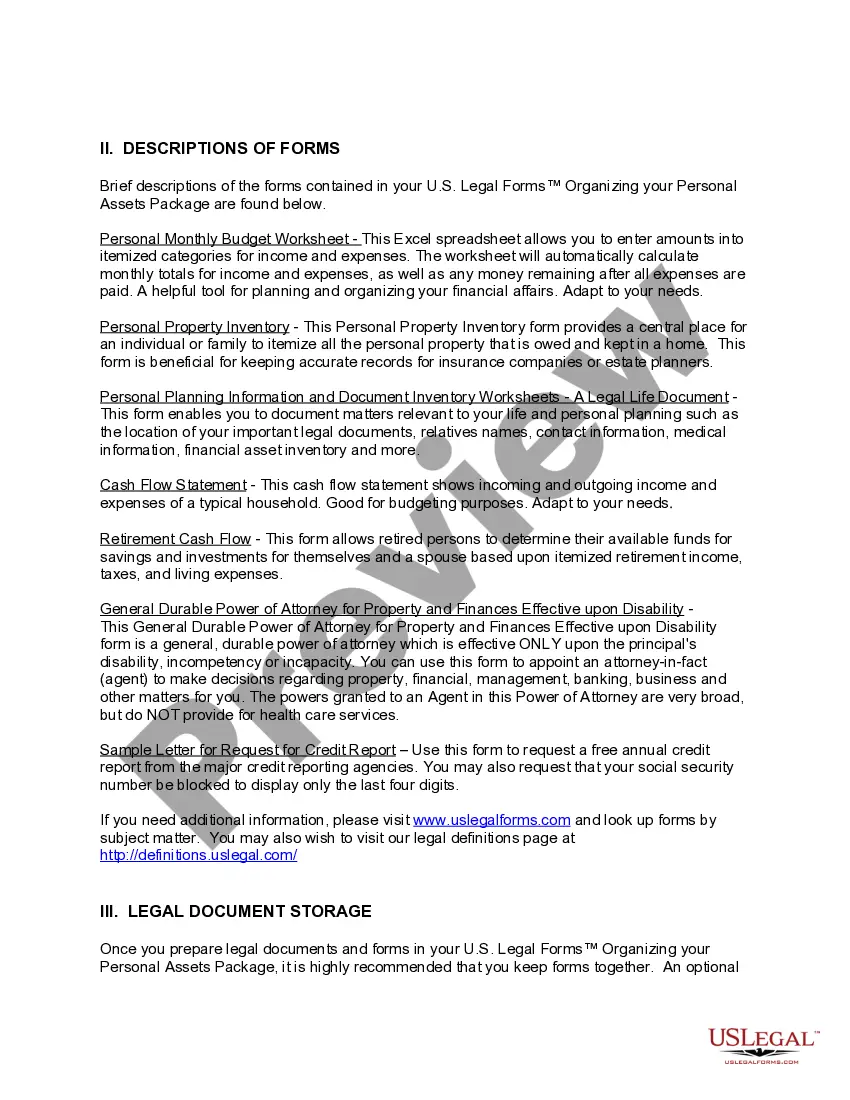
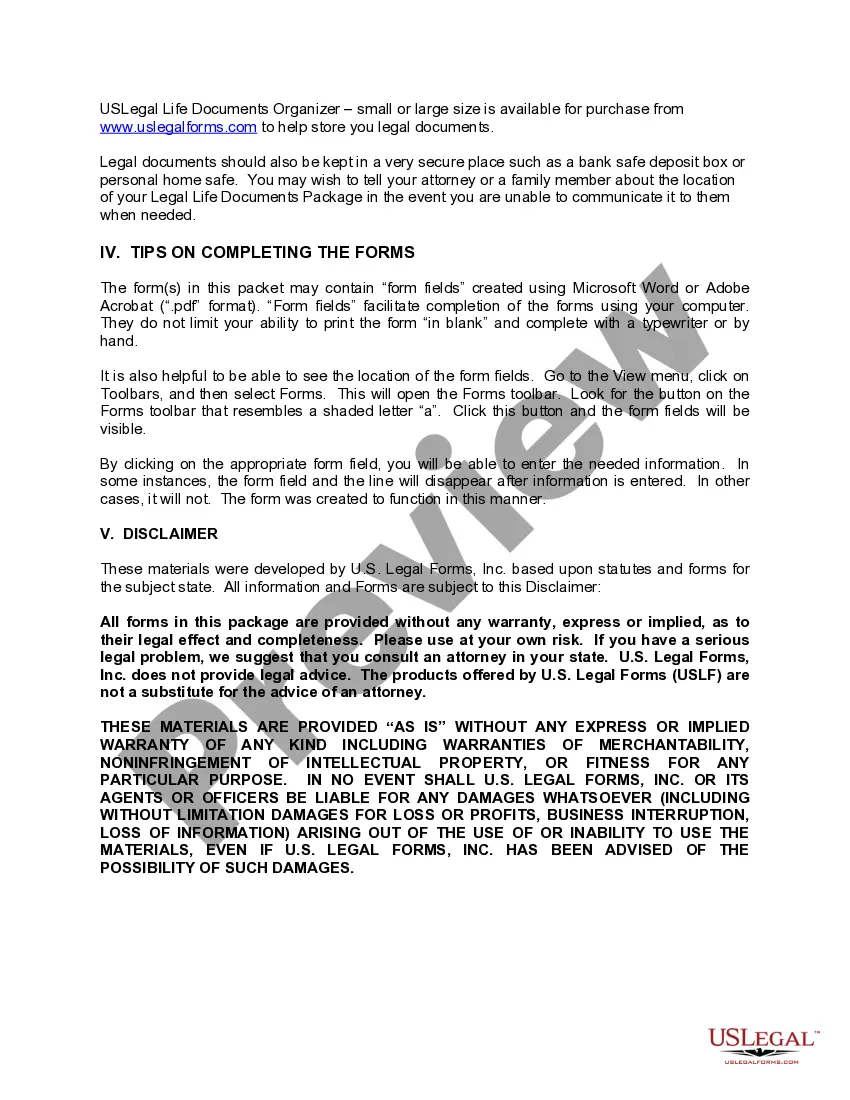
How to fill out Massachusetts Organizing Your Personal Assets Package?
It's well-known that you cannot instantly transform into a legal authority, nor can you rapidly learn how to draft the Nc Equitable Distribution Worksheet For Divorce without possessing a specialized background.
Developing legal documents is a lengthy process that necessitates specific education and expertise. Therefore, why not entrust the creation of the Nc Equitable Distribution Worksheet For Divorce to the professionals.
With US Legal Forms, one of the most comprehensive legal document repositories, you can discover everything from court papers to templates for internal business communication.
If you need a different template, start your search again.
Sign up for a free account and select a subscription plan to acquire the template. Click Buy now. After the payment is completed, you can access the Nc Equitable Distribution Worksheet For Divorce, fill it out, print it, and send or mail it to the appropriate parties or organizations.
- We understand the significance of compliance and adherence to federal and local laws and regulations.
- That's why, on our platform, all forms are location-specific and current.
- Begin by visiting our website and obtaining the form you need in just a few minutes.
- Use the search bar at the top of the page to find the document you require.
- Preview it (if this option is available) and read the supporting description to determine if the Nc Equitable Distribution Worksheet For Divorce is what you seek.
Form popularity
FAQ
You list all the assets, and debts (debts should be divided as well) acquired during the marriage. Then you figure out the net value of the asset or debt. Then you start dividing the assets or debts and watch the total at the bottom. One spouse can take 100% of the house, while the 401K is divided 60% / 40%.
The court considers many factors when deciding what is equitable, including the length of the marriage, the earning power of each spouse and the contributions each spouse made. For example, a spouse who contributed much more during the marriage might receive 60% of marital assets.
State laws dictate property distribution when a marriage is dissolved. North Carolina is an equitable distribution state, meaning that when spouses are unable to resolve property rights on their own, the court determines what is a fair and reasonable distribution.
The following are examples of Equitable Distributions: Spouses receive an equitable ownership interest in the marital home. Spouses receive an equitable division of assets accrued during the marriage. Ex-spouse receives cash payment each month for support.
North Carolina law presumes that an equal (50/50) division of marital property is ?equitable,? or fair. However, the law provides for many factors that allow for an unequal distribution of property, in situations where an equal division would not be fair.