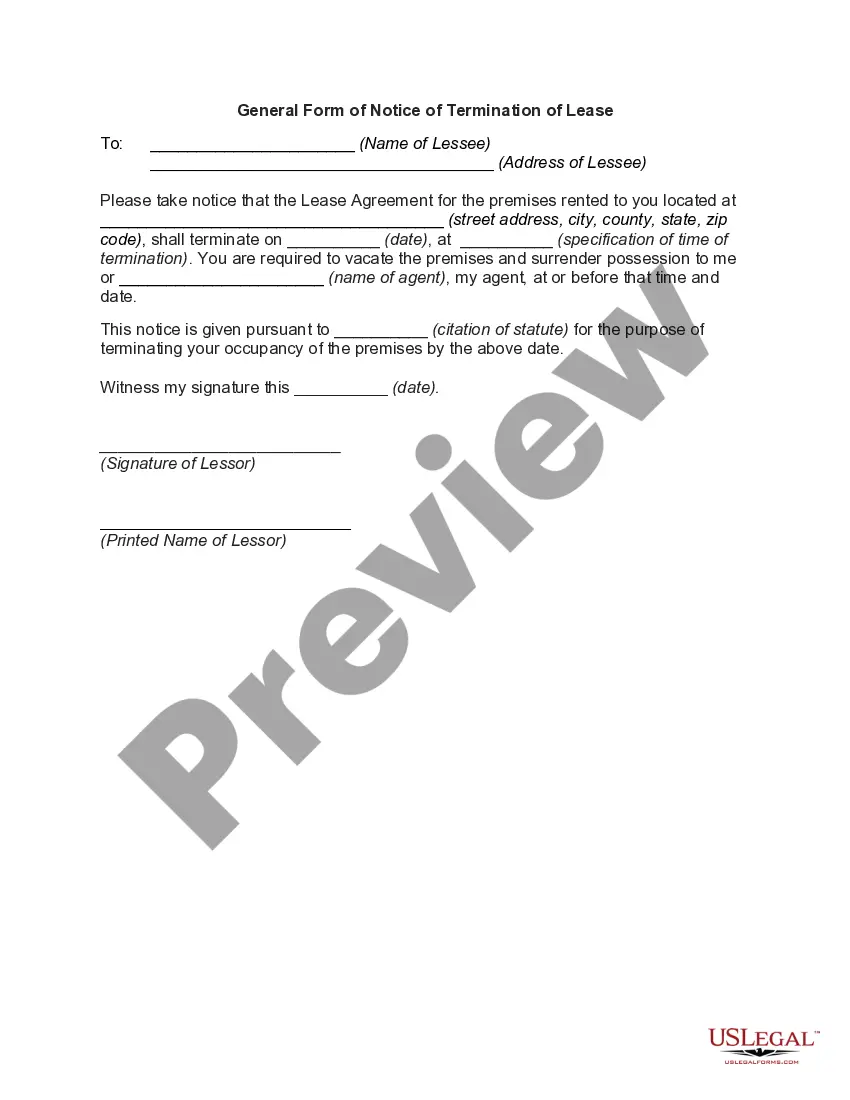
Notice To Quit In Massachusetts
Description


Get your form ready online
Our built-in tools help you complete, sign, share, and store your documents in one place.
Make edits, fill in missing information, and update formatting in US Legal Forms—just like you would in MS Word.
Download a copy, print it, send it by email, or mail it via USPS—whatever works best for your next step.
Sign and collect signatures with our SignNow integration. Send to multiple recipients, set reminders, and more. Go Premium to unlock E-Sign.
If this form requires notarization, complete it online through a secure video call—no need to meet a notary in person or wait for an appointment.
We protect your documents and personal data by following strict security and privacy standards.

Make edits, fill in missing information, and update formatting in US Legal Forms—just like you would in MS Word.

Download a copy, print it, send it by email, or mail it via USPS—whatever works best for your next step.

Sign and collect signatures with our SignNow integration. Send to multiple recipients, set reminders, and more. Go Premium to unlock E-Sign.

If this form requires notarization, complete it online through a secure video call—no need to meet a notary in person or wait for an appointment.

We protect your documents and personal data by following strict security and privacy standards.
Looking for another form?
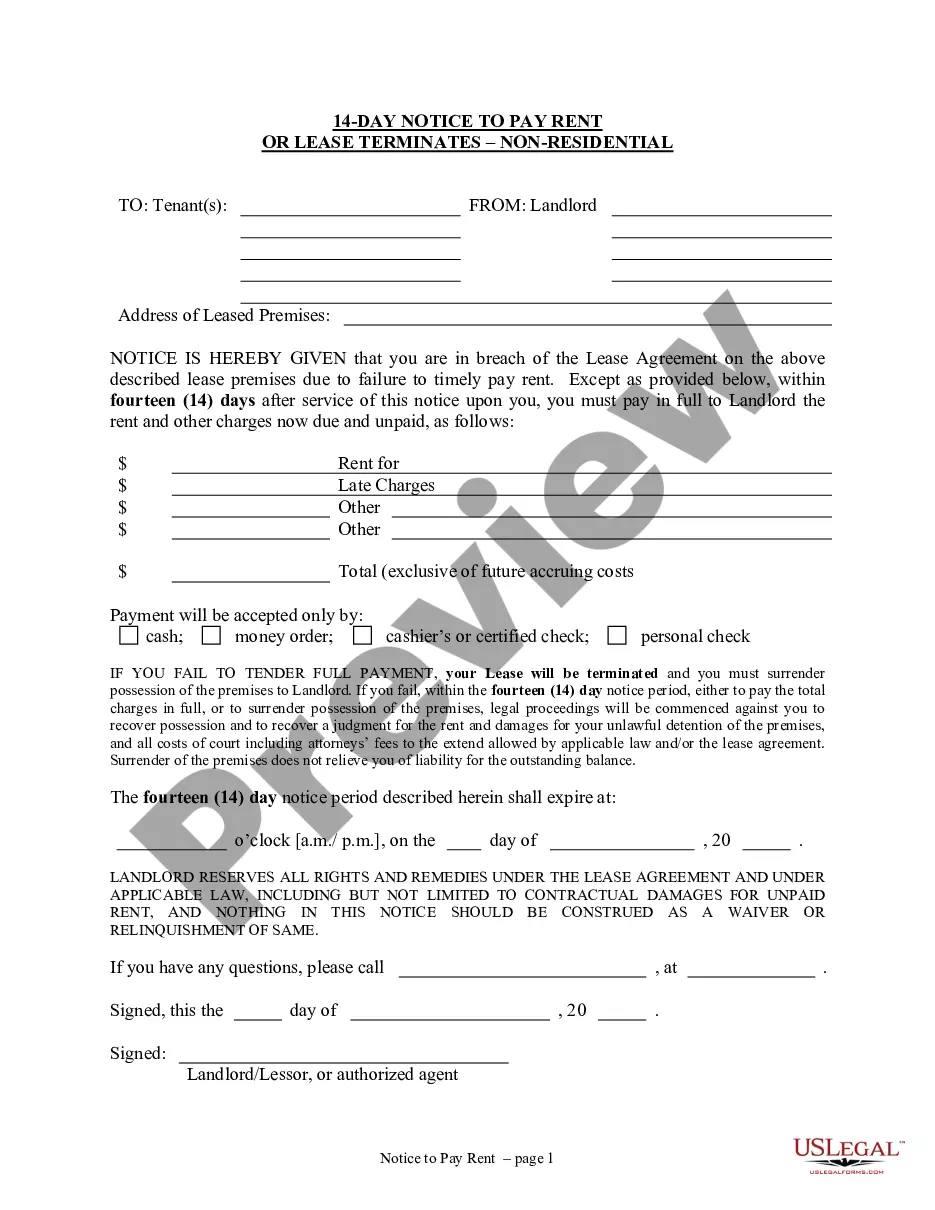
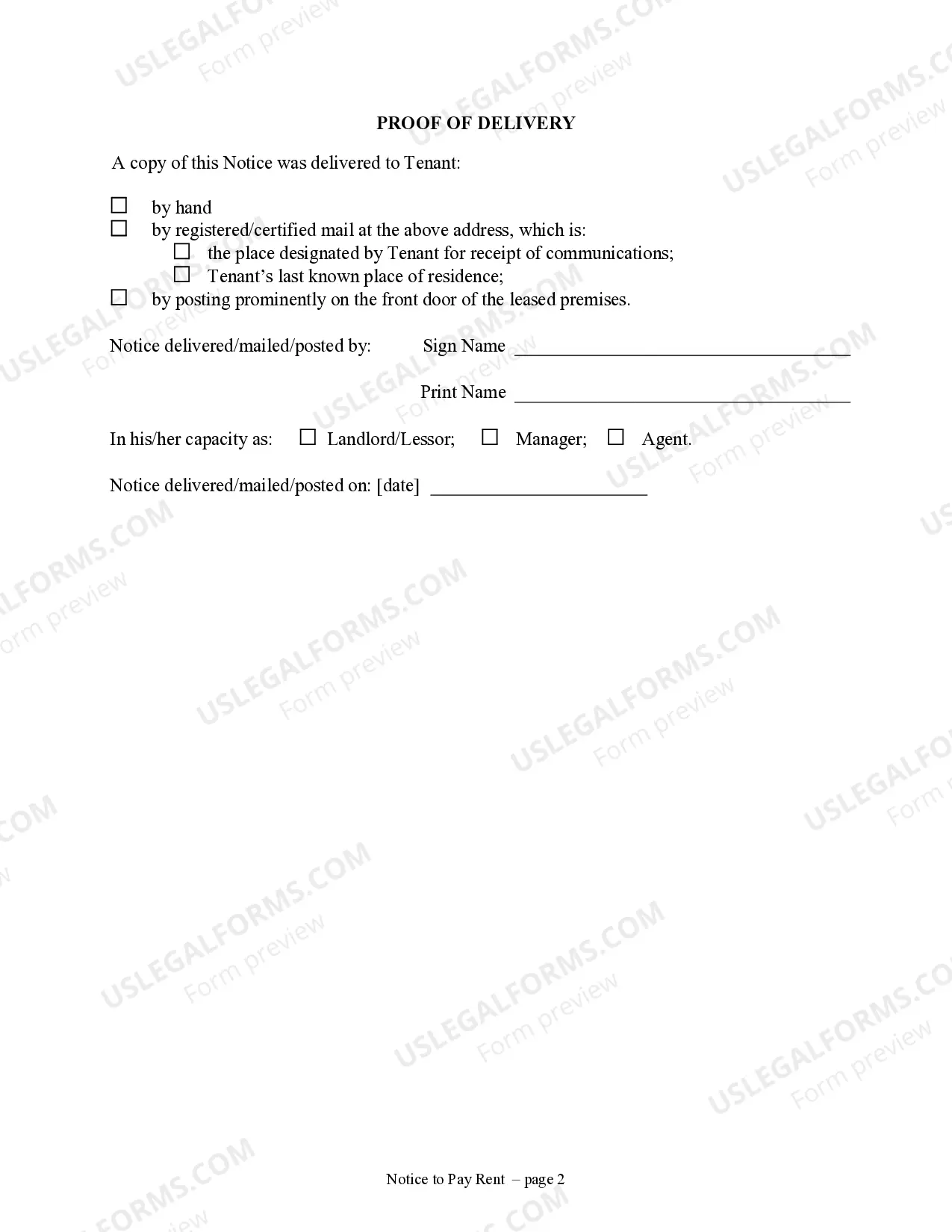
How to fill out Massachusetts 14 Day Notice To Pay Rent Or Lease Terminated For Nonresidential Or Commercial Property?
It’s widely understood that one cannot instantly become a legal expert, nor can you easily learn how to swiftly draft a Notice To Quit In Massachusetts without a specialized education.
Compiling legal documents is a lengthy process necessitating specific training and expertise.
So why not entrust the formulation of the Notice To Quit In Massachusetts to the professionals.
You can regain access to your forms from the My documents section at any time.
If you’re a current customer, you can just Log In and find and download the template from the same section.
- Find the document you require by utilizing the search box at the top of the page.
- Preview it (if this feature is available) and examine the accompanying description to see if Notice To Quit In Massachusetts is what you need.
- If you require a different template, you can begin your search anew.
- Create a free account and select a subscription plan to acquire the form.
- Select Buy now. Once the payment is finalized, you can download the Notice To Quit In Massachusetts, fill it out, print it, and send it or mail it to the necessary parties or organizations.
Form popularity
FAQ
Yes, a notice to quit is required in Massachusetts under certain circumstances. Landlords must provide this notice to inform tenants that they need to vacate the property, especially for issues like non-payment of rent or lease violations. This step is crucial as it not only sets the foundation for any potential legal action but also ensures that tenants are aware of their obligations. For effective preparation, consider using resources from uslegalforms, which can help you draft the necessary notice correctly.
An eviction notice and a notice to quit serve different purposes in the rental process. A notice to quit in Massachusetts is a formal document that informs a tenant of the landlord's intention to terminate the lease agreement, typically due to a violation or non-payment. Conversely, an eviction notice is a legal step taken after a tenant fails to comply with the notice to quit, initiating the court process to remove the tenant from the property. Understanding these differences can help both landlords and tenants navigate their rights and responsibilities.
A notice to quit in Massachusetts can be considered invalid if it lacks essential information or does not comply with state laws. For instance, failing to state the reason for eviction or not providing the correct notice period can lead to invalidation. Moreover, improper service of the notice, such as not delivering it to the tenant, renders it ineffective. Therefore, ensure your notice is thorough and legally compliant.
The requirements for a notice to quit in Massachusetts include a clear statement of termination and adherence to the appropriate notice period. Typically, for non-payment of rent, you must provide a 14-day notice. Additionally, ensure that the notice is properly served to the tenant through direct delivery or certified mail. Following these rules helps protect your rights as a landlord.
The quickest way to get someone out of your house involves issuing a notice to quit in Massachusetts. This legal document initiates the removal process and informs the tenant they must vacate the property. After serving the notice, continue with the eviction process if necessary, which may involve going to court. Be sure to follow all legal procedures carefully to avoid complications.
To serve a notice to quit in Massachusetts, you must deliver it to the tenant directly or leave it at the property. You can also send it via certified mail to ensure proper documentation. Make sure the notice clearly states the reason for termination and provides the required notice period, typically 14 days for non-payment of rent. Following these steps helps you comply with Massachusetts law regarding a notice to quit.
Dear Tenant, I hope this letter finds you well. I am writing to provide you with a formal notice to vacate the rental property within _ _ days from the date of this letter. Please be aware that this notice holds legal significance and requires you to surrender possession of the property.
If a tenant violates any terms from the lease agreement, the landlord has to issue a 7-Day Notice to Quit for at-will tenants paying rent weekly or daily. There is no clear indication on the notice period for tenants with written leases. Lease violations may include: Damage to the rental property.
Dear Tenant, I hope this letter finds you well. I am writing to provide you with a formal notice to vacate the rental property within _ _ days from the date of this letter. Please be aware that this notice holds legal significance and requires you to surrender possession of the property.
The tenant may retain their tenancy by paying rent at any point before their answer is due in court. 10/14-Day Notice to Quit for Non-Payment ? Suitable for at-will tenancies only, this notice provides tenants with ten (10) days to pay rent or fourteen (14) days to move out.