Grandparents Rights
Description
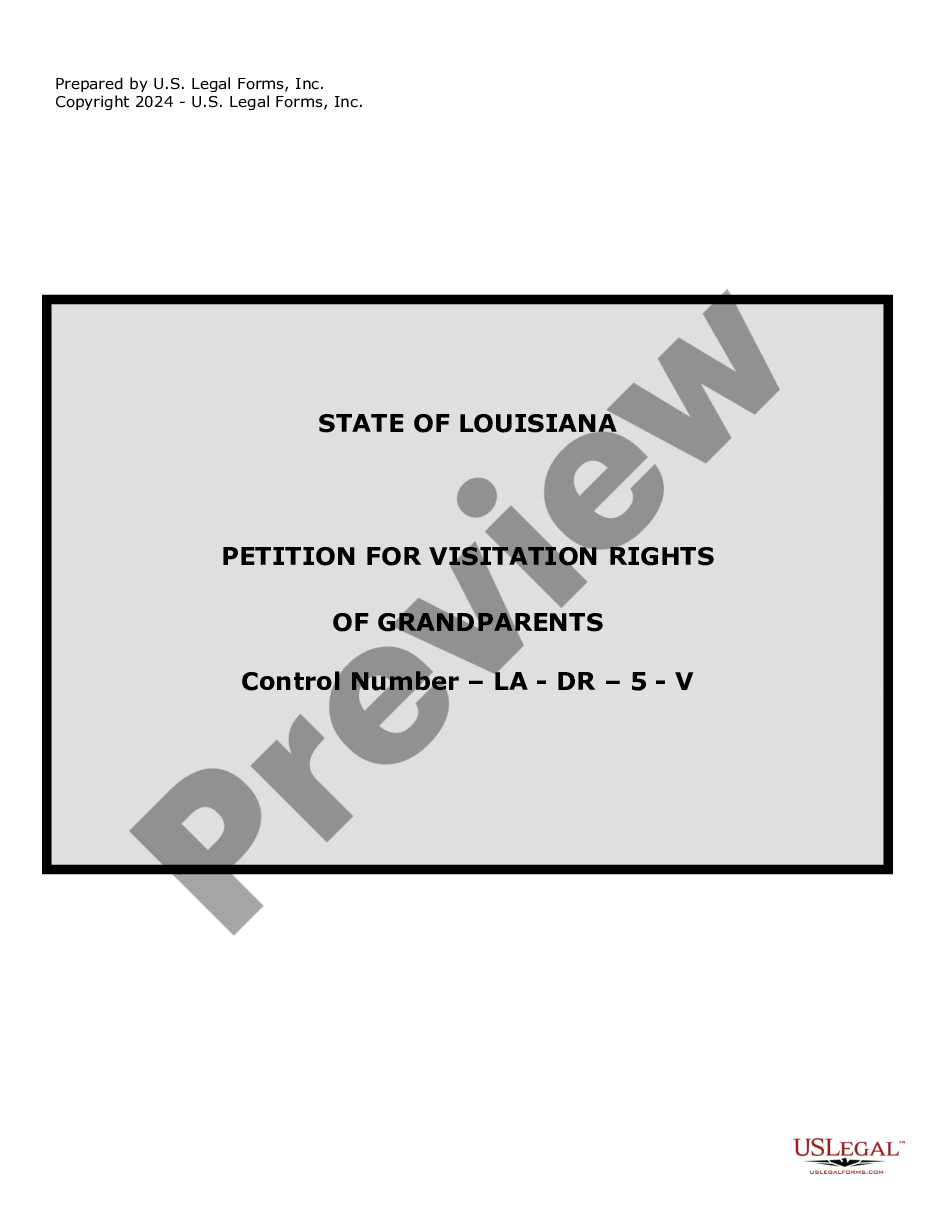
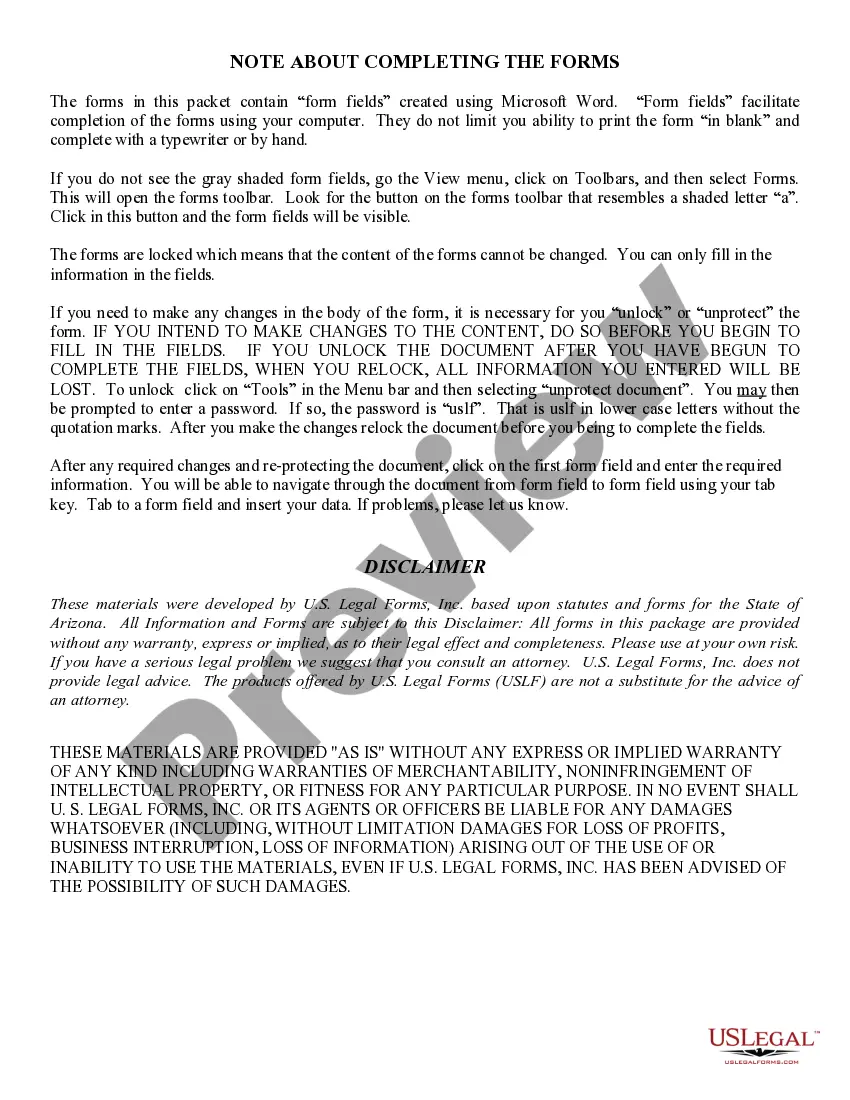
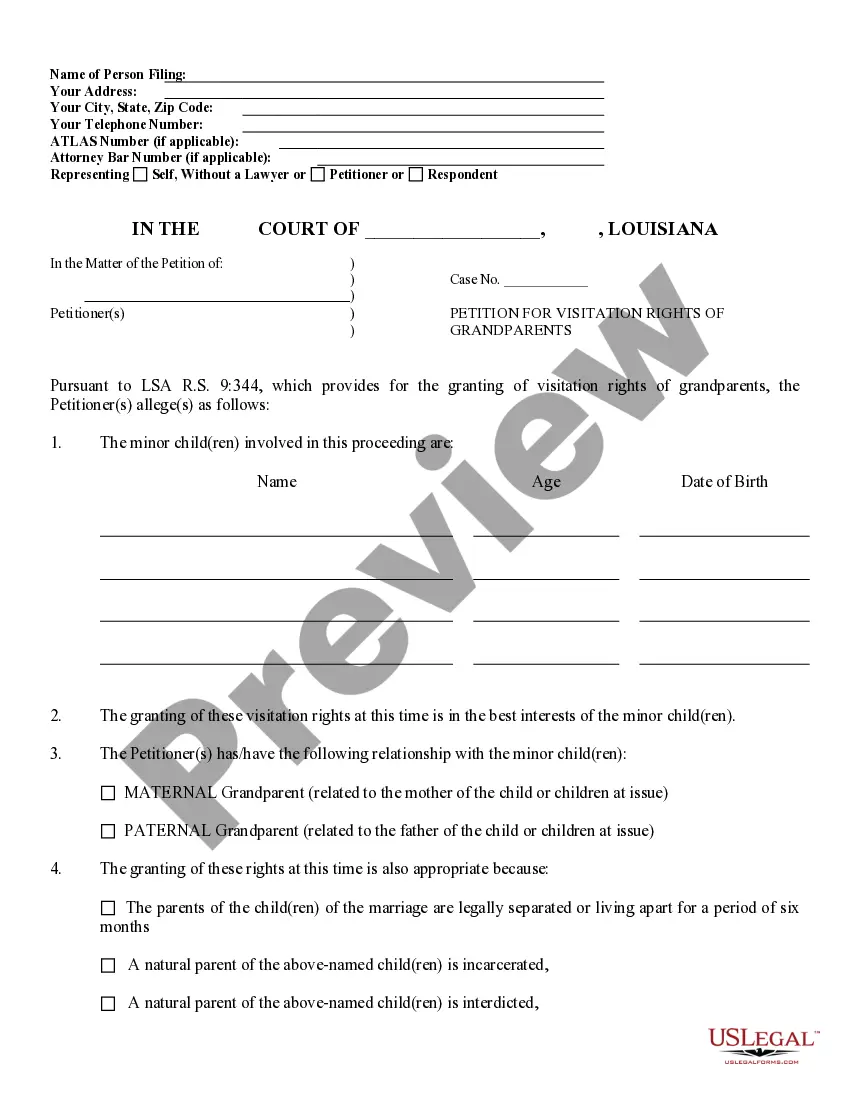
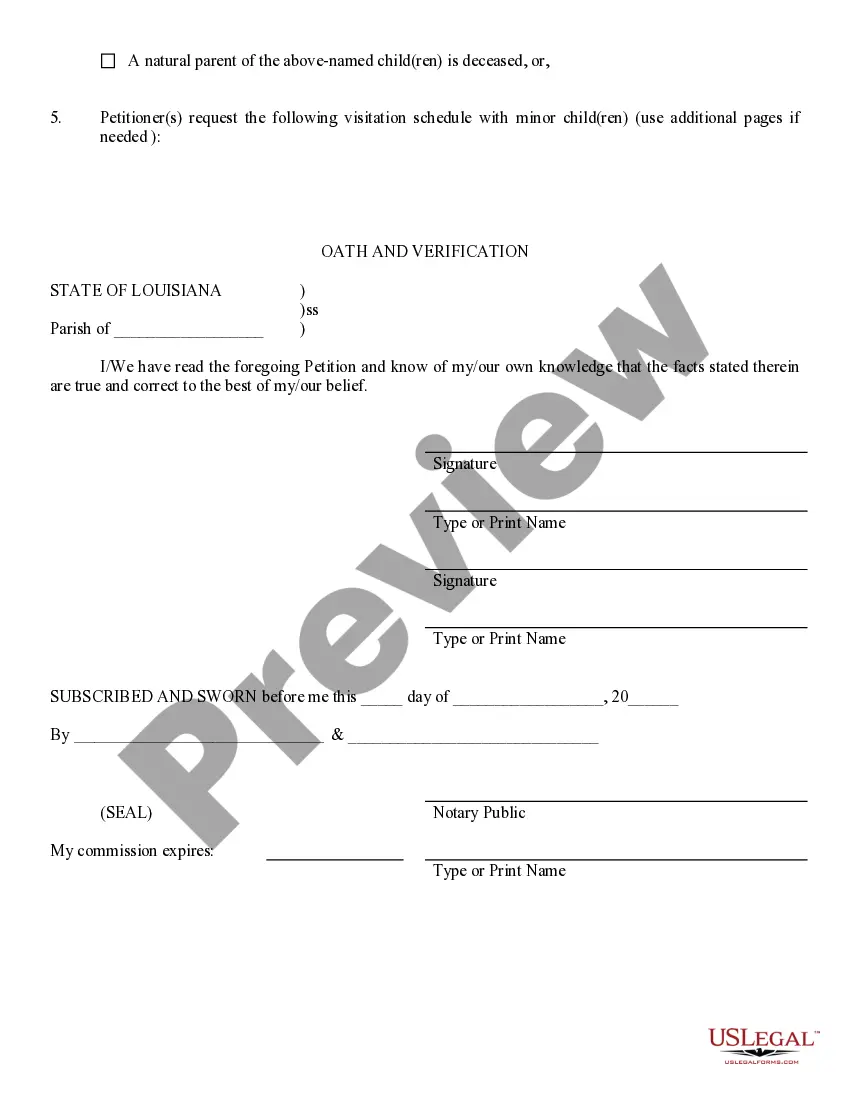
Get your form ready online
Our built-in tools help you complete, sign, share, and store your documents in one place.
Make edits, fill in missing information, and update formatting in US Legal Forms—just like you would in MS Word.
Download a copy, print it, send it by email, or mail it via USPS—whatever works best for your next step.
Sign and collect signatures with our SignNow integration. Send to multiple recipients, set reminders, and more. Go Premium to unlock E-Sign.
If this form requires notarization, complete it online through a secure video call—no need to meet a notary in person or wait for an appointment.
We protect your documents and personal data by following strict security and privacy standards.

Make edits, fill in missing information, and update formatting in US Legal Forms—just like you would in MS Word.

Download a copy, print it, send it by email, or mail it via USPS—whatever works best for your next step.

Sign and collect signatures with our SignNow integration. Send to multiple recipients, set reminders, and more. Go Premium to unlock E-Sign.

If this form requires notarization, complete it online through a secure video call—no need to meet a notary in person or wait for an appointment.

We protect your documents and personal data by following strict security and privacy standards.
Looking for another form?



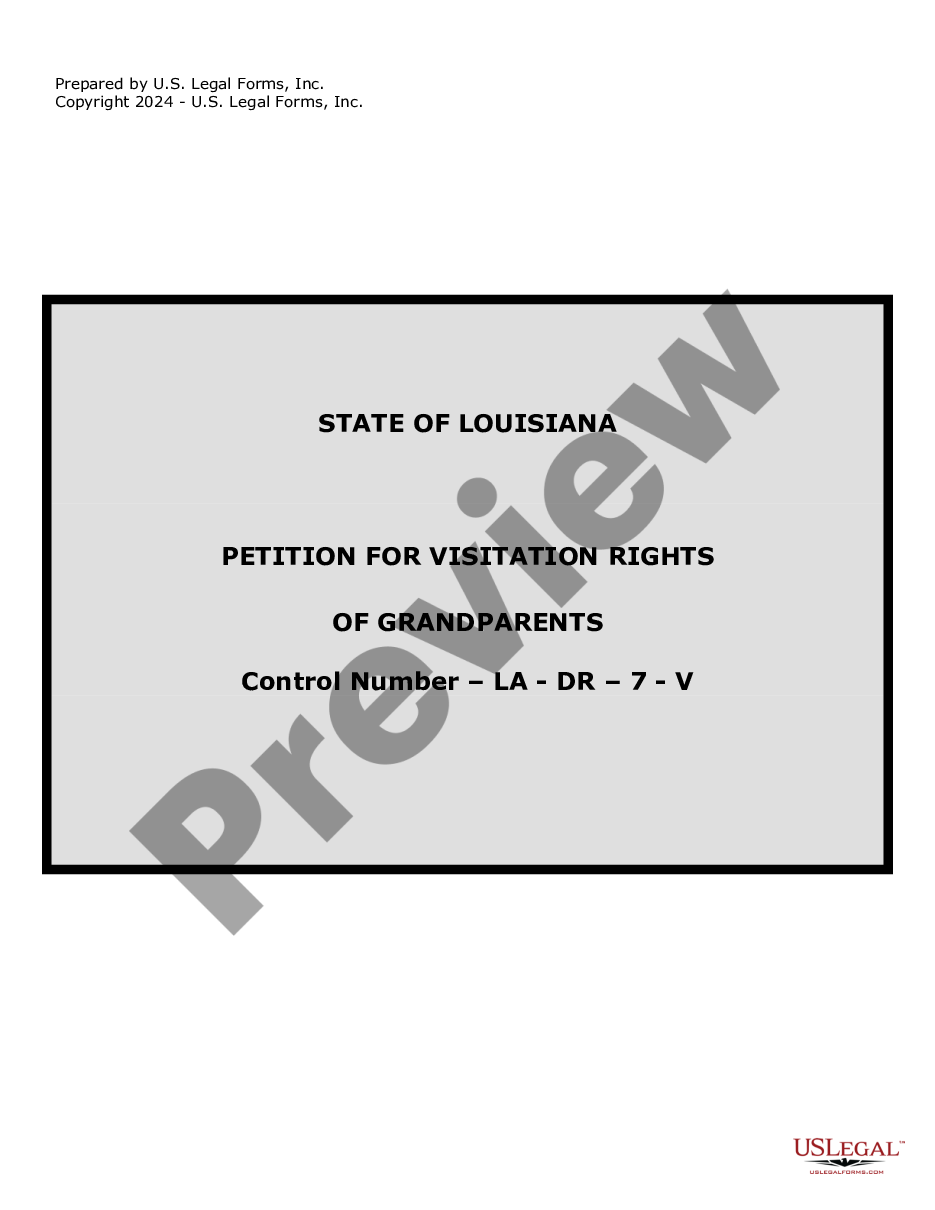
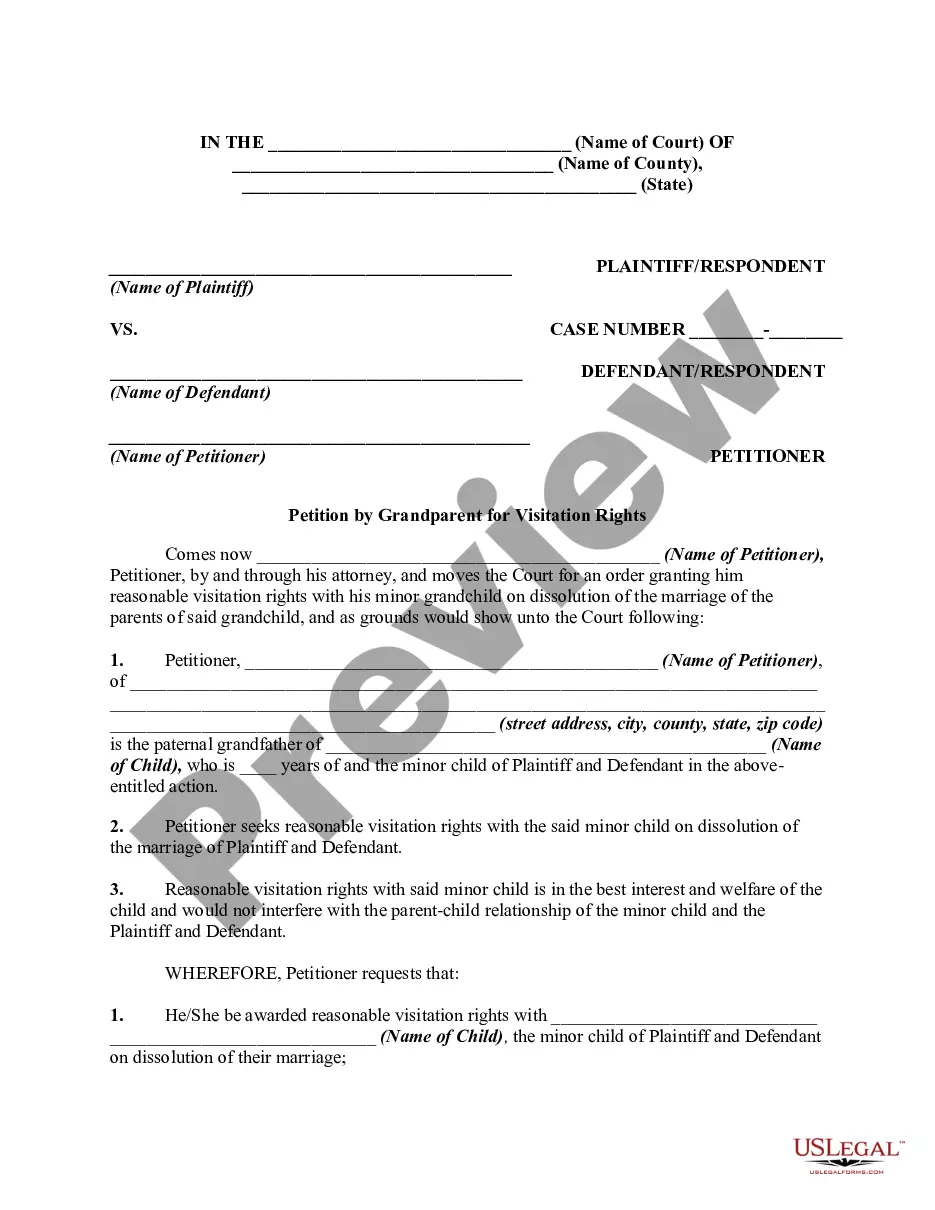
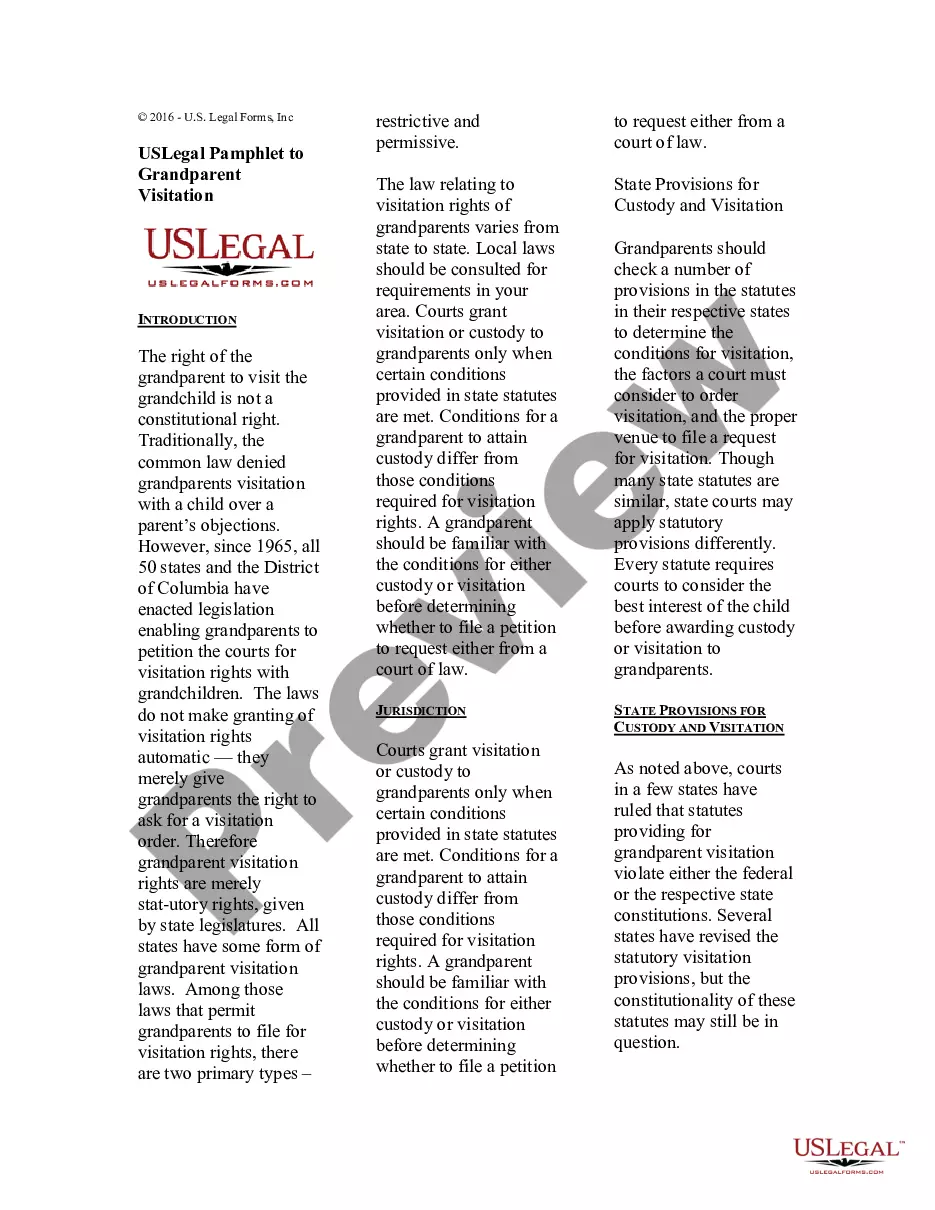
How to fill out Louisiana Petition For Visitation Rights Of Grandparents?
- If you are a returning user, log into your account and efficiently download the necessary form by clicking the Download button. Check your subscription status and renew if required.
- For first-time users, begin by previewing the form descriptions available on the site. Verify that you've selected the right form that aligns with your requirements and adheres to state regulations.
- Should you find the initial template unsuitable, utilize the Search tab to explore other options until you identify a form that meets your specific needs. Proceed to the next step once satisfied.
- Purchase the form by clicking the Buy Now button. Select the subscription plan that best fits your needs, ensuring to create an account to unlock full access to the library.
- Complete your purchase by entering your payment details. You can pay with a credit card or via PayPal.
- Finally, download your chosen form and store it on your device. You can also revisit it anytime in the My Forms section of your profile.
In conclusion, US Legal Forms provides a robust solution for individuals seeking to formalize their grandparents' rights. With a diverse library of over 85,000 editable legal documents, users can easily and confidently manage their legal needs.
Don’t wait—get started today and safeguard your rights!
Form popularity
FAQ
The difficulty in obtaining grandparents rights can vary greatly by state and individual circumstances. Factors such as the relationship with the grandchildren and the parents’ willingness to cooperate play significant roles. While the process can be challenging, it is often possible to achieve visitation rights with proper legal guidance. Exploring resources that detail the procedure can aid in your efforts.
Some states do not have specific laws regarding grandparents rights, which can limit grandparent visitation options. States like Alaska and South Dakota have minimal or no legal frameworks for grandparents seeking visitation. Always check your state's regulations to understand your standing. If you're uncertain, resources on platforms like US Legal Forms can provide clarity on your options.
In Pennsylvania, a parent can deny grandparent visitation unless it is legally established that visitation is in the child's best interest. Grandparents can file for visitation rights in court if they meet specific conditions. The court will then assess the situation based on various factors. Understanding the legal process can ensure your rights are protected.
Winning against grandparents rights typically involves demonstrating that visitation would not be in the child's best interest. You can present evidence showing the potential negative impact of such visitation. It's important to approach this situation thoughtfully, prioritizing the child's well-being. Consulting legal services can help you build a strong case.
Yes, California recognizes grandparents rights, allowing them to seek visitation in certain circumstances. If the child's parents are divorced, separated, or one parent has passed away, you may have grounds to request visitation. The court will ultimately decide based on the best interest of the child. It’s wise to consult with a legal expert to navigate the process.
If you find yourself unable to see your grandchildren, try to communicate openly with the parents to understand their concerns. It's vital to express your wish to be involved in your grandchildren's lives. If communication fails, consider seeking legal advice about grandparents rights in your state. Tools available on platforms like US Legal Forms can guide you in starting the process of seeking visitation.
Legally, a grandparent cannot refuse to return a child to their parents unless they have been granted custody or legal consent. If a grandparent is in possession of a child and faces a disagreement about visitation, it is essential to approach the situation carefully and seek legal advice. Understanding your position under grandparents rights can facilitate better communication and resolve disputes amicably.
The amount of visitation granted to grandparents largely hinges on the laws of the state in which they reside. Some states allow for generous visitation rights, while others enforce strict criteria that must be met to qualify for any visitation. Engaging with legal professionals can help you determine the visitation possibilities based on grandparents rights in your case.
As of now, a few states do not formally recognize grandparents' rights, which can complicate relationships in instances of parental estrangement. Notably, states such as New Hampshire and Vermont have seen limited legal frameworks concerning this issue. Knowing the specifics of your state’s legislation is crucial for grandparents looking to assert their rights.
Some states have limited or no specific laws regarding grandparents rights. States like Texas, Alaska, and others may impose stricter conditions that limit a grandparent's ability to pursue visitation or custody. Researching the laws in your state can provide clarity on what rights you may or may not have as a grandparent.