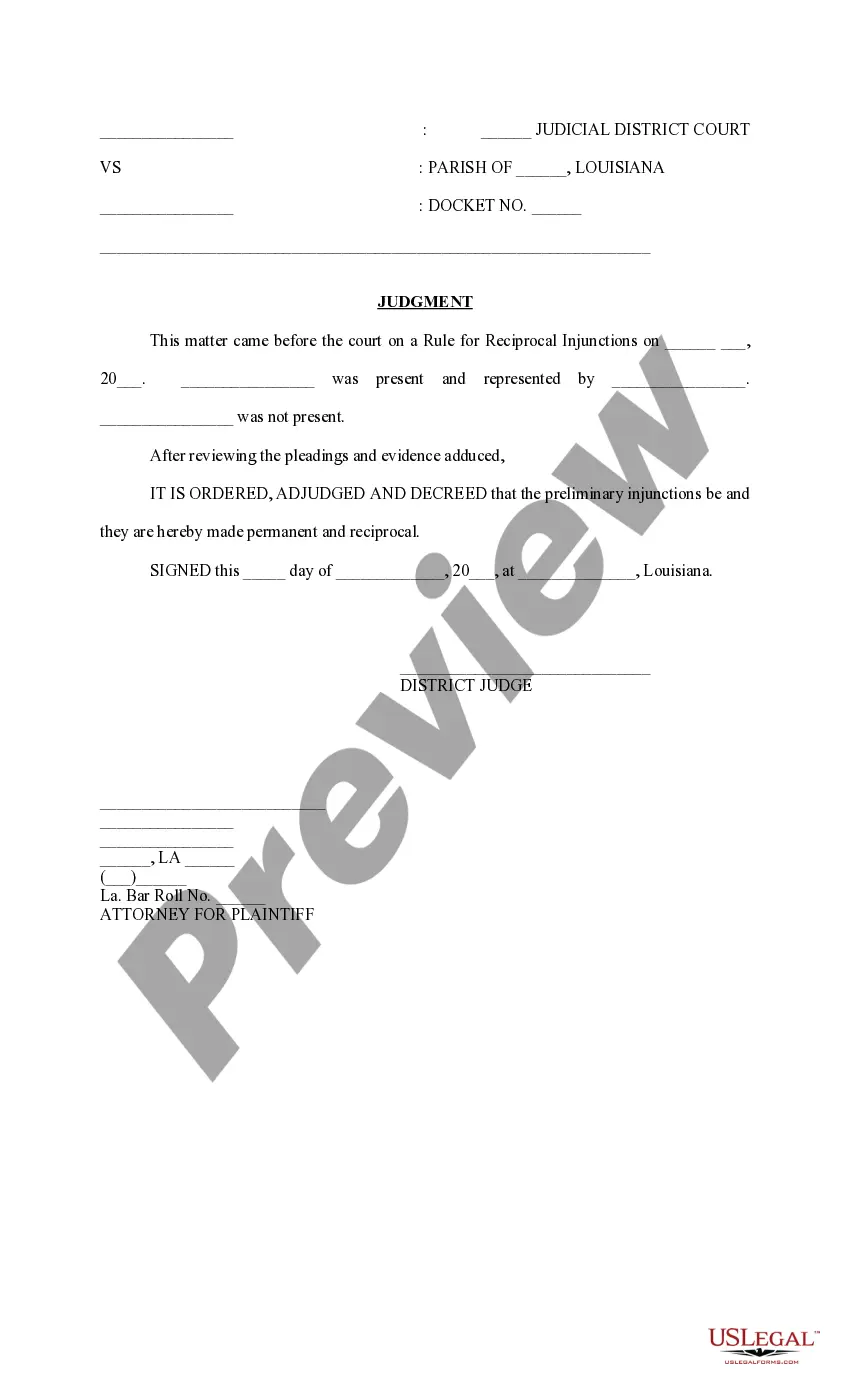
Injunction Without Possession
Description
Get your form ready online
Our built-in tools help you complete, sign, share, and store your documents in one place.
Make edits, fill in missing information, and update formatting in US Legal Forms—just like you would in MS Word.
Download a copy, print it, send it by email, or mail it via USPS—whatever works best for your next step.
Sign and collect signatures with our SignNow integration. Send to multiple recipients, set reminders, and more. Go Premium to unlock E-Sign.
If this form requires notarization, complete it online through a secure video call—no need to meet a notary in person or wait for an appointment.
We protect your documents and personal data by following strict security and privacy standards.

Make edits, fill in missing information, and update formatting in US Legal Forms—just like you would in MS Word.

Download a copy, print it, send it by email, or mail it via USPS—whatever works best for your next step.

Sign and collect signatures with our SignNow integration. Send to multiple recipients, set reminders, and more. Go Premium to unlock E-Sign.

If this form requires notarization, complete it online through a secure video call—no need to meet a notary in person or wait for an appointment.

We protect your documents and personal data by following strict security and privacy standards.
Looking for another form?
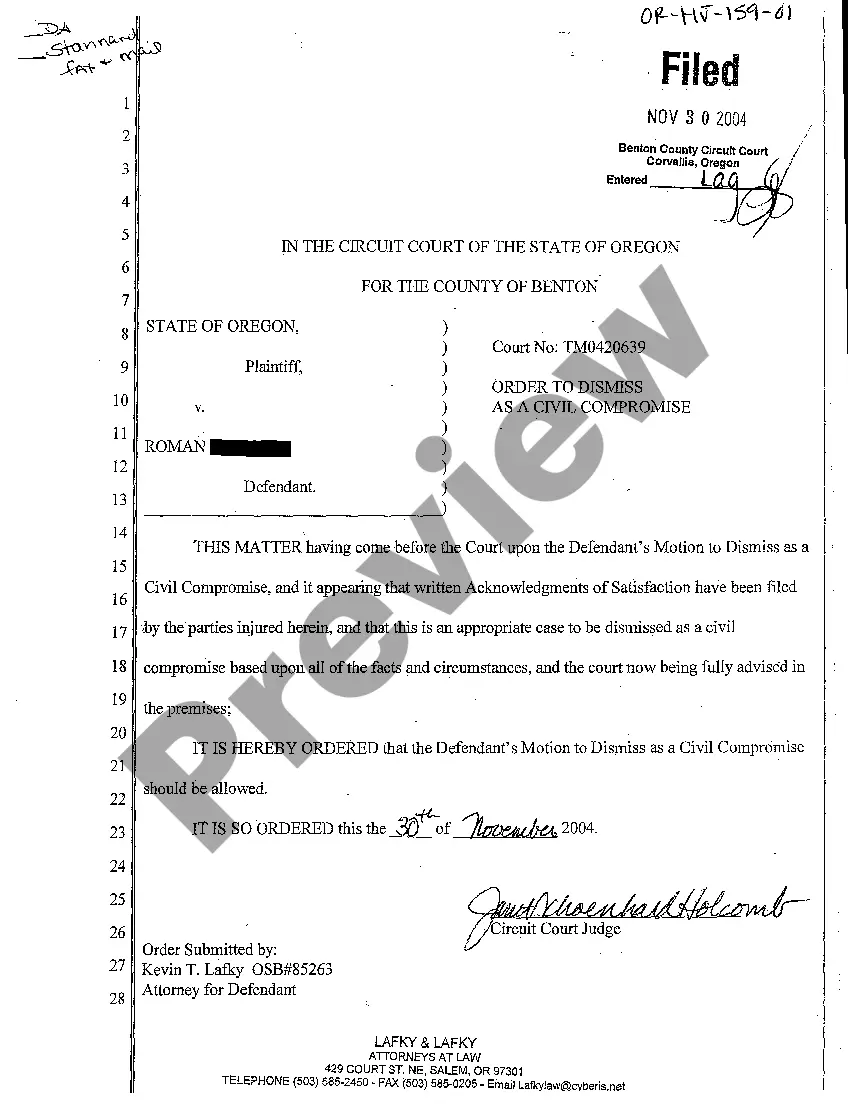
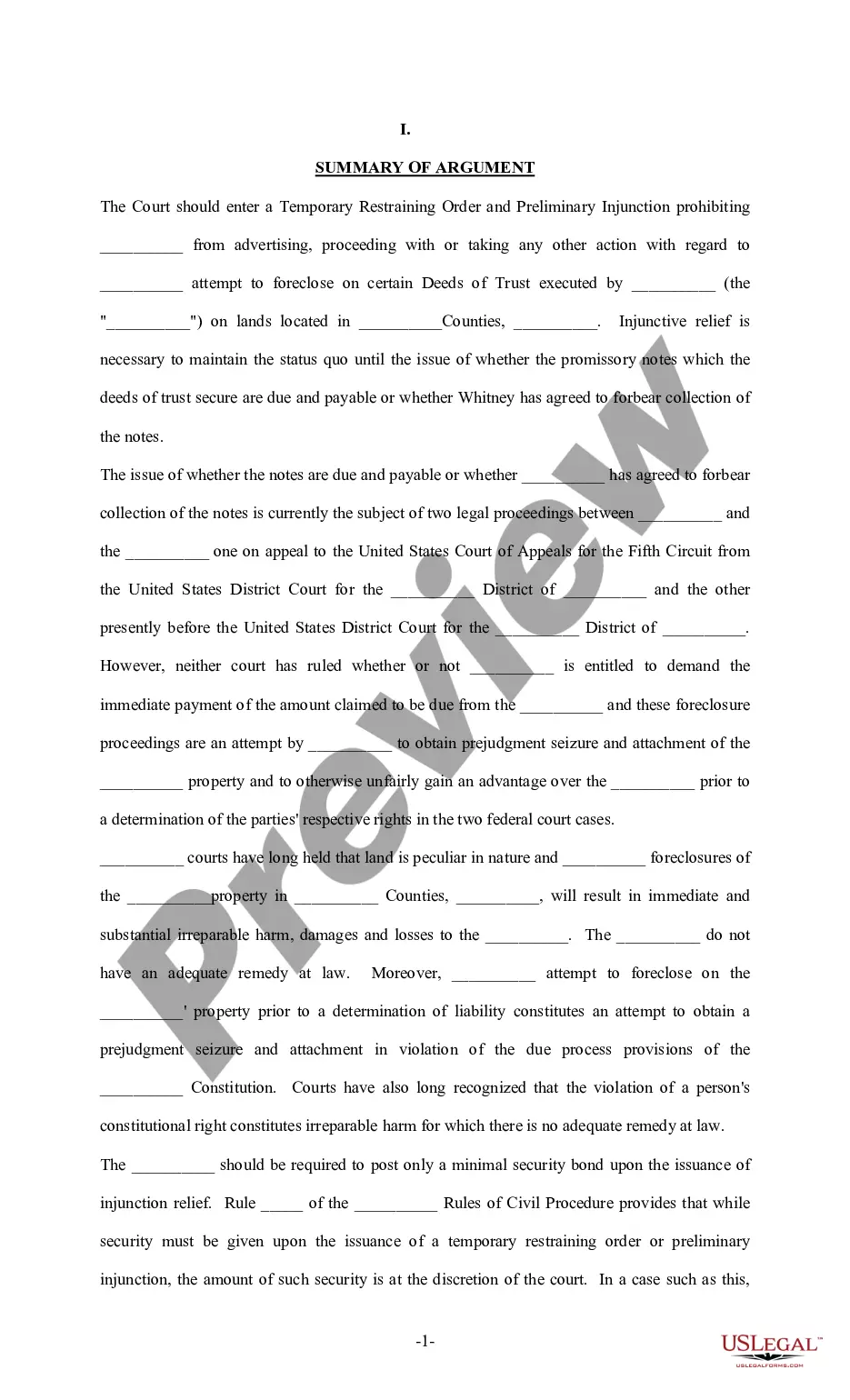
How to fill out Louisiana Judgment On Rule For Reciprocal Injunctions?
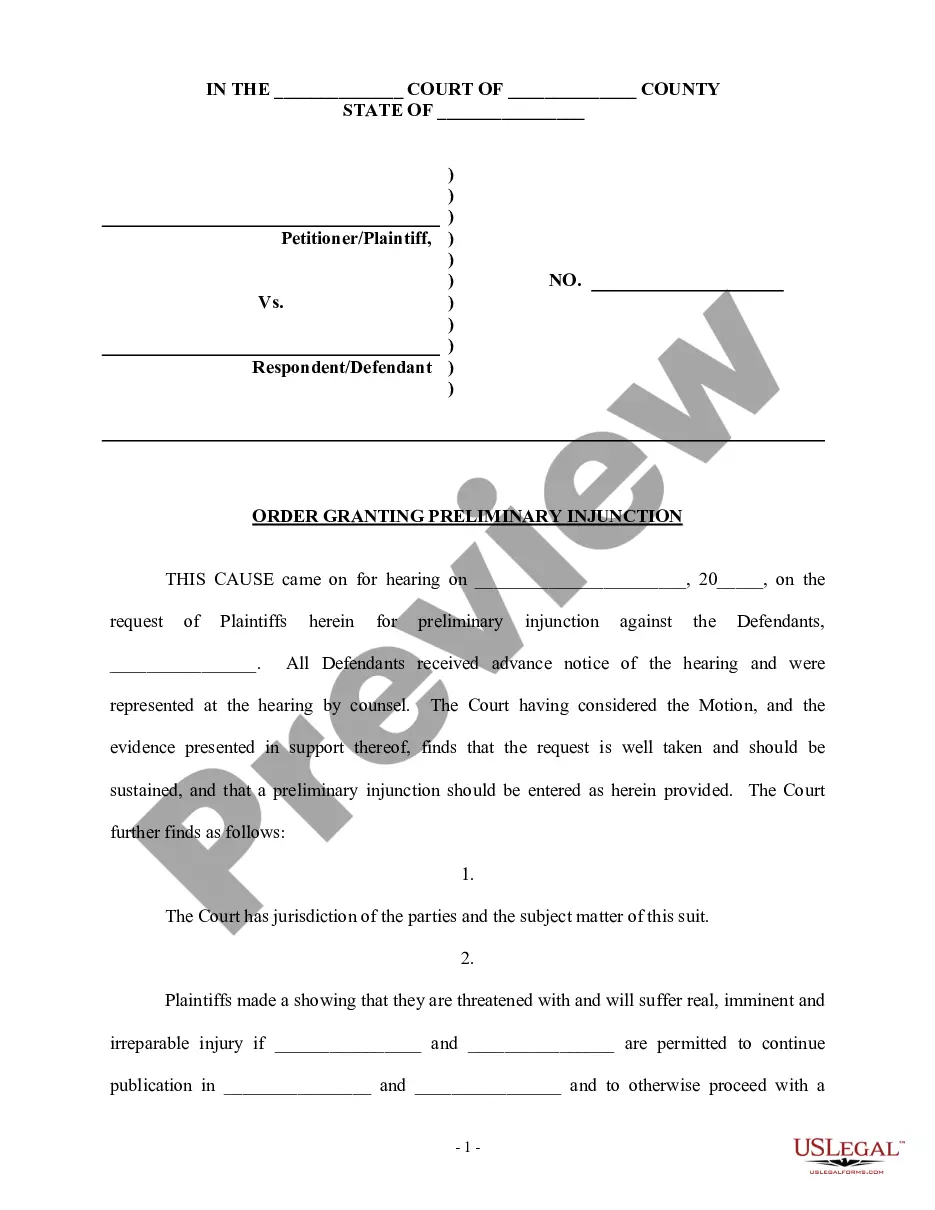
The Injunction Without Possession displayed on this page is a reusable official template created by qualified attorneys in accordance with federal and state regulations.
For over 25 years, US Legal Forms has supplied individuals, enterprises, and legal practitioners with more than 85,000 validated, state-specific documents for any business and personal circumstances. It’s the quickest, easiest, and most reliable method to acquire the documentation you require, as the service ensures bank-level data protection and anti-malware safeguards.
Select the format you prefer for your Injunction Without Possession (PDF, Word, RTF) and download the sample onto your device.
- Search for the document you require and examine it.
- Browse through the sample you looked for and preview it or review the form description to confirm it meets your needs. If it does not, utilize the search bar to find the appropriate one. Click Buy Now when you have located the template you need.
- Register and sign in.
- Choose the pricing plan that fits your needs and establish an account. Use PayPal or a credit card to complete a swift payment. If you already possess an account, Log In and review your subscription to proceed.
- Acquire the editable template.
Form popularity
FAQ
The three most common types of injunctions are temporary restraining orders, preliminary injunctions, and permanent injunctions. Each serves a different purpose in legal proceedings, often addressing urgent situations. Familiarizing yourself with these types can help you navigate the legal landscape when seeking an injunction without possession.
The four factors for granting an injunction include the likelihood of success on the merits, the potential for irreparable harm, the balance of hardships, and the public interest. Each factor plays a vital role in persuading a court to issue an injunction without possession. A clear understanding of these factors can significantly strengthen your case.
To obtain an injunction, you must establish specific grounds such as irreparable harm, likelihood of success on the merits, and the balance of equities favoring your request. These factors help a court determine whether to grant an injunction without possession. It's crucial to build a compelling case to meet these legal standards.
The three main types of injunctions are prohibitory, mandatory, and temporary injunctions. Prohibitory injunctions prevent a party from taking specific actions, while mandatory injunctions require a party to take certain actions. Temporary injunctions provide immediate relief until a more permanent solution is determined, often relevant in cases involving an injunction without possession.
There are several different kinds of injunctions, including temporary, preliminary, and permanent injunctions. Each type serves a unique purpose and can be issued at various stages of a legal proceeding. Understanding these differences is crucial, especially when seeking an injunction without possession.
Rule 3 of the injunction typically refers to the procedural requirements for filing an injunction. It outlines how a party can seek an injunction without possession of property involved in the case. This rule emphasizes the importance of presenting a strong legal argument to justify the need for an injunction without possession.
An injunction without possession cannot be granted if the request lacks sufficient legal grounds or fails to show irreparable harm. Additionally, if there are alternative remedies available that are adequate to address the situation, the court may deny the request. Understanding these limitations is crucial when considering legal action.
Yes, an injunction can be granted without possession. The key factor is whether there is a legitimate legal claim that needs protection, regardless of physical possession. Courts often prioritize safeguarding rights and preventing harm over the issue of possession.
The standard of proof for an injunction without possession is typically 'clear and convincing evidence.' This means you must present a strong case that supports your claims and demonstrates the necessity of the injunction. Meeting this standard is essential for persuading the court to grant your request.
Yes, a permanent injunction can be granted without possession if the court finds that your rights are being violated and that monetary damages are insufficient. The focus is on the need for ongoing protection rather than possession of property. This legal remedy serves to prevent future harm and safeguard your interests.