Appellate
Description
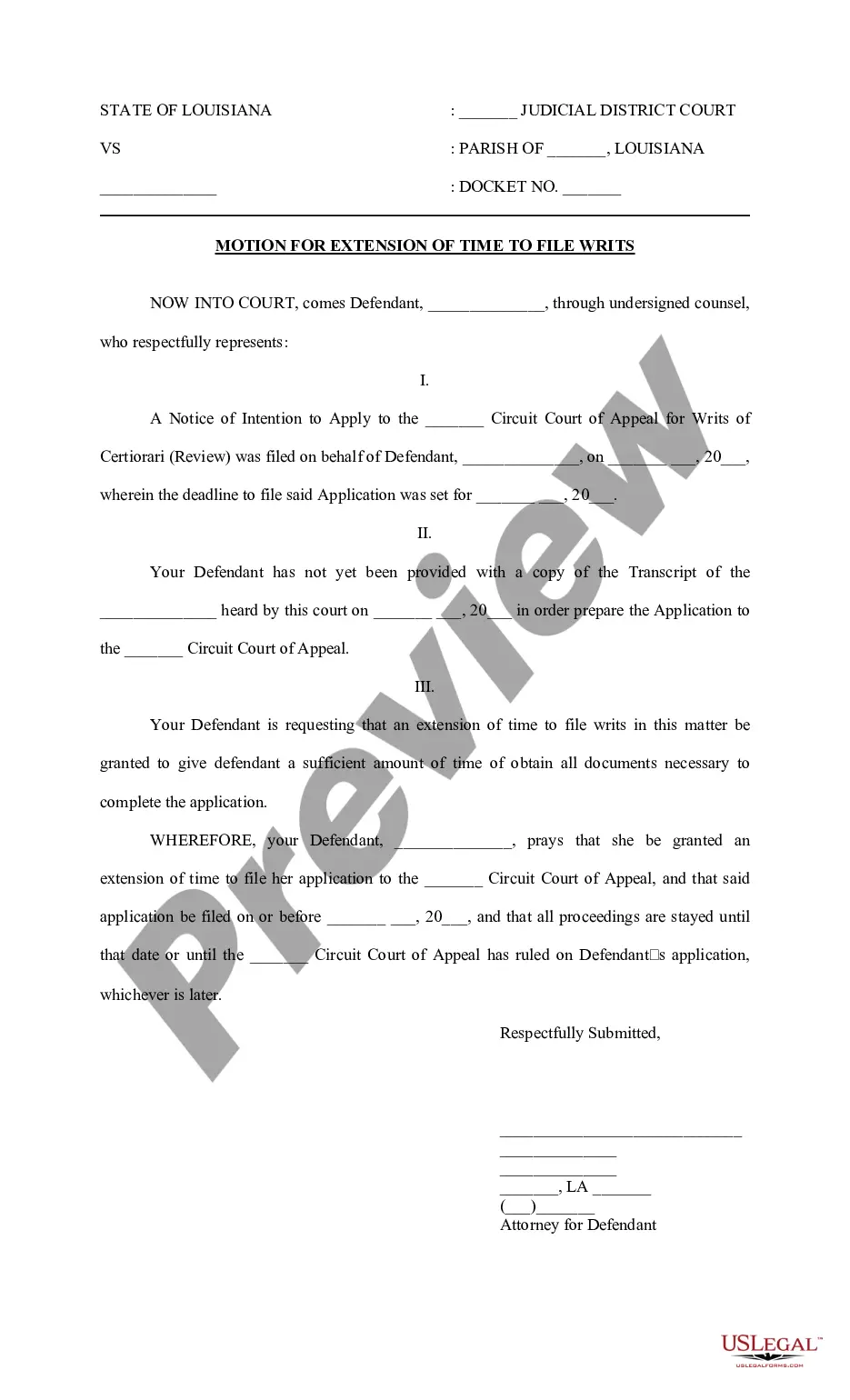
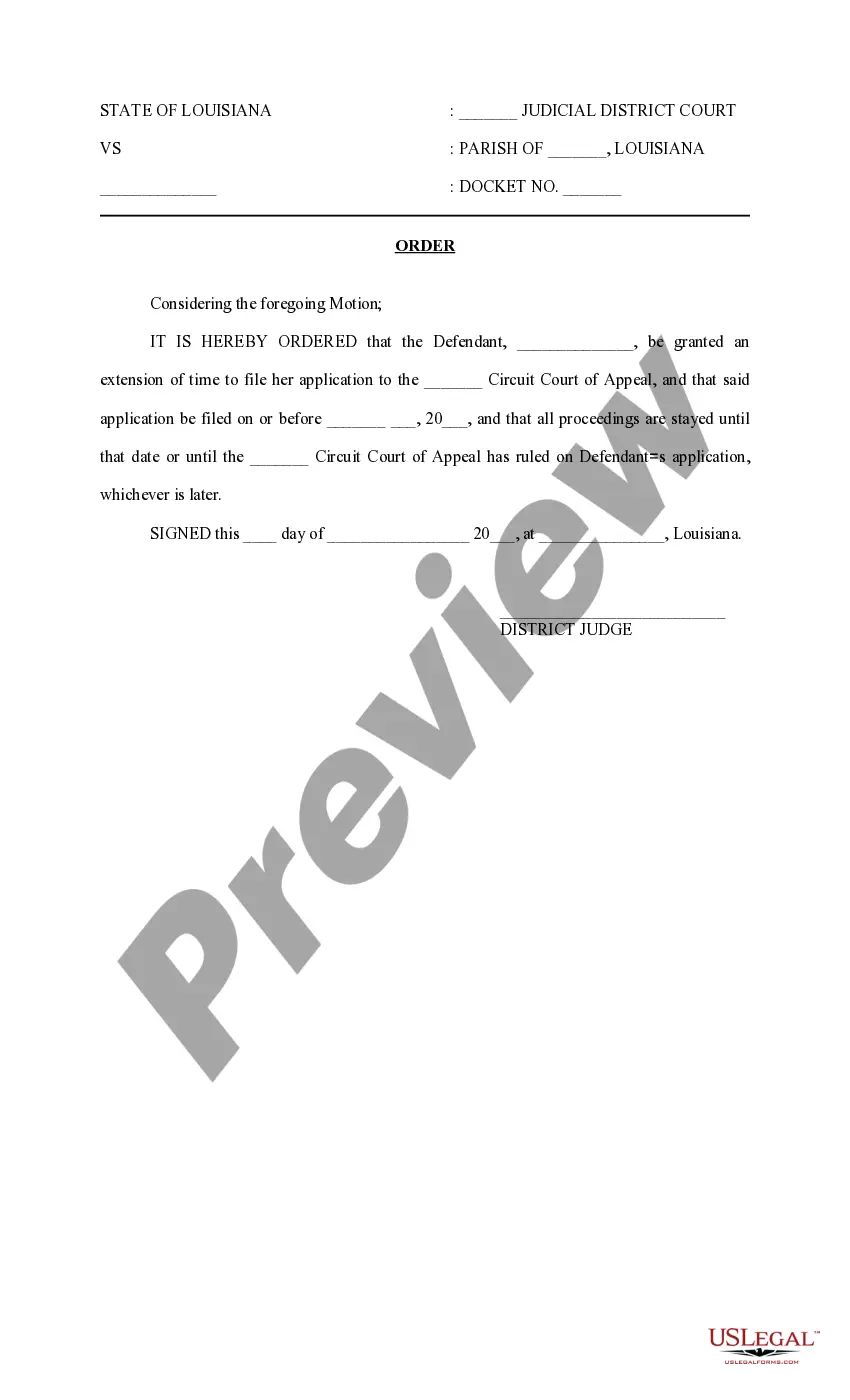
Get your form ready online
Our built-in tools help you complete, sign, share, and store your documents in one place.
Make edits, fill in missing information, and update formatting in US Legal Forms—just like you would in MS Word.
Download a copy, print it, send it by email, or mail it via USPS—whatever works best for your next step.
Sign and collect signatures with our SignNow integration. Send to multiple recipients, set reminders, and more. Go Premium to unlock E-Sign.
If this form requires notarization, complete it online through a secure video call—no need to meet a notary in person or wait for an appointment.
We protect your documents and personal data by following strict security and privacy standards.

Make edits, fill in missing information, and update formatting in US Legal Forms—just like you would in MS Word.

Download a copy, print it, send it by email, or mail it via USPS—whatever works best for your next step.

Sign and collect signatures with our SignNow integration. Send to multiple recipients, set reminders, and more. Go Premium to unlock E-Sign.

If this form requires notarization, complete it online through a secure video call—no need to meet a notary in person or wait for an appointment.

We protect your documents and personal data by following strict security and privacy standards.
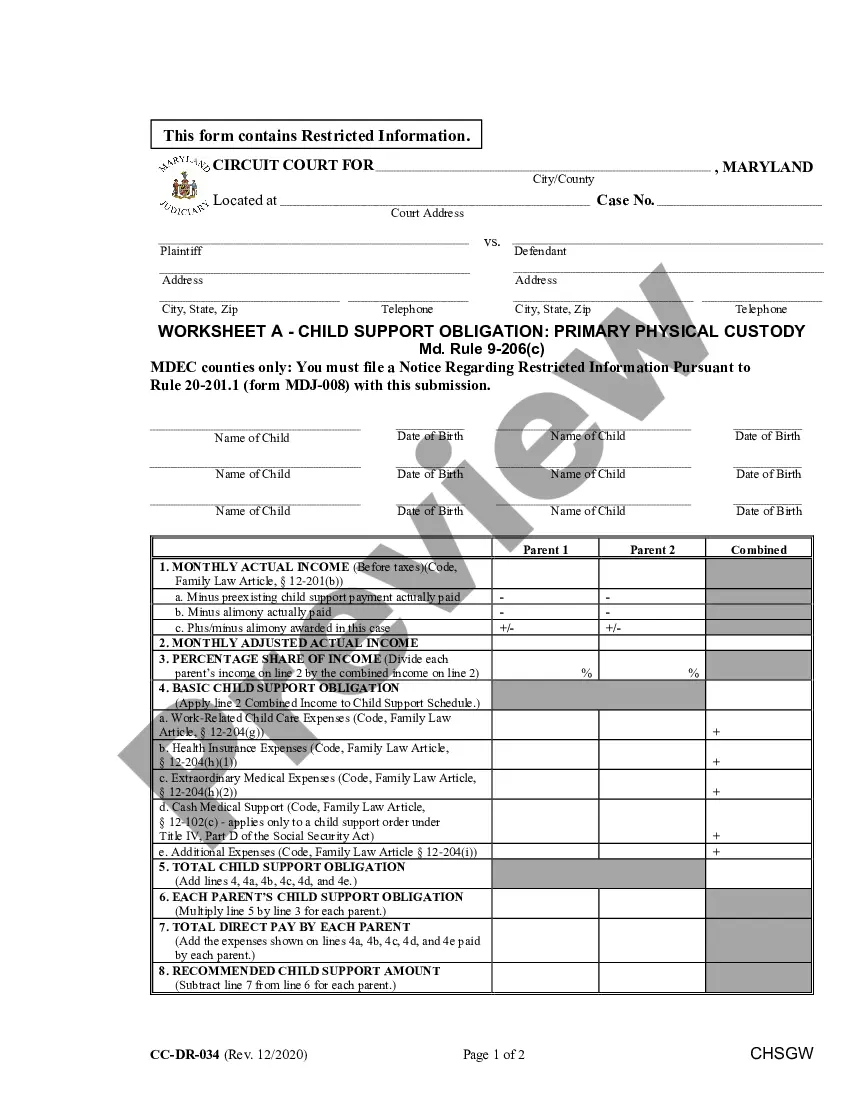
Looking for another form?

How to fill out Louisiana Motion For Extension Of Time To File Writs?
- If you are a returning user, log in to your account to download your desired form template by clicking the Download button. Ensure your subscription is active; if not, proceed to renew it.
- For first-time users, begin by checking the Preview mode and the form description. Make sure the selected template matches your needs and complies with local jurisdiction requirements.
- If necessary, utilize the Search tab above to find alternative templates. Once you locate the correct one, continue to the next step.
- Click on the Buy Now button to purchase the document. Choose your preferred subscription plan and register for an account to access the full library of resources.
- Complete your purchase by entering your payment details, either through a credit card or PayPal.
- After the purchase, download your form and save it to your device. You can also access it anytime from the My Forms section of your profile.
By following these simple steps, you can ensure you have the legal forms necessary for a successful appellate process. US Legal Forms not only offers a robust collection of documents but also the expertise to assist you in making your filings accurate and effective.
Take the first step towards simplifying your legal journey today by visiting US Legal Forms.
Form popularity
FAQ
To write an appeal format, you need to follow a structured outline that includes essential elements such as the case title, parties involved, and a table of contents. Clearly delineate your arguments, ensuring that each section flows logically to guide the reader through your reasoning. Always remember to cite statutes and precedents to reinforce your points. Accessing templates on the US Legal Forms platform can help you adhere to the correct appeal format effortlessly.
Writing an appellate opinion involves analyzing the legal issues presented during the case and articulating the rationale behind the court's decision. Start with a summary of the case, outline the relevant legal standards, and discuss the application of these standards to the facts of the case. Conclude with the court's ruling and any implications. For guidance, the US Legal Forms platform provides resources that simplify the opinion-writing process.
Filing an appeal involves several steps, including determining the jurisdiction and gathering the necessary documentation. You will need to file a notice of appeal, prepare the record on appeal, and submit your appellate brief. Additionally, it's essential to adhere to all filing deadlines to ensure your case is heard. The US Legal Forms platform can guide you through these steps with checklists and templates to make the process more efficient.
Writing an appellate requires a clear understanding of the issues and the ability to present them coherently. Start by outlining your main arguments and supporting them with appropriate laws and precedents. Your writing should be straightforward, and use the correct format and citations. Utilizing the US Legal Forms platform can simplify the writing process by providing easy access to necessary templates and examples.
A good appellate brief clearly communicates your arguments and addresses the key legal issues relevant to your case. It should be well-organized, concise, and cite relevant precedents to support your position. Additionally, a good brief avoids unnecessary jargon while being persuasive and to the point. The US Legal Forms platform offers essential tools and templates that can help you draft an effective appellate brief.
You can make an appeal on various grounds, such as errors in legal procedures, misinterpretation of law, or findings that lack sufficient evidence. It's essential to identify specific factual or legal issues that demonstrate how the lower court's decision was flawed. This can help strengthen your case in the appellate court. Consulting resources on the US Legal Forms platform can provide you with insights into valid grounds for appealing your case.
To write an appellate brief, start by researching the case laws relevant to your appeal. Next, structure your brief with a clear introduction, a statement of the issues, and a concise argument section. You should include a conclusion that summarizes your key points and the relief you seek. Use the US Legal Forms platform to access templates and more specific guidelines tailored to your needs.
An appellate court is a specialized judicial body that hears cases appealed from lower courts. This court primarily focuses on reviewing legal issues and ensuring that the law was correctly applied in earlier rulings. Appellate courts do not conduct new trials; instead, they analyze the existing case record and legal arguments. If you're considering an appeal, understanding the role of the appellate court is vital to achieving a favorable resolution.
In law, appellate pertains to a higher court's ability to review and change the outcomes of lower court decisions. The appellate system provides an essential check on the judicial process, ensuring that all legal rights are upheld. By appealing a case, you seek a fresh perspective from the appellate court, which can lead to a fairer outcome. It's crucial to recognize your rights within the appellate framework to safeguard your interests.
The term appellate refers to the process of reviewing decisions made by lower courts. When a case is appealed, it undergoes a thorough examination to ensure that the law was applied correctly. This process allows higher courts to affirm, deny, or revise decisions made in earlier proceedings. Understanding the appellate process can empower you to navigate legal challenges effectively.