Joint Custody For Grandparents
Description
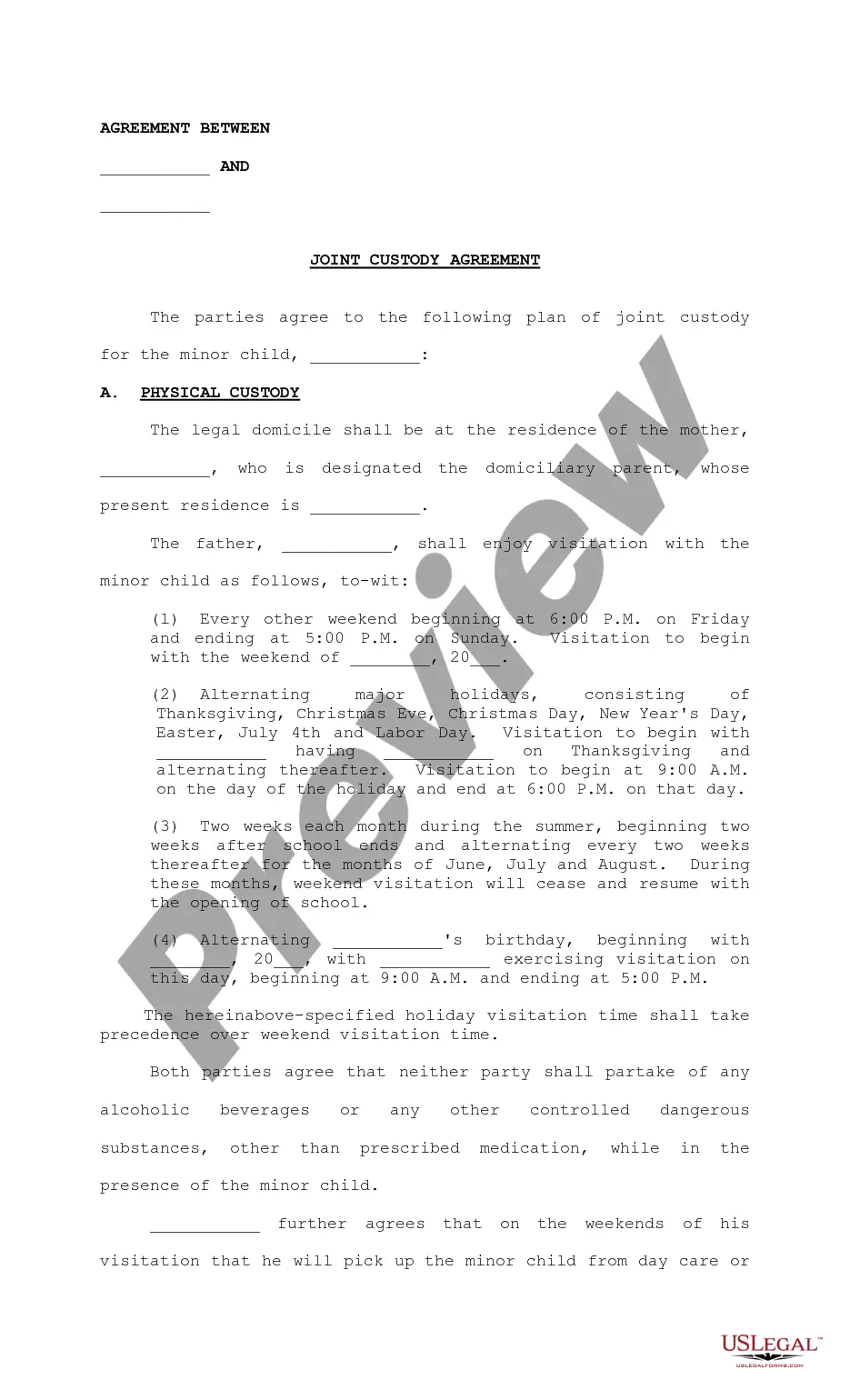
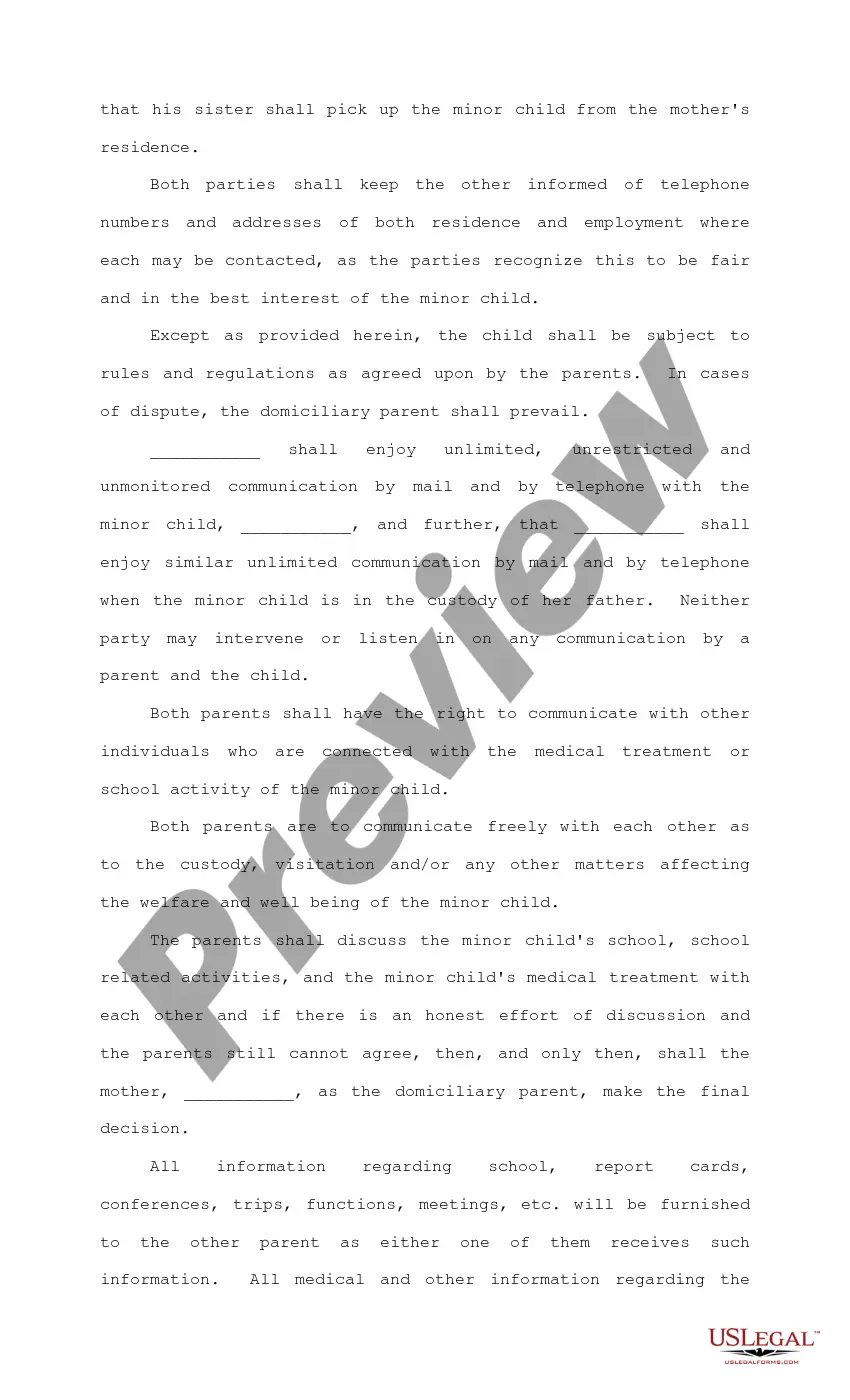
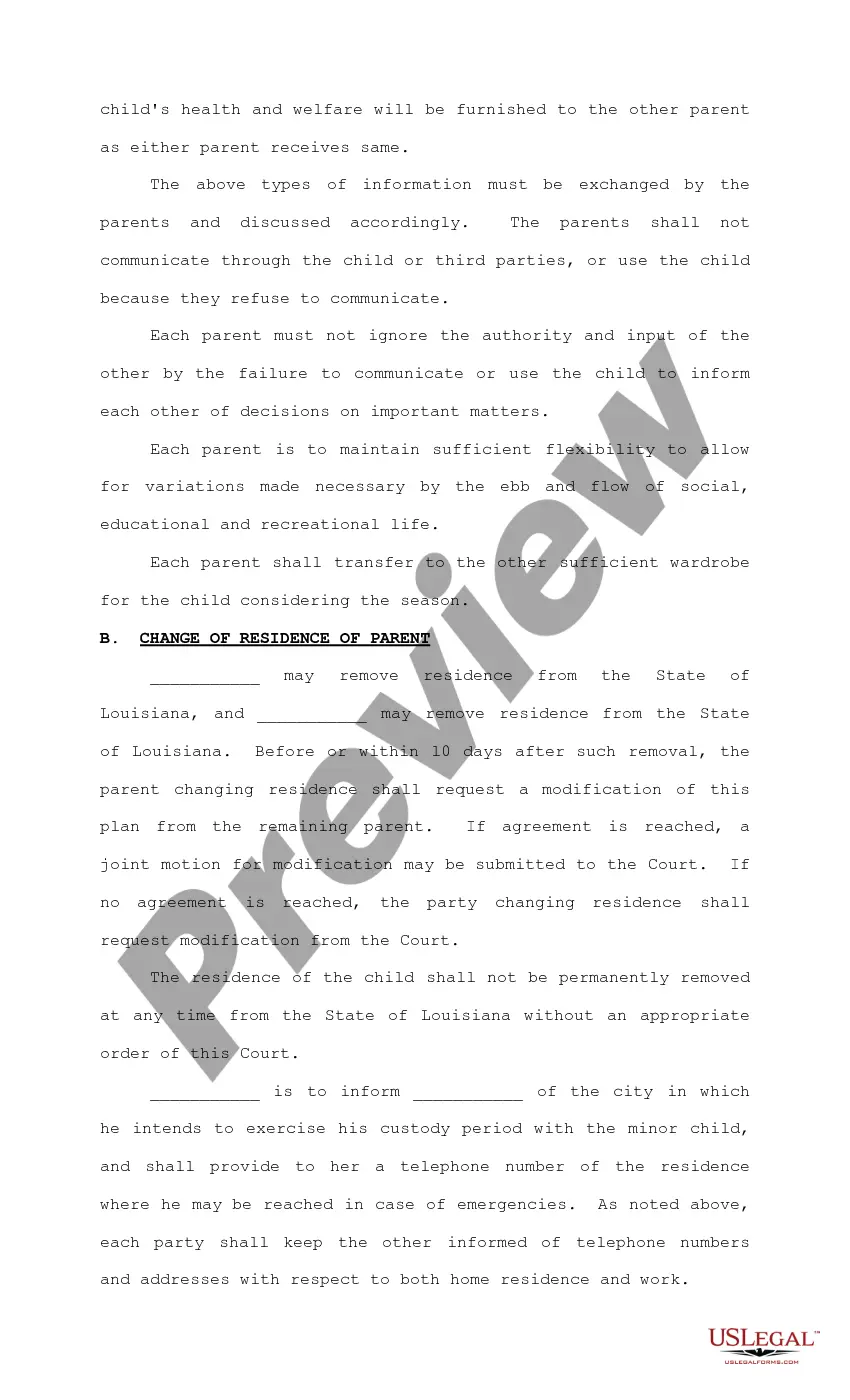
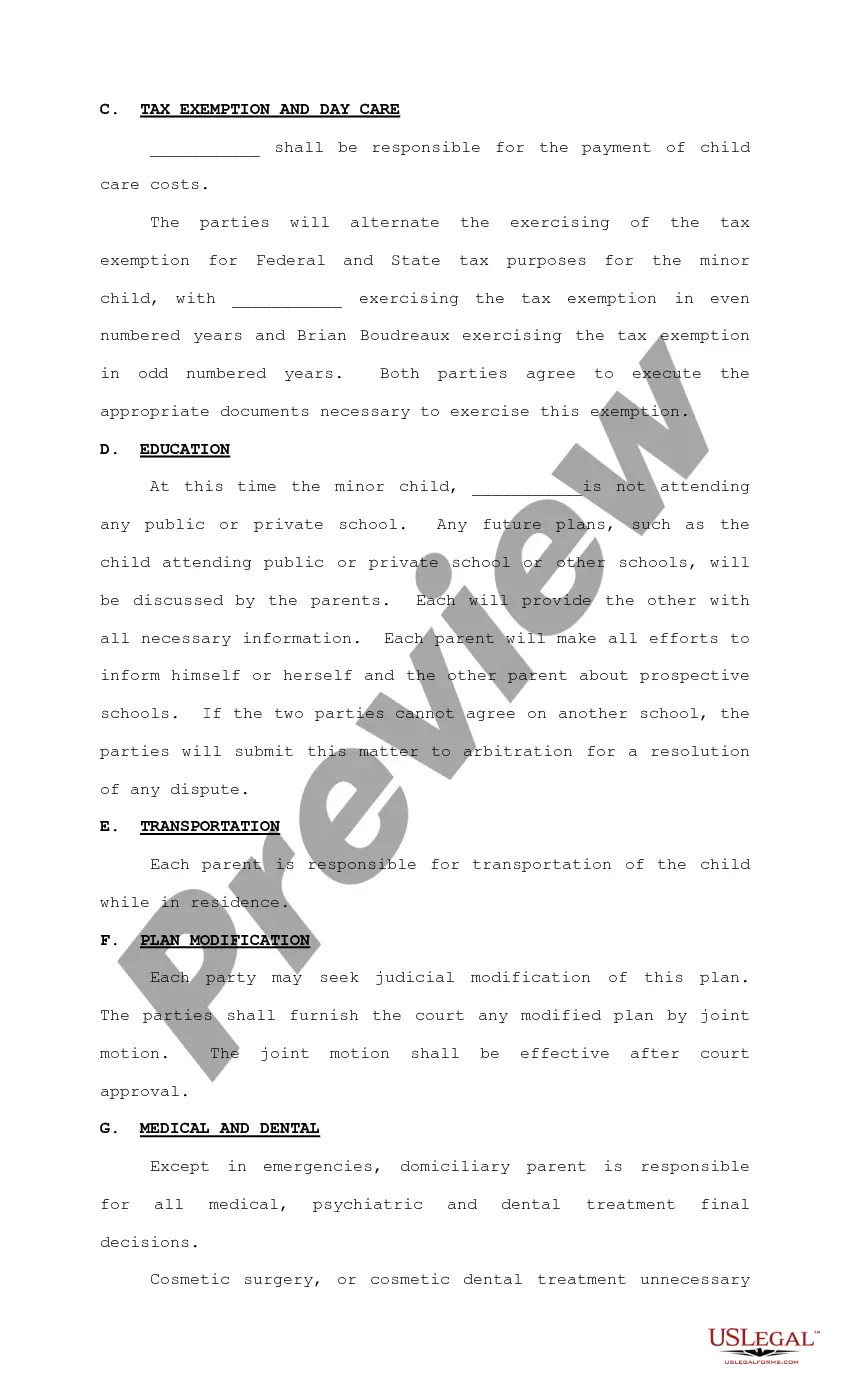
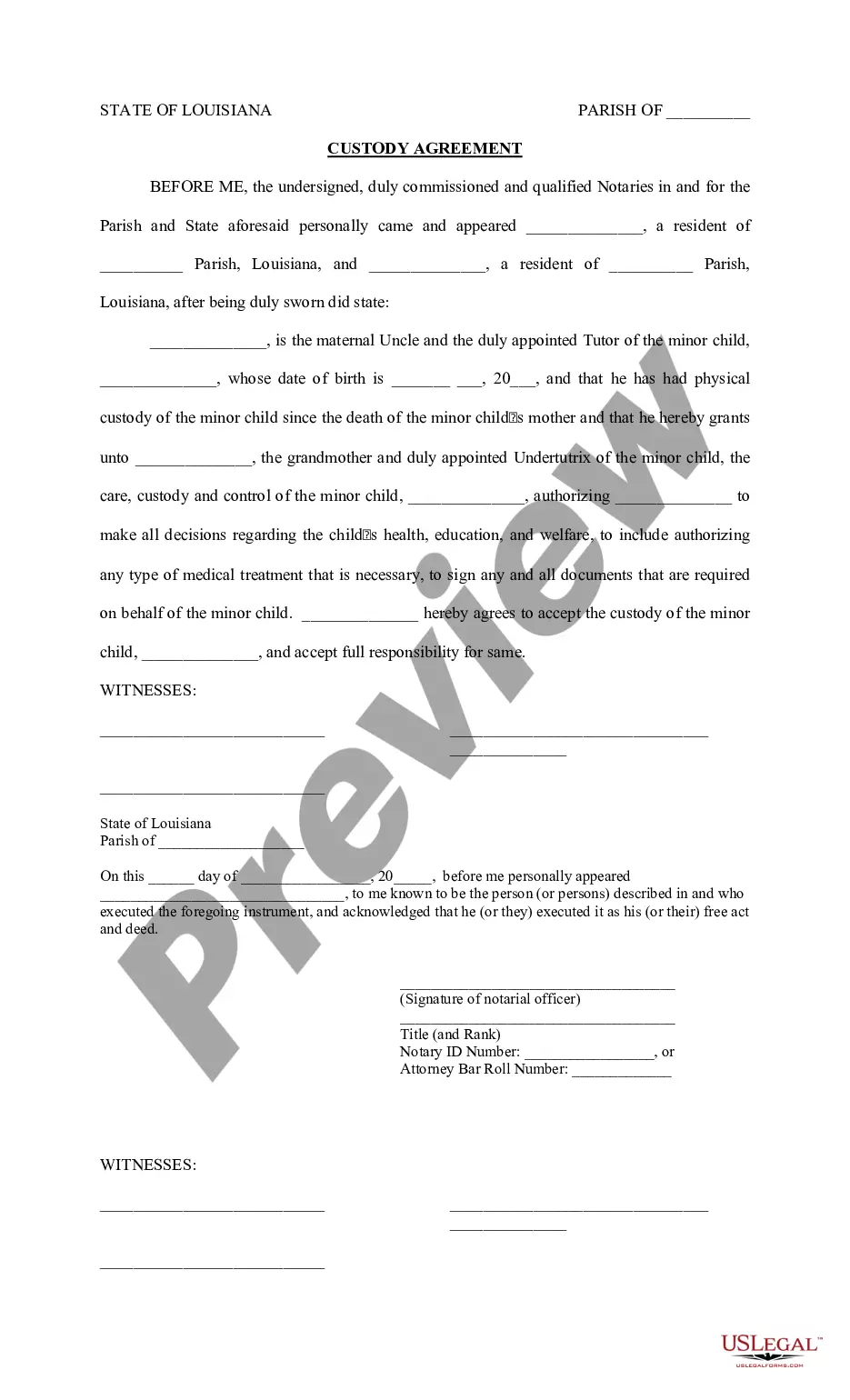
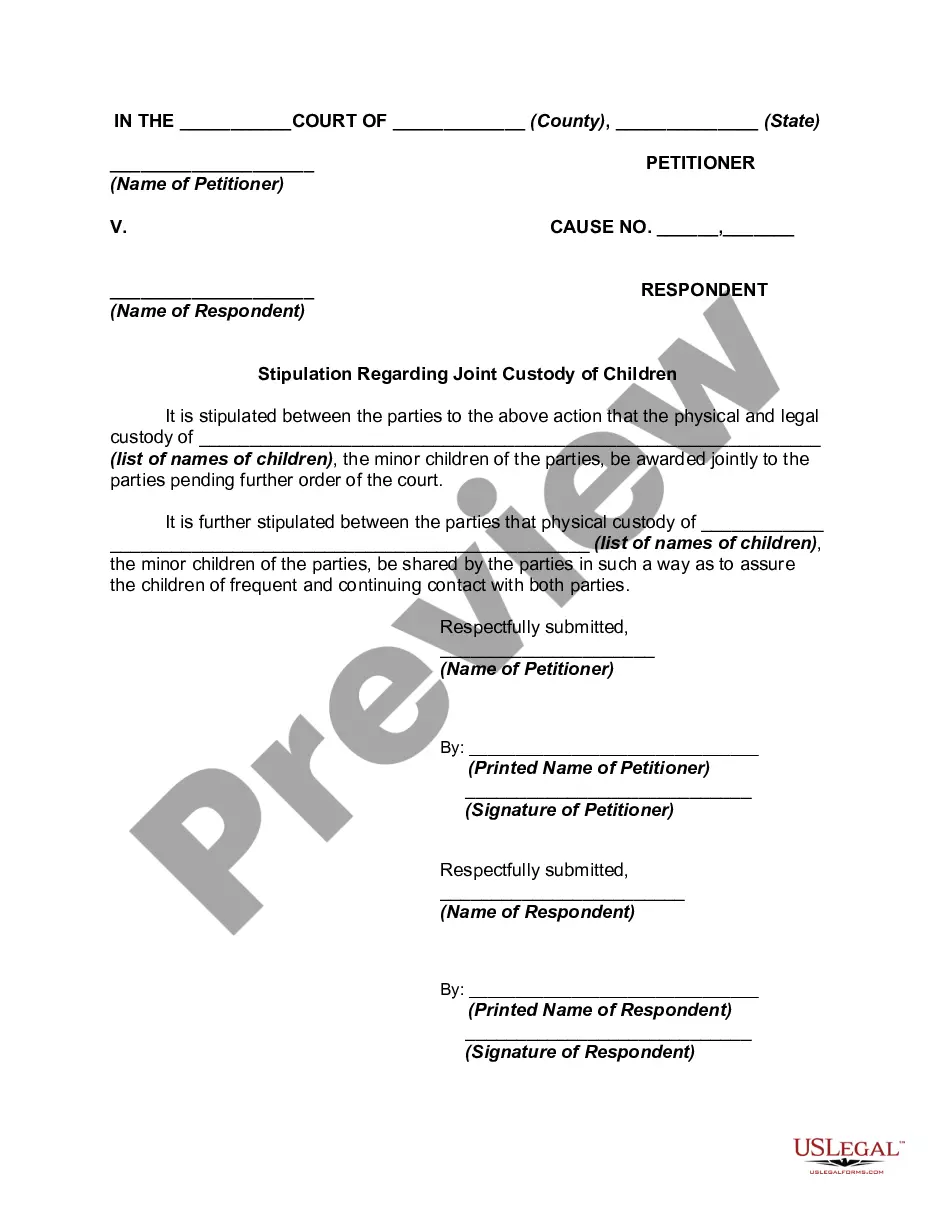
Get your form ready online
Our built-in tools help you complete, sign, share, and store your documents in one place.
Make edits, fill in missing information, and update formatting in US Legal Forms—just like you would in MS Word.
Download a copy, print it, send it by email, or mail it via USPS—whatever works best for your next step.
Sign and collect signatures with our SignNow integration. Send to multiple recipients, set reminders, and more. Go Premium to unlock E-Sign.
If this form requires notarization, complete it online through a secure video call—no need to meet a notary in person or wait for an appointment.
We protect your documents and personal data by following strict security and privacy standards.

Make edits, fill in missing information, and update formatting in US Legal Forms—just like you would in MS Word.

Download a copy, print it, send it by email, or mail it via USPS—whatever works best for your next step.

Sign and collect signatures with our SignNow integration. Send to multiple recipients, set reminders, and more. Go Premium to unlock E-Sign.

If this form requires notarization, complete it online through a secure video call—no need to meet a notary in person or wait for an appointment.

We protect your documents and personal data by following strict security and privacy standards.
Looking for another form?




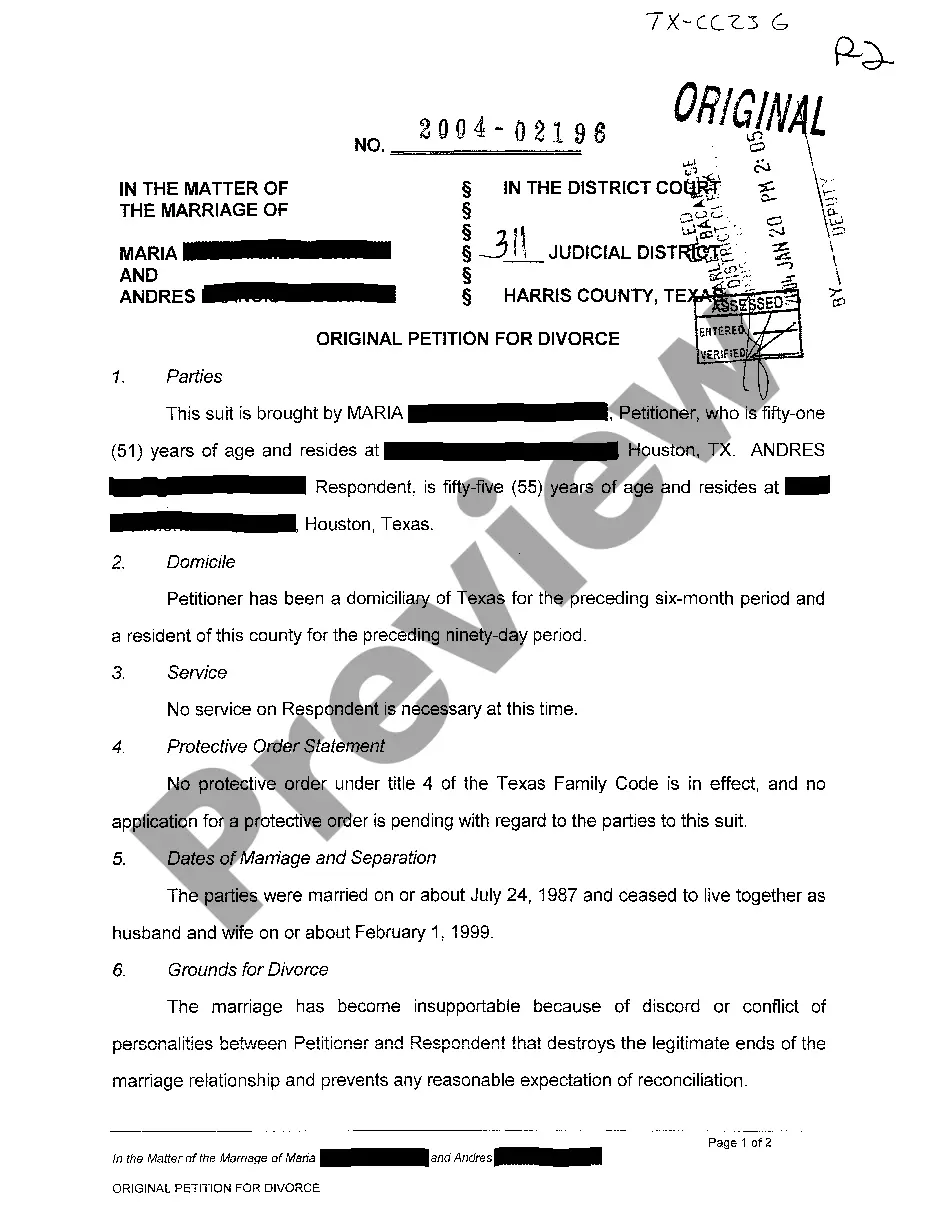





How to fill out Louisiana Joint Custody Agreement?
Utilizing legal templates that comply with federal and state regulations is essential, and the web provides numerous options to select from.
However, what is the benefit of squandering time searching for the suitable Joint Custody For Grandparents template online if the US Legal Forms digital library already consolidates such templates in one location.
US Legal Forms is the largest online legal repository with over 85,000 fillable templates crafted by attorneys for various professional and personal situations.
Review the template with the Preview feature or via the text description to verify it satisfies your requirements.
- They are easy to navigate with all documents categorized by state and intended use.
- Our experts stay informed of legislative changes, so you can always ensure your form is current and compliant when acquiring a Joint Custody For Grandparents from our site.
- Obtaining a Joint Custody For Grandparents is straightforward and quick for both existing and new users.
- If you already possess an account with an active subscription, sign in and save the template you require in your desired format.
- If you are unfamiliar with our site, follow the steps below.
Form popularity
FAQ
One of the biggest mistakes in a custody battle is failing to prioritize the best interests of the child. When it comes to joint custody for grandparents, it's crucial to demonstrate how your involvement can positively impact the child's life. Courts look favorably on arrangements that promote stability and emotional security for children. To avoid common pitfalls, stay focused on collaboration and be prepared to present a well-structured case outlining your role in the child's upbringing.
The primary reason grandparents raise their grandchildren often stems from the inability of the parents to fulfill their roles. Circumstances including family crises or unexpected life events often lead to this necessity. In many cases, joint custody for grandparents not only allows them to provide love and support but also helps instill familial values and continuity.
Write your legal argument by stating the rule and explaining how your facts apply to it. Then, add your signature, a Certificate of Service, and a Notice of Hearing. File your motion with the clerk of court overseeing your case. Then, give copies to each defendant.
Special Proceedings involve cases such as foreclosures, motor vehicle liens, name changes, adoptions, partitions of real property, incompetency and guardianship proceedings.
Filing the Documents Take the original and two (2) copies of the Motion to the Civil Division of the Clerk of Superior Court's office in the county where your case is filed. The Clerk will stamp each Motion ?filed,? place the original in the Court file and return two (2) copies of the ?filed? document to you.
The file for a court case can be viewed by visiting the clerk of court's office in the county where the case is located. Staff can provide copies of documents in court files for a fee. Also, see the Remote Public Access Program to learn more about licensing for data access and extracts.
Filing a Motion To Modify a Custody Order in NC To change a permanent custody order, a parent or guardian who is a party to the custody arrangement must file a Motion to Modify. The motion must assert that: There has been a substantial change in circumstances since the original custody order was entered.
The motion must be filed with the clerk of court in the district where the defendant was indicted, and be served on the district attorney. See G.S. 15A-1420(b1). The clerk must put the matter on the calendar, and promptly bring it to the attention of the senior resident superior or district court judge.
Court files, in general, are public records. However, certain family law documents remain confidential, such as child custody evaluation reports. Only a handful of people, including the parties and their lawyers, can access these.
Custody Law FAQs There is a $20 fee to file for a Motion for Modification of Custody or Visitation Order in North Carolina. This motion must be signed in front of a notary public. There may be other costs for modification, such as legal representation or court costs if you enter a hearing.