First Judicial District Court Forms
Description
Get your form ready online
Our built-in tools help you complete, sign, share, and store your documents in one place.
Make edits, fill in missing information, and update formatting in US Legal Forms—just like you would in MS Word.
Download a copy, print it, send it by email, or mail it via USPS—whatever works best for your next step.
Sign and collect signatures with our SignNow integration. Send to multiple recipients, set reminders, and more. Go Premium to unlock E-Sign.
If this form requires notarization, complete it online through a secure video call—no need to meet a notary in person or wait for an appointment.
We protect your documents and personal data by following strict security and privacy standards.

Make edits, fill in missing information, and update formatting in US Legal Forms—just like you would in MS Word.

Download a copy, print it, send it by email, or mail it via USPS—whatever works best for your next step.

Sign and collect signatures with our SignNow integration. Send to multiple recipients, set reminders, and more. Go Premium to unlock E-Sign.

If this form requires notarization, complete it online through a secure video call—no need to meet a notary in person or wait for an appointment.

We protect your documents and personal data by following strict security and privacy standards.
Looking for another form?



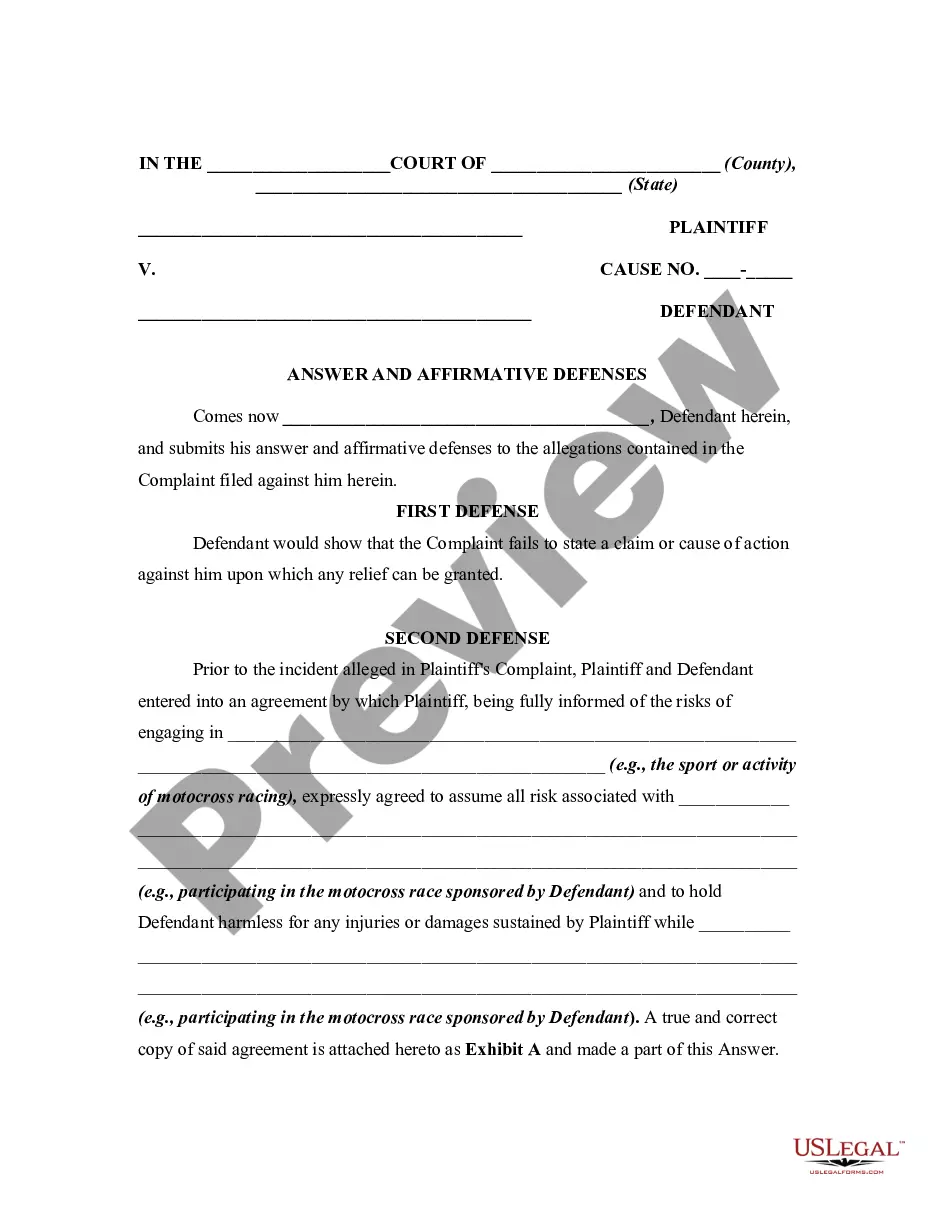




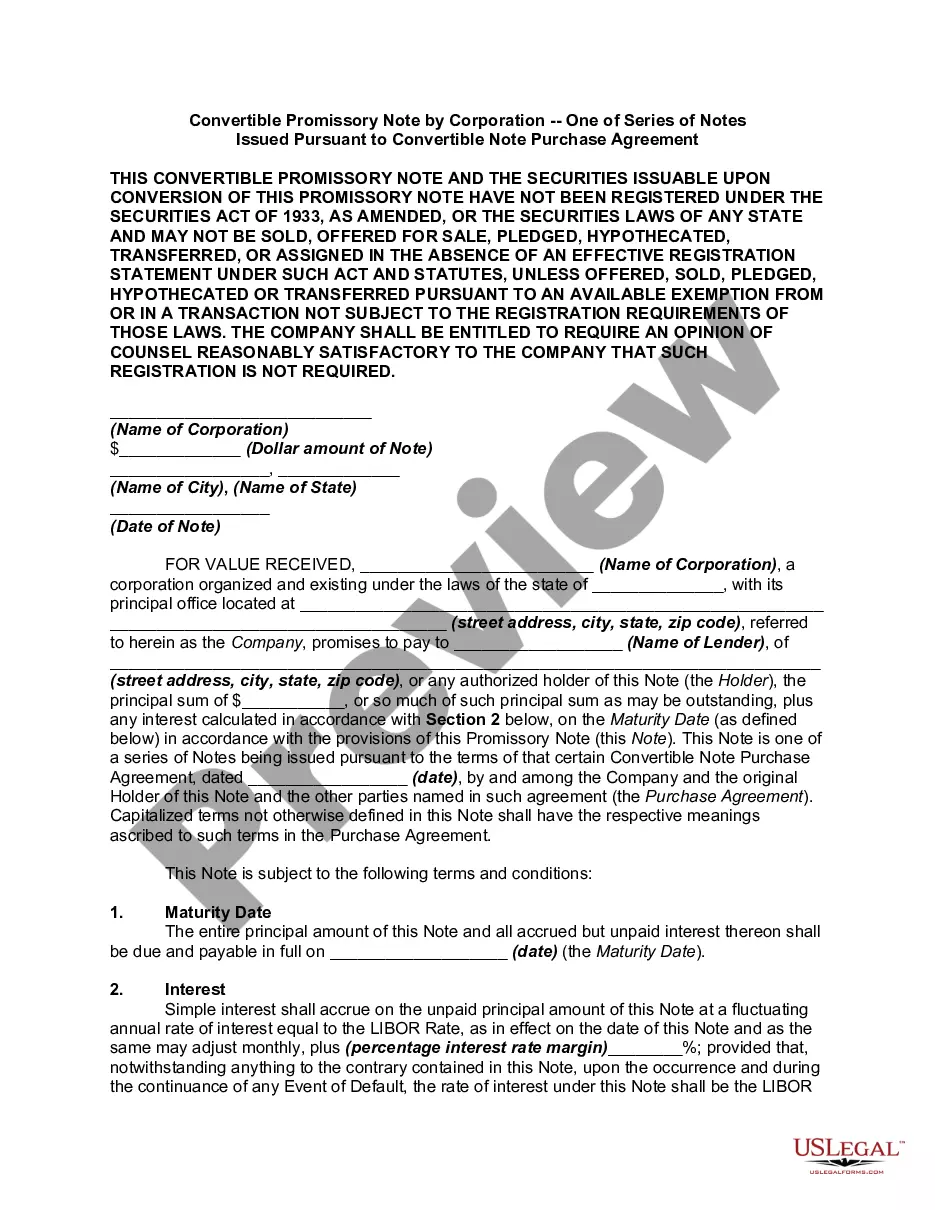

How to fill out Louisiana Motion To Continue?
Individuals often link legal documentation with something complex that only an expert can handle.
In some respects, this is accurate since preparing First Judicial District Court Forms necessitates a profound comprehension of topic specifications, including state and county rules.
Nonetheless, with the US Legal Forms, matters have become simpler: ready-made legal templates for any life and business scenario tailored to state laws are compiled in a single online archive and are now accessible to everyone.
Create an account or Log In to continue to the payment page. Make your payment for your subscription through PayPal or with your credit card. Choose the format for your document and click Download. Print your document or upload it to an online editor for faster completion. All templates in our collection are reusable: once obtained, they remain stored in your account. You can access them anytime you need via the My documents tab. Discover all the benefits of utilizing the US Legal Forms platform. Sign up today!
- US Legal Forms provides over 85,000 current forms organized by state and category of use, so searching for First Judicial District Court Forms or any specific document only requires a few minutes.
- Previously registered users with an active subscription must Log In to their account and click Download to acquire the form.
- New users to the platform will first need to create an account and subscribe before they can save any documents.
- Here are the step-by-step instructions on how to acquire the First Judicial District Court Forms.
- Carefully review the page content to ensure it meets your requirements.
- Read the form description or check it through the Preview option.
- If the previous one does not meet your needs, search for an alternative sample using the Search field in the header.
- When you find the appropriate First Judicial District Court Forms, click Buy Now.
- Choose a pricing plan that aligns with your needs and finances.
Form popularity
FAQ
Examples of pleadings include complaints, answers, counterclaims, and motions. These documents outline the parties' claims and defenses in a case. Familiarizing yourself with different types of pleadings can enhance your understanding and usage of First Judicial District Court forms effectively.
When filling out a pleading form, make sure to include your name, contact details, and case information at the top. Write concisely and provide all necessary facts and legal grounds to back your claims. Utilizing the resources available on platforms like UsLegalForms can simplify the process for First Judicial District Court forms.
Filling out a court motion form requires clarity and precision. First, state the title of the motion and the relief you seek clearly. Then, provide a background or rationale that supports your request, and ensure you comply with the specifications for First Judicial District Court forms to strengthen your submission.
To fill out a pleading paper correctly, start by including essential details such as the case title, court name, and case number. Next, lay out your claims and arguments clearly, following the required format for First Judicial District Court forms. Ensure every section is complete to avoid any delays or issues.
When addressing a letter to a district court judge, use formal language and follow a professional format. Begin with 'The Honorable Judge's Name', followed by the court's name and address. This respectful approach is crucial when submitting any correspondence related to First Judicial District Court forms.
Filling out legal forms requires attention to detail and adherence to specific guidelines. Start by reading the instructions accompanying the First Judicial District Court forms carefully. Ensure that you input accurate information in the provided fields, double-checking for any errors before submission.
A pleading format refers to the structure and presentation of legal documents submitted to a court. It establishes the organization of facts, claims, and defenses relevant to a case. Understanding the proper pleading format is essential when working with First Judicial District Court forms, as it ensures your documents meet legal standards.
To notify the court of a change of address in Texas, you must file a written notice with the court where your case is active. This notice can usually be completed using specific forms, ensuring that all relevant parties are informed. It's advisable to keep all communication updated to avoid missing important court notices. The First judicial district court forms provide the necessary framework to correctly inform the court.
The primary difference between a local court and a district court lies in their jurisdiction and scope of cases. Local courts typically address minor offenses and small claims, whereas district courts handle serious matters involving significant legal implications. District courts often have more resources and established processes for complex cases. For clearer guidance on district court procedures, consult the First judicial district court forms.
U.S. district courts work as the general trial courts in the federal judiciary system, handling civil and criminal cases. Each district court has a defined jurisdiction based on geographic location and the nature of the case. Judges preside over cases, making decisions based on law, evidence, and proceedings. To assist you, the First judicial district court forms are crucial as they ensure you comply with legal requirements.