Time Per Hour For Hour
Description
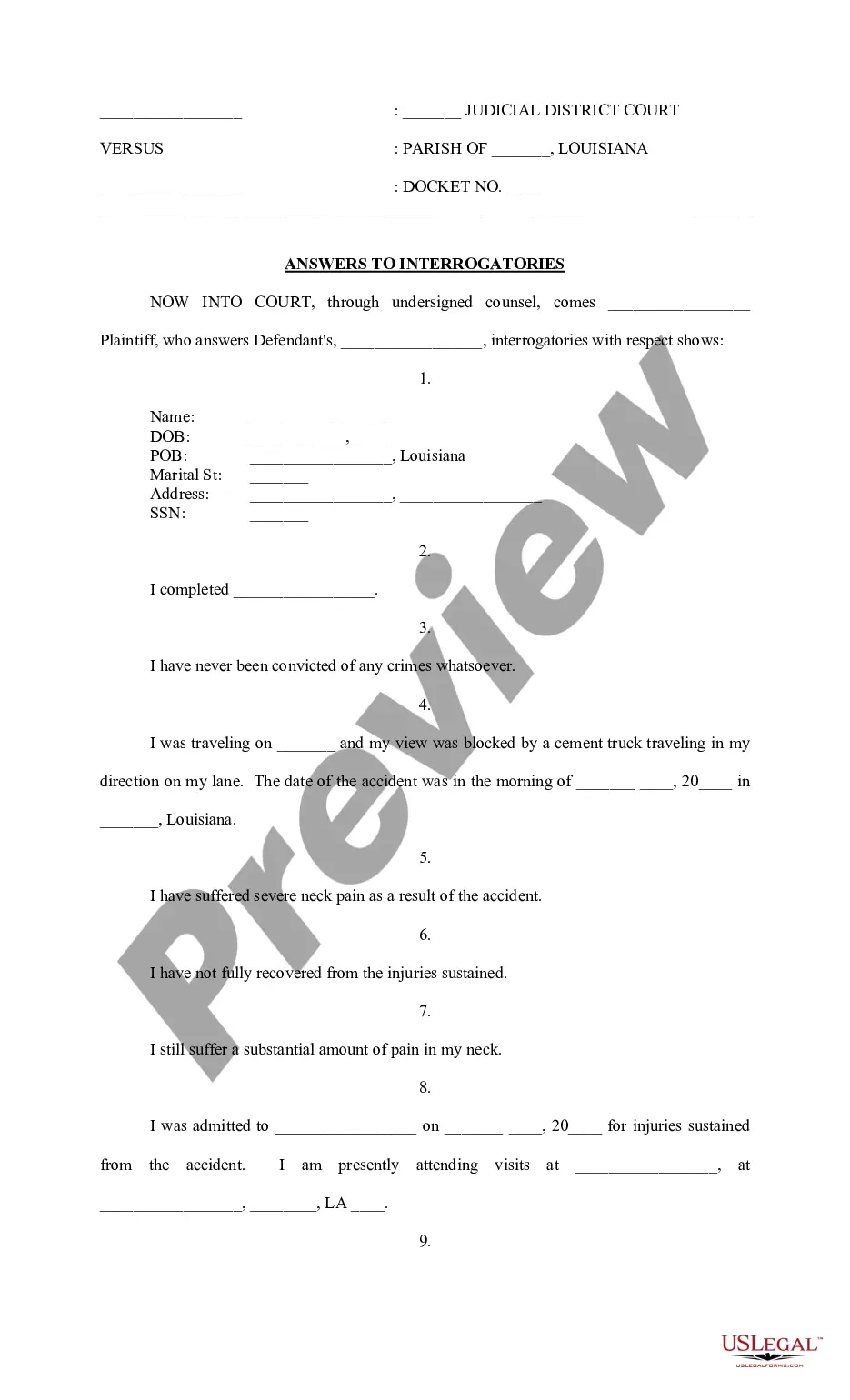
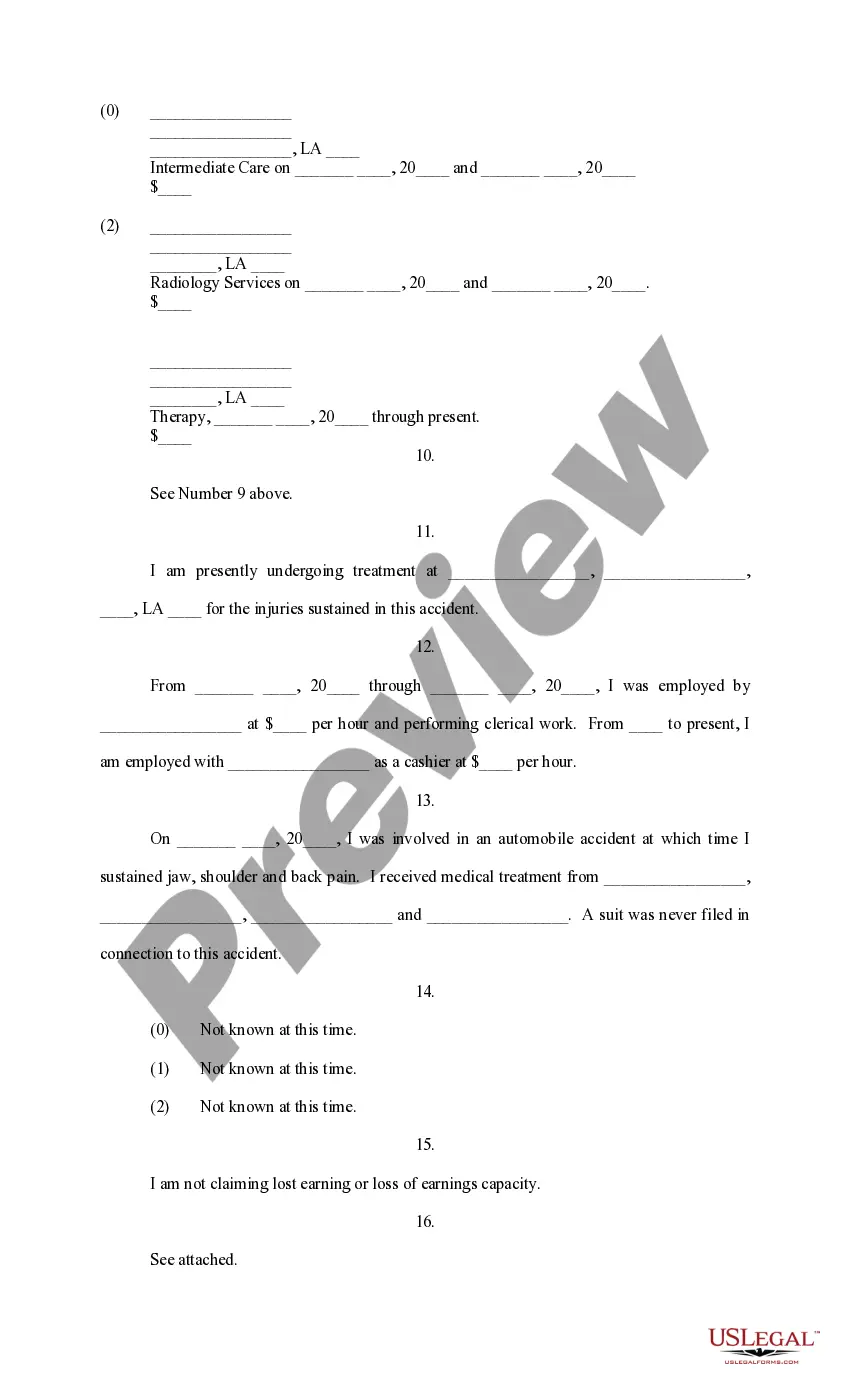
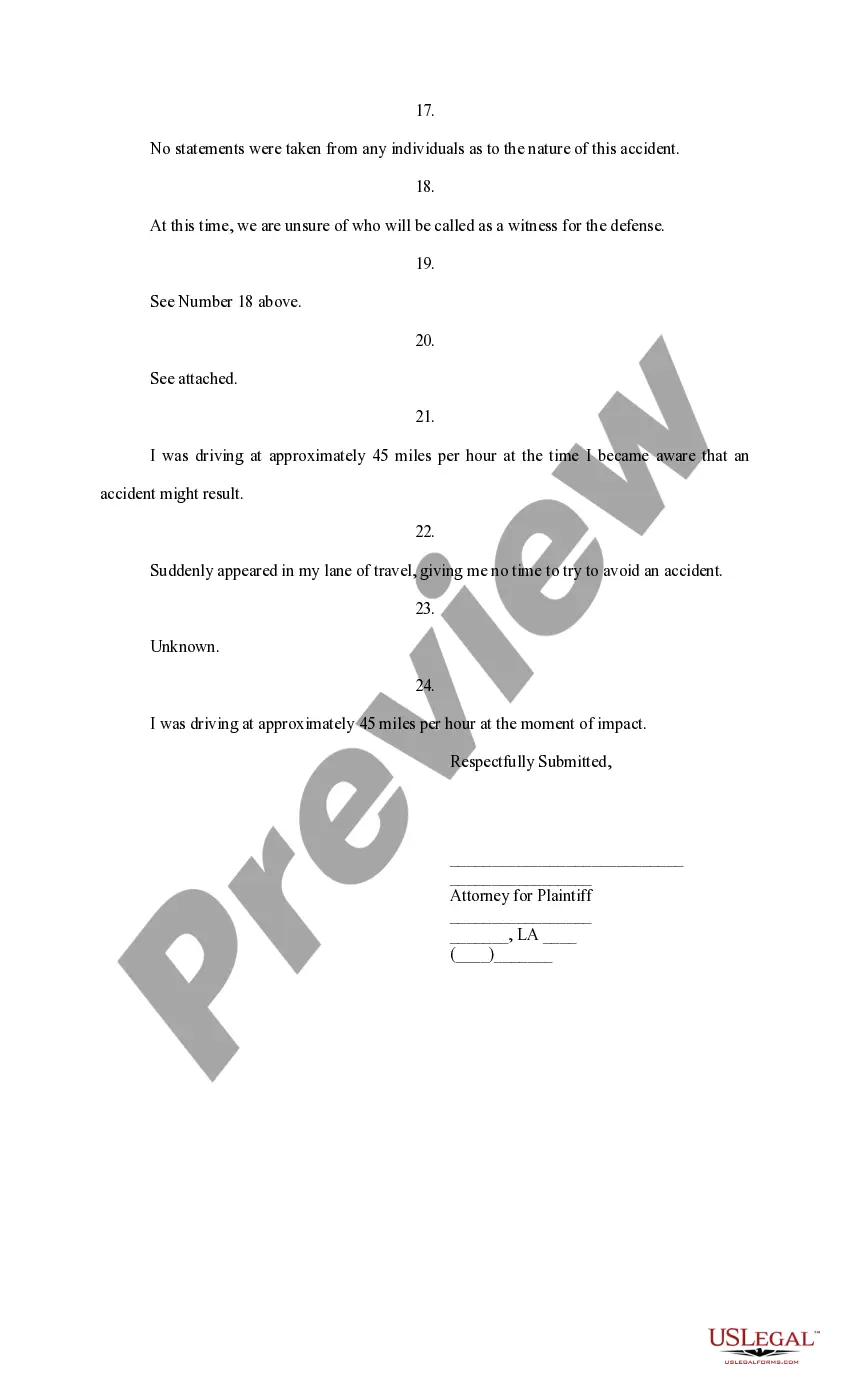
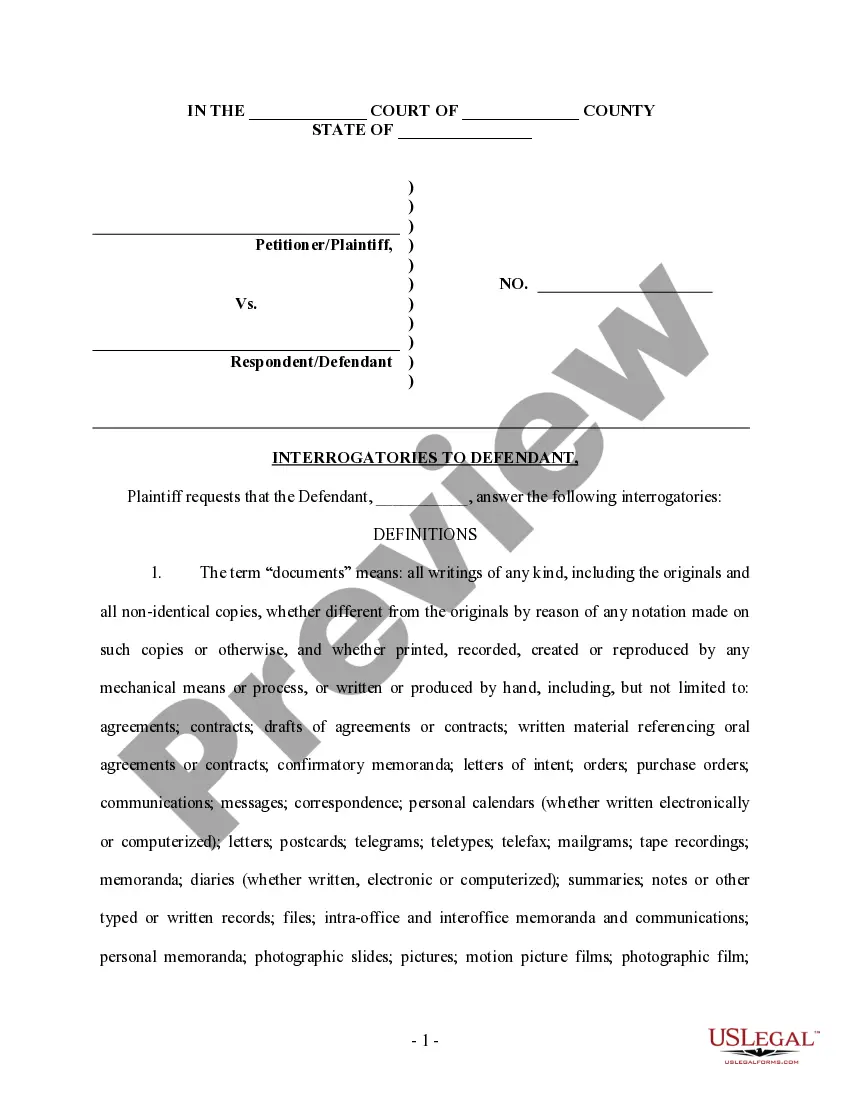
Get your form ready online
Our built-in tools help you complete, sign, share, and store your documents in one place.
Make edits, fill in missing information, and update formatting in US Legal Forms—just like you would in MS Word.
Download a copy, print it, send it by email, or mail it via USPS—whatever works best for your next step.
Sign and collect signatures with our SignNow integration. Send to multiple recipients, set reminders, and more. Go Premium to unlock E-Sign.
If this form requires notarization, complete it online through a secure video call—no need to meet a notary in person or wait for an appointment.
We protect your documents and personal data by following strict security and privacy standards.

Make edits, fill in missing information, and update formatting in US Legal Forms—just like you would in MS Word.

Download a copy, print it, send it by email, or mail it via USPS—whatever works best for your next step.

Sign and collect signatures with our SignNow integration. Send to multiple recipients, set reminders, and more. Go Premium to unlock E-Sign.

If this form requires notarization, complete it online through a secure video call—no need to meet a notary in person or wait for an appointment.

We protect your documents and personal data by following strict security and privacy standards.
Looking for another form?

How to fill out Louisiana Answers To Interrogatories?
- If you're a returning user, log into your account and download your required form by clicking the Download button. Ensure your subscription is active; renew it if necessary.
- For first-time users, start by browsing the Preview mode and form descriptions. Confirm that you have selected the right template that meets your needs and complies with your local jurisdiction.
- If you find your needs are not met, utilize the Search bar at the top to locate another appropriate form. Once identified, proceed to the next step.
- To make your document available, click on the Buy Now button and select a suitable subscription plan. You will need to create an account to access the complete library.
- Finalize your purchase by entering your credit card details or using PayPal for a secure transaction.
- Download your chosen form to your device. You can later access and manage your documents from the My Forms section of your profile.
By leveraging US Legal Forms' extensive resources, users can efficiently create and execute legal documents tailored to their specific needs.
Start your journey today with US Legal Forms for seamless legal documentation. Explore the benefits and streamline your legal processes!
Form popularity
FAQ
0.75 of an hour equals 45 minutes. This understanding is vital when tracking work hours or calculating wages based on hourly rates. Incorporating the concept of 'Time per hour for hour' helps clarify these calculations. By accurately converting hours into minutes, both employers and employees can foster better communication regarding time and compensation.
.25 of an hour represents a quarter of an hour, which is 15 minutes. This simple fraction plays a significant role in payroll calculations and time tracking. By using the term 'Time per hour for hour,' you can enhance your understanding when converting time into more manageable chunks. This clarity can help professionals maintain accurate records and ensure timely payments.
.75 out of an hour means 45 minutes. When working with hourly rates, it is essential to comprehend how each fraction affects payment. The phrase 'Time per hour for hour' aids in clarifying these conversions. Understanding these details helps ensure fair compensation for time worked.
The formula for time to hours is simply adding the hours to the minutes divided by 60. This means that if your total is 5 hours and 30 minutes, the calculation would be 5 + (30/60), giving you 5.5 hours. This straightforward equation is crucial for anyone needing to understand their time per hour for hour.
To calculate the time value per hour, take the total amount earned and divide it by the total hours worked. For example, if you earn $200 for 5 hours of work, your time value per hour is $40. This calculation helps you assess your worth and manage your time per hour for hour wisely.
To convert time into hours, take the hours as your whole number and convert the minutes to a fraction of an hour by dividing by 60. For example, 2 hours and 30 minutes equals 2.5 hours. Mastering this conversion can clarify your billing and overall understanding of time per hour for hour.
In Excel, you can convert time to hours by using the formula '=(A124)', assuming A1 contains your time. Excel treats time as a fraction of a day, so multiplying by 24 converts it to hours. This formula is a helpful tool for efficiently calculating your time per hour for hour in spreadsheets.
Filling out working hours on a form involves recording both the starting and ending times followed by the total hours worked. Use a clear format, like ' AM to PM', and calculate the duration in between. This practice helps you understand your time per hour for hour and can be essential for payroll processes.
To calculate hours from a time reading, identify both the hour and minute components. For example, if the time is , recognize it as 3 hours and 30 minutes, which equals 3.5 hours when converted. This method aids in tracking your daily work and ensures you maintain an accurate time per hour for hour.
When recording 7 hours and 45 minutes on a timesheet, you can write it as 7.75 hours. This conversion involves dividing the minutes by 60, so 45 minutes becomes 0.75 hours. Documenting time accurately supports clear billing practices and helps you manage your time per hour for hour effectively.