Hour Louisiana Through With Love
Description
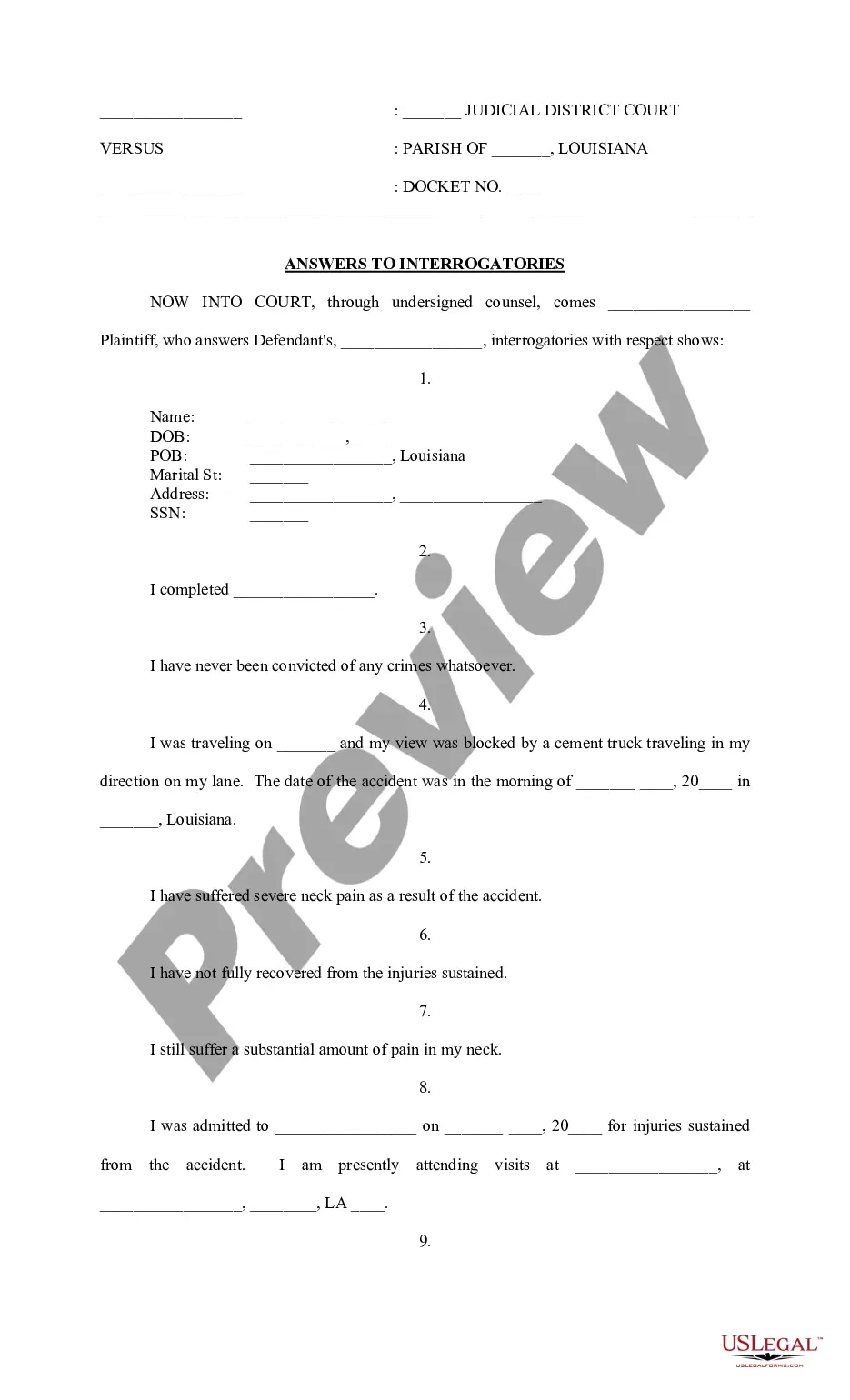
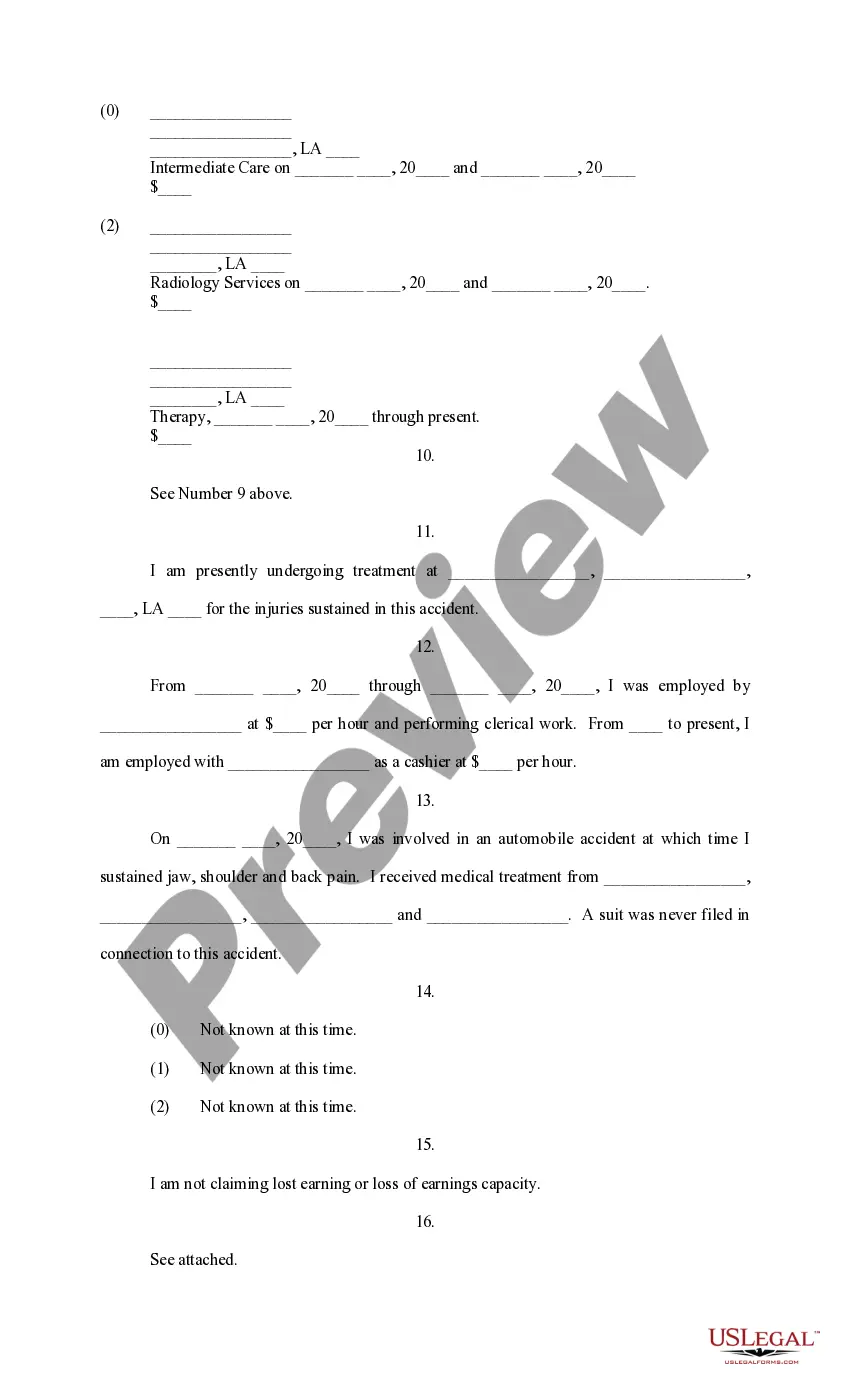
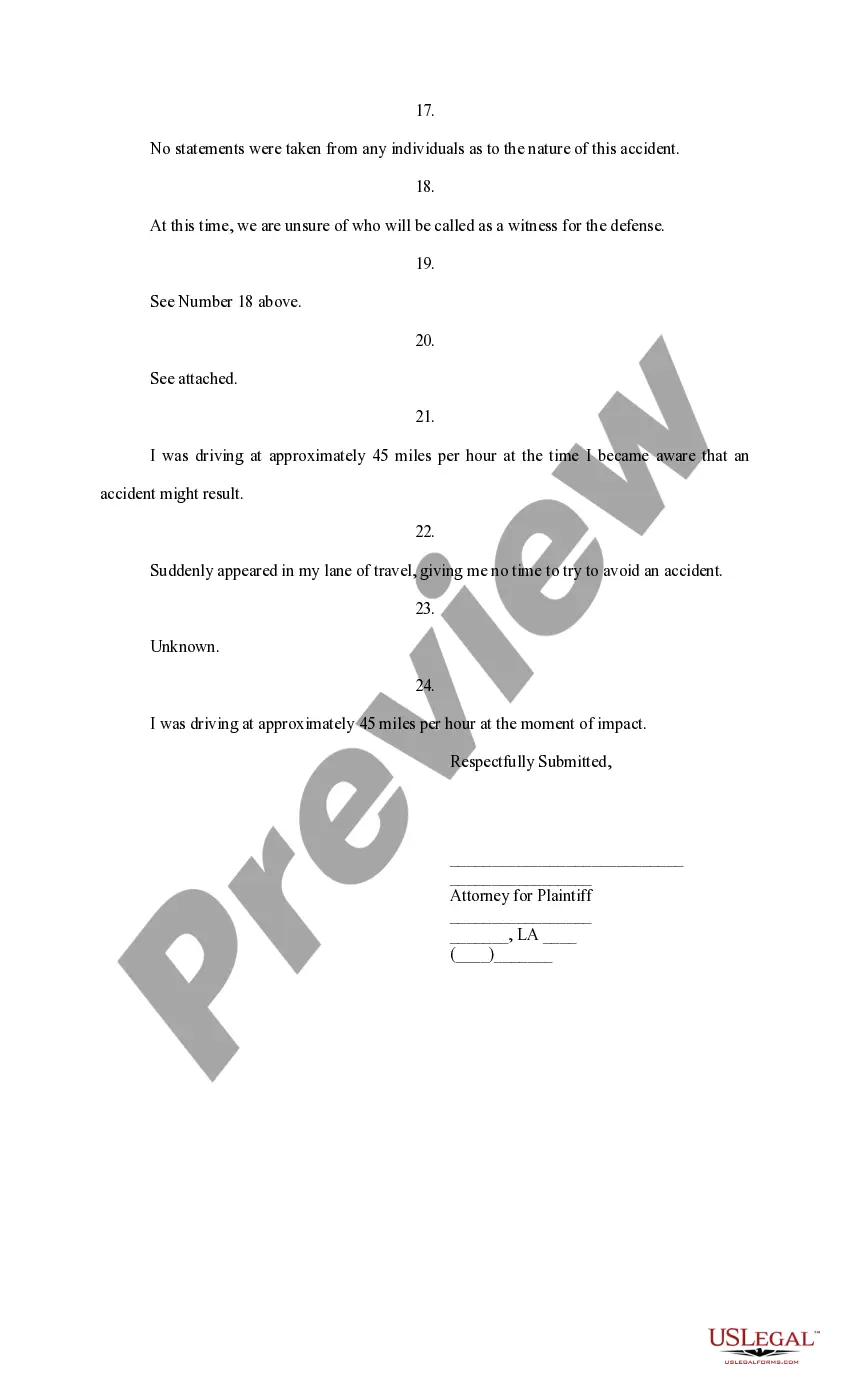
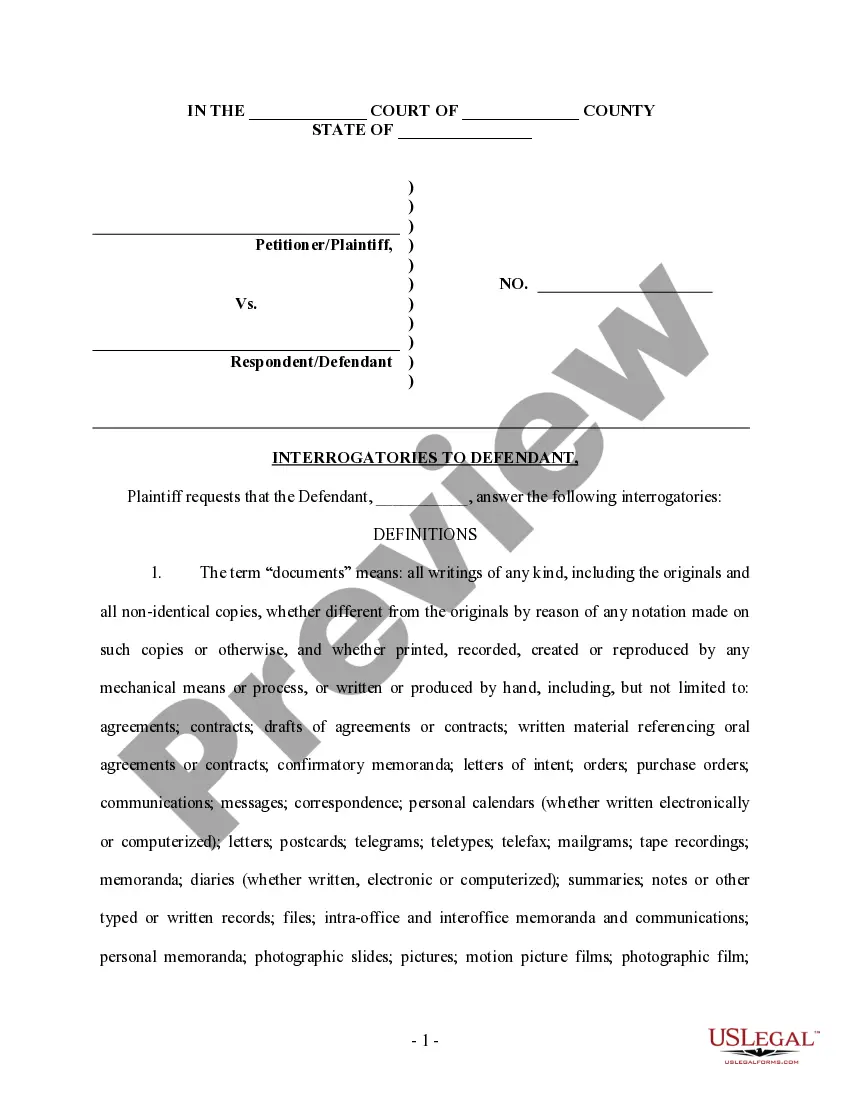
Get your form ready online
Our built-in tools help you complete, sign, share, and store your documents in one place.
Make edits, fill in missing information, and update formatting in US Legal Forms—just like you would in MS Word.
Download a copy, print it, send it by email, or mail it via USPS—whatever works best for your next step.
Sign and collect signatures with our SignNow integration. Send to multiple recipients, set reminders, and more. Go Premium to unlock E-Sign.
If this form requires notarization, complete it online through a secure video call—no need to meet a notary in person or wait for an appointment.
We protect your documents and personal data by following strict security and privacy standards.

Make edits, fill in missing information, and update formatting in US Legal Forms—just like you would in MS Word.

Download a copy, print it, send it by email, or mail it via USPS—whatever works best for your next step.

Sign and collect signatures with our SignNow integration. Send to multiple recipients, set reminders, and more. Go Premium to unlock E-Sign.

If this form requires notarization, complete it online through a secure video call—no need to meet a notary in person or wait for an appointment.

We protect your documents and personal data by following strict security and privacy standards.
Looking for another form?


How to fill out Louisiana Answers To Interrogatories?
- Log in to your account if you're a returning user. Confirm your subscription is active to enable downloads.
- For new users, start by reviewing the form descriptions and preview modes. Ensure the template aligns with your local jurisdiction requirements.
- If necessary, utilize the Search tab to find additional templates that suit your needs better.
- Select your desired document by clicking the Buy Now button and choose a subscription plan that works for you. Creating an account is essential to access the full library.
- Finalize your purchase by entering your payment details via credit card or PayPal.
- Once your payment is confirmed, download the form and save it to your device. You can also access it anytime in the My Forms section of your profile.
US Legal Forms empowers users to create and manage legal documents efficiently, boasting a robust library of over 85,000 forms. This extensive selection ensures greater flexibility and accuracy in your legal processes.
Don't let legal paperwork overwhelm you. Start using US Legal Forms today to ensure your documents are correctly prepared and legally sound. Visit our website to get started!
Form popularity
FAQ
The one call law in Louisiana refers to the requirement for property owners to notify underground utility operators before starting any digging or excavation work. This law is designed to protect vital utility lines and ensure safety for everyone involved. By calling the designated number, you can avoid potential hazards and legal repercussions. Staying compliant with this law demonstrates care for your community and its infrastructure.
In Louisiana, the number of hours you need to work to qualify for benefits can vary by the type of benefit. Generally, for unemployment benefits, applicants must have worked a minimum number of hours in covered employment during a specific period. It is vital to check with the Louisiana workforce agency for the most accurate and current requirements. Being informed equips you to maximize your benefit eligibility.
The 10 year fence law in Louisiana involves property disputes regarding boundary fences. According to this law, if a fence has been in place for at least ten years, it may be presumed to mark the official boundary line between two properties. This can play a crucial role in real estate transactions and disputes. Familiarity with this law can help you protect your property interests.
The 65% law in Louisiana specifically relates to the parole eligibility of inmates. Under this law, an inmate may be eligible for parole after serving 65% of their sentence, provided they exhibit good behavior. This highlights Louisiana's approach to rehabilitation and reintegration of inmates into society. Understanding this law can significantly impact the decisions regarding an inmate's future.
To get an inmate transferred in Louisiana, you need to initiate a request through the Louisiana Department of Public Safety and Corrections. First, gather all relevant information about the inmate, including their ID number and current location. Next, submit a formal request, detailing the reasons for the transfer. Remember, the transfer process might take some time, and it is essential to stay informed throughout.