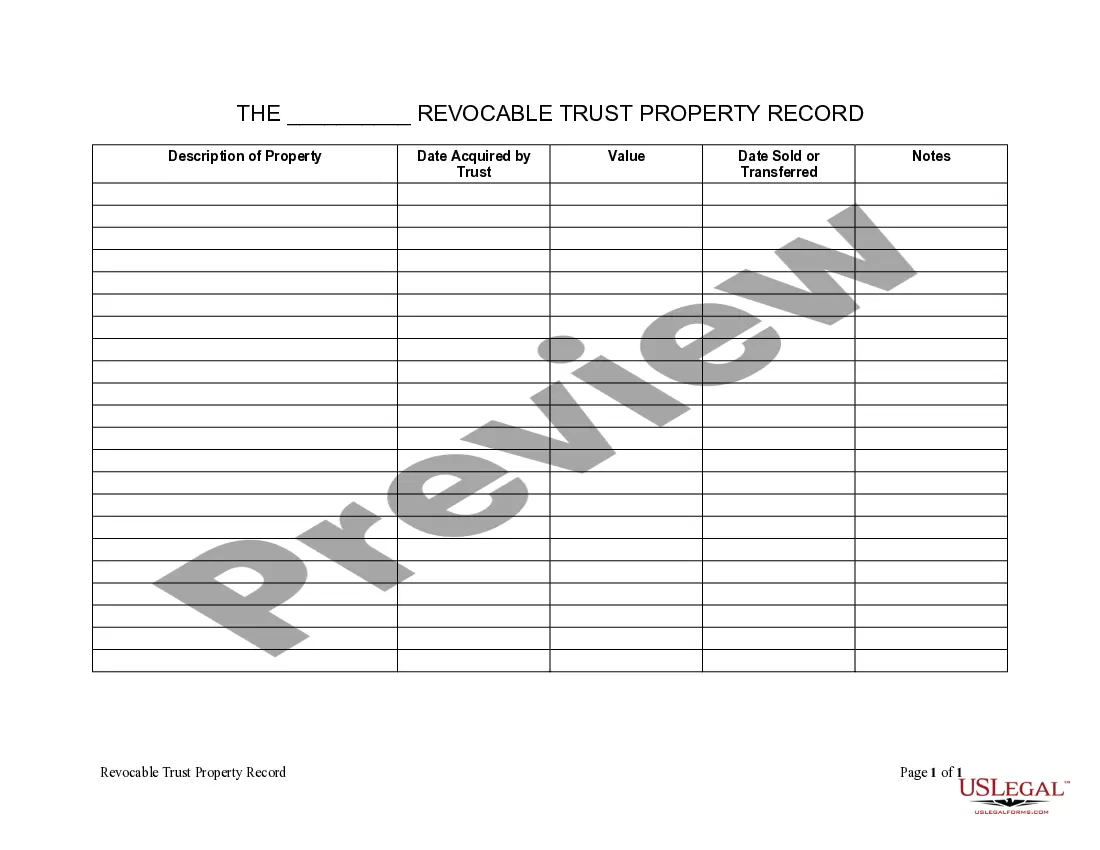
Living Prop
Description
Get your form ready online
Our built-in tools help you complete, sign, share, and store your documents in one place.
Make edits, fill in missing information, and update formatting in US Legal Forms—just like you would in MS Word.
Download a copy, print it, send it by email, or mail it via USPS—whatever works best for your next step.
Sign and collect signatures with our SignNow integration. Send to multiple recipients, set reminders, and more. Go Premium to unlock E-Sign.
If this form requires notarization, complete it online through a secure video call—no need to meet a notary in person or wait for an appointment.
We protect your documents and personal data by following strict security and privacy standards.

Make edits, fill in missing information, and update formatting in US Legal Forms—just like you would in MS Word.

Download a copy, print it, send it by email, or mail it via USPS—whatever works best for your next step.

Sign and collect signatures with our SignNow integration. Send to multiple recipients, set reminders, and more. Go Premium to unlock E-Sign.

If this form requires notarization, complete it online through a secure video call—no need to meet a notary in person or wait for an appointment.

We protect your documents and personal data by following strict security and privacy standards.
Looking for another form?






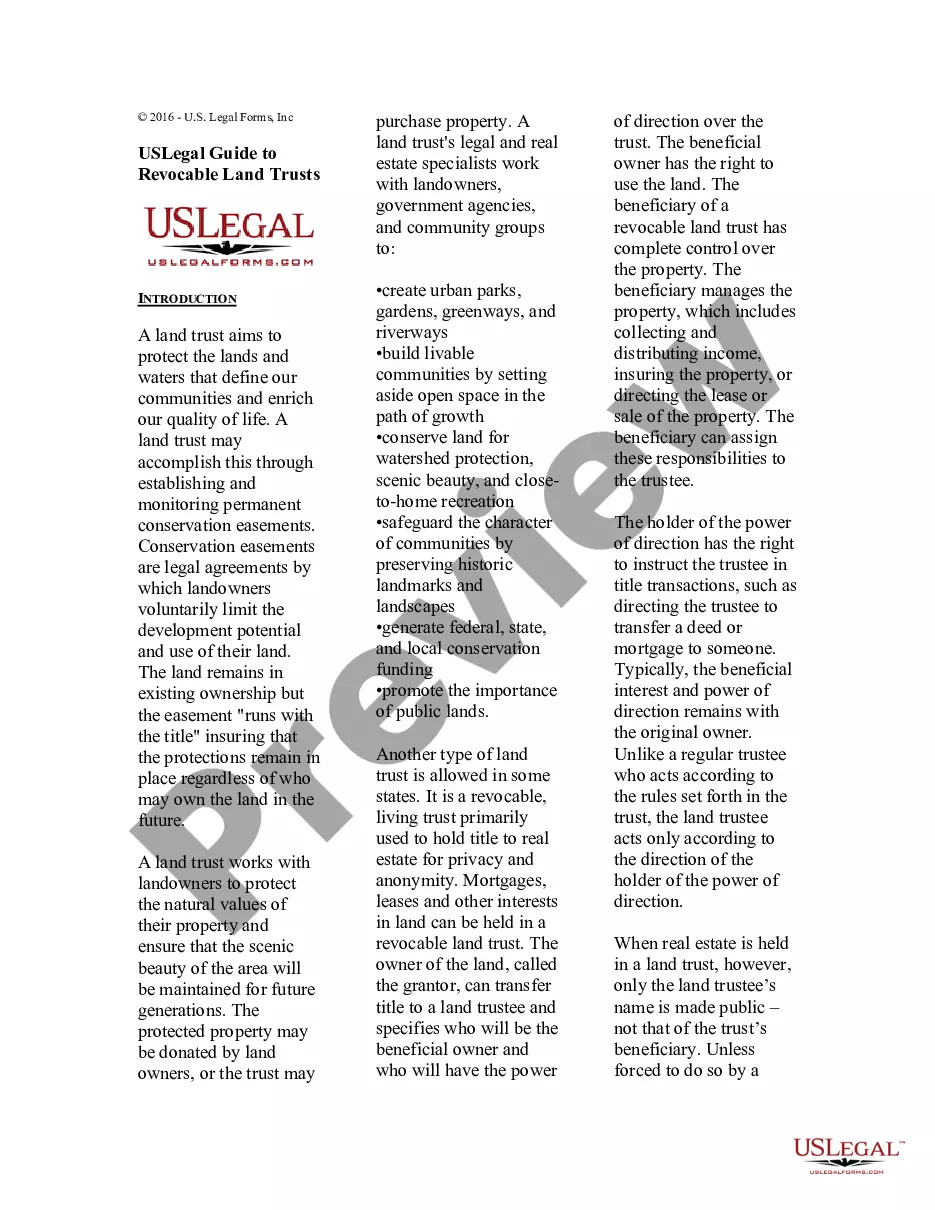
How to fill out Kentucky Living Trust Property Record?
- If you are an existing user, log in to your account and download the desired template by hitting the Download button. Ensure your subscription remains active; renew if necessary based on your payment plan.
- For first-time users, begin by checking the Preview mode along with the form description. Confirm that you select the right form that fits your specific needs and adheres to local jurisdiction requirements.
- If the selected template doesn't meet your criteria, utilize the Search tab at the top to find another suitable form. Once you find one that fits, proceed to the next step.
- To proceed with your chosen document, click the Buy Now button and select your preferred subscription plan. You'll need to create an account for full access.
- Complete the purchase process by entering your credit card information or using your PayPal account to pay for the subscription.
- Finally, download your selected form. Save it on your device and you'll also find it in the My Forms section of your profile for later access.
In conclusion, utilizing US Legal Forms for living prop is a straightforward process that can save you time and ensure legal compliance. Take advantage of this efficient tool to simplify your document needs.
Get started now and empower yourself with the legal forms you need!
Form popularity
FAQ
Generally, a living will does not require filing with the court. You simply need to keep it in a safe place and inform trusted individuals about its existence. This document outlines your healthcare preferences, making it crucial for managing your living prop efficiently during medical emergencies.
Typically, a living will does not need to be filed in court. Instead, you should keep the document accessible and share your wishes with your loved ones and healthcare providers. This living prop serves as a guide for medical decisions, ensuring that your preferences are honored when you cannot communicate them.
If you never file a will, your estate may be subject to intestate succession laws. This means the state will decide how your living prop gets divided among your heirs, which may not align with your wishes. Consequently, it's wise to have a will in place to ensure your assets are handled according to your desires.
In most states, you do not need to file a will until after someone passes away. However, it's essential to understand the probate process in your state, as it may require the will to be filed later. A well-prepared will can simplify the distribution of your living prop, making it essential to ensure your wishes are documented clearly.
An example of a set prop could be a wooden table used in a kitchen scene of a play. This living prop helps establish the setting and can be crucial for action scenes where characters prepare food or share conversations. It contributes to the overall atmosphere, making the scene feel more authentic and immersive.
The four types of props include living props, hand props, set props, and decorative props. Living props relate closely to actors' interactions, while hand props are carried by performers. Set props enhance the backdrop or setting, and decorative props add visual aesthetics to the production, enriching the audience's viewing experience.
An example of a prop could be a letter that a character reads during a pivotal moment in the story. This living prop serves as a tangible element that can drive the plot forward and elicit emotions from both the character and the audience. Props like these play critical roles in building the narrative and connecting the audience to the story.
The main purpose of a prop is to support the narrative and enhance the visual storytelling in a performance. Props serve as tools that characters interact with, adding realism and supporting the story's emotional beats. By using living props effectively, productions can create memorable experiences that resonate with audiences.
A character prop is an object specifically associated with a character in a performance. These items help to reveal a character’s personality, motivations, or history. For instance, a living prop like a signature weapon or a treasured object can be crucial in establishing a character's traits and relationship with others.
Living props refer to items used in theatrical settings that interact with performers in meaningful ways. They can include anything from costumes to furniture, helping to create a believable environment. A living prop can enhance storytelling by adding depth and context to scenes, making performances more engaging for the audience.