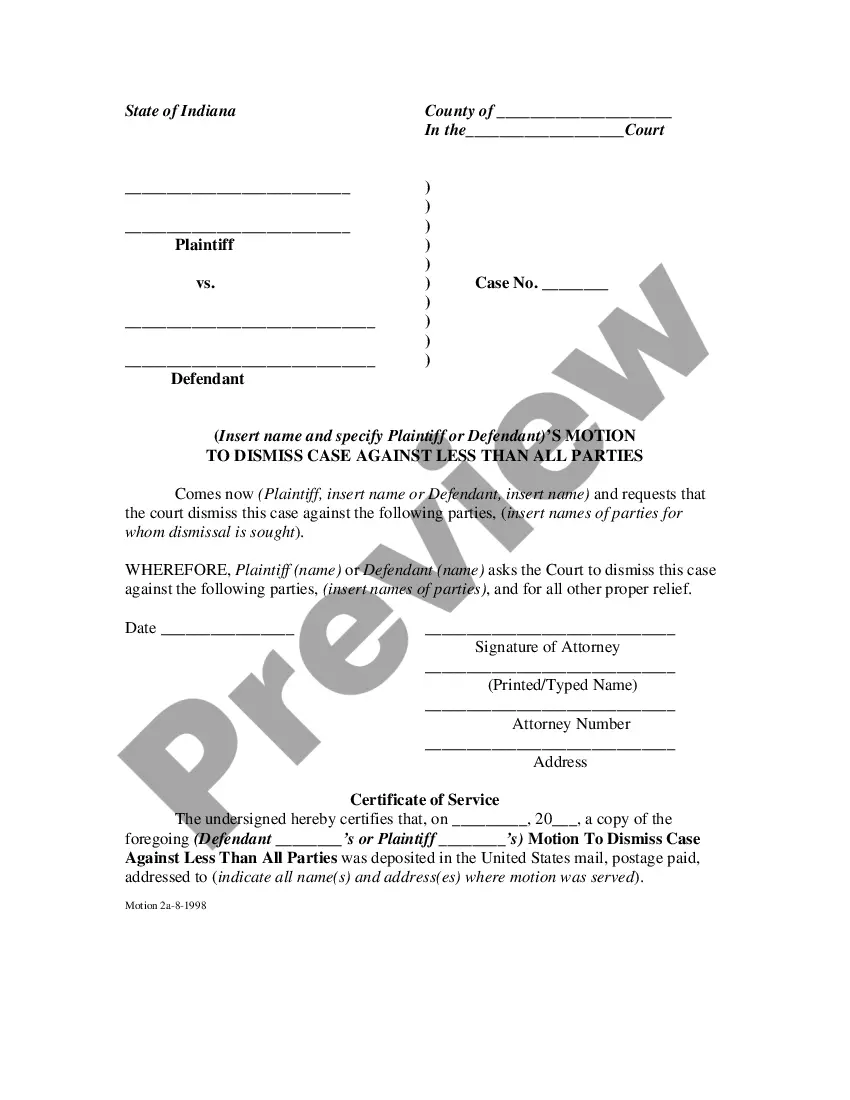
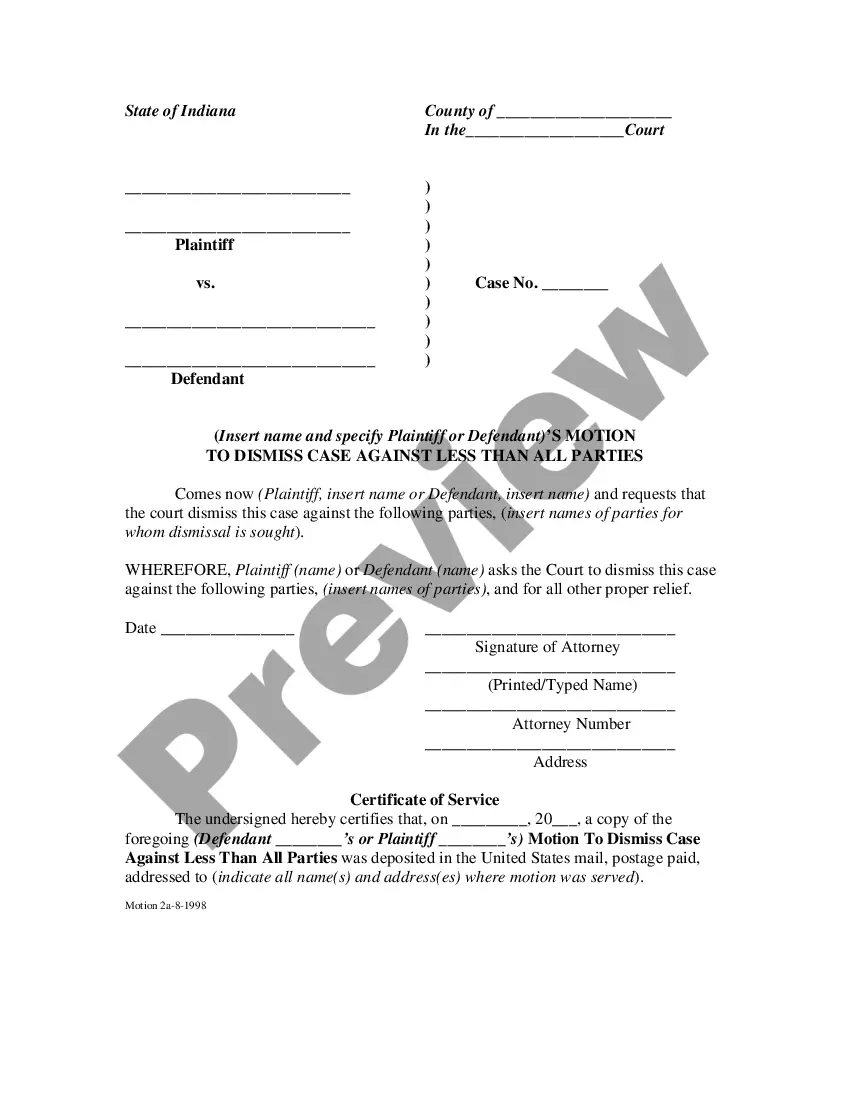
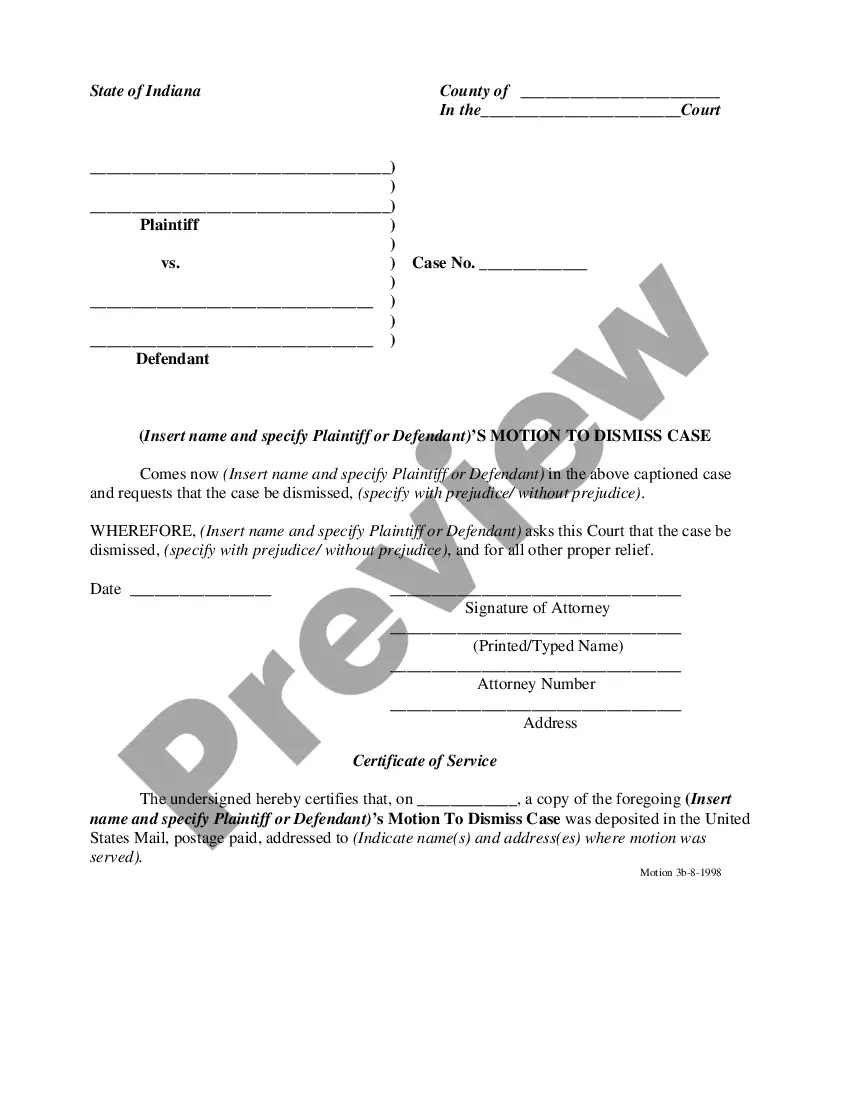
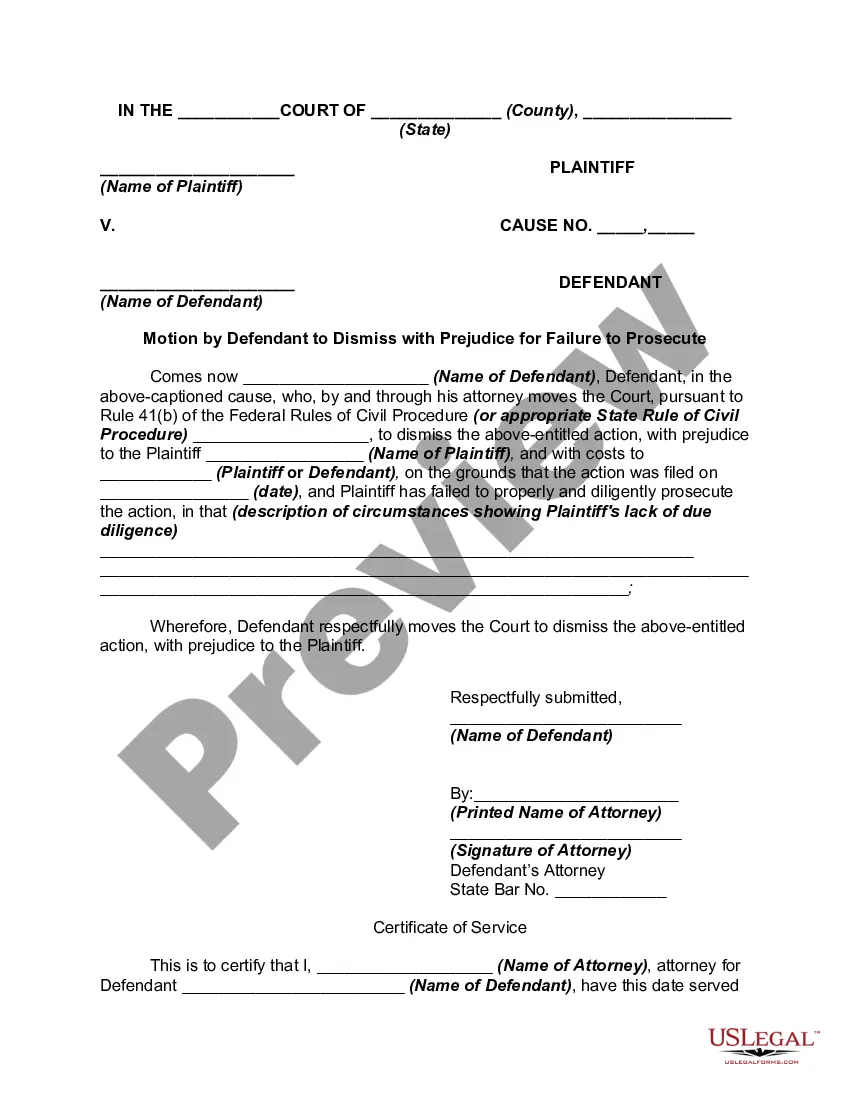
Motion To Dismiss Indiana Form
Description
Get your form ready online
Our built-in tools help you complete, sign, share, and store your documents in one place.
Make edits, fill in missing information, and update formatting in US Legal Forms—just like you would in MS Word.
Download a copy, print it, send it by email, or mail it via USPS—whatever works best for your next step.
Sign and collect signatures with our SignNow integration. Send to multiple recipients, set reminders, and more. Go Premium to unlock E-Sign.
If this form requires notarization, complete it online through a secure video call—no need to meet a notary in person or wait for an appointment.
We protect your documents and personal data by following strict security and privacy standards.

Make edits, fill in missing information, and update formatting in US Legal Forms—just like you would in MS Word.

Download a copy, print it, send it by email, or mail it via USPS—whatever works best for your next step.

Sign and collect signatures with our SignNow integration. Send to multiple recipients, set reminders, and more. Go Premium to unlock E-Sign.

If this form requires notarization, complete it online through a secure video call—no need to meet a notary in person or wait for an appointment.

We protect your documents and personal data by following strict security and privacy standards.
Looking for another form?
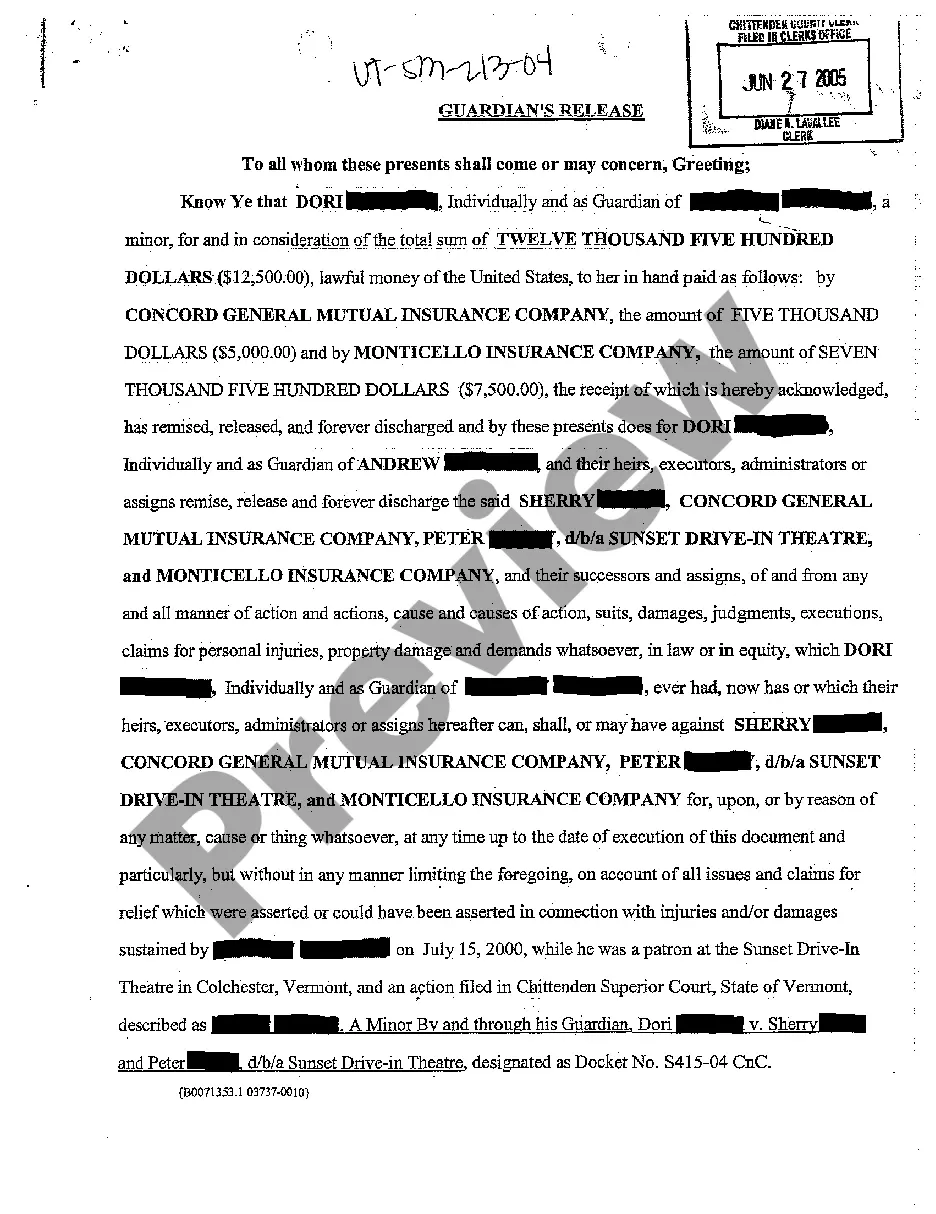

Form popularity
FAQ
An ex parte order of protection in Indiana allows a person to obtain legal protection without the presence of the other party present at the hearing. This type of order is often used in urgent situations where there is a significant risk of harm. Once the order is granted, a subsequent hearing is typically scheduled to allow both parties to present their cases. This mechanism is important for those seeking immediate safety and is detailed in the legal guidance available through UsLegalForms.
In Indiana, a defendant generally has 20 to 30 days to answer a complaint, depending on how they were served. This response period is critical as it directly impacts the trajectory of the case. If you are considering filing a motion to dismiss, knowing this timeframe will help you act promptly. Using resources like the Motion to dismiss Indiana form can help ensure you meet all necessary deadlines.
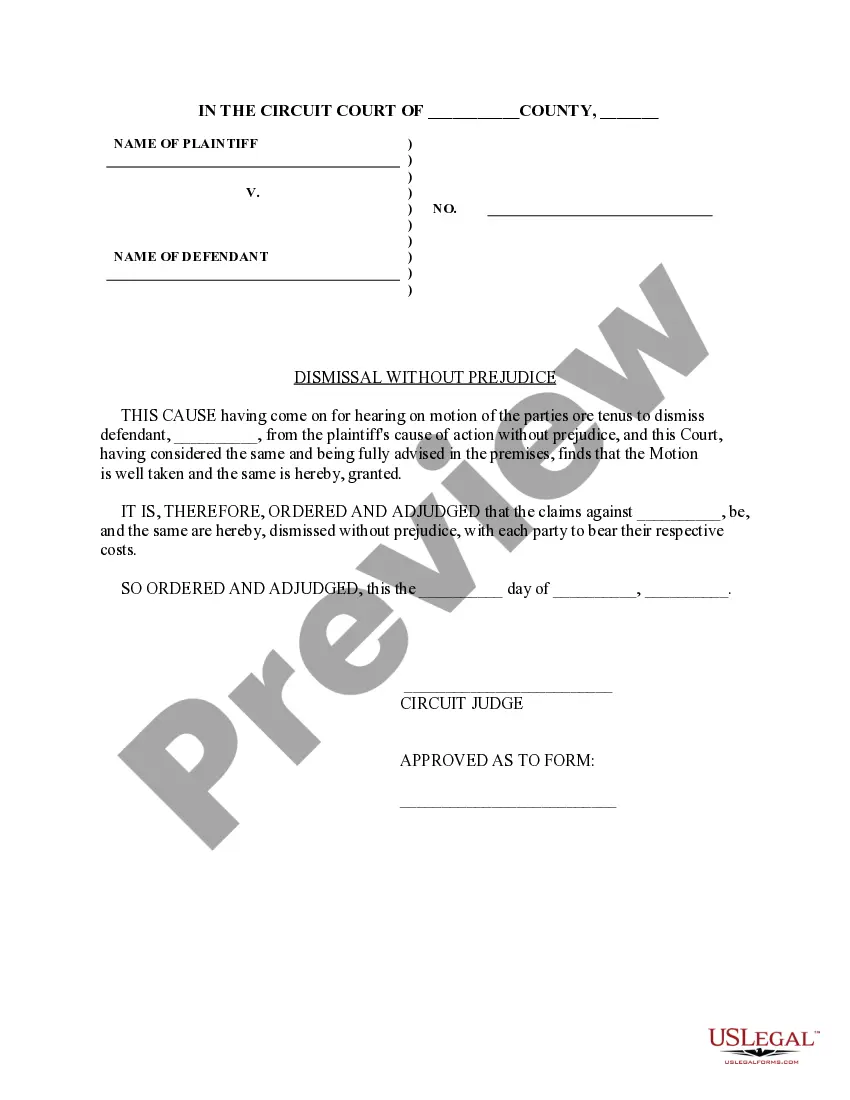
'Dismissed with prejudice' in Indiana means that the case is permanently closed, and the plaintiff cannot bring the same claim against the defendant again. This decision often reflects a ruling made on the merits of the case rather than a procedural issue. It's essential to understand the implications of this outcome, especially when considering filing a motion to dismiss. Engaging with a legal professional can provide clarity on these terms.
The rule for a motion to dismiss in Indiana allows a party to request the court to dismiss a case based on specific legal grounds, such as lack of jurisdiction or failure to state a claim. The Indiana rules of procedure provide detailed guidelines on how to properly file and support your motion. Using the Motion to dismiss Indiana form ensures that you adhere to these rules effectively. Familiarity with these rules will strengthen your case.
In Indiana, a judge is expected to rule on a motion within a reasonable timeframe, typically within 30 days after receiving it. However, this can vary based on the court's schedule and the complexity of the case. It is recommended to check the court’s local rules for specific timelines. Staying informed helps you manage expectations around your motion to dismiss.
To file a motion to dismiss in Indiana, complete the appropriate Motion to dismiss Indiana form and submit it to the court where your case is pending. Ensure that you follow local rules regarding formatting and service of the motion. It’s essential to support your motion with valid legal grounds and relevant evidence. For added ease, consider utilizing UsLegalForms to access accurate forms and guidelines.
In Indiana, you typically have 30 days to respond to a motion to dismiss after it has been filed. This timeframe is important because failing to respond could affect your case negatively. By using the Motion to dismiss Indiana form, you can prepare a thorough response in a timely manner. Staying within this deadline is crucial to protect your legal rights.
In Indiana, there are several common grounds for filing a motion to dismiss. These may include lack of jurisdiction, failure to state a claim, or issues with service of process. Understanding the specific grounds can greatly affect your case's outcome. For clarity, the Motion to dismiss Indiana form can help you outline the appropriate reasons for your motion.
A 41-e dismissal refers to a voluntary dismissal without prejudice in Indiana. This means that the case can be refiled later if necessary. This option allows parties to dismiss the case while preserving their right to bring it before the court again. Considering a 41-e dismissal might be beneficial if you're unsure about moving forward, so consult a Motion to dismiss Indiana form for guidance.
Filing a motion to dismiss in Indiana involves a few straightforward steps. First, you need to prepare the motion using a Motion to dismiss Indiana form, detailing the reasons for dismissal clearly. After preparing the motion, file it with the appropriate court and serve a copy to the opposing party. Proper filing ensures that your motion is considered in a timely manner.