Executor Person Estate Without Bond
Description
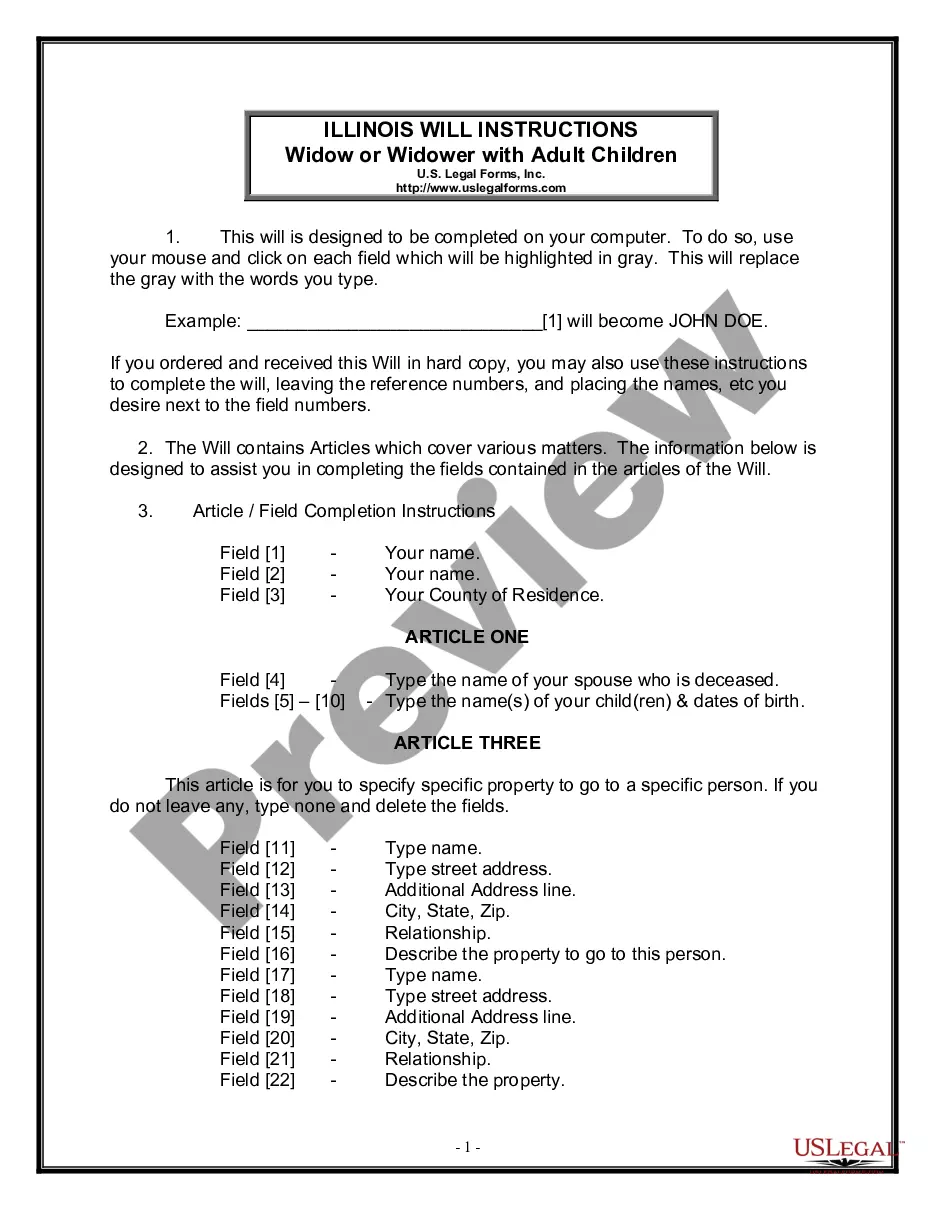
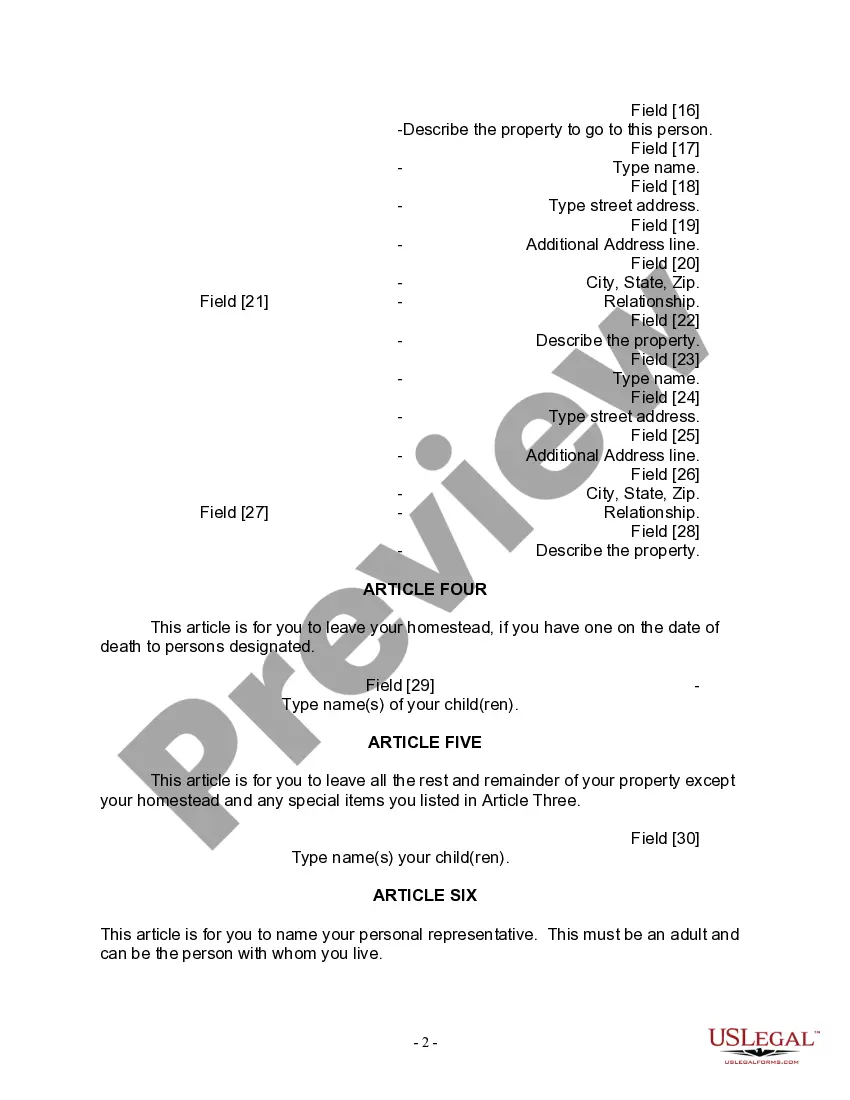
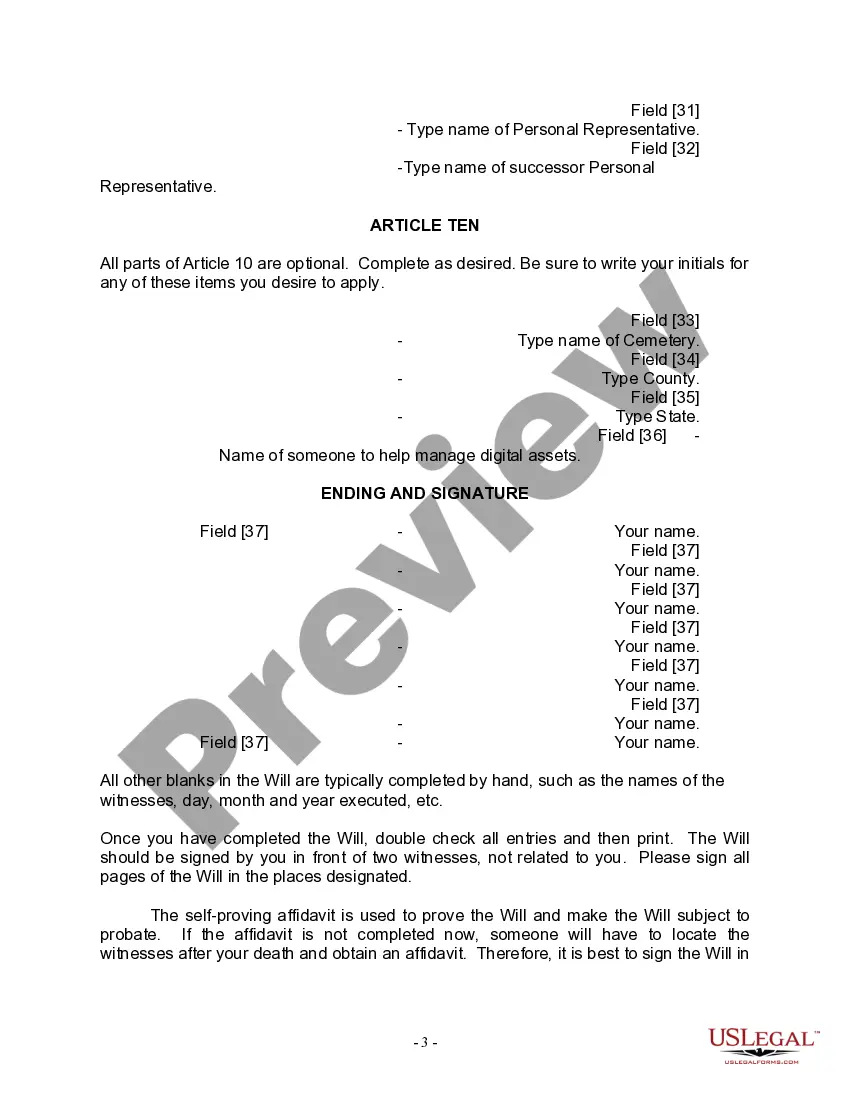
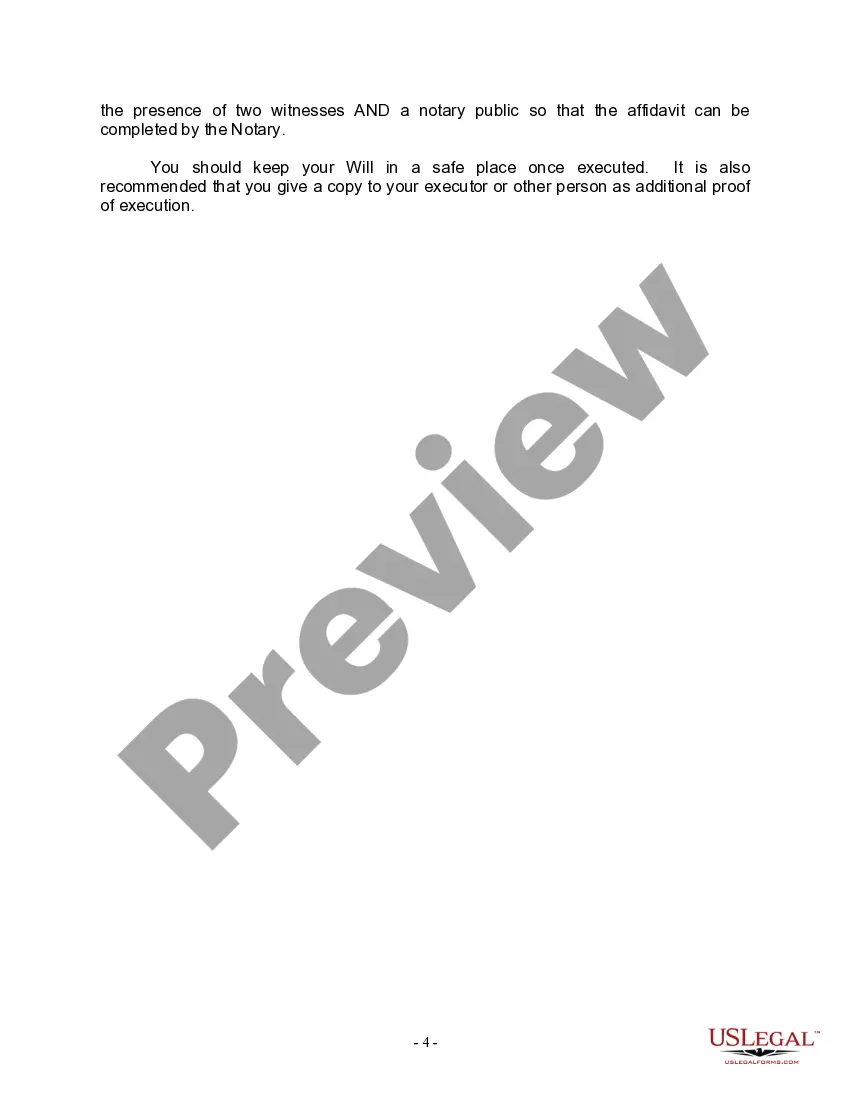
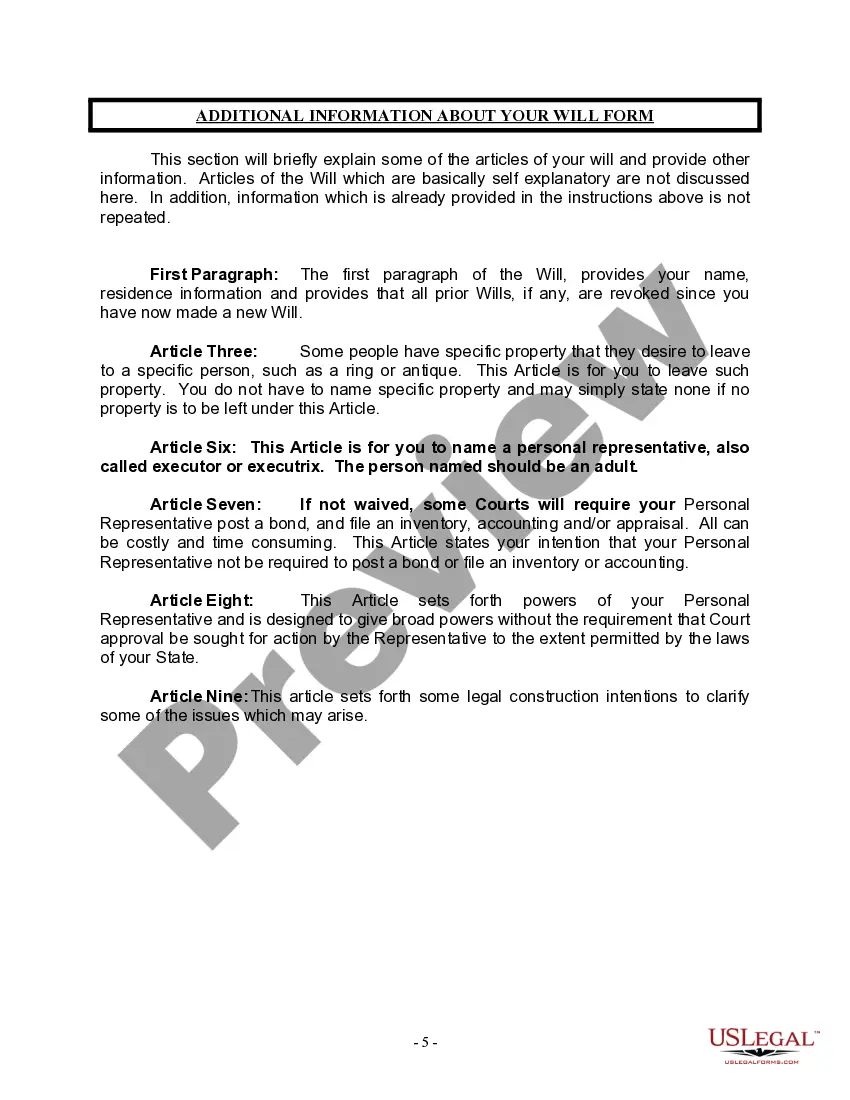
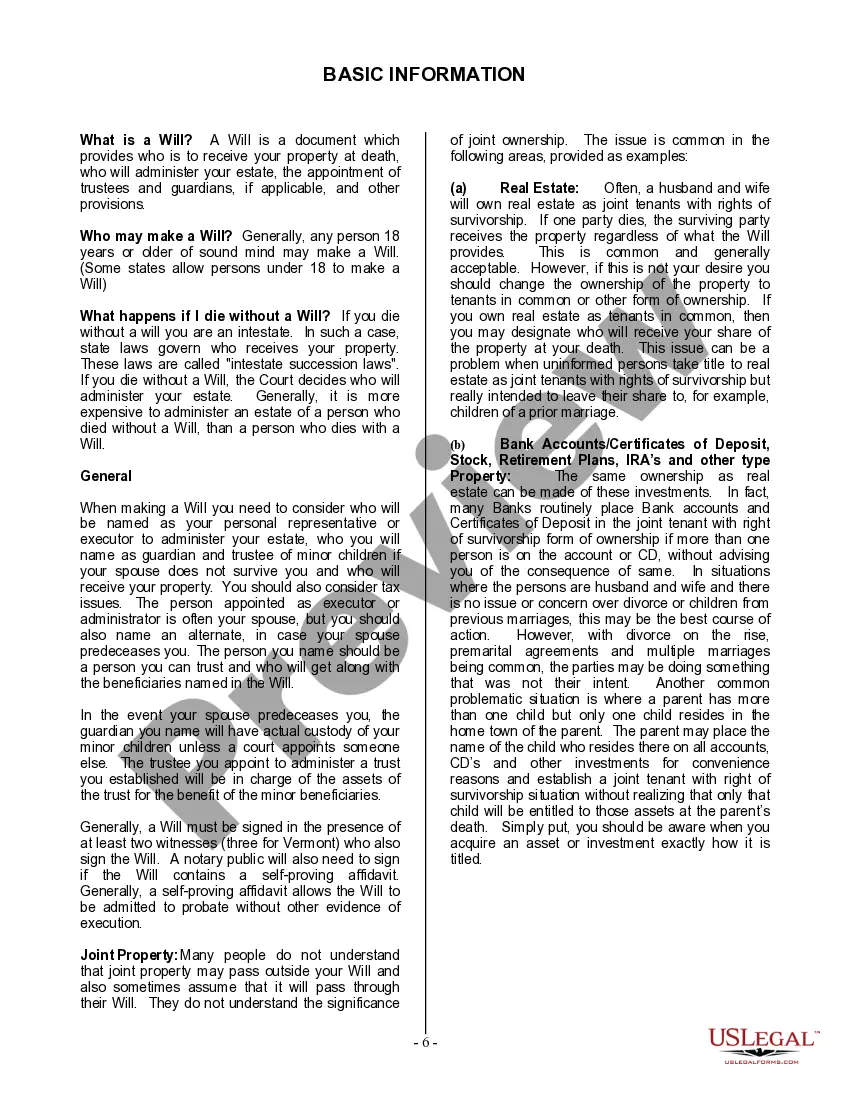
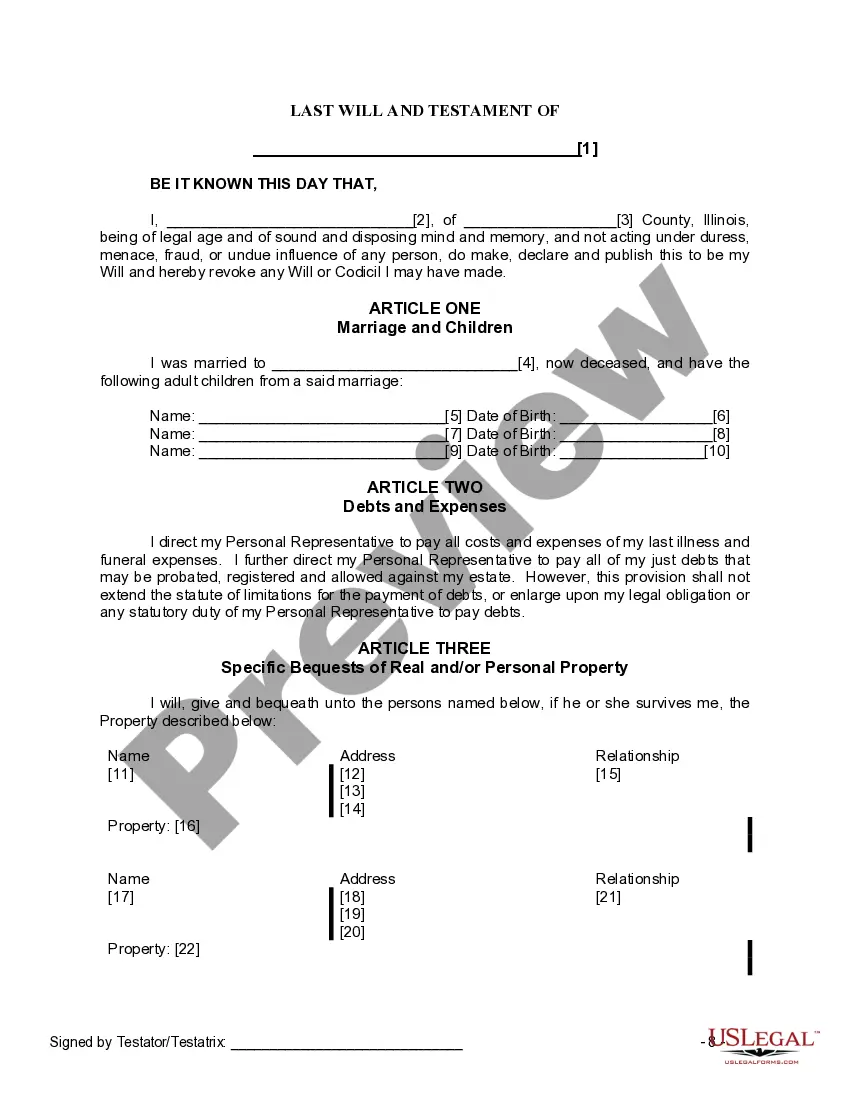
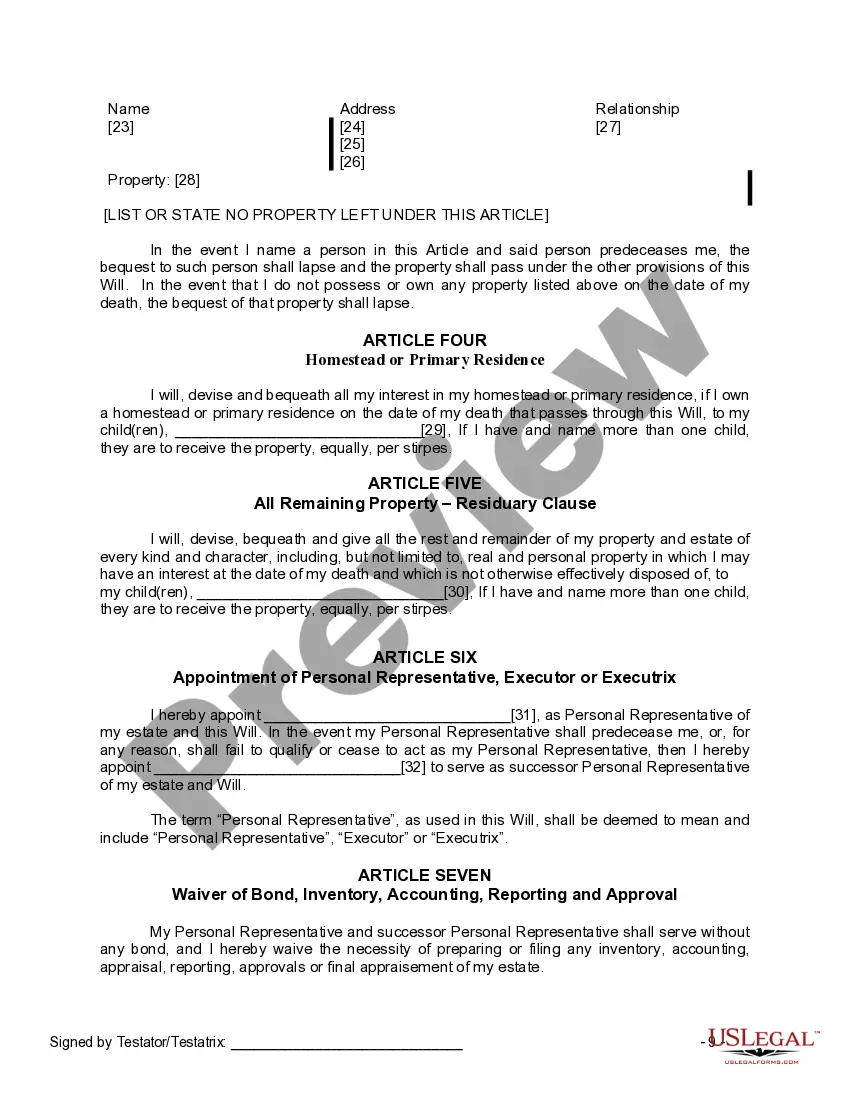
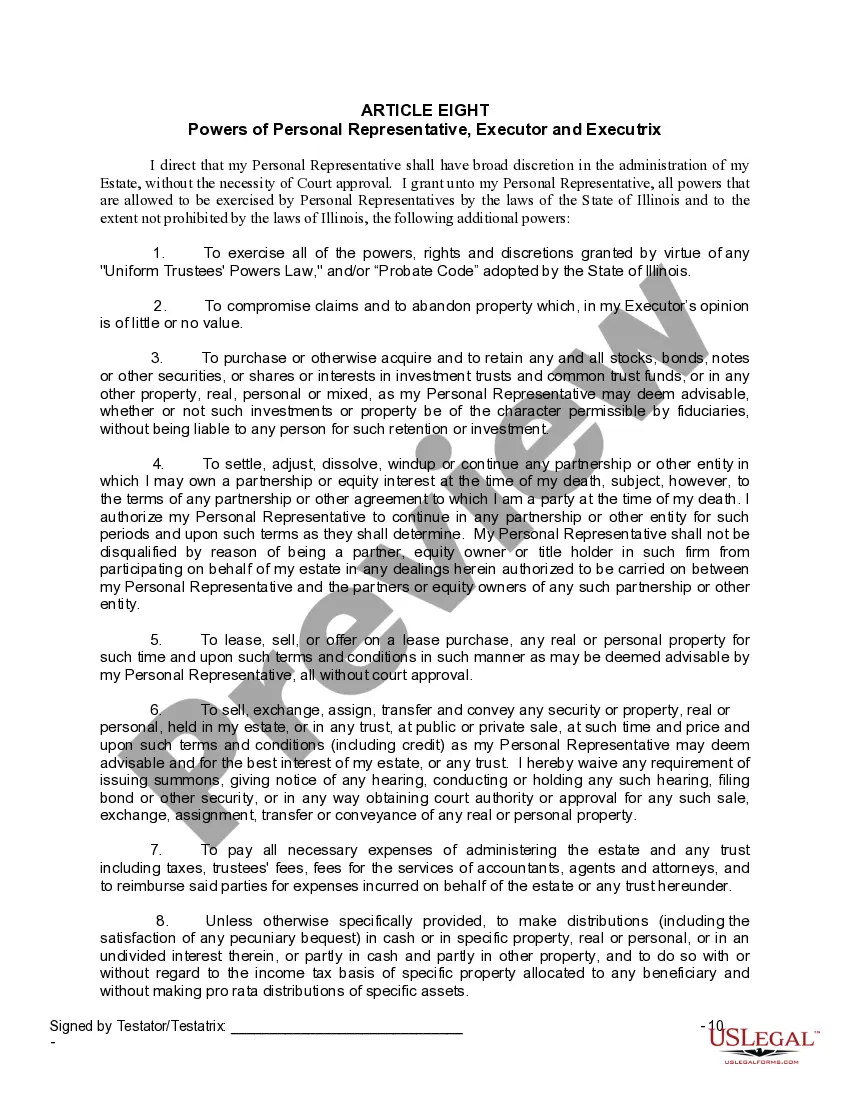





How to fill out Illinois Last Will And Testament For A Widow Or Widower With Adult Children?
Obtaining legal templates that meet the federal and regional regulations is essential, and the internet offers numerous options to choose from. But what’s the point in wasting time searching for the correctly drafted Executor Person Estate Without Bond sample on the web if the US Legal Forms online library already has such templates accumulated in one place?
US Legal Forms is the largest online legal catalog with over 85,000 fillable templates drafted by lawyers for any professional and life case. They are easy to browse with all files collected by state and purpose of use. Our specialists keep up with legislative updates, so you can always be confident your form is up to date and compliant when obtaining a Executor Person Estate Without Bond from our website.
Obtaining a Executor Person Estate Without Bond is simple and fast for both current and new users. If you already have an account with a valid subscription, log in and save the document sample you need in the preferred format. If you are new to our website, adhere to the guidelines below:
- Examine the template utilizing the Preview feature or via the text description to ensure it fits your needs.
- Look for another sample utilizing the search function at the top of the page if necessary.
- Click Buy Now when you’ve located the correct form and choose a subscription plan.
- Register for an account or sign in and make a payment with PayPal or a credit card.
- Pick the format for your Executor Person Estate Without Bond and download it.
All templates you find through US Legal Forms are reusable. To re-download and fill out previously saved forms, open the My Forms tab in your profile. Enjoy the most extensive and easy-to-use legal paperwork service!
Form popularity
FAQ
If the estate must go through probate, the probate court will legally confirm your appointment as executor with what are called letters testamentary (sometimes called surrogate certificates).
Your last will and testament does not distribute outstanding debts to your beneficiaries. Any remaining debt that follows your death will be paid out of your estate.
A Letter of Appointment of Executor helps prove you have been put in charge of someone's estate after they have passed away. As Executor, you've been given the duty to manage the estate and carry out the directions of the will; however, a court may require official documentation.
In the case of an executor bond, the bond guarantees that the executor will administer the estate ing to both the will and the law. The executor is in charge of all the assets, in some cases worth a very large amount of money, that rightfully belong to the beneficiaries listed in the will.
In order to be appointed, an estate bond is often required by the courts, allowing you to distribute the assets as per the will or by law, while also closing all present financial affairs on the deceased's behalf.