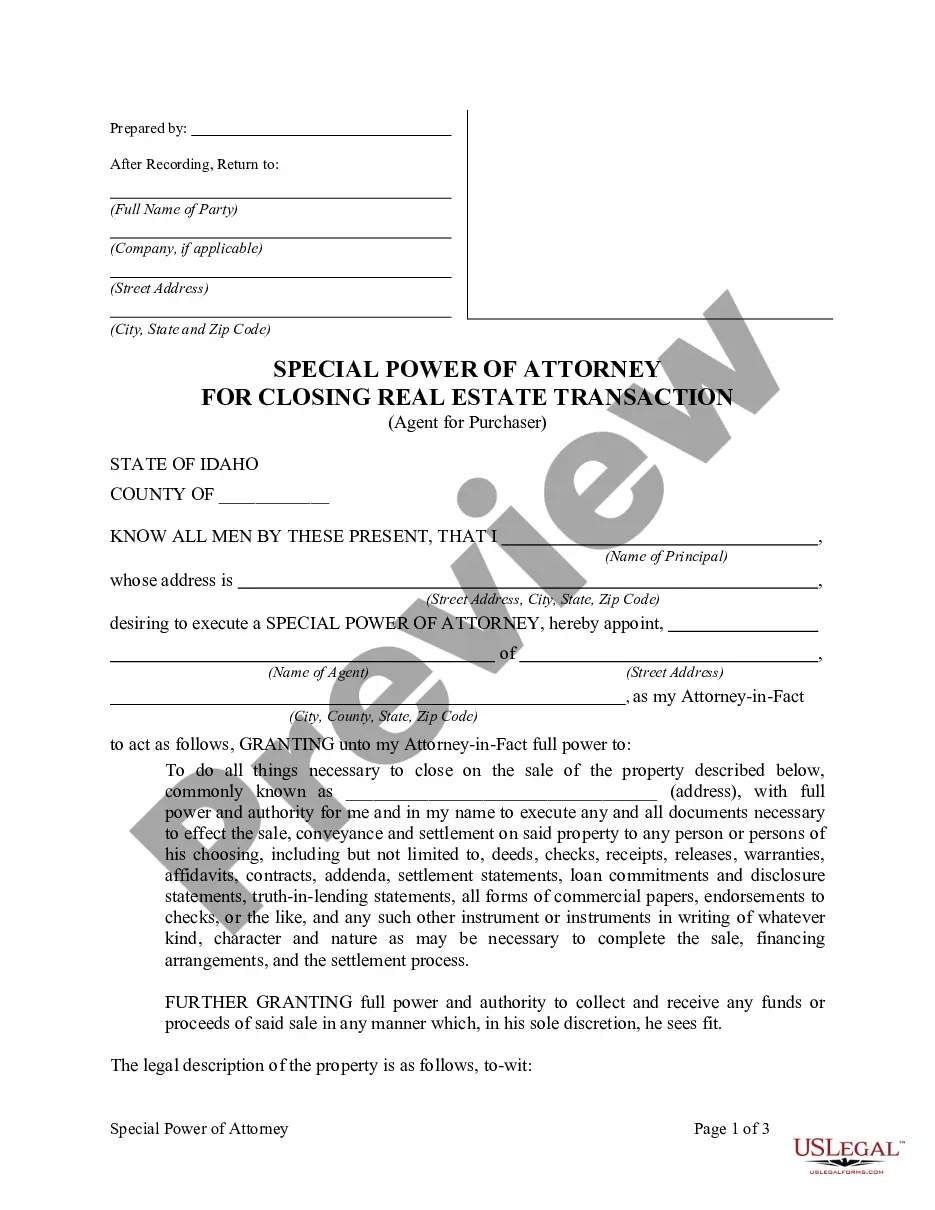
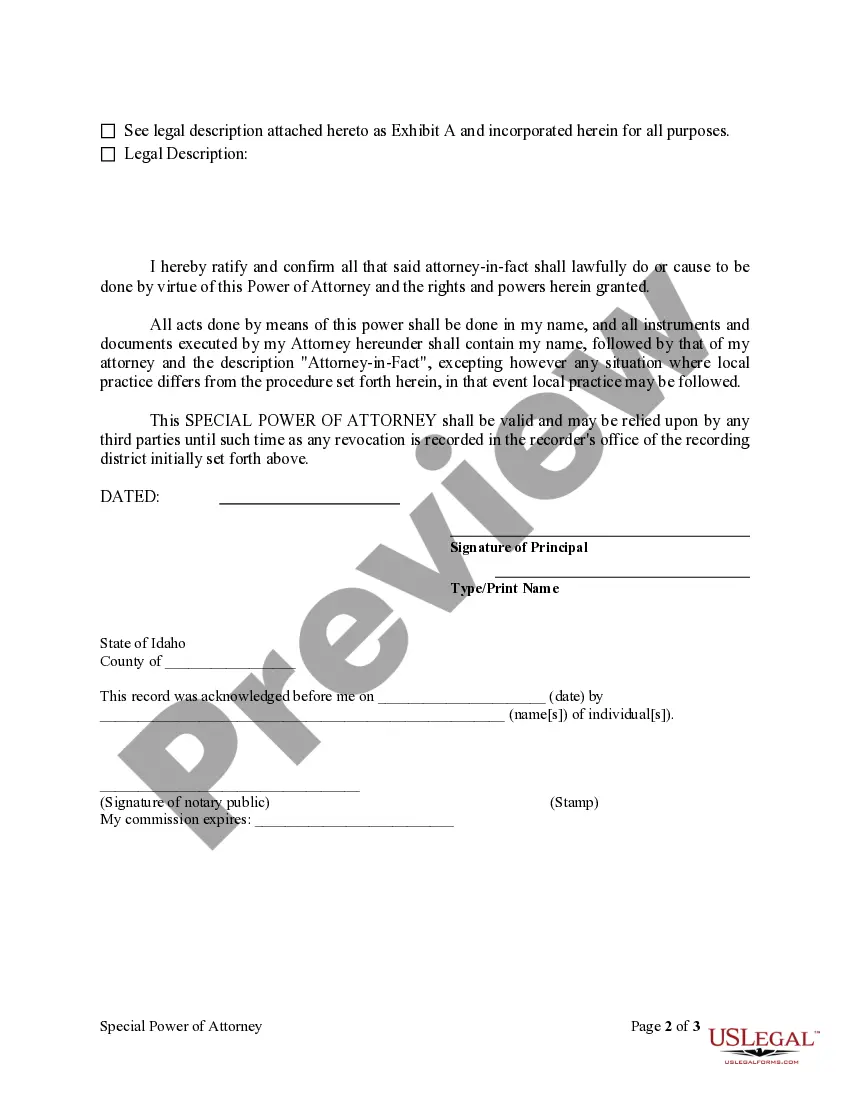
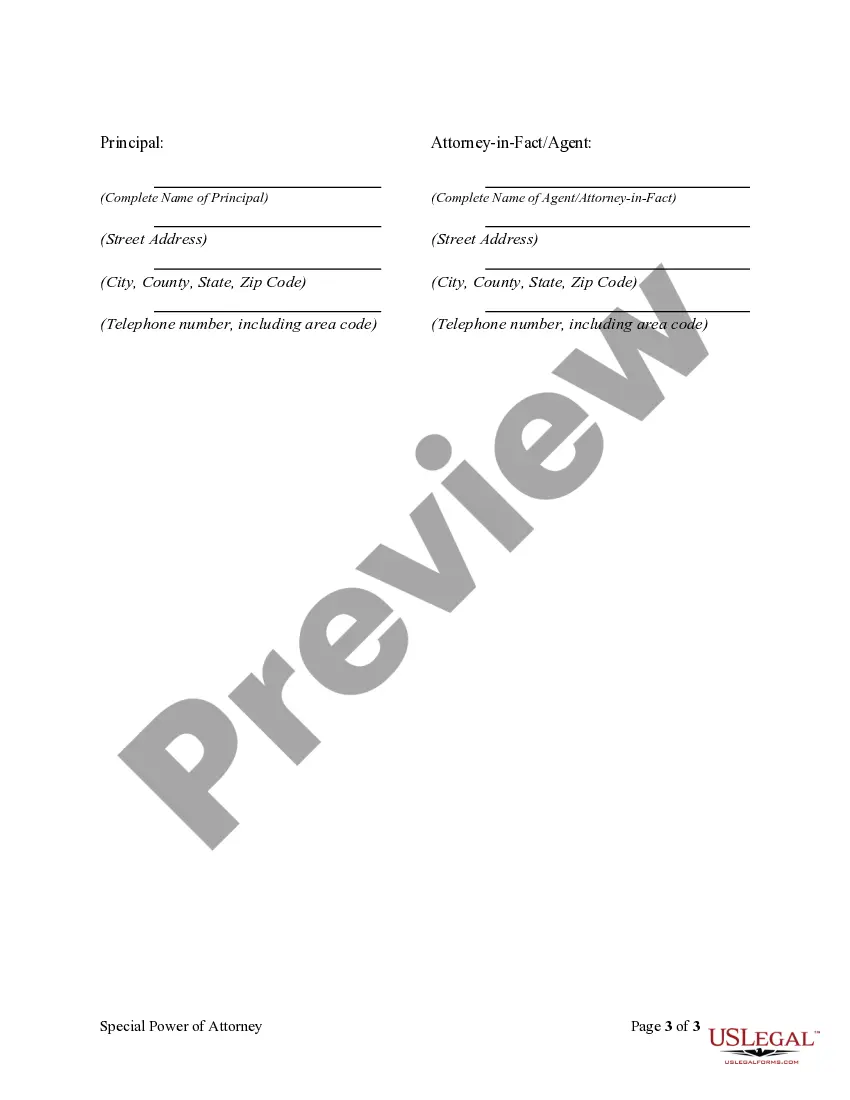
This Power of Attorney for Real Estate Transaction form is for a Purchaser to authorize an attorney-in-fact to execute all documents and do all things necessary to purchase a particular parcel of real estate for purchaser, including loan documents. This form must be signed and notarized.
Real Estate Attorney For Eviction
State:
IdahoPlease select your state
Select state
Category:
Control #:
ID-P099A
Format:
Word;
Rich Text
51 downloads
Description
Free preview
Get your form ready online
Our built-in tools help you complete, sign, share, and store your documents in one place.
Built-in online Word editor
Make edits, fill in missing information, and update formatting in US Legal Forms—just like you would in MS Word.
Export easily
Download a copy, print it, send it by email, or mail it via USPS—whatever works best for your next step.
E-sign your document
Sign and collect signatures with our SignNow integration. Send to multiple recipients, set reminders, and more. Go Premium to unlock E-Sign.
Notarize online 24/7
If this form requires notarization, complete it online through a secure video call—no need to meet a notary in person or wait for an appointment.
Store your document securely
We protect your documents and personal data by following strict security and privacy standards.

Make edits, fill in missing information, and update formatting in US Legal Forms—just like you would in MS Word.

Download a copy, print it, send it by email, or mail it via USPS—whatever works best for your next step.

Sign and collect signatures with our SignNow integration. Send to multiple recipients, set reminders, and more. Go Premium to unlock E-Sign.

If this form requires notarization, complete it online through a secure video call—no need to meet a notary in person or wait for an appointment.

We protect your documents and personal data by following strict security and privacy standards.
Looking for another form?







How to fill out Idaho Special Or Limited Power Of Attorney For Real Estate Purchase Transaction By Purchaser?
- Log in to your US Legal Forms account if you're already a user. Confirm your subscription is active, and click the Download button for your required template.
- If you're new to US Legal Forms, start by checking the Preview mode and form descriptions to ensure you select the right template that complies with your local jurisdiction.
- If you find inconsistencies or need a different template, use the Search tab to locate the correct one.
- Once you have the appropriate form, select the Buy Now button and choose your desired subscription plan. Create an account to access the legal library.
- Complete your purchase by entering your payment details, either via credit card or PayPal.
- Finally, download your completed form to your device. You can access it anytime in the My Forms section of your profile.
Following these steps will empower you to manage the eviction process efficiently. US Legal Forms not only offers a vast collection of legal templates but also connects you with experts to ensure your forms are filled out correctly.
Start simplifying your legal process today with US Legal Forms and take charge of your eviction documentation!
Form popularity
FAQ
In Vermont, landlords must provide tenants with a written notice prior to beginning the eviction process, typically a 30-day notice for month-to-month leases. If the tenant fails to comply, the landlord can then file for eviction in court. For anyone needing help navigating these rules, a real estate attorney for eviction can provide essential insights and support.
Currently, eviction processes in California can take several weeks to months, depending on the court's schedule and specific case details. Various factors may influence timelines, including potential delays or negotiations. A real estate attorney for eviction can help expedite the process by ensuring all necessary documentation is properly handled.
The latest laws regarding eviction in California emphasize tenant protections, including longer notice periods and stricter rules for landlords. These laws aim to prevent unjust evictions and ensure due process. Engaging a real estate attorney for eviction can help both landlords and tenants understand their rights and obligations.
The new California renter law of 2025 introduces increased protections for tenants, including limits on rent increases and enhanced eviction protections. It aims to provide tenants with greater stability in housing. In navigating these changes, a real estate attorney for eviction can offer crucial guidance.
No, a landlord cannot evict you without going through the court system in California. They must file an unlawful detainer action and receive a court ruling. Working with a real estate attorney for eviction can ensure your rights are protected throughout the process.
In California, the notice period for a landlord to ask a tenant to move out depends on the length of the tenancy. For month-to-month leases, landlords generally must provide a 30-day notice. If a tenant has lived in the rental for a year or more, the notice may extend to 60 days. Consulting a real estate attorney for eviction can help clarify specific circumstances.
Yes, you can sue your landlord for improperly sharing your personal information. If you believe your privacy has been violated, consulting a real estate attorney for eviction can clarify your options. They will help you understand the legal implications and build a strong case against your landlord to seek appropriate remedies.
Your landlord cannot evict you solely for suing them, as that would constitute retaliation. It is important to communicate your intentions clearly and work with a real estate attorney for eviction to ensure you follow the correct legal processes. They can help protect your rights and navigate any potential complications during your case.
Evicting a tenant in New Mexico requires following state laws concerning notice and court proceedings. A landlord must provide a written notice citing the reason for eviction. To ensure compliance with all legal requirements, a real estate attorney for eviction can be invaluable to help you navigate the process.
To sue your landlord and increase your chances of winning, gather evidence of wrongdoing and document all communications. Engaging a real estate attorney for eviction can enhance your case, as they will know the relevant laws and help present your facts effectively in court. They will also guide you through the legal process, ensuring you meet all requirements.