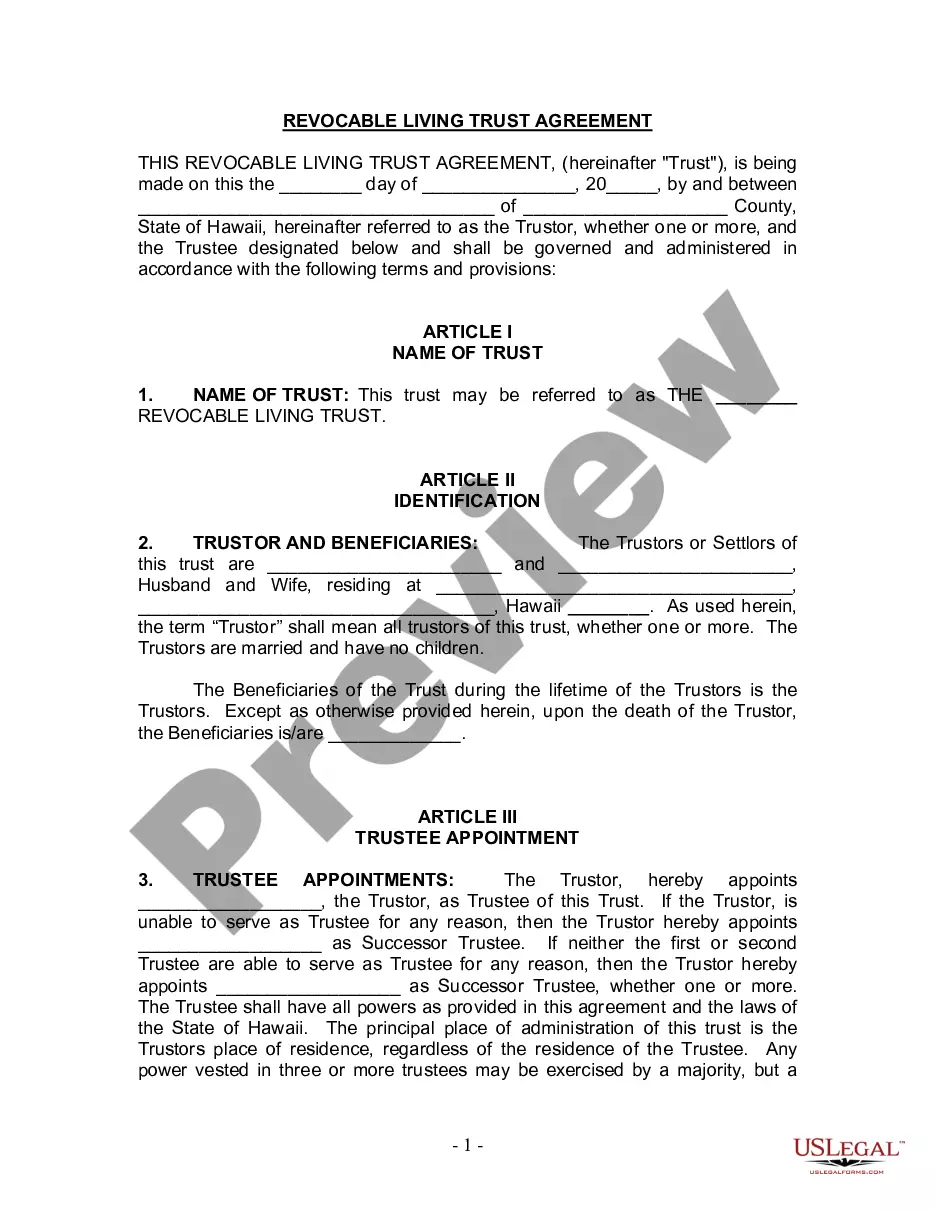
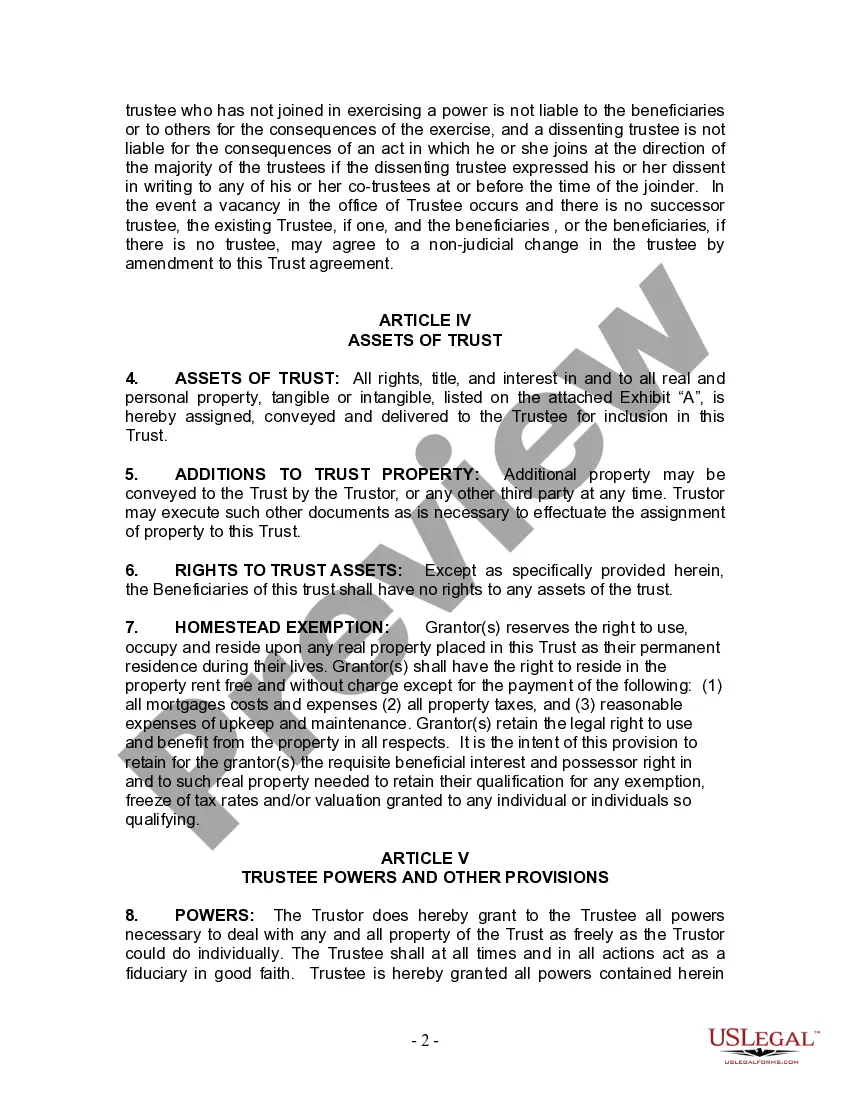
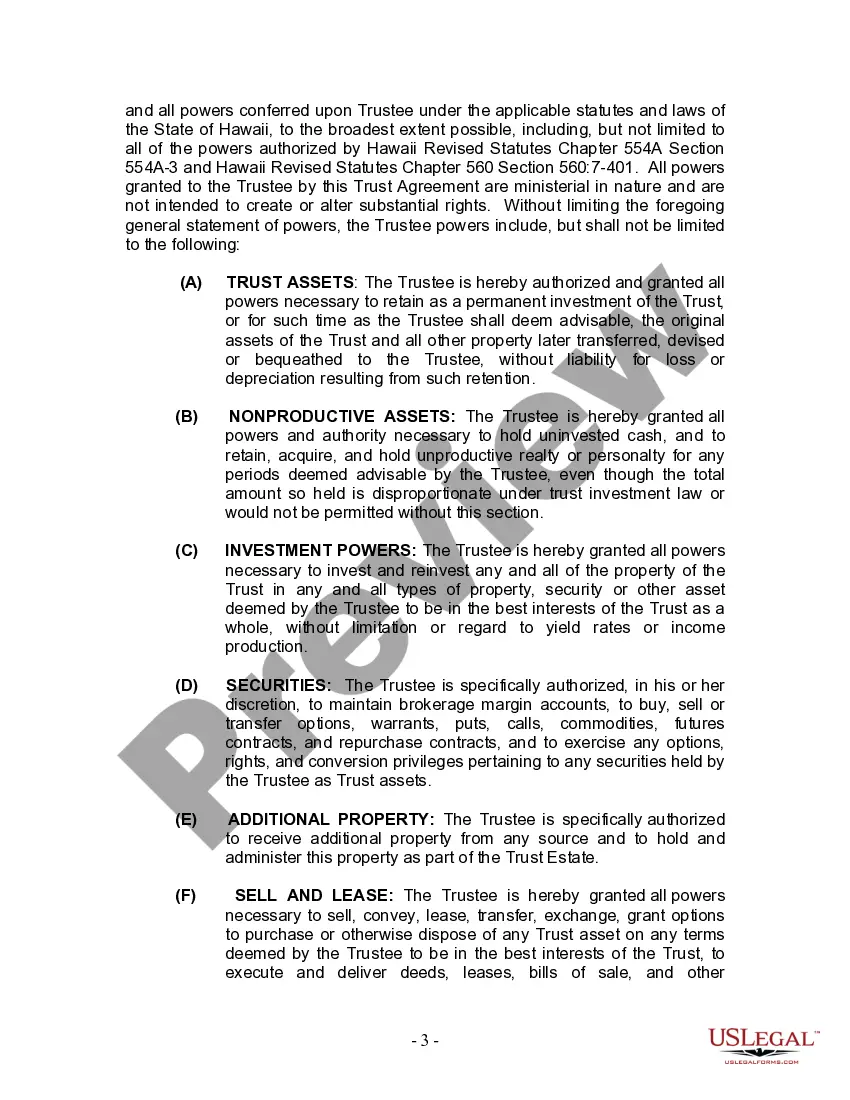
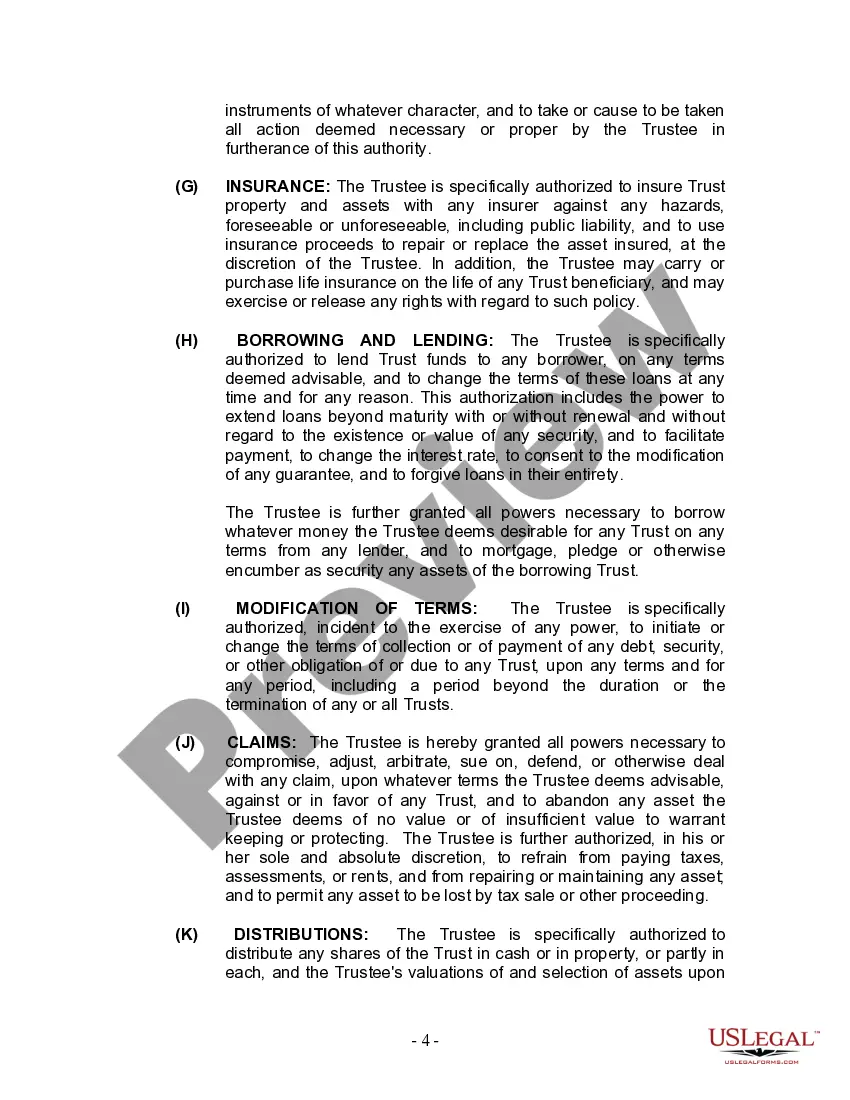
Hawaii Living Trust With Mortgage
Description
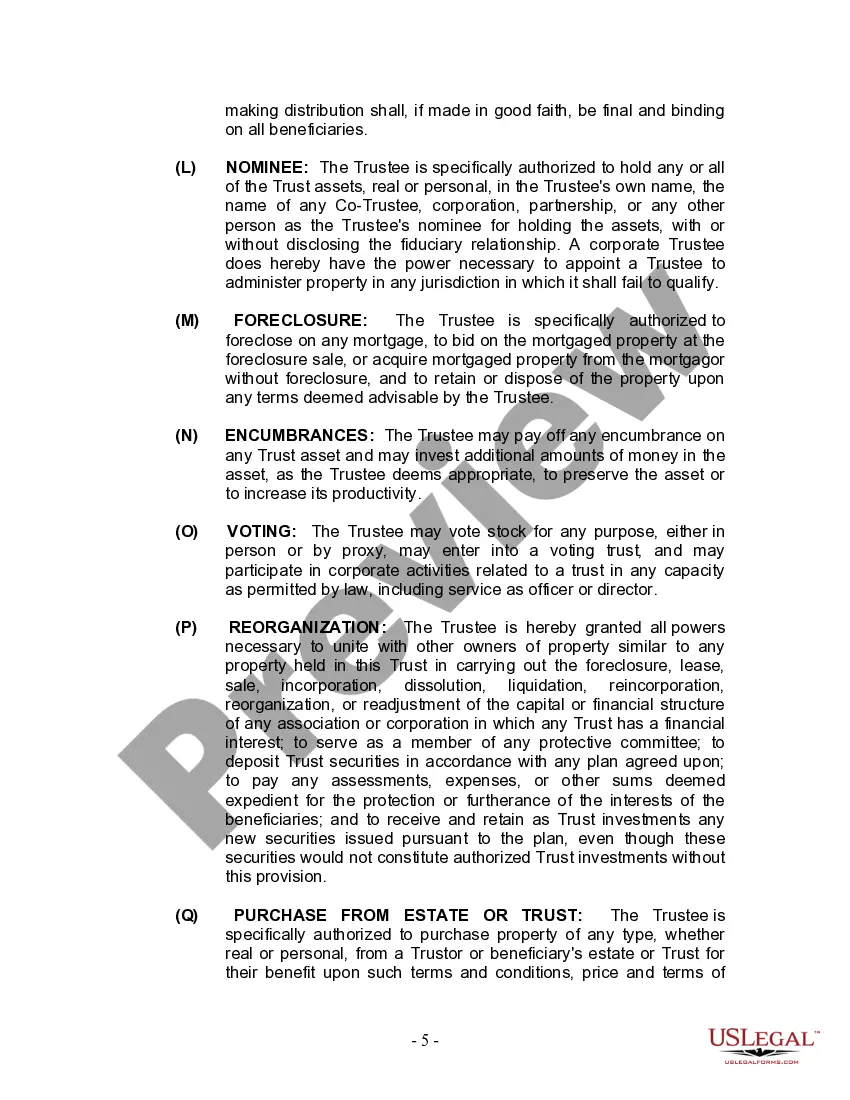
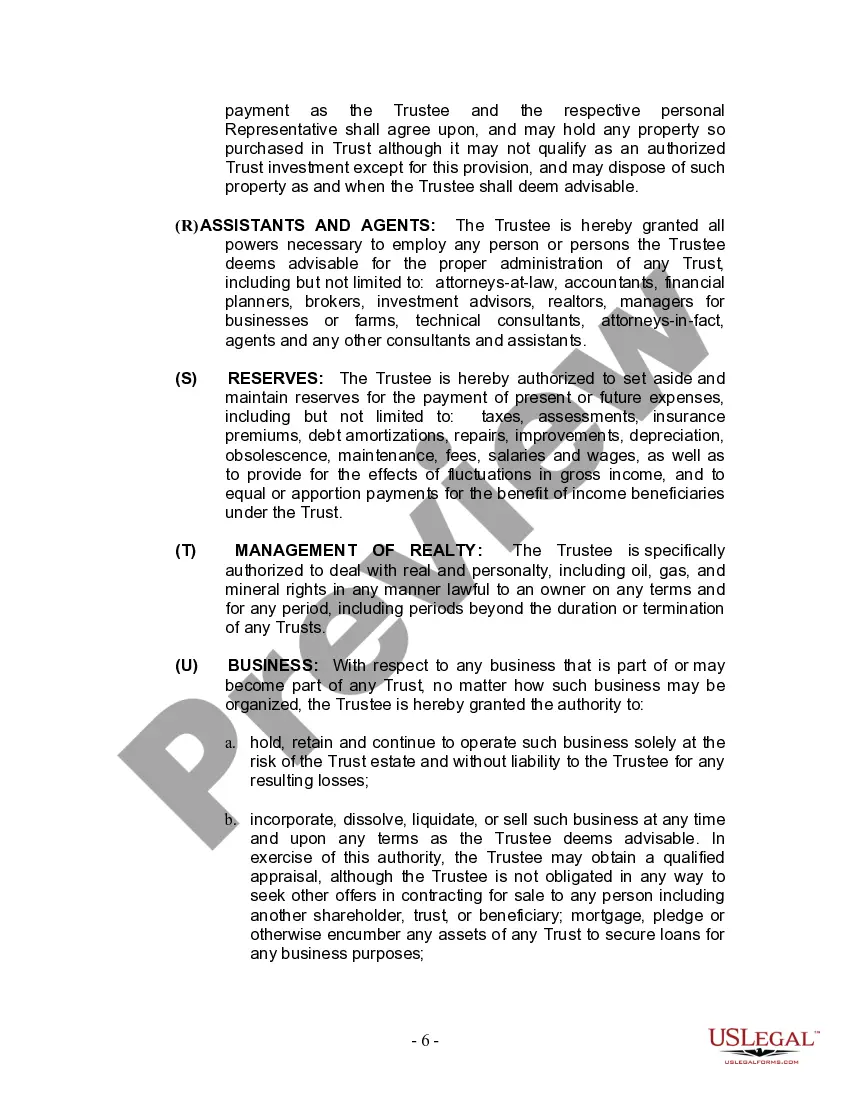
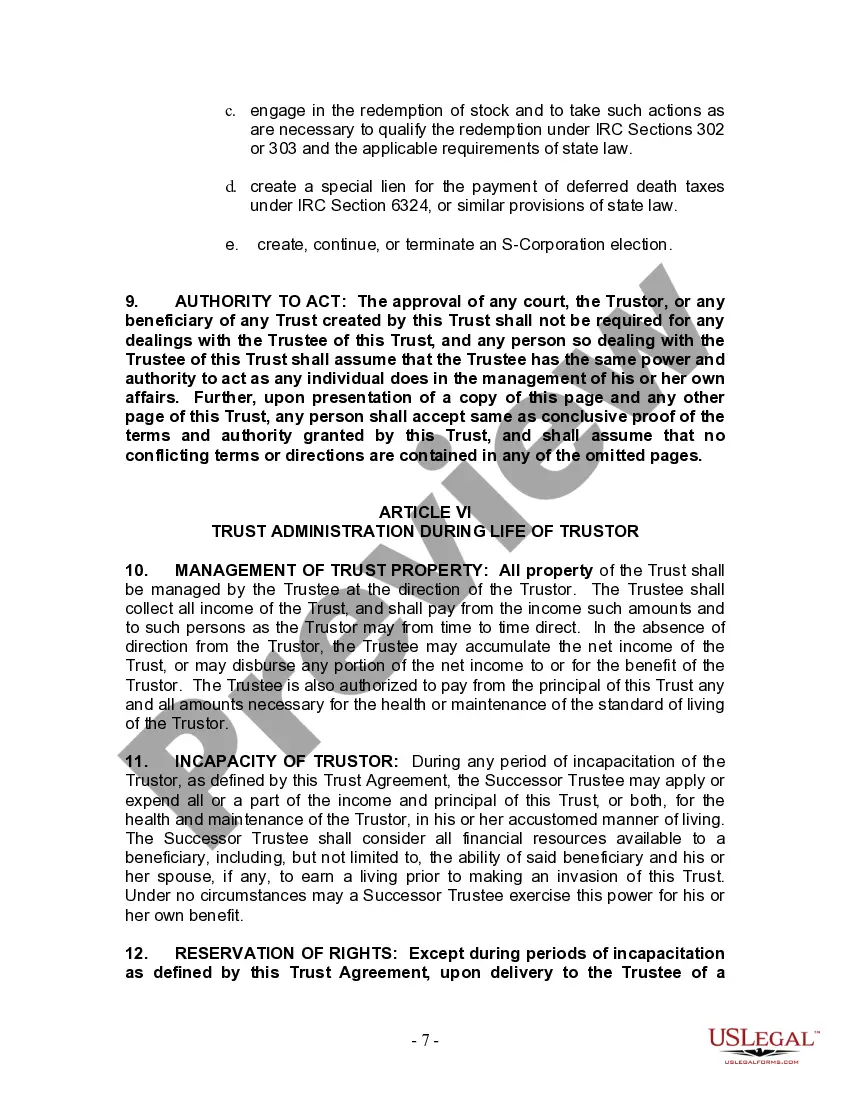
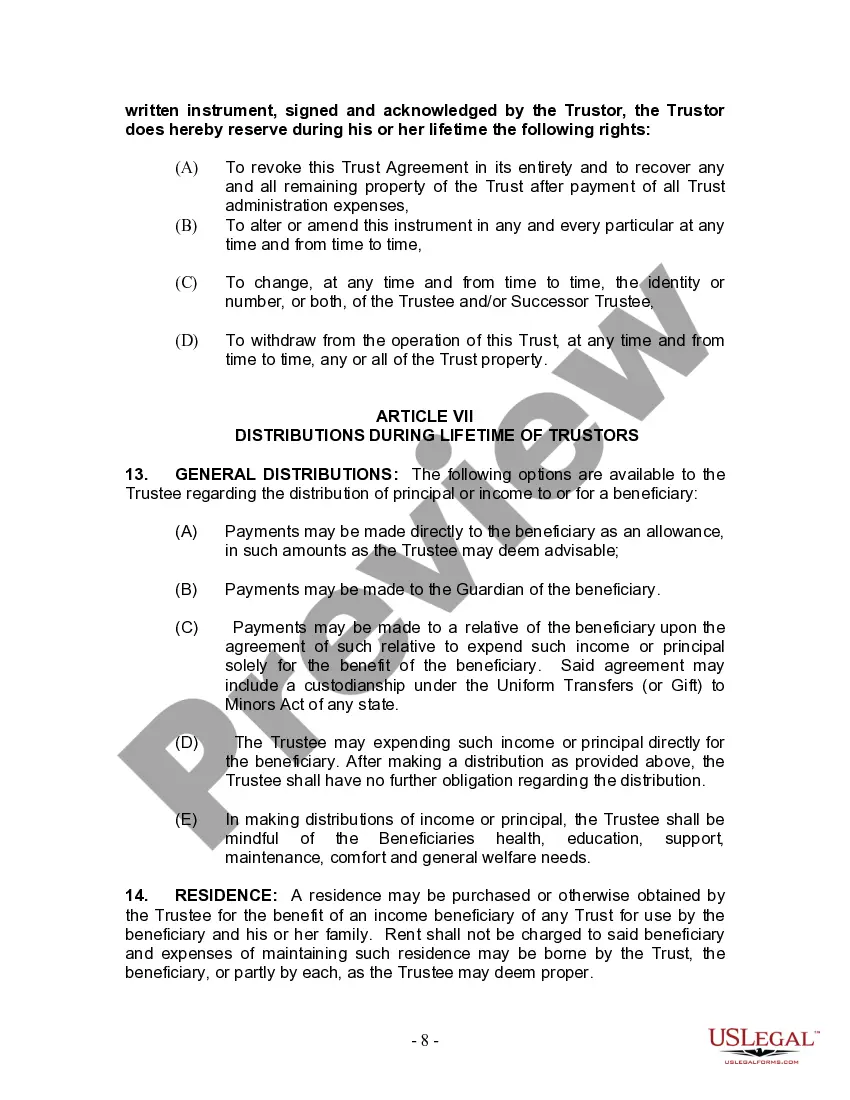




Get your form ready online
Our built-in tools help you complete, sign, share, and store your documents in one place.
Make edits, fill in missing information, and update formatting in US Legal Forms—just like you would in MS Word.
Download a copy, print it, send it by email, or mail it via USPS—whatever works best for your next step.
Sign and collect signatures with our SignNow integration. Send to multiple recipients, set reminders, and more. Go Premium to unlock E-Sign.
If this form requires notarization, complete it online through a secure video call—no need to meet a notary in person or wait for an appointment.
We protect your documents and personal data by following strict security and privacy standards.

Make edits, fill in missing information, and update formatting in US Legal Forms—just like you would in MS Word.

Download a copy, print it, send it by email, or mail it via USPS—whatever works best for your next step.

Sign and collect signatures with our SignNow integration. Send to multiple recipients, set reminders, and more. Go Premium to unlock E-Sign.

If this form requires notarization, complete it online through a secure video call—no need to meet a notary in person or wait for an appointment.

We protect your documents and personal data by following strict security and privacy standards.
Looking for another form?
Form popularity
FAQ
Yes, you can place a house with a mortgage into a trust, including a Hawaii living trust with mortgage. When doing so, it's important to inform your lender as some mortgage agreements contain clauses regarding transferring property into a trust. This action does not eliminate your mortgage obligations, but it can simplify the transfer of ownership upon death. Using platforms like US Legal Forms can help streamline this process and ensure you meet all requirements.
In Hawaii, a trust does not need to be recorded to be valid. However, if a property within the trust, such as real estate, is involved, it may need to be recorded to provide proof of ownership. This means if you want to ensure your Hawaii living trust with mortgage effectively manages your property, it's wise to consider recording those assets. Consulting with a legal expert can provide clarity on how to navigate this process.
A mortgage is not a form of a deed of trust; they are different legal tools. A mortgage involves only two parties—the borrower and the lender—whereas a deed of trust involves three parties. When considering a Hawaii living trust with mortgage, it’s crucial to grasp these different forms and their implications.
Hawaii primarily uses mortgages rather than deeds of trust. This means that borrowers directly hold their property titles while the lender retains a lien until the mortgage is satisfied. If you are exploring a Hawaii living trust with mortgage, knowing the state's laws helps in planning your estate effectively.
You can absolutely put your house in a living trust with a mortgage. A Hawaii living trust with a mortgage allows your property to be managed according to your wishes while you still owe on the mortgage. Just remember to check with your lender and ensure you follow all necessary legal steps. Utilizing USLegalForms can provide the guidance you need to navigate this process efficiently.
Establishing a Hawaii living trust with a mortgage can have some drawbacks. First, you may face higher costs from legal fees and ongoing maintenance of the trust. Additionally, transferring property into a trust may trigger property tax reassessments, leading to higher taxes. Lastly, if you need to sell the home, the process can become more complicated due to the trust's requirements.
The downside of putting assets in a trust is that it can limit access to those assets during the grantor's lifetime. If you have a Hawaii living trust with a mortgage, this limitation can create complexities with handling debt. Furthermore, improper funding or management of the trust can lead to additional stress for you and your beneficiaries.
One downfall of having a trust is the ongoing management and potential costs associated with maintaining it. For example, a Hawaii living trust with a mortgage may require ongoing legal assistance to navigate property and debt management. Additionally, if not structured correctly, a trust can lead to complications when distributing assets after death.
Yes, you can have a living trust with a mortgage; however, it is essential to consult with your lender. A Hawaii living trust with a mortgage should address how the debt is managed within the trust. Proper documentation ensures that the trust complies with lender requirements and protects the family's interests.
A common mistake parents make is not funding the trust properly, leaving it empty and ineffective. If parents intend to establish a Hawaii living trust with a mortgage, they must ensure that all relevant assets, like property, are transferred into the trust. Additionally, failing to communicate their intentions to beneficiaries can lead to confusion later.
