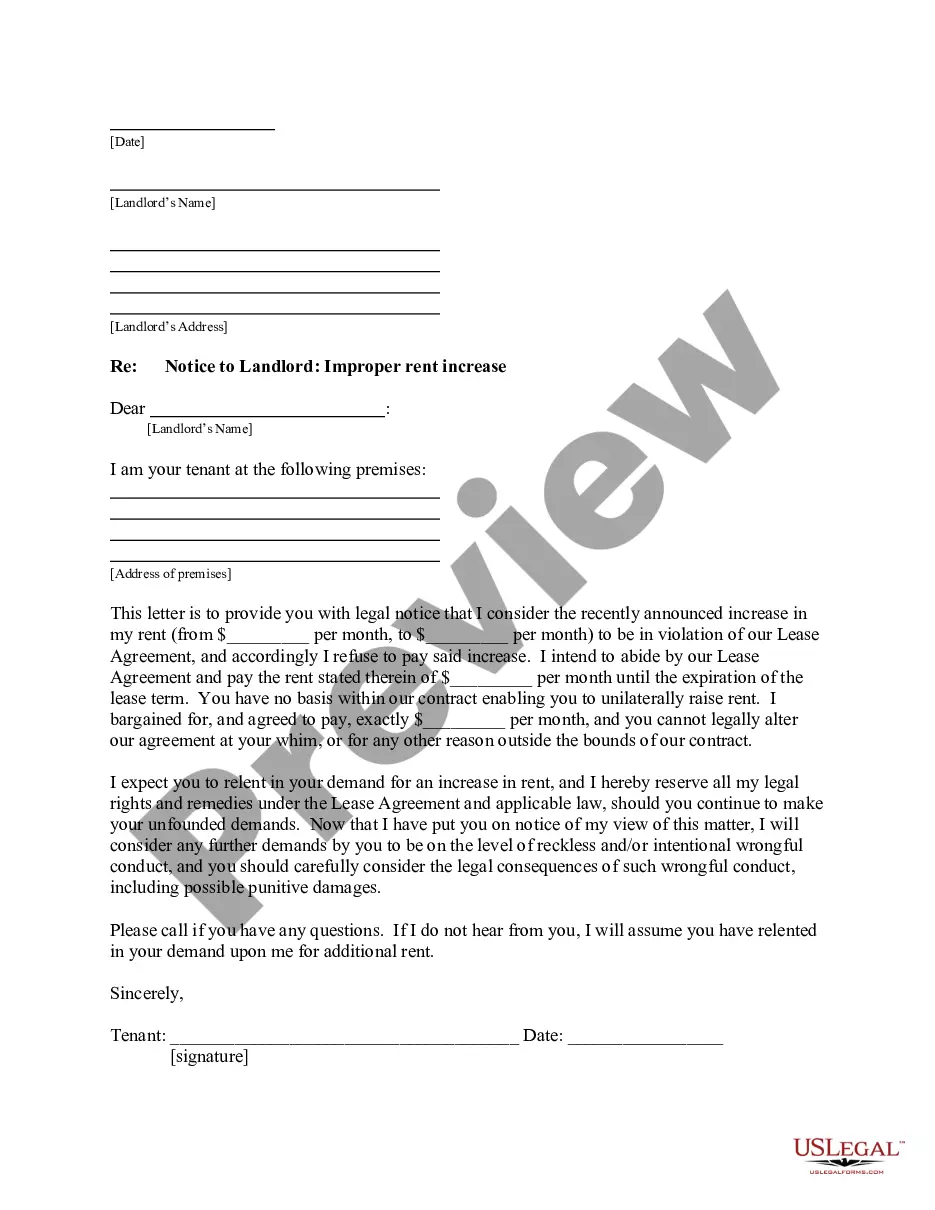
Rent Increase During Withholding Period
Description

Get your form ready online
Our built-in tools help you complete, sign, share, and store your documents in one place.
Make edits, fill in missing information, and update formatting in US Legal Forms—just like you would in MS Word.
Download a copy, print it, send it by email, or mail it via USPS—whatever works best for your next step.
Sign and collect signatures with our SignNow integration. Send to multiple recipients, set reminders, and more. Go Premium to unlock E-Sign.
If this form requires notarization, complete it online through a secure video call—no need to meet a notary in person or wait for an appointment.
We protect your documents and personal data by following strict security and privacy standards.

Make edits, fill in missing information, and update formatting in US Legal Forms—just like you would in MS Word.

Download a copy, print it, send it by email, or mail it via USPS—whatever works best for your next step.

Sign and collect signatures with our SignNow integration. Send to multiple recipients, set reminders, and more. Go Premium to unlock E-Sign.

If this form requires notarization, complete it online through a secure video call—no need to meet a notary in person or wait for an appointment.

We protect your documents and personal data by following strict security and privacy standards.
Looking for another form?








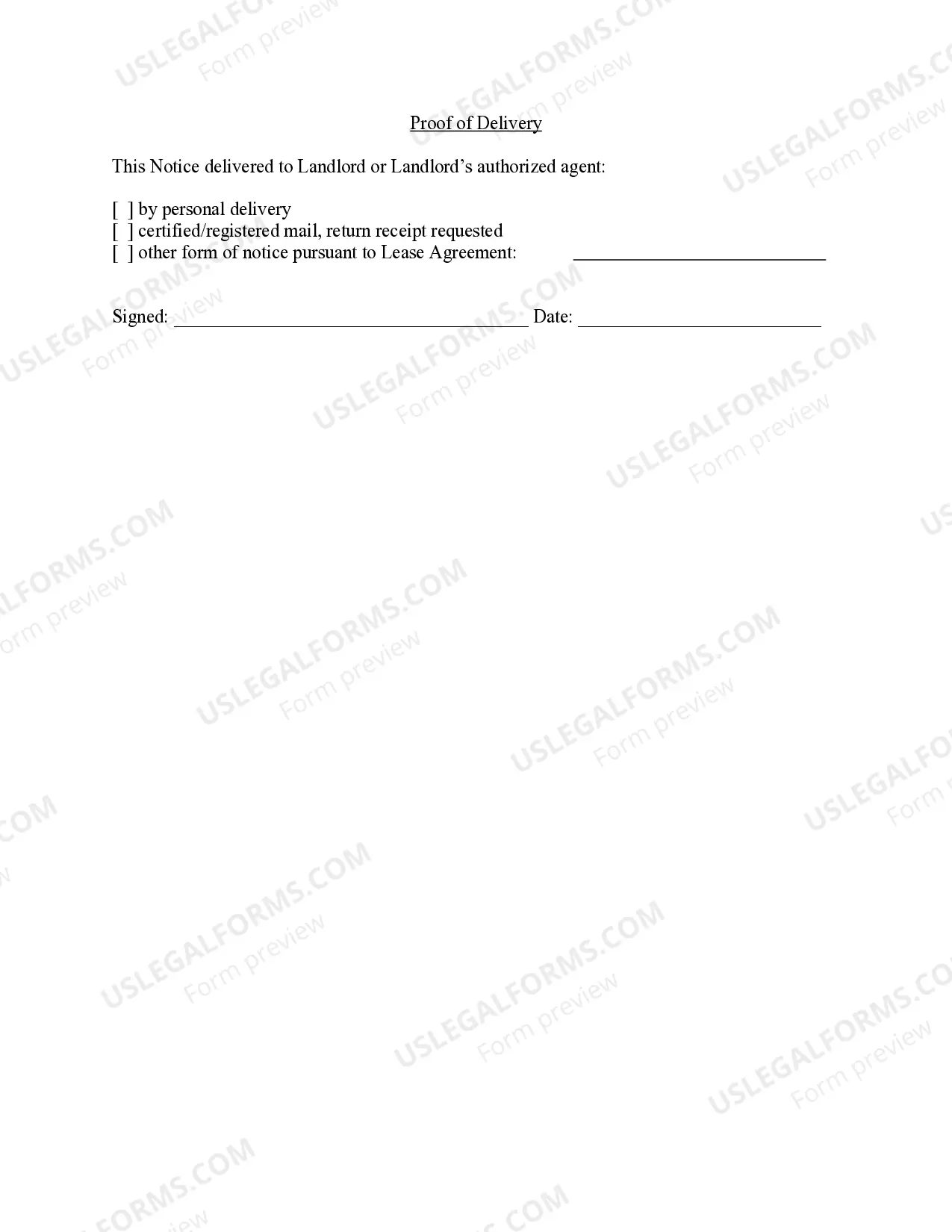
How to fill out Hawaii Letter From Tenant To Landlord Containing Notice To Landlord To Withdraw Improper Rent Increase During Lease?
- If you're an existing user, log into your account. Ensure your subscription is active before proceeding to download the required template directly to your device.
- For new users, start by accessing the Preview mode. Review the form description to verify that it meets your needs and aligns with local jurisdiction requirements.
- If necessary, utilize the Search tab to find additional templates that might better suit your situation. Make sure they are appropriate before moving on.
- Purchase the document by clicking the Buy Now button. Choose a suitable subscription plan and create an account to unlock the full library of forms.
- Complete your purchase by entering your payment details, using either credit card information or PayPal for a seamless transaction.
- Finally, download your completed form and save it on your device. You can also revisit it anytime in the My Forms section of your profile.
Using US Legal Forms simplifies the process of handling legal documentation. With a robust collection of forms and expert advice, you can confidently address rent increases during your withholding period.
Don't hesitate—start your journey with US Legal Forms today for a stress-free experience in managing your legal documents.
Form popularity
FAQ
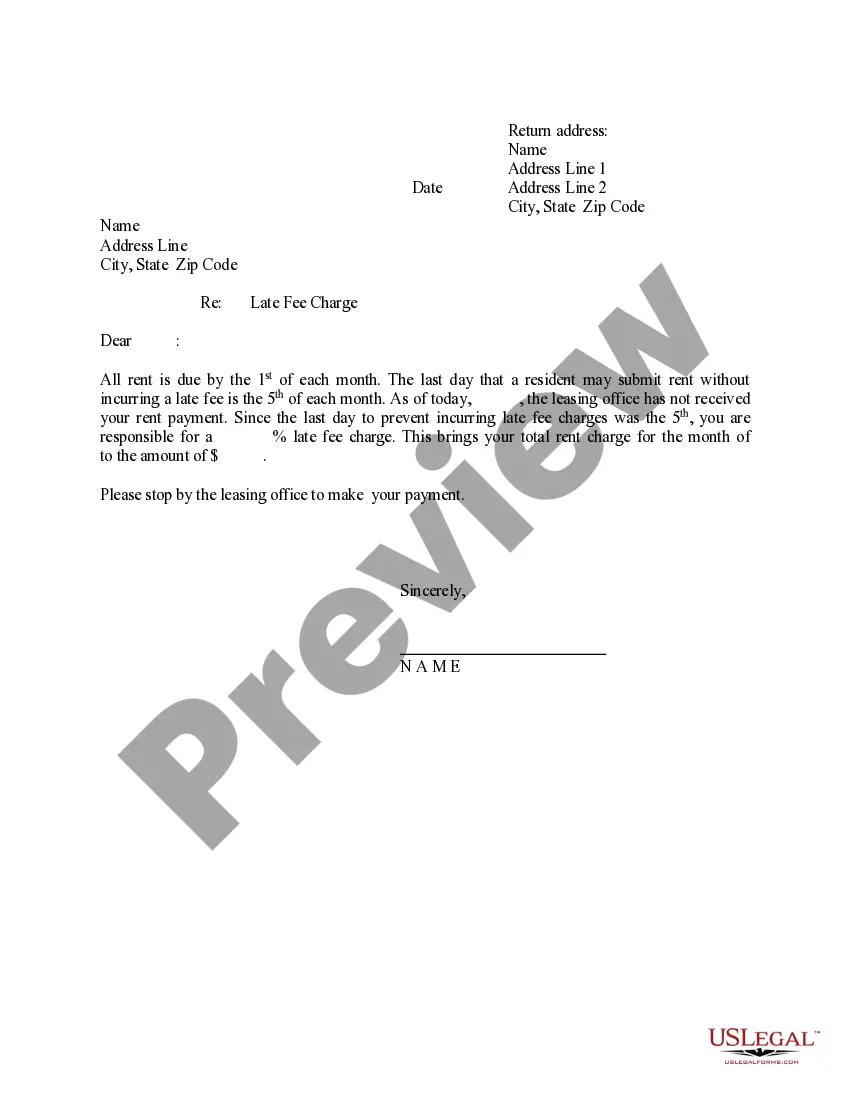
In South Carolina, there is no set grace period for late rents unless specified in the lease agreement. Typically, landlords can start eviction proceedings after failing to receive rent within a few days past the due date. Understanding these timelines is vital, particularly if you anticipate a rent increase during a withholding period.
In South Carolina, you can withhold rent if the landlord fails to make necessary repairs after being notified. This action allows tenants to seek resolution for living conditions that affect habitability. It's important to consider how this situation might relate to any potential rent increase during the withholding period.
Tenants in South Carolina can withhold rent under specific circumstances, such as when the property lacks essential repairs or is deemed uninhabitable. Before deciding to withhold rent, tenants should understand how this may affect any planned rent increase during the withholding period. Taking appropriate steps ensures that tenant rights are protected.
South Carolina law imposes no strict limits on how much rent can be increased annually. Landlords can adjust rents based on market conditions and other factors. Always be aware of your rights during any rent increase during the withholding period, as timely communication is essential.
South Carolina does not have a statewide rent control act. Instead, rental rates are generally determined by the market forces of supply and demand. However, it is crucial for tenants to know their rights during any changes, especially during periods like a rent increase during a withholding period.
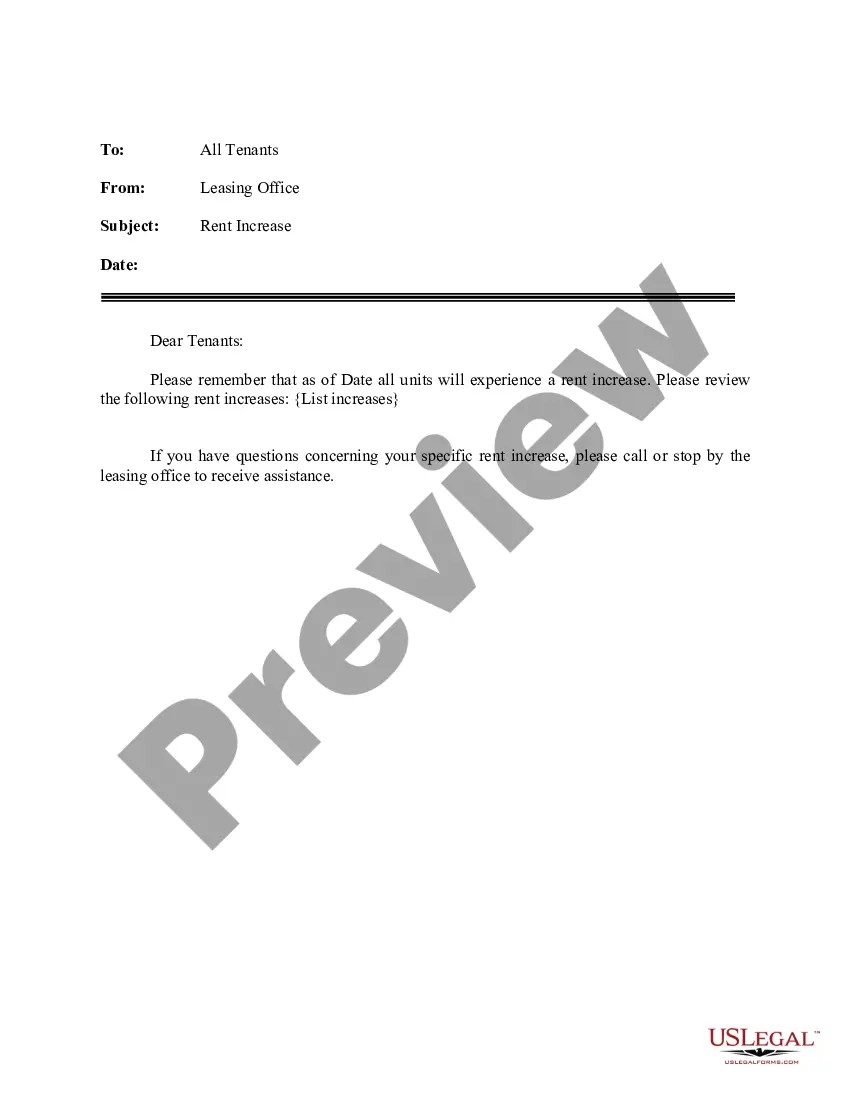
In South Carolina, landlords must provide tenants with a written notice at least 30 days before a rent increase during the withholding period. This notice informs tenants about the adjustment, allowing them to prepare financially. Understanding the timing of this notice can help maintain a positive landlord-tenant relationship.
In Kentucky, landlords must generally give tenants at least 30 days' notice before raising the rent. This requirement can depend on the terms of the lease, so it's essential to review the rental agreement. During a rent increase during the withholding period, following notice requirements helps maintain a positive landlord-tenant relationship.
Most states, including Kentucky and Texas, do not impose specific limits on rent increases. However, landlords must provide proper notice when proposing changes. Understanding the nuances of a rent increase during the withholding period is crucial for both landlords and tenants to avoid potential legal issues.
In Kentucky, landlords typically must provide at least 30 days' notice before a rent increase. This notice period allows tenants to adjust to the new terms and make necessary arrangements. It's important to be aware of the requirements during a rent increase during the withholding period to ensure compliance.
There is no maximum stipulated by law for how much rent can be increased. Landlords should consider market conditions and tenant relations when making such decisions. Knowledge of the rent increase during the withholding period can provide clarity and direction for both parties.