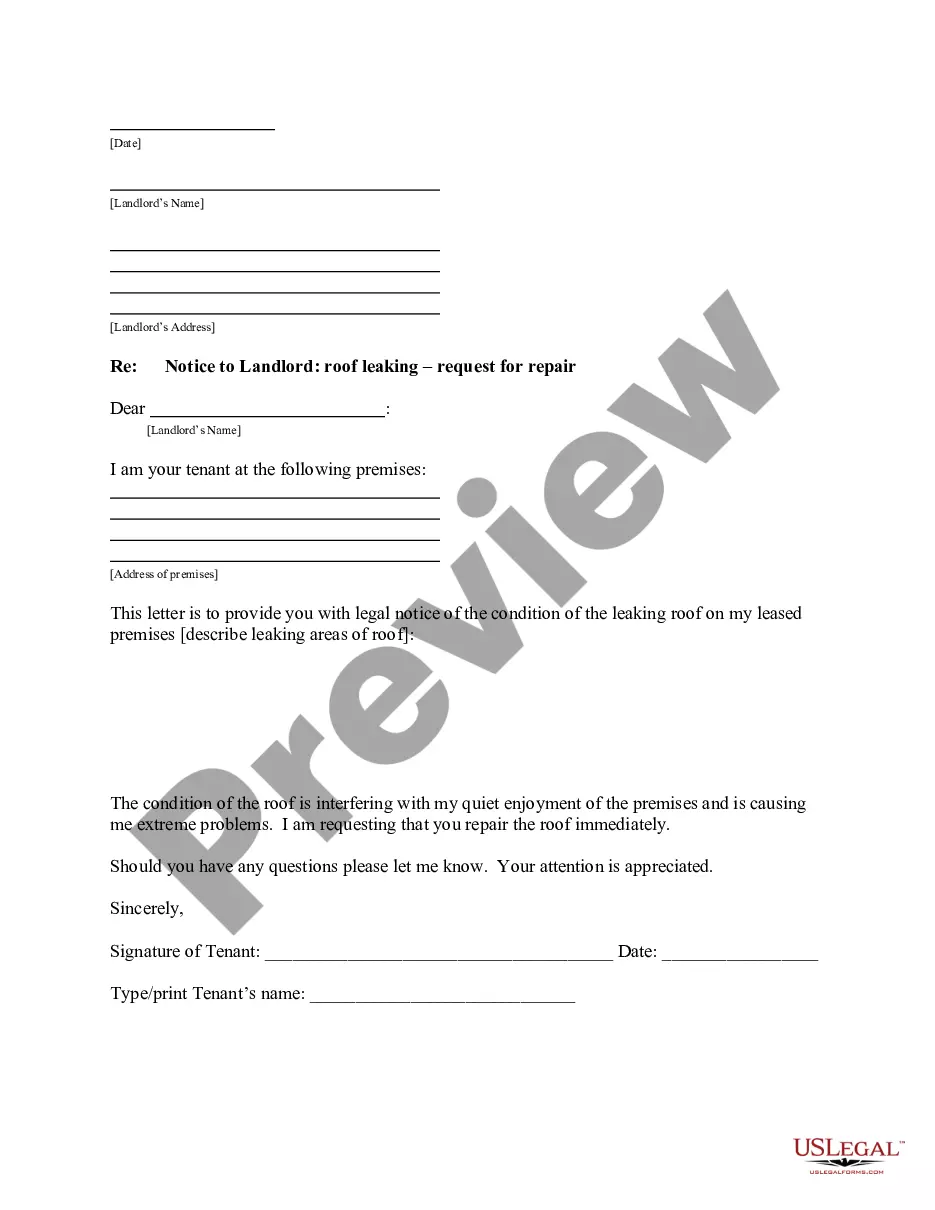
Hawaii Landlord Notice With Eviction
Description

Get your form ready online
Our built-in tools help you complete, sign, share, and store your documents in one place.
Make edits, fill in missing information, and update formatting in US Legal Forms—just like you would in MS Word.
Download a copy, print it, send it by email, or mail it via USPS—whatever works best for your next step.
Sign and collect signatures with our SignNow integration. Send to multiple recipients, set reminders, and more. Go Premium to unlock E-Sign.
If this form requires notarization, complete it online through a secure video call—no need to meet a notary in person or wait for an appointment.
We protect your documents and personal data by following strict security and privacy standards.

Make edits, fill in missing information, and update formatting in US Legal Forms—just like you would in MS Word.

Download a copy, print it, send it by email, or mail it via USPS—whatever works best for your next step.

Sign and collect signatures with our SignNow integration. Send to multiple recipients, set reminders, and more. Go Premium to unlock E-Sign.

If this form requires notarization, complete it online through a secure video call—no need to meet a notary in person or wait for an appointment.

We protect your documents and personal data by following strict security and privacy standards.
Looking for another form?


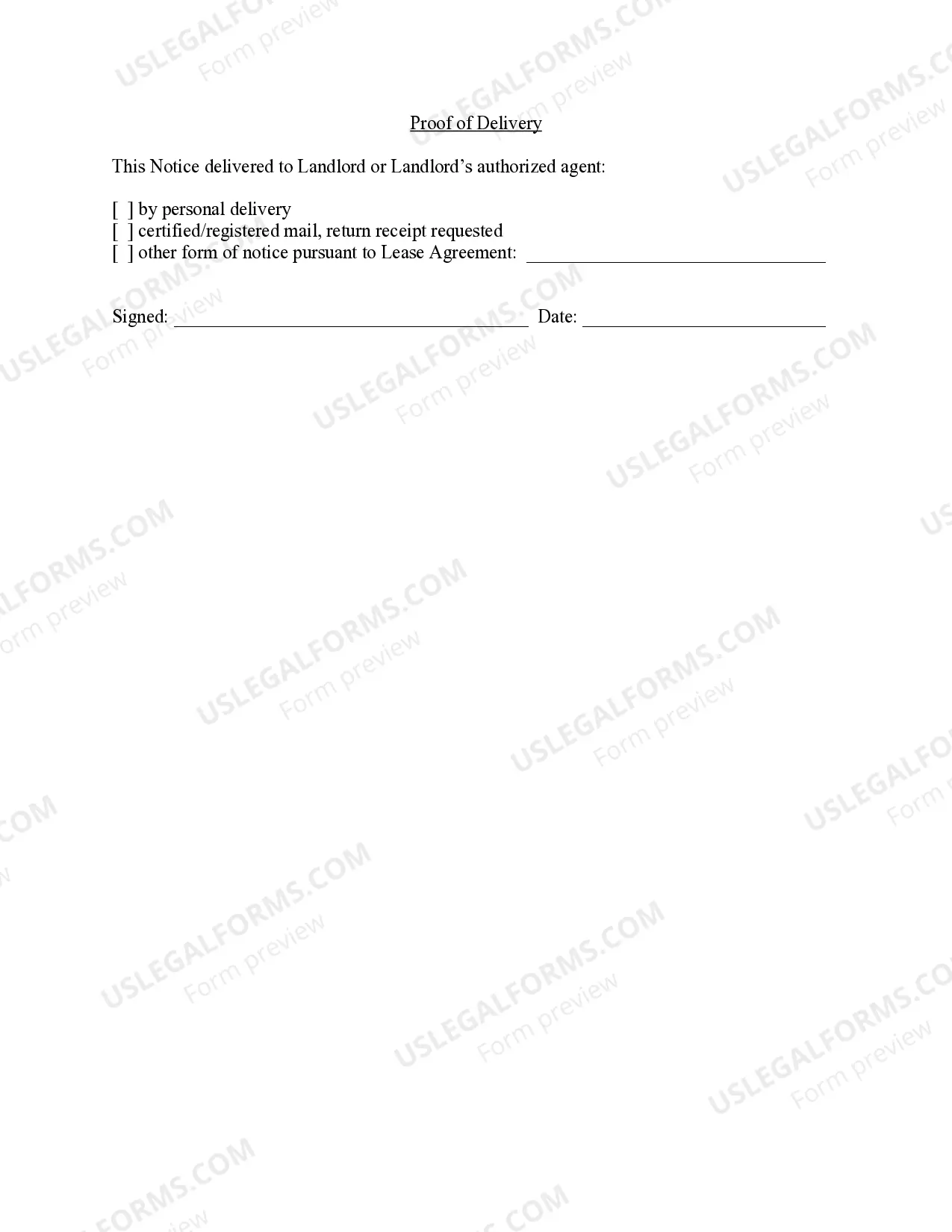
How to fill out Hawaii Letter From Tenant To Landlord Containing Notice That Premises Leaks During Rain And Demand For Repair?
- Visit the US Legal Forms website and log into your account. If you're a new user, create an account for access to the library.
- Browse through the form catalog or use the Search function to find the 'Hawaii landlord notice with eviction' template. Review the form description to ensure it meets your jurisdictional requirements.
- Select and purchase the appropriate document by clicking the Buy Now button. Choose a subscription plan that fits your needs.
- Complete the payment process using your credit card or PayPal account to finalize your subscription.
- Download the completed form to your device, and find it later in your profile under 'My Forms' for easy access.
In conclusion, leveraging US Legal Forms provides an extensive selection of legal documents tailored to your needs, including the necessary templates for evictions in Hawaii. With readily available support from legal experts, you can ensure your forms are accurate and effective.
Get started today by visiting US Legal Forms to streamline your legal documentation process!
Form popularity
FAQ
In Hawaii, a tenant must provide at least 30 days' notice to their landlord before moving out of a month-to-month lease. However, the rental agreement may specify different terms, so it's important to check that document. Giving proper notice not only helps maintain a positive relationship with your landlord but also ensures compliance with laws regarding the Hawaii landlord notice with eviction. Familiarizing yourself with this process can make moving smoother.
Renters in Hawaii have specific rights, including the right to a habitable living space and protection from wrongful eviction. Landlords must follow legal procedures, including providing a proper Hawaii landlord notice with eviction. It's crucial for tenants to understand these rights and report any violations. This awareness can empower renters to take appropriate action when needed.
Navigating around an eviction notice is complex, but you have options. First, thoroughly review the notice to understand your rights and the stated reasons. You may consider negotiating with your landlord for more time or alternative arrangements. If you're unsure, platforms like US Legal Forms provide resources that can guide you through the process related to a Hawaii landlord notice with eviction.
The eviction process in Hawaii can vary, but it usually takes several weeks to a few months. After a landlord issues a notice, they may file a complaint in court if the tenant does not comply. Following the court hearing, if an eviction is granted, the tenant may have additional time before vacating. Knowing the timeline associated with the Hawaii landlord notice with eviction is vital for both landlords and tenants.
In Hawaii, a landlord must provide a written notice before initiating an eviction process. Typically, the notice period is five days for non-payment of rent and 30 days for terminating a month-to-month lease. It is essential to review your rental agreement, as it may contain specific provisions. The Hawaii landlord notice with eviction is crucial for ensuring compliance with state regulations.
You can indeed fight an eviction in Hawaii without a lawyer, but it can be challenging. Familiarizing yourself with the Hawaii landlord notice with eviction can help you understand the process better. Consider leveraging resources from local legal aid organizations or websites for guidance, but be prepared to present your case clearly.
The entire eviction process in Hawaii generally takes between 30 to 90 days, depending on various factors. This includes the time allowed for a response to the Hawaii landlord notice with eviction and any legal proceedings that may follow. Always stay informed about your rights and deadlines to navigate this process effectively.
Yes, it is possible to overcome an eviction by taking appropriate action. Paying your rent or negotiating a payment plan may provide relief. Referencing the Hawaii landlord notice with eviction can help you understand your options and possibly work out arrangements with your landlord.
Fighting an eviction in Hawaii requires understanding your rights as a tenant. You can challenge the Hawaii landlord notice with eviction by gathering evidence to support your case, such as lease agreements and payment records. It's often helpful to consult with local legal resources or community organizations that offer guidance on tenant rights.
The timeline for eviction in Hawaii can vary, but typically it may take several weeks to a few months. After a landlord serves the Hawaii landlord notice with eviction, the tenant has a specific time to respond before court proceedings begin. Factors such as local laws and court schedules can also affect the duration.