Hawaii Status
Description
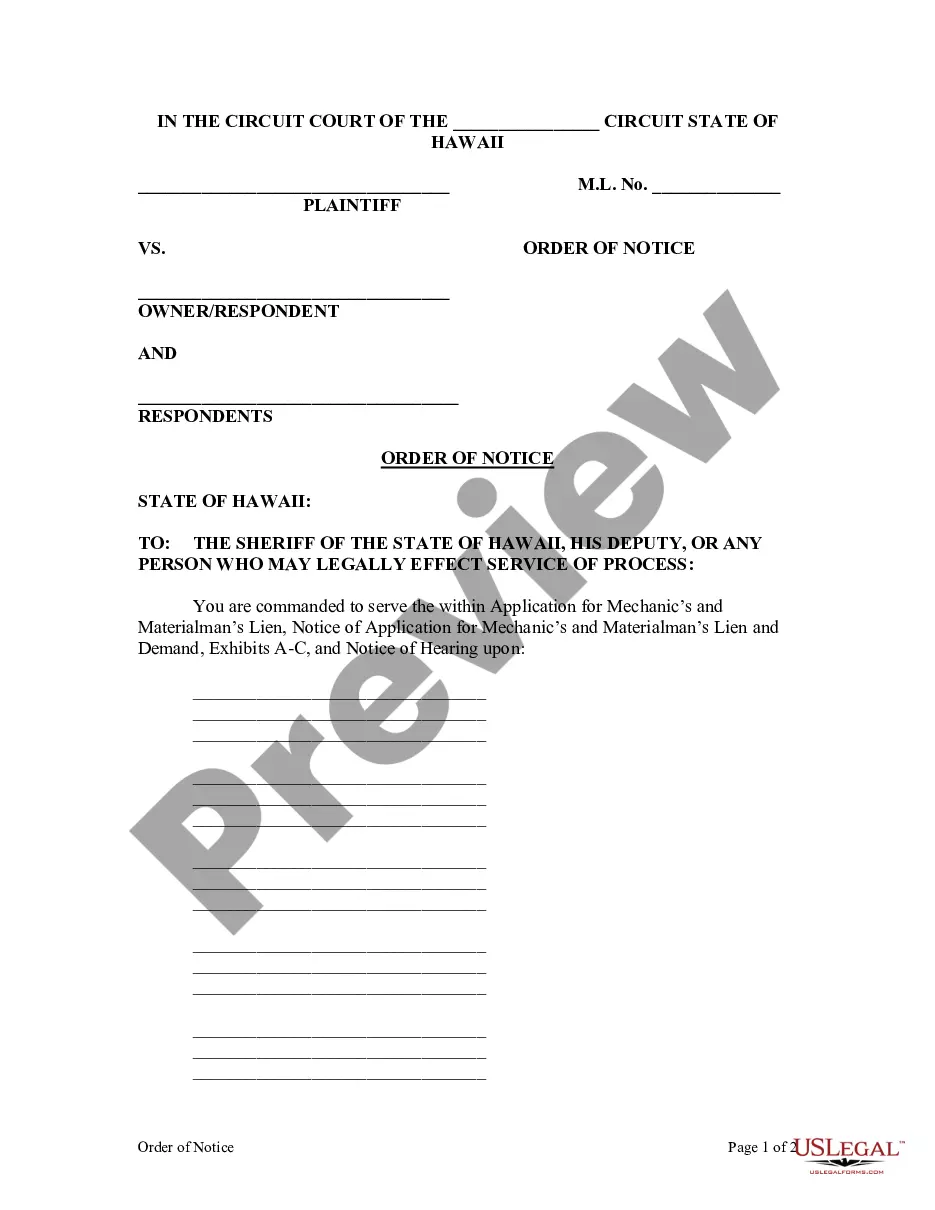
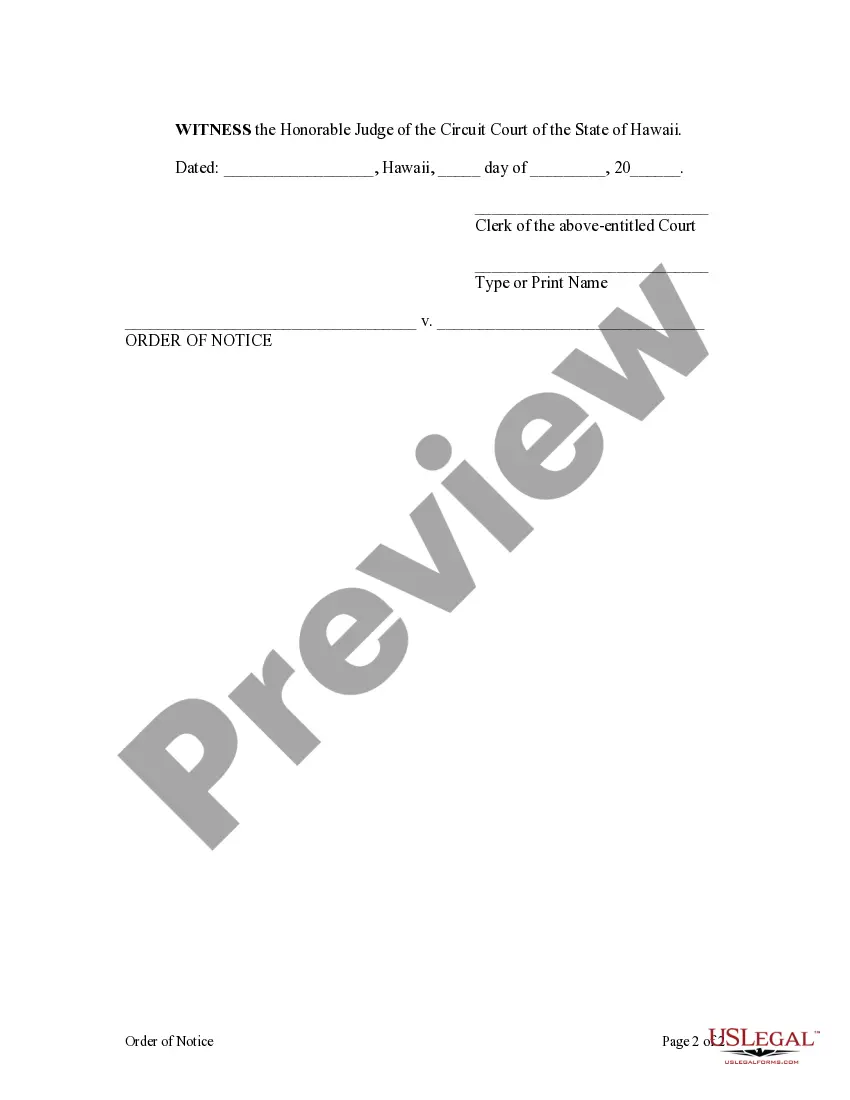
Get your form ready online
Our built-in tools help you complete, sign, share, and store your documents in one place.
Make edits, fill in missing information, and update formatting in US Legal Forms—just like you would in MS Word.
Download a copy, print it, send it by email, or mail it via USPS—whatever works best for your next step.
Sign and collect signatures with our SignNow integration. Send to multiple recipients, set reminders, and more. Go Premium to unlock E-Sign.
If this form requires notarization, complete it online through a secure video call—no need to meet a notary in person or wait for an appointment.
We protect your documents and personal data by following strict security and privacy standards.

Make edits, fill in missing information, and update formatting in US Legal Forms—just like you would in MS Word.

Download a copy, print it, send it by email, or mail it via USPS—whatever works best for your next step.

Sign and collect signatures with our SignNow integration. Send to multiple recipients, set reminders, and more. Go Premium to unlock E-Sign.

If this form requires notarization, complete it online through a secure video call—no need to meet a notary in person or wait for an appointment.

We protect your documents and personal data by following strict security and privacy standards.
Looking for another form?










How to fill out Hawaii Order Of Notice?
- Begin by checking if you are an existing user. If so, log in to your account and ensure your subscription is active. If not, please renew it based on your payment plan.
- For new users, search for the desired document using the Search tab. Review the form descriptions and check the Preview mode to confirm it meets your jurisdictional requirements.
- If you can't find the right template, use the Search function to locate an alternative that fits your needs.
- Once you’ve selected the correct form, click the Buy Now button and choose a suitable subscription plan.
- Proceed to checkout by providing your payment details, either via credit card or PayPal.
- Download your form directly to your device. You can also access it later from the My Forms section of your profile.
By utilizing US Legal Forms, you empower yourself with comprehensive resources that simplify legal document management in Hawaii.
Take control of your legal processes today—start your journey with US Legal Forms and experience the benefits firsthand!
Form popularity
FAQ
You are considered a resident of Hawaii if you live here for more than 183 days and intend to remain. Key factors include having a permanent home, obtaining local identification, and registering to vote in the state. These criteria are essential for securing your Hawaii status.
Claiming residency in Hawaii usually takes about 12 months, provided you meet all requirements. You need to demonstrate physical presence and intent to reside in the state. Successfully navigating this process can enhance your Hawaii status.
Filing a Hawaii G-49 is straightforward when you gather necessary documentation. You will need your income information and any applicable deductions. Platforms like US Legal Forms can simplify the filing process, ensuring you maintain proper Hawaii status.
To become a resident of Hawaii, you need to physically move to the state and establish your primary home. You should obtain a Hawaii driver's license, register to vote, and show a commitment to living in the state. These actions help reinforce your Hawaii status.
The process to become a Hawaii resident typically takes around 12 months. You must establish a physical presence in the state and demonstrate your intent to remain. By meeting the residency requirements, you can solidify your Hawaii status.
Living in Hawaii on $3,000 a month can be challenging, but it's possible with careful budgeting. Costs vary greatly across the islands, and you may need to prioritize your spending on essential items. Understanding your financial options is crucial to maintaining a stable Hawaii status.
Yes, you need to file Hawaii state tax if you earn income while living in Hawaii. Regardless of your residency status, income generated in Hawaii is subject to state taxes. It's essential to understand your tax obligations to maintain good Hawaii status.
The G-45 form is used for filing estimated general excise tax payments throughout the year, while the G-49 form is your annual summary of these activities. Understanding the distinction between these two forms is vital for effective tax management. Properly completing both forms will help you maintain your Hawaii status and ensure compliance with the state's tax regulations.
The Hawaii tax G-49 form is an annual tax return specifically for reporting general excise or use taxes. This form ensures that taxpayers fulfill their obligations regarding income generated within the state. Utilizing this form correctly is crucial for maintaining your Hawaii status and avoiding penalties.
Filing General Excise (GE) taxes late can result in penalties and interest, which can accumulate quickly. Typically, the state imposes a percentage of the unpaid tax as a penalty, plus interest on any overdue amounts. Staying on top of tax deadlines helps maintain your Hawaii status and avoid unnecessary fees.