Power Attorney
Description
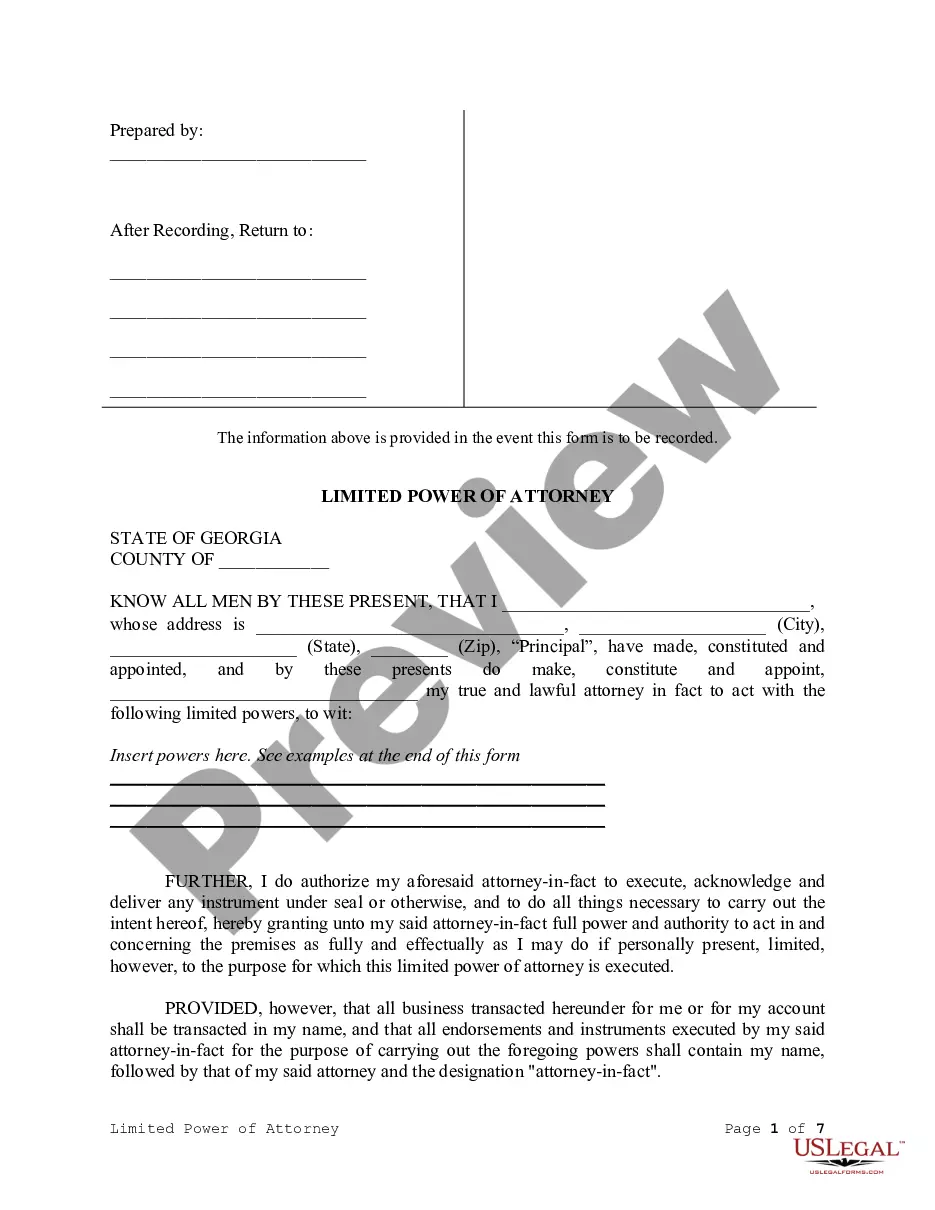
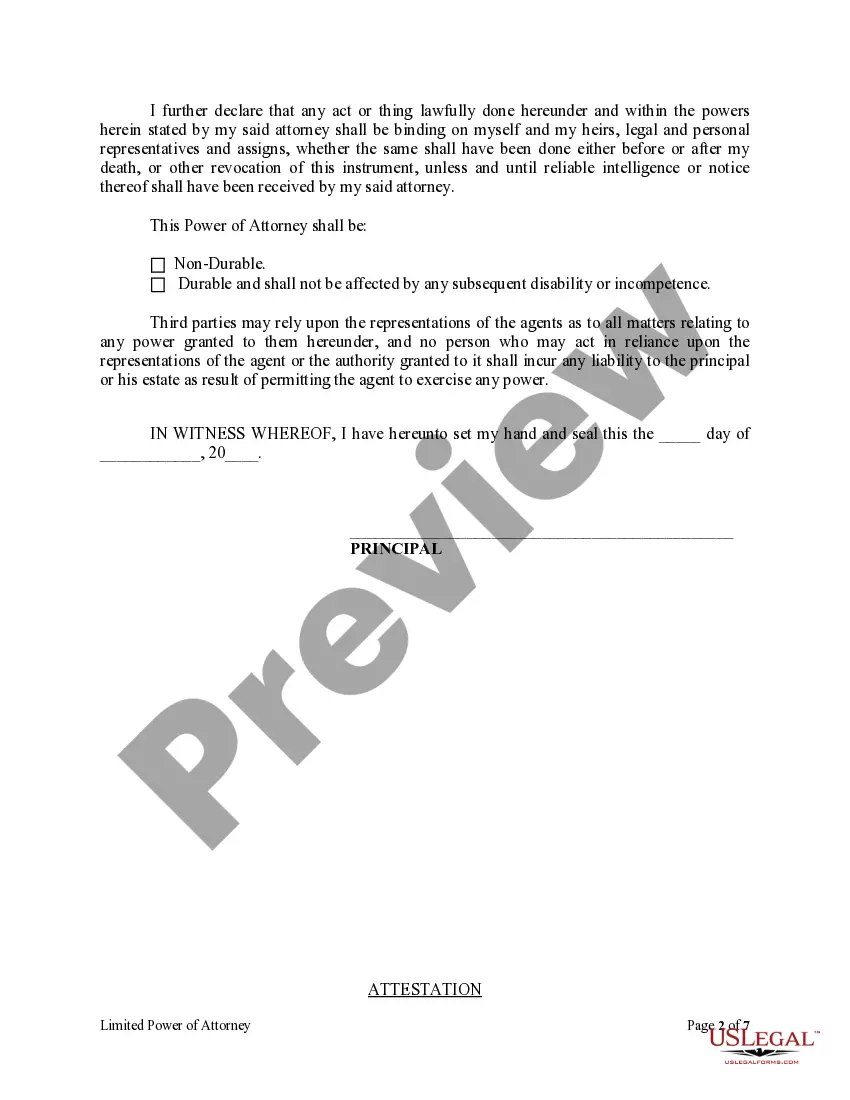
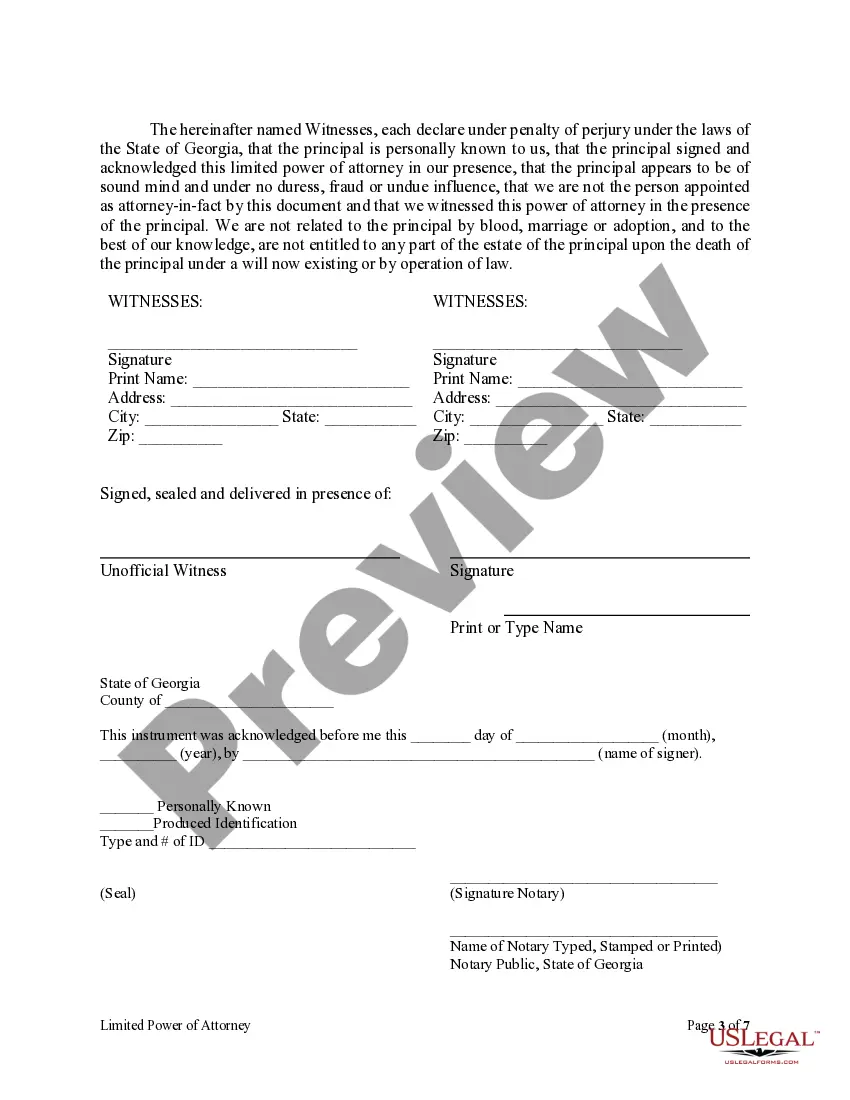

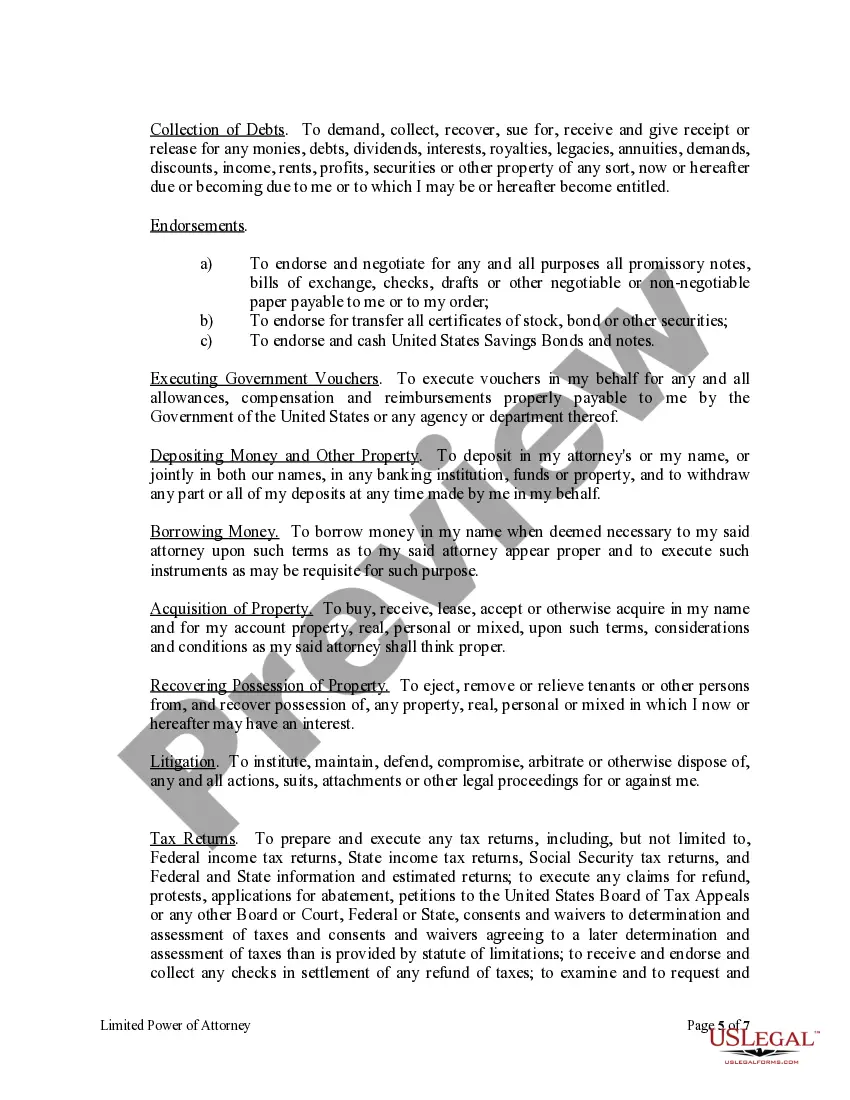
Get your form ready online
Our built-in tools help you complete, sign, share, and store your documents in one place.
Make edits, fill in missing information, and update formatting in US Legal Forms—just like you would in MS Word.
Download a copy, print it, send it by email, or mail it via USPS—whatever works best for your next step.
Sign and collect signatures with our SignNow integration. Send to multiple recipients, set reminders, and more. Go Premium to unlock E-Sign.
If this form requires notarization, complete it online through a secure video call—no need to meet a notary in person or wait for an appointment.
We protect your documents and personal data by following strict security and privacy standards.

Make edits, fill in missing information, and update formatting in US Legal Forms—just like you would in MS Word.

Download a copy, print it, send it by email, or mail it via USPS—whatever works best for your next step.

Sign and collect signatures with our SignNow integration. Send to multiple recipients, set reminders, and more. Go Premium to unlock E-Sign.

If this form requires notarization, complete it online through a secure video call—no need to meet a notary in person or wait for an appointment.

We protect your documents and personal data by following strict security and privacy standards.
Looking for another form?






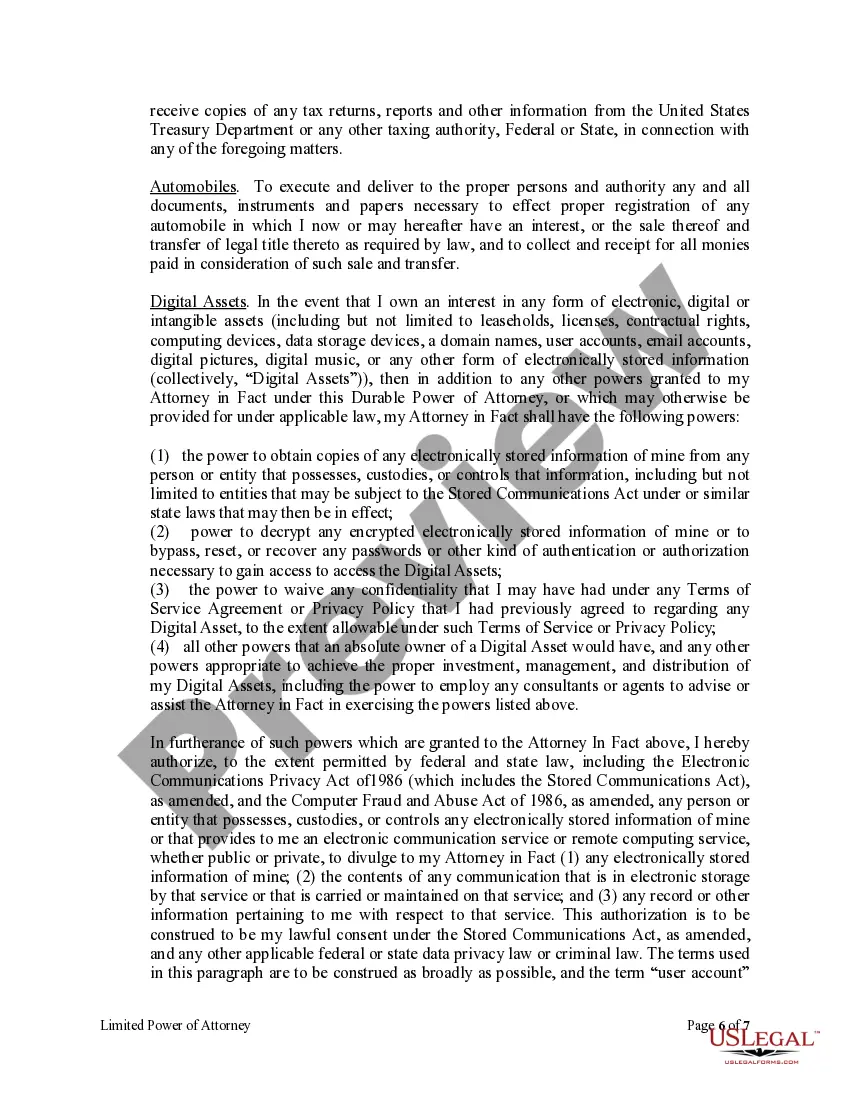
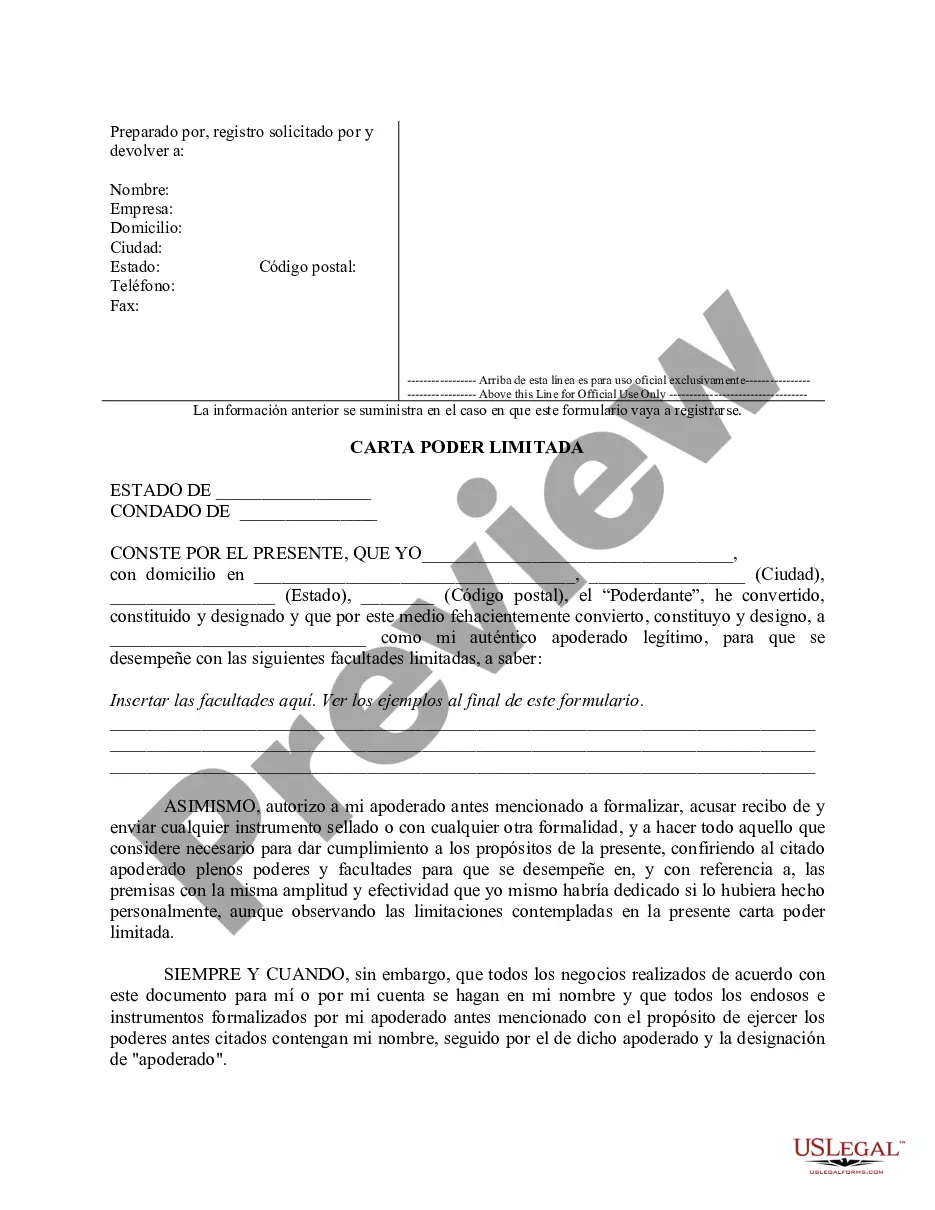
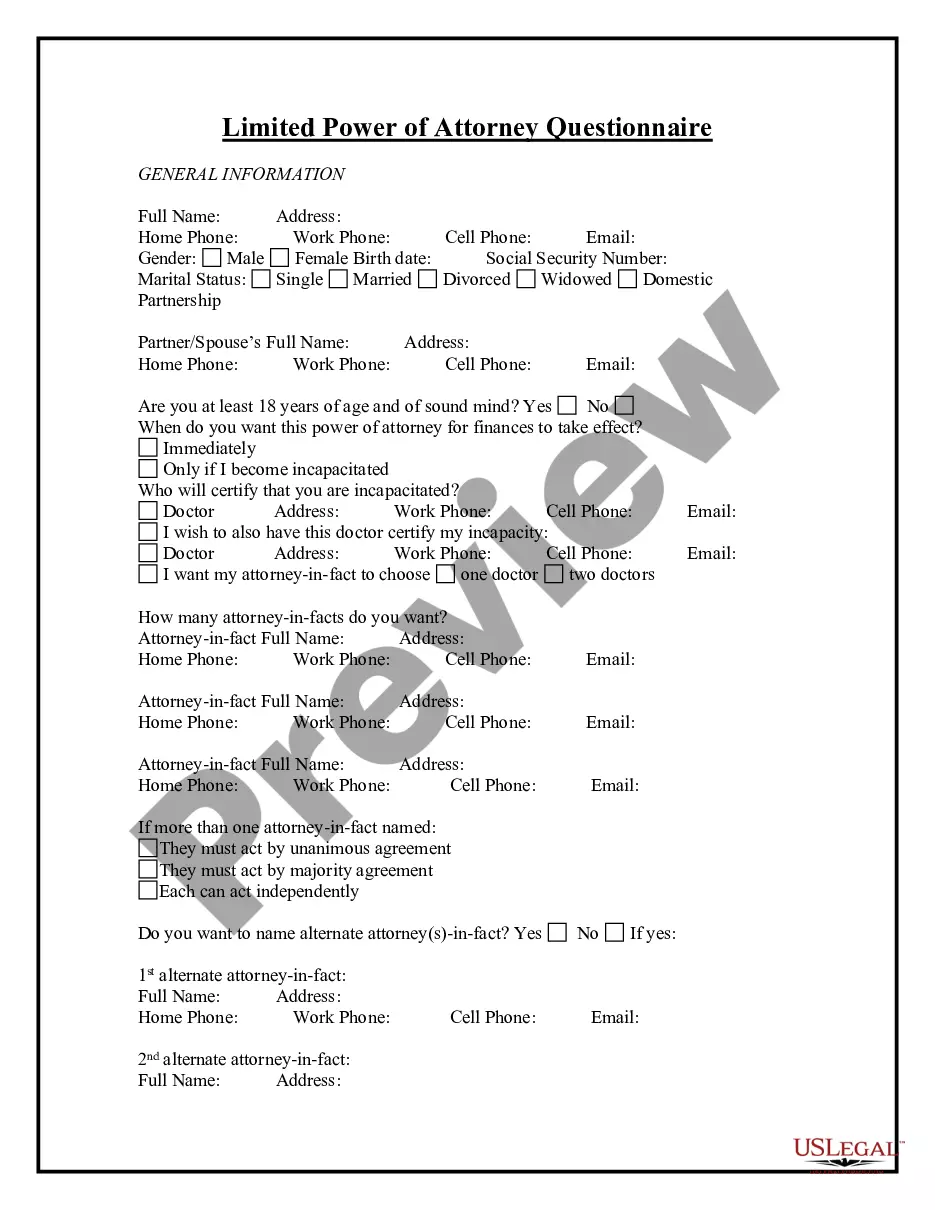
How to fill out Georgia Limited Power Of Attorney Where You Specify Powers With Sample Powers Included?
- Log in to your US Legal Forms account if you're a returning user. Ensure your subscription is active to access forms.
- Browse the Power of Attorney templates available. Utilize the Preview mode carefully to select the one that fits your jurisdiction and needs.
- If the chosen template doesn't meet your requirements, search for alternative forms using the Search tab.
- Once you've found the right template, click on the Buy Now button and select your desired subscription plan to gain full access.
- Complete your purchase with your credit card information or PayPal account, ensuring your subscription is secure.
- Download the Power of Attorney form to your device. You can also access it later from the My Forms section in your account.
Obtaining a Power of Attorney through US Legal Forms simplifies the process, providing you with the necessary tools to create legally sound documents with confidence.
Start your journey today and empower yourself by obtaining your Power of Attorney form through US Legal Forms!
Form popularity
FAQ
When signing a check as a power attorney, write the principal's name on the payee line, and on the signature line, include your signature followed by 'Power of Attorney.' For example, 'John Smith, by Jane Doe, Power of Attorney.' This format conveys your legal authority while ensuring that the transaction is valid.
Filling out a POA check is similar to filling out any other check, but you need to indicate your authority clearly. Write the principal’s name on the payee line, and then sign the check as the power attorney. Make sure to include a designation like 'Power of Attorney' to clarify your role in the transaction.
To sign correctly as a power attorney, always start with the principal's name and then follow with your name and a title. For instance, write, 'John Smith, by Jane Doe, Power of Attorney.' This format clearly shows your role and the authority you hold, ensuring that all parties understand the arrangement.
When you sign as a power attorney, you'll write the principal's name first, followed by your name. For example, you could write, 'John Smith, by Jane Doe, Attorney-in-Fact.' This indicates that you are legally authorized to act on behalf of John Smith. Ensure clarity to avoid any confusion.
Signing on behalf of someone involves clearly indicating that you are acting as their power attorney. For instance, you would write the principal's name first, followed by your signature with a description. You might write, 'John Smith, by Jane Doe, Power of Attorney.' This method clarifies your authority in the transaction.
Filling out power attorney paperwork involves a few straightforward steps. Start by identifying the principal and the agent involved in the transaction, and then outline the specific powers you wish to grant. Ensure that you sign and have the document witnessed or notarized as required. You may find our user-friendly forms at uslegalforms helpful for this process.
To create a valid power attorney in South Carolina, you need to meet several requirements. First, the principal must be at least 18 years old and mentally competent. Additionally, the document must be in writing, signed by the principal, and properly witnessed. It’s advisable to consult our platform for assistance with the documentation.
The easiest way to create a power of attorney is to use an online service like US Legal Forms. These platforms provide user-friendly templates that guide you through the process step by step. Simply choose the type of power attorney you need, fill in the required details, and follow the instructions for signing. This approach allows you to complete your document quickly and easily, giving you peace of mind.
In Michigan, to create a power of attorney, you must be at least 18 years old and mentally competent. You'll need to draft the document, clearly specifying your agent's name and the powers you are granting. It is important to sign the document in front of a notary or two witnesses to ensure its validity. Utilizing platforms like US Legal Forms can help you find the necessary templates that comply with Michigan law.
To write a simple power of attorney, begin by clearly stating the title 'Power of Attorney'. Identify yourself and the person you are appointing as your agent. Then, list the powers you want to grant, whether they are broad or limited. After drafting the document, ensure you sign and date it in front of a notary public or witnesses as your state requires. This straightforward method ensures your power attorney is effective.