30 Day Notice To Vacate Letter Example
Description
Get your form ready online
Our built-in tools help you complete, sign, share, and store your documents in one place.
Make edits, fill in missing information, and update formatting in US Legal Forms—just like you would in MS Word.
Download a copy, print it, send it by email, or mail it via USPS—whatever works best for your next step.
Sign and collect signatures with our SignNow integration. Send to multiple recipients, set reminders, and more. Go Premium to unlock E-Sign.
If this form requires notarization, complete it online through a secure video call—no need to meet a notary in person or wait for an appointment.
We protect your documents and personal data by following strict security and privacy standards.

Make edits, fill in missing information, and update formatting in US Legal Forms—just like you would in MS Word.

Download a copy, print it, send it by email, or mail it via USPS—whatever works best for your next step.

Sign and collect signatures with our SignNow integration. Send to multiple recipients, set reminders, and more. Go Premium to unlock E-Sign.

If this form requires notarization, complete it online through a secure video call—no need to meet a notary in person or wait for an appointment.

We protect your documents and personal data by following strict security and privacy standards.
Looking for another form?
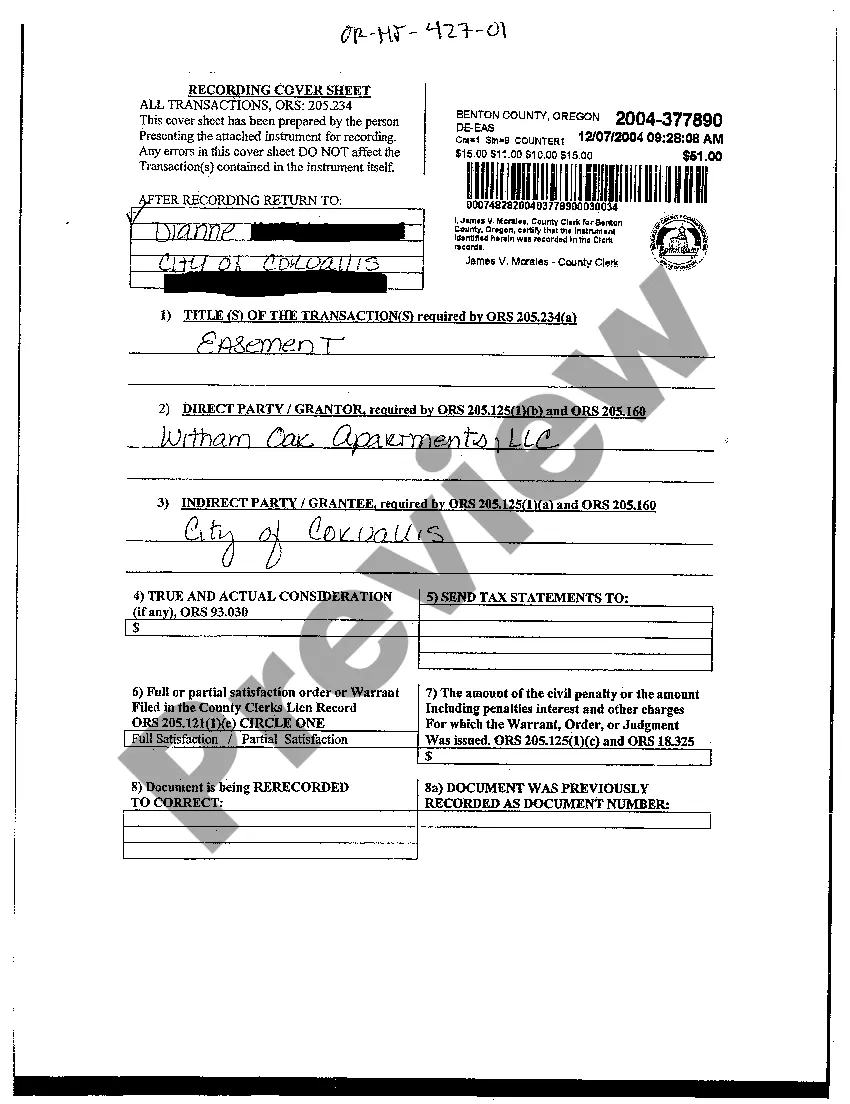
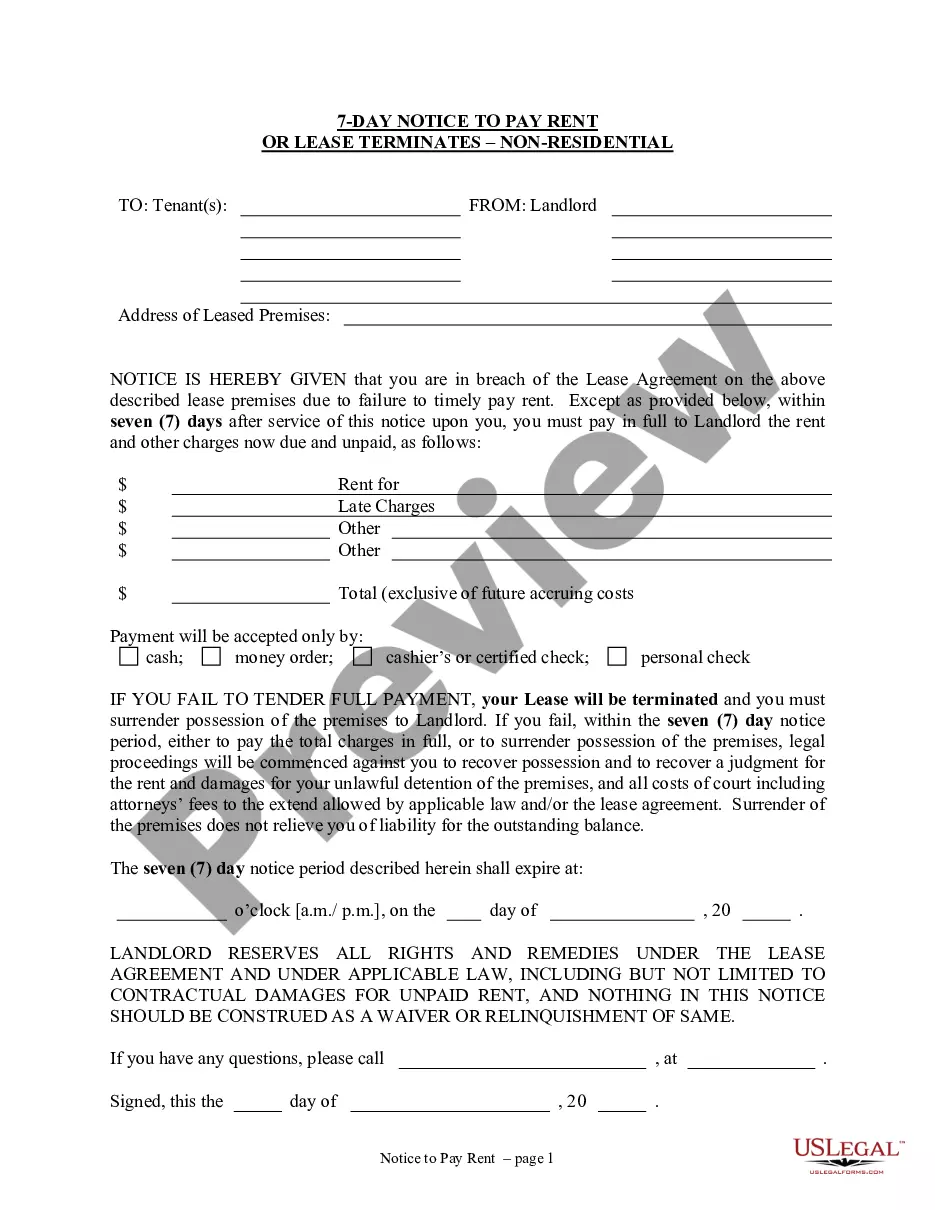
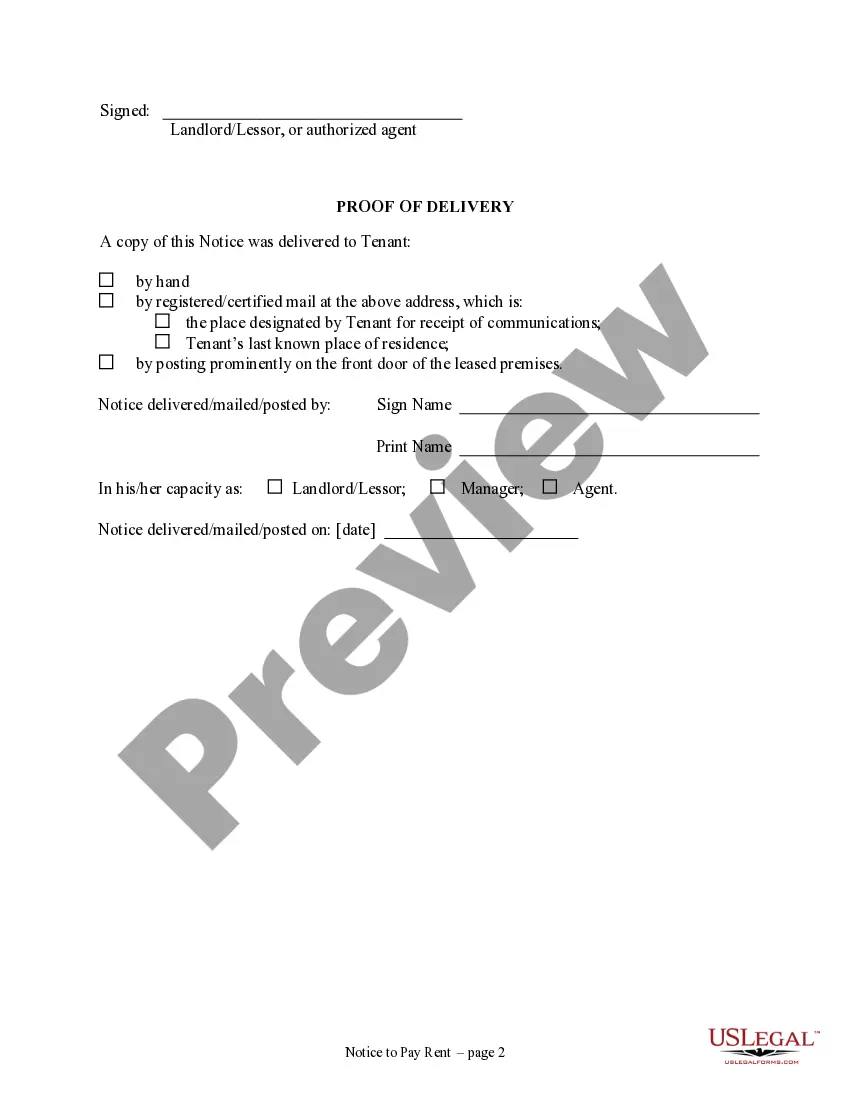
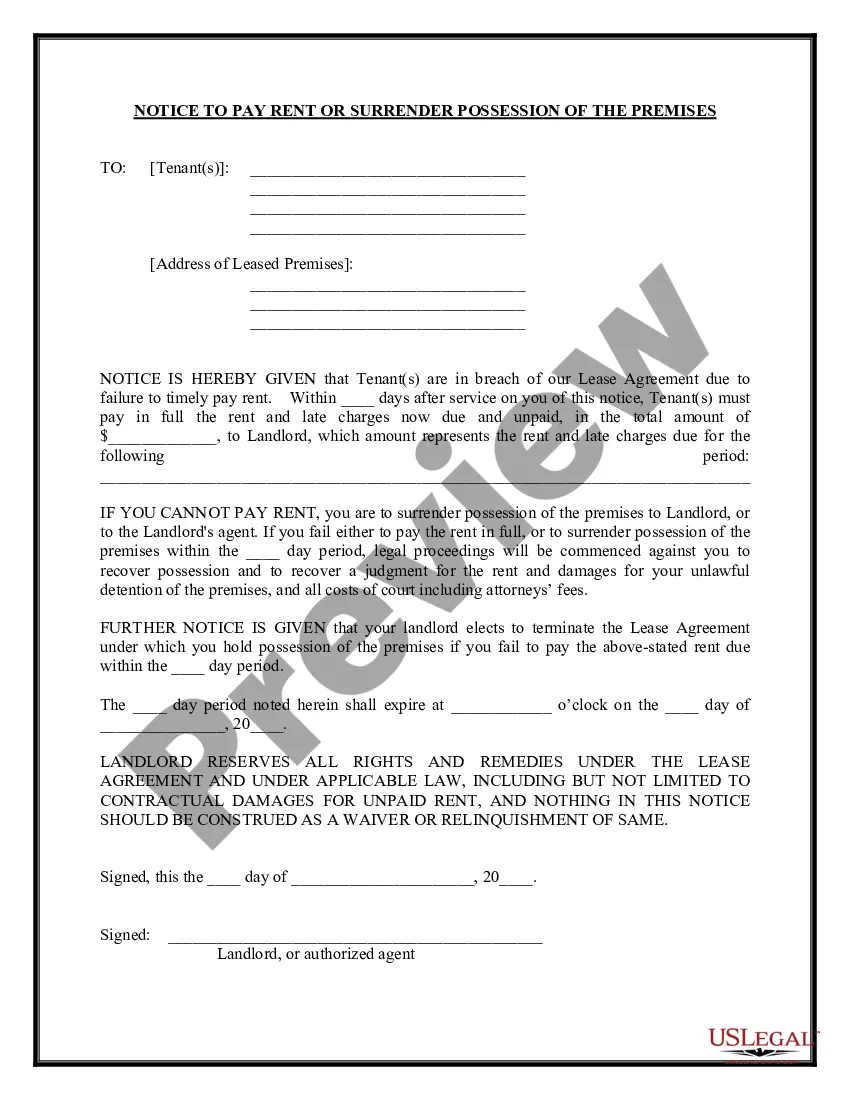
How to fill out Georgia 7 Day Notice To Pay Rent - Nonresidential?
Whether for commercial reasons or personal matters, everyone must manage legal situations at some moment in their lifetime. Completing legal documents necessitates meticulous attention, beginning with selecting the correct form template.
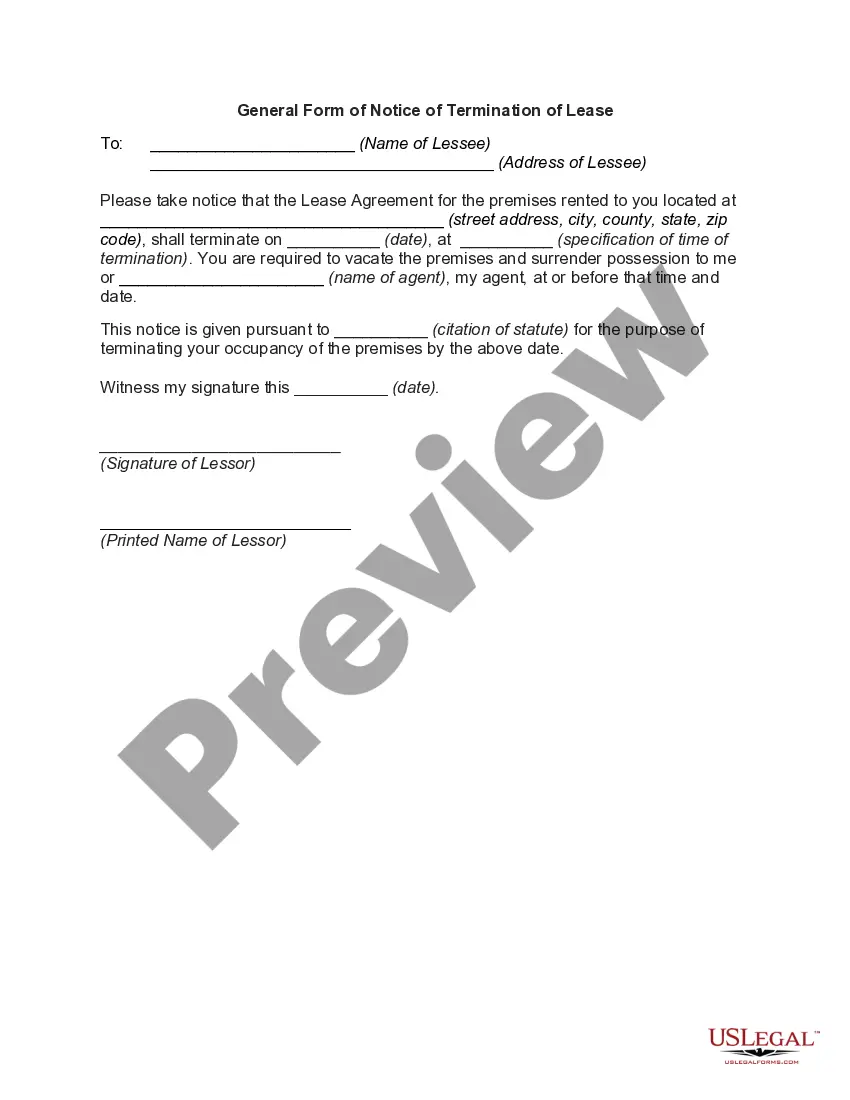
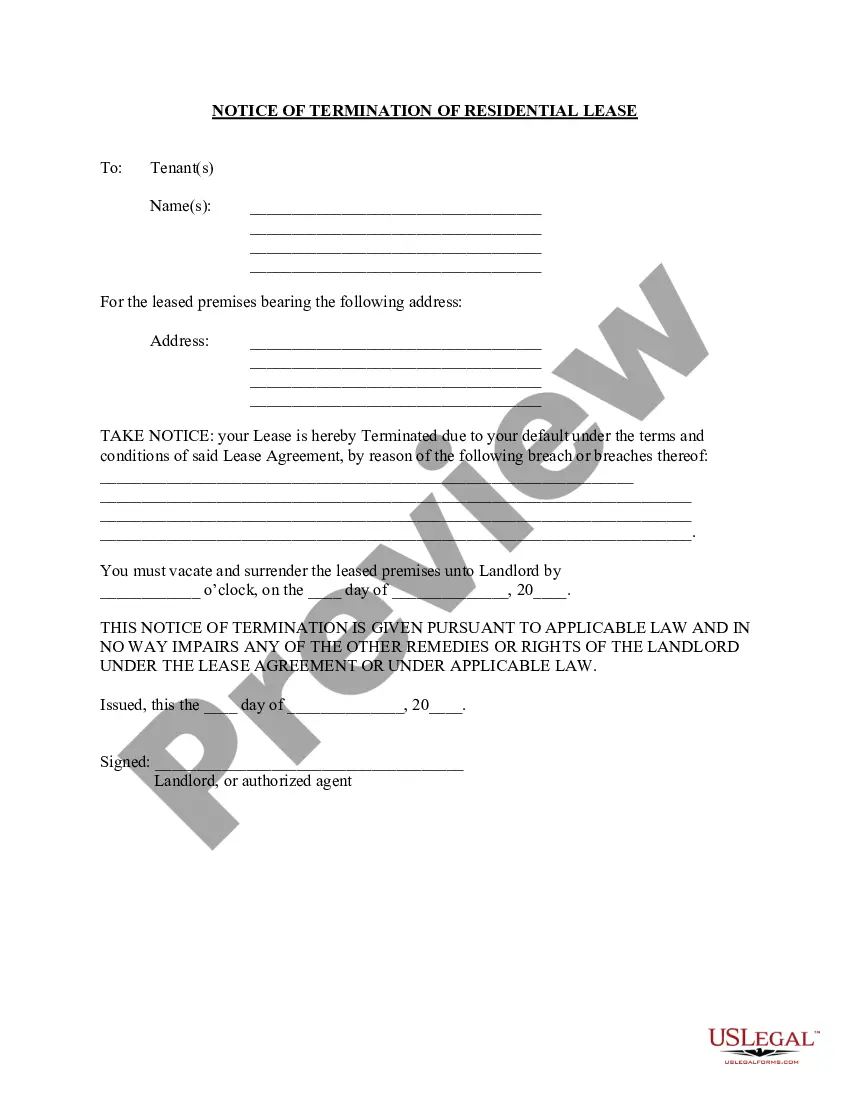
For instance, if you choose an incorrect version of the 30 Day Notice To Vacate Letter Example, it will be rejected once you submit it. Therefore, it is vital to have a trusted source of legal documents like US Legal Forms.
With a vast US Legal Forms library available, you don’t need to waste time searching for the right template across the web. Use the catalog's straightforward navigation to find the suitable form for any situation.
- Locate the template you require using the search feature or catalog navigation.
- Review the form’s details to ensure it aligns with your situation, state, and county.
- Click on the form’s preview to view it.
- If it’s the wrong form, return to the search function to find the 30 Day Notice To Vacate Letter Example template you need.
- Obtain the document when it suits your requirements.
- If you have a US Legal Forms account, click Log in to access previously saved documents in My documents.
- If you don’t have an account yet, you can download the form by clicking Buy now.
- Choose the appropriate pricing option.
- Fill out the account registration form.
- Select your payment method: use a credit card or PayPal account.
- Choose the file format you desire and download the 30 Day Notice To Vacate Letter Example.
- After it is downloaded, you can fill out the form using editing software or print it and complete it by hand.
Form popularity
FAQ
To ask someone to leave your house, write a polite yet firm letter stating your request. Include a specific date by which you expect them to vacate. Mention any reasons if it feels appropriate, but keep the tone respectful. A practical 30 day notice to vacate letter example is available on uslegalforms, which can assist you in drafting your communication confidently.
When writing a letter for leaving a house, start with your current address and the date. State your intention to vacate clearly, and mention the last day you will reside there. Express gratitude for the time spent in the home if appropriate. A thorough 30 day notice to vacate letter example can provide a solid framework to help you craft this letter effectively.
Begin your letter by clearly stating that you are giving notice for the tenant to move out. Include important details such as the date by which they must vacate the premises. It's always a good idea to refer to the lease agreement to support your request. You can find an excellent 30 day notice to vacate letter example on uslegalforms that can help streamline your communication.
To write a letter getting someone out of your house, start with a clear statement of intention. Use a direct tone and include the date by which you expect them to leave. It may be beneficial to cite your reasons briefly while being respectful. An effective 30 day notice to vacate letter example can guide you through this process and ensure you cover all necessary elements.
It is best to give at least a 30 day notice before moving out to ensure a smooth transition. This allows your landlord enough time to find a new tenant and helps you avoid any legal problems. For guidance, consider a 30 day notice to vacate letter example from USLegalForms to streamline the communication process.
If you do not provide a 30 day notice before moving out, you may face potential penalties like losing your security deposit or being held responsible for additional rent. Landlords often seek compensation for the time it takes to find a new tenant. Using a well-crafted 30 day notice to vacate letter example can help you avoid these issues.
The minimum notice a landlord can give a tenant often depends on the state laws where the rental property is located. Generally, it can range from 30 days to as little as 24 hours in certain situations. Familiarizing yourself with a 30 day notice to vacate letter example can help ensure that communications are clear and compliant.
Legally, the notice period to vacate is commonly 30 days. However, this can vary based on local and state laws. It's smart to check your lease and consider using a 30 day notice to vacate letter example from USLegalForms to meet your legal obligations.
To write a 30 day notice to vacate, clearly state your intention to leave and the date you plan to move out. Include your name, address, and the landlord’s information. Utilizing a structured 30 day notice to vacate letter example can simplify this process, ensuring you meet legal requirements.
A 30 day notice to vacate does not typically go on your permanent record. However, landlords may retain this notice in their files for future reference, potentially affecting your rental history. If you need a clear example of a 30 day notice to vacate letter, USLegalForms can provide templates you can use.