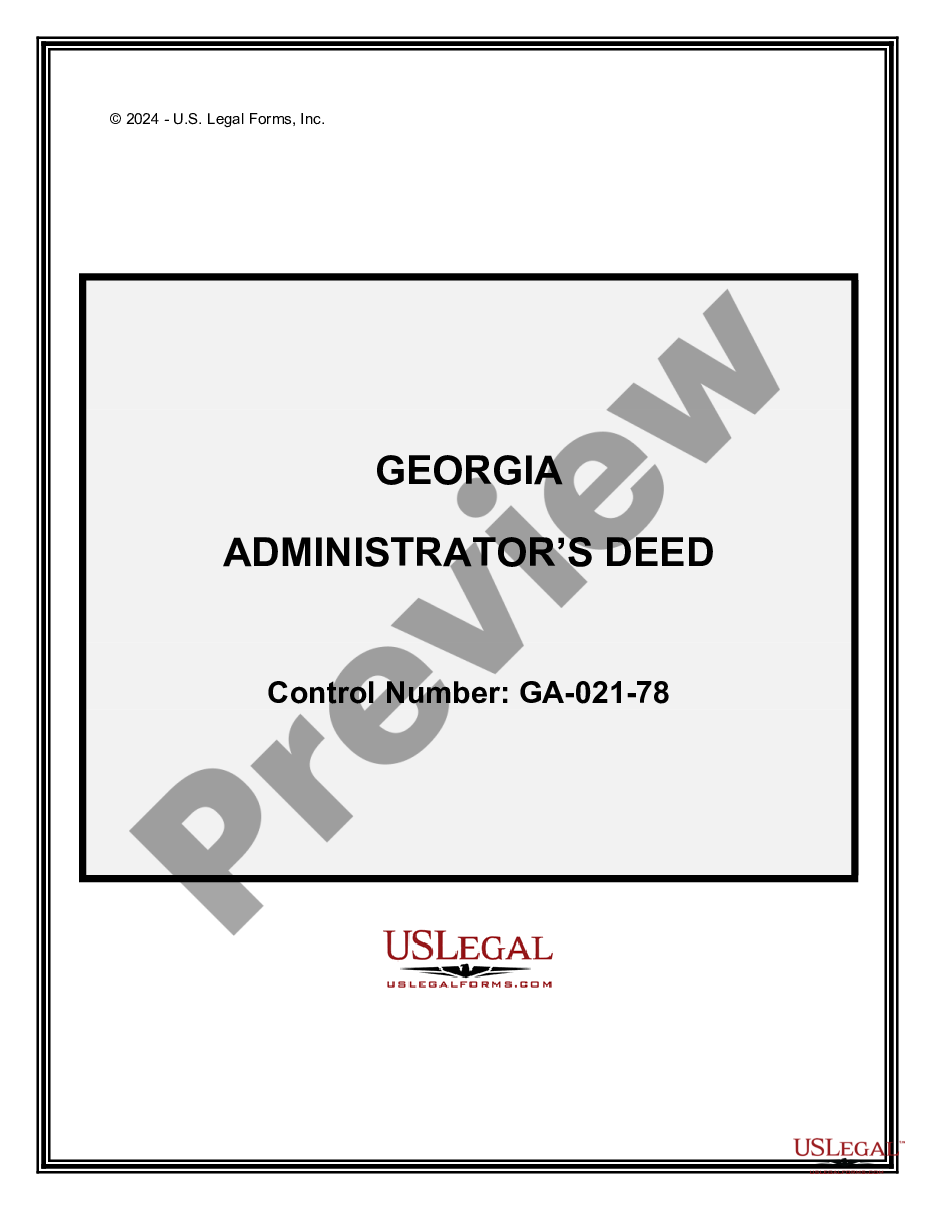
Administrators Deed Estate Uslegal For Non Residents
Description

Get your form ready online
Our built-in tools help you complete, sign, share, and store your documents in one place.
Make edits, fill in missing information, and update formatting in US Legal Forms—just like you would in MS Word.
Download a copy, print it, send it by email, or mail it via USPS—whatever works best for your next step.
Sign and collect signatures with our SignNow integration. Send to multiple recipients, set reminders, and more. Go Premium to unlock E-Sign.
If this form requires notarization, complete it online through a secure video call—no need to meet a notary in person or wait for an appointment.
We protect your documents and personal data by following strict security and privacy standards.

Make edits, fill in missing information, and update formatting in US Legal Forms—just like you would in MS Word.

Download a copy, print it, send it by email, or mail it via USPS—whatever works best for your next step.

Sign and collect signatures with our SignNow integration. Send to multiple recipients, set reminders, and more. Go Premium to unlock E-Sign.

If this form requires notarization, complete it online through a secure video call—no need to meet a notary in person or wait for an appointment.

We protect your documents and personal data by following strict security and privacy standards.
Looking for another form?

How to fill out Georgia Administrator's Deed?
- Start by visiting the US Legal Forms website. If you're already a user, log in to your account.
- Check your subscription status to ensure it’s active. If it’s expired, renew it to continue accessing valuable forms.
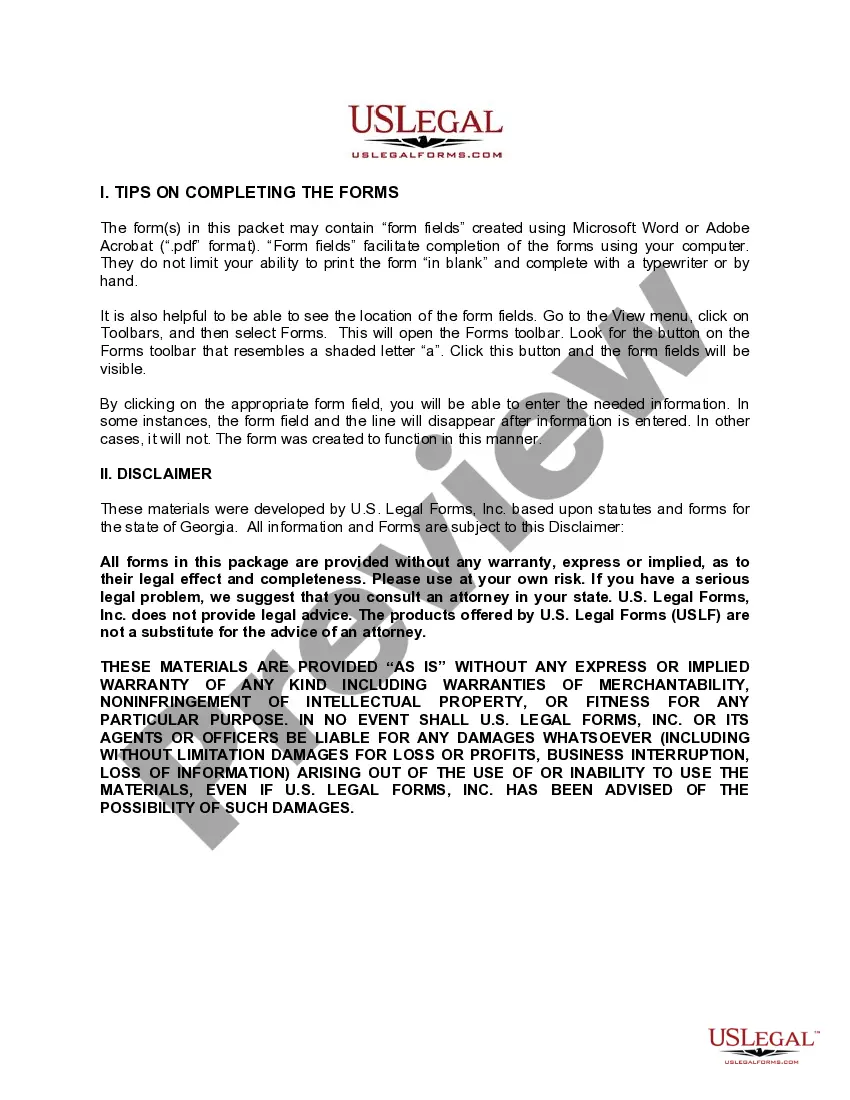
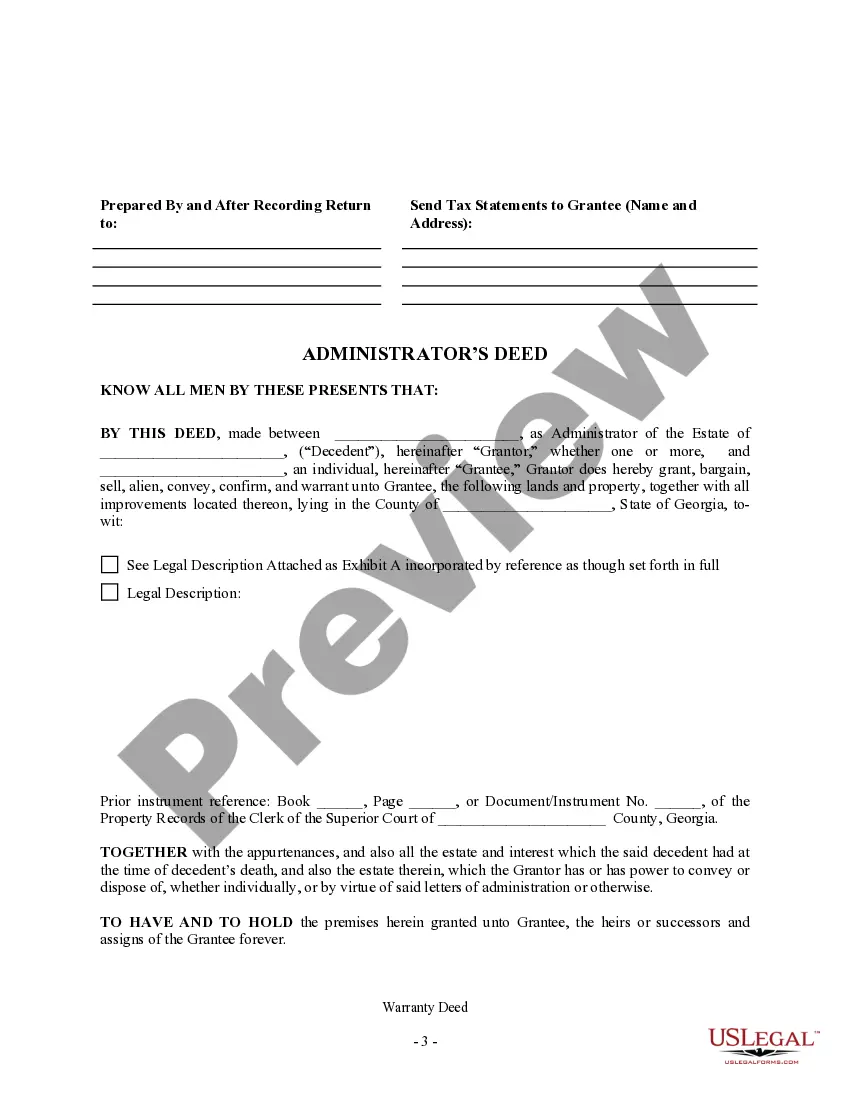
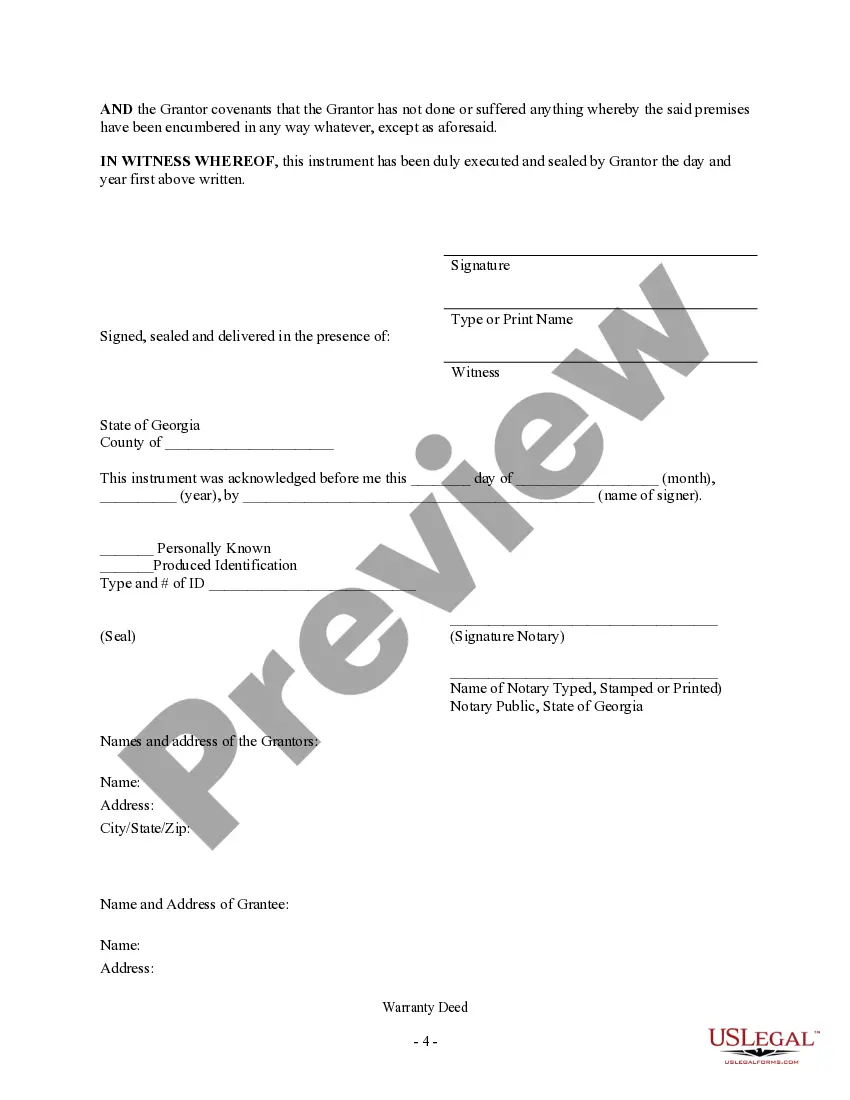
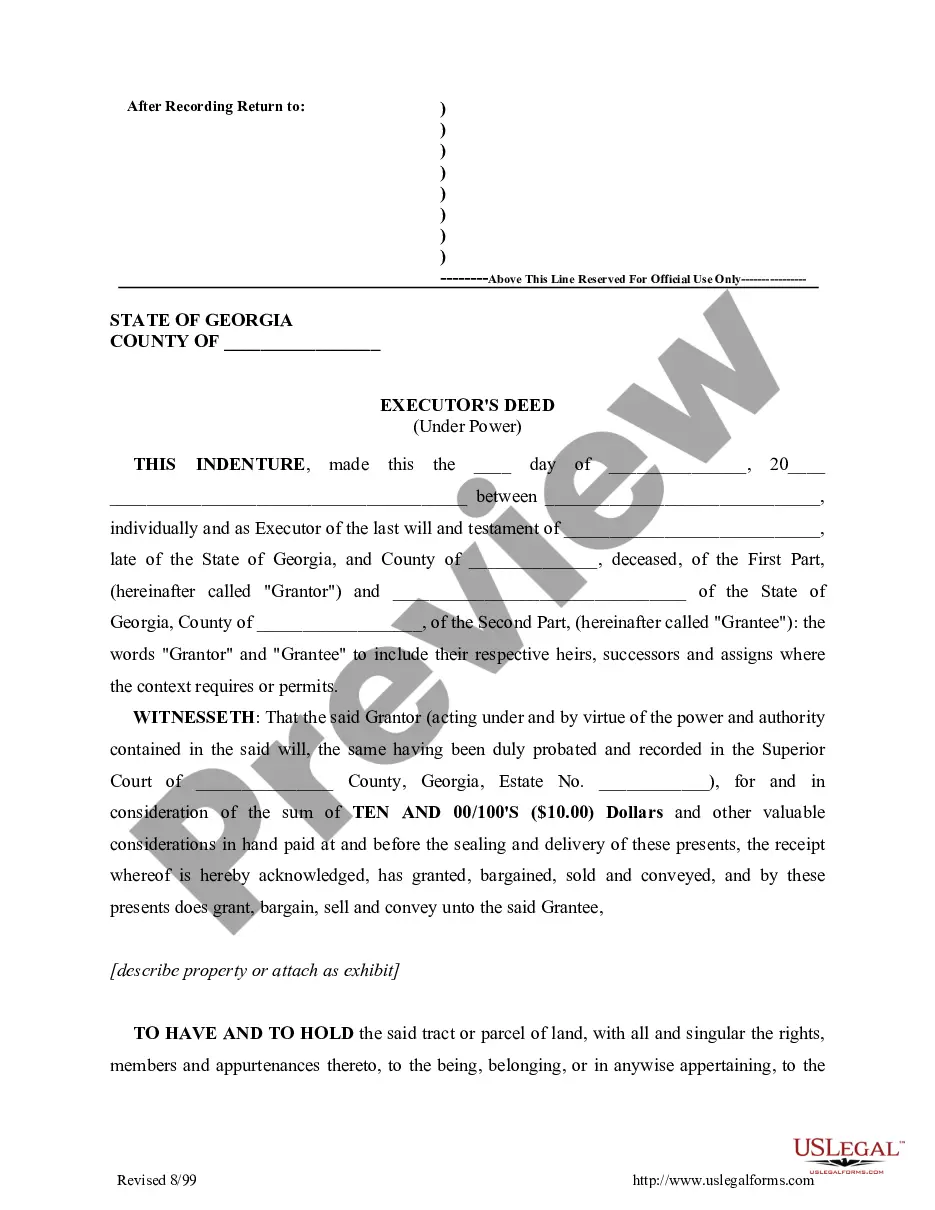
- Find the Administrators Deed template. Use the Preview mode to review it thoroughly and confirm it satisfies your local jurisdiction standards.
- If you need other forms, utilize the Search bar to locate the correct document.
- Select the desired subscription plan and click on the Buy Now button to proceed.
- Input your payment details via credit card or PayPal to finalize your purchase.
- Download your completed form onto your device for immediate use, or access it anytime from the My Forms section.
Using US Legal Forms empowers individuals and attorneys to execute legal documents swiftly and effectively. With over 85,000 editable legal forms, you're well-equipped to ensure that your documentation meets all necessary legal standards.
Start today and simplify your legal process with US Legal Forms, where professional assistance is just a click away!
Form popularity
FAQ
The process of administering and executing the disposition of a deceased person's estate involves gathering all assets, settling debts, and distributing what remains to designated beneficiaries. This procedure is often overseen by an estate administrator appointed by the court. For non-residents looking to navigate this complex process, the Administrators deed estate uslegal for non residents offers comprehensive tools and resources to simplify the tasks involved.
The administration of a decedent's estate refers to the legal process of managing and distributing the deceased's assets according to their wishes or state law. This includes collecting assets, paying debts and taxes, and distributing the remainder to heirs. Understanding this process is vital for non-residents, and the Administrators deed estate uslegal for non residents can help clarify the steps and provide resources to assist in administration.
Administering a decedent's estate involves several key steps, including identifying and valuing assets, paying debts, and distributing the remaining assets to beneficiaries. Each state has its own rules regarding the timeline and requirements for this process. Non-residents can find useful templates and information on the Administrators deed estate uslegal for non residents to guide them through each step efficiently.
To file for an estate administrator, you need to submit the appropriate forms to the probate court in the decedent's state. This process usually includes providing a death certificate and information about the estate's assets. Using the Administrators deed estate uslegal for non residents can simplify this procedure by offering the necessary forms and instructions tailored to your needs.
After a person dies, you typically need to file for probate within a few weeks to a few months, depending on state laws. Timely filing is crucial to ensure that the decedent's estate is properly managed and distributed. For non-residents dealing with estate matters, the Administrators deed estate uslegal for non residents can provide valuable resources and guidance on navigating the process.
The owner named on the deed holds ownership of the property. This person has the legal right to sell, lease, or use the property as they see fit. In cases of estates, the administrator's deed signifies the transfer of ownership from the deceased's estate to the beneficiaries. Understanding this aspect is crucial, especially when dealing with the Administrators deed estate uslegal for non residents to avoid potential complications.
Yes, a non U.S. citizen can be placed on a deed for property ownership. This situation often occurs when a foreign buyer purchases real estate in the United States or when property is being passed to non-residential heirs. Ensure that you understand specific local laws since these can vary, particularly for the Administrators deed estate uslegal for non residents, which could affect the transfer process.
A deed is necessary to legally establish ownership of property and facilitate property transactions. Without a deed, claiming ownership may become complicated, especially during inheritance or sale. Additionally, a deed serves as public record in property transactions, helping resolve disputes about ownership. For non-residents, utilizing the Administrators deed estate uslegal for non residents simplifies the process of managing inherited property.
The three primary types of deeds are warranty deeds, quitclaim deeds, and administrator's deeds. A warranty deed provides the highest level of protection and guarantees that the grantor holds a clear title. A quitclaim deed transfers any interest the grantor has in the property without warranties, often used between friends or family. Lastly, an administrator's deed specifically relates to property transferred under the authority of a court when someone dies, making it essential within the scope of the Administrators deed estate uslegal for non residents.
Having a deed typically indicates ownership of a property. However, the type of deed and the context can influence ownership rights. For instance, an administrator's deed can transfer ownership but only reflects the executor’s authority to act on behalf of the estate. Therefore, understanding the nuances of the deed you hold is essential, particularly when dealing with the Administrators deed estate uslegal for non residents.