Georgia Life Estate With Condition Subsequent

Description
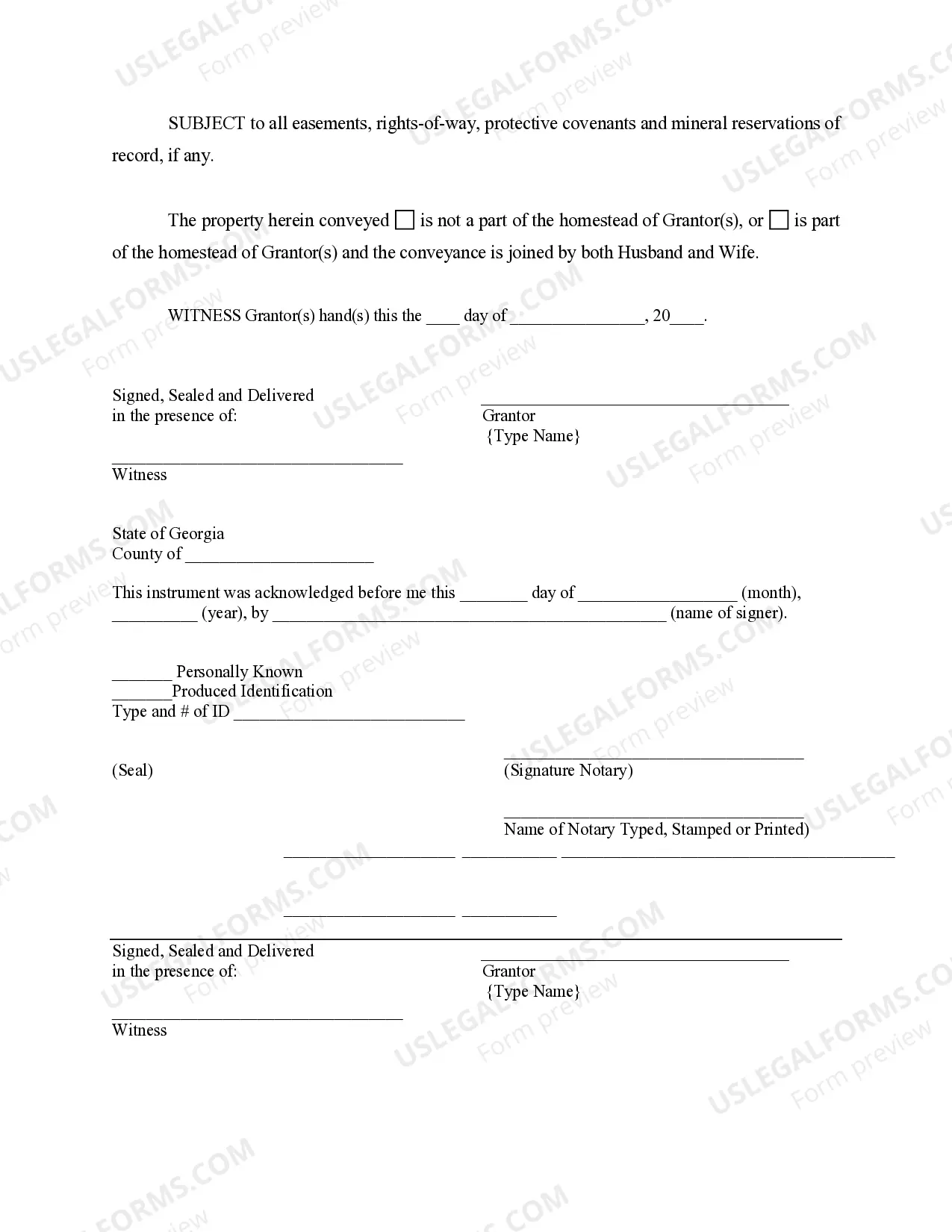
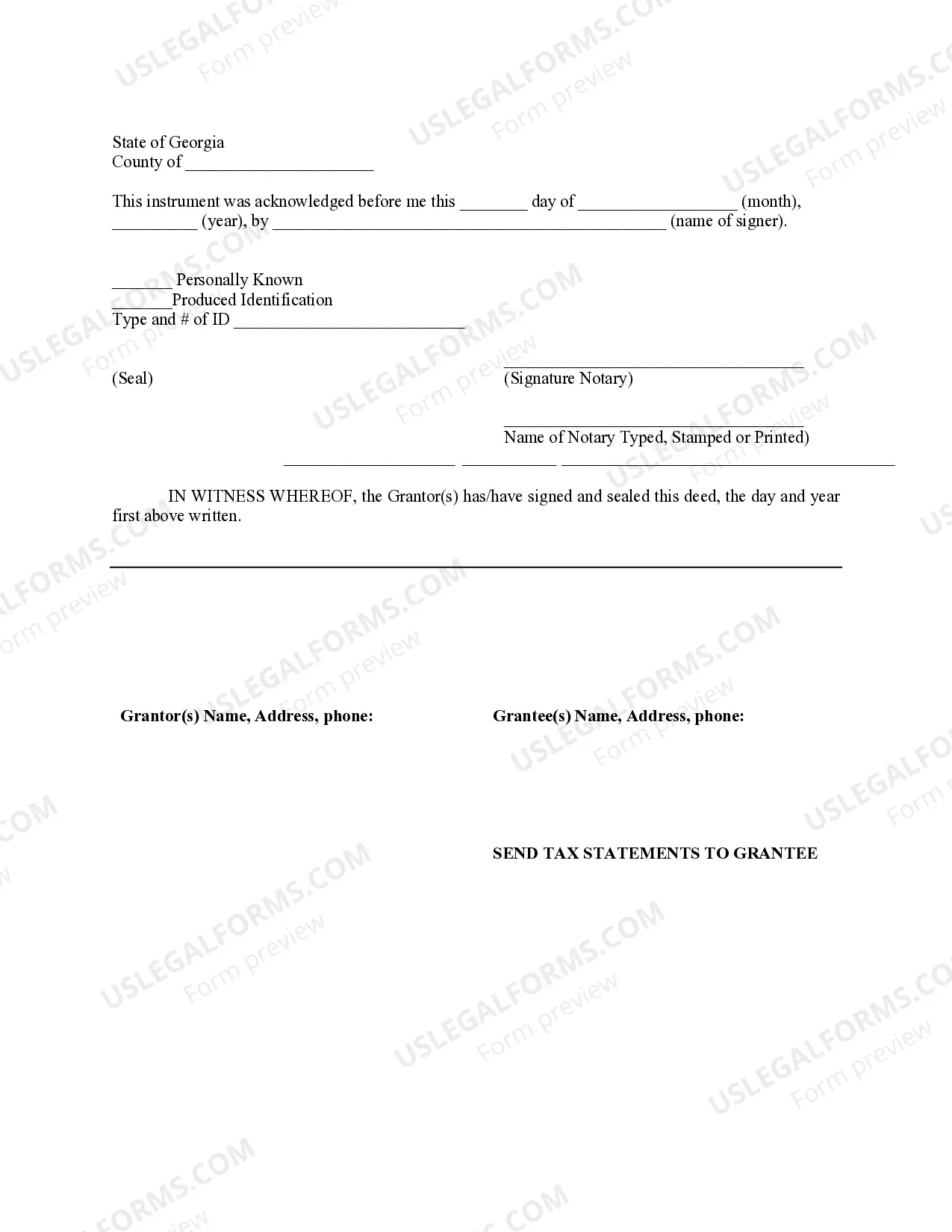
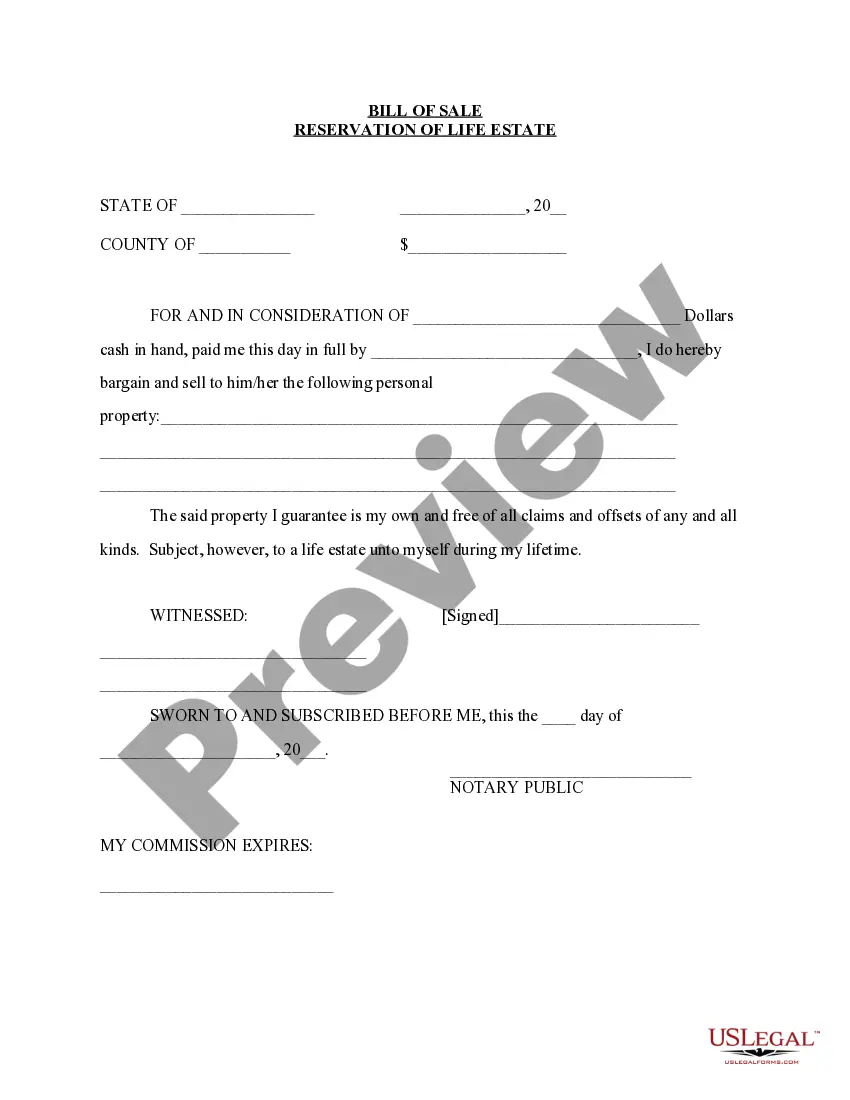
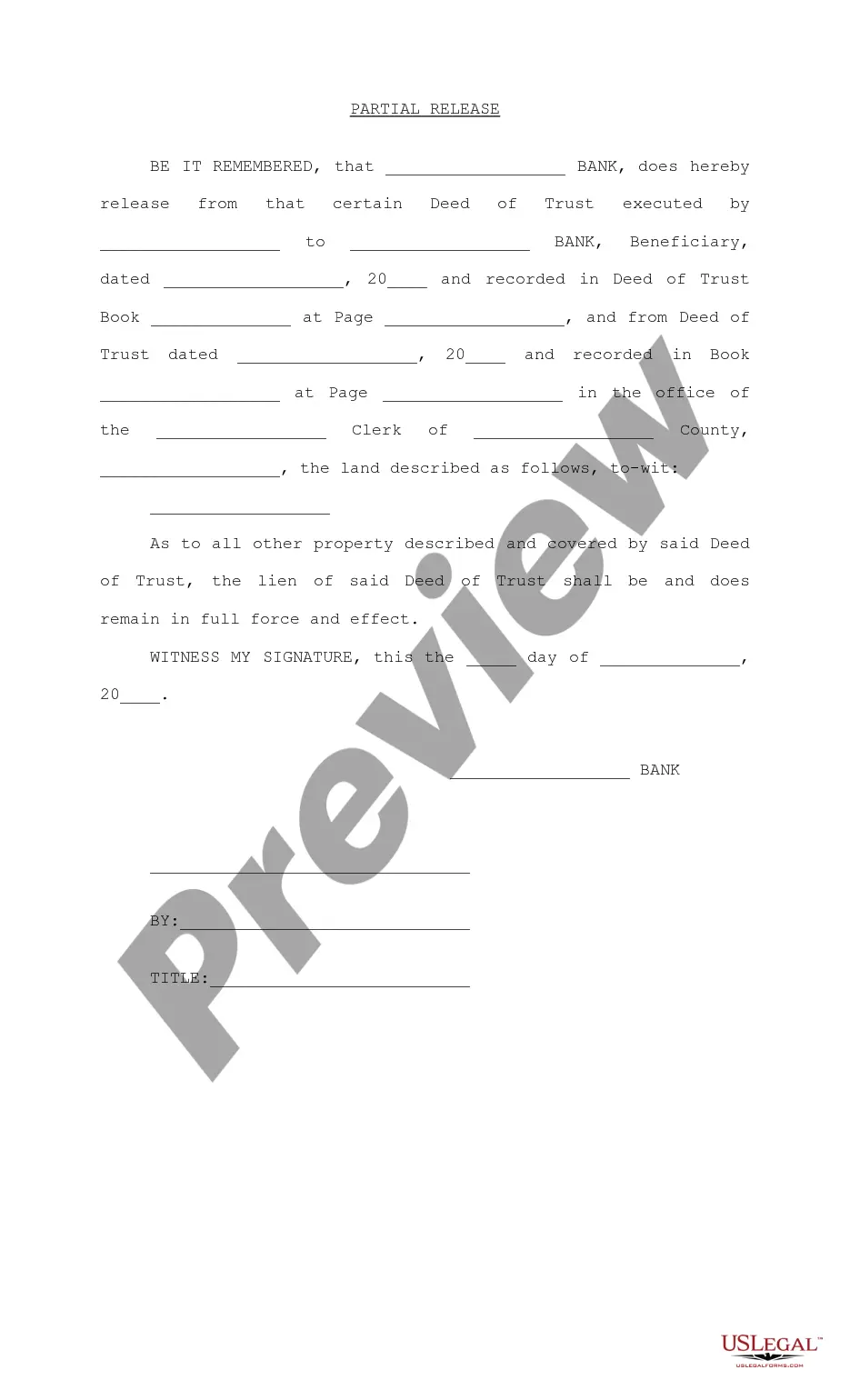
Get your form ready online
Our built-in tools help you complete, sign, share, and store your documents in one place.
Make edits, fill in missing information, and update formatting in US Legal Forms—just like you would in MS Word.
Download a copy, print it, send it by email, or mail it via USPS—whatever works best for your next step.
Sign and collect signatures with our SignNow integration. Send to multiple recipients, set reminders, and more. Go Premium to unlock E-Sign.
If this form requires notarization, complete it online through a secure video call—no need to meet a notary in person or wait for an appointment.
We protect your documents and personal data by following strict security and privacy standards.

Make edits, fill in missing information, and update formatting in US Legal Forms—just like you would in MS Word.

Download a copy, print it, send it by email, or mail it via USPS—whatever works best for your next step.

Sign and collect signatures with our SignNow integration. Send to multiple recipients, set reminders, and more. Go Premium to unlock E-Sign.

If this form requires notarization, complete it online through a secure video call—no need to meet a notary in person or wait for an appointment.

We protect your documents and personal data by following strict security and privacy standards.
Looking for another form?
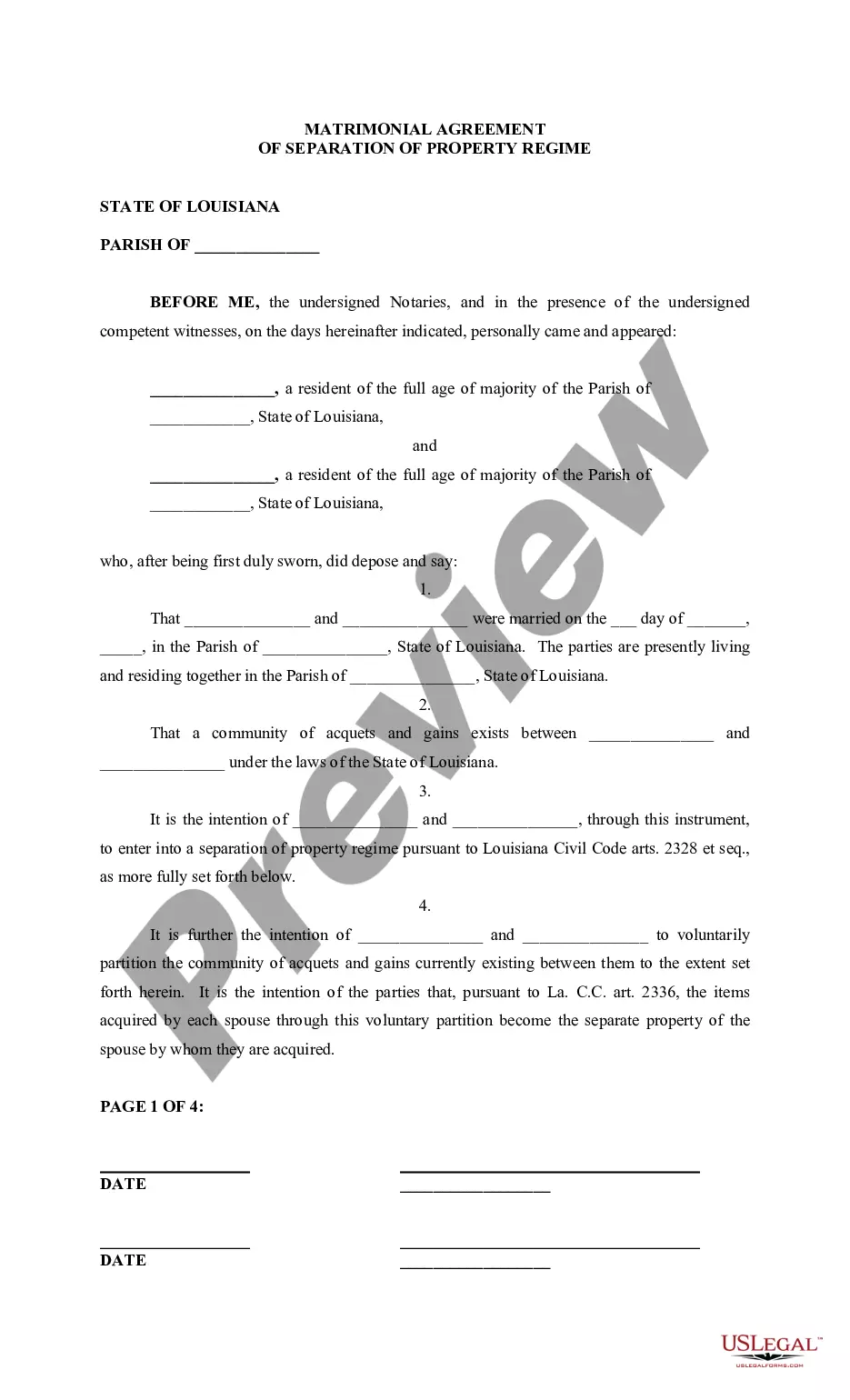
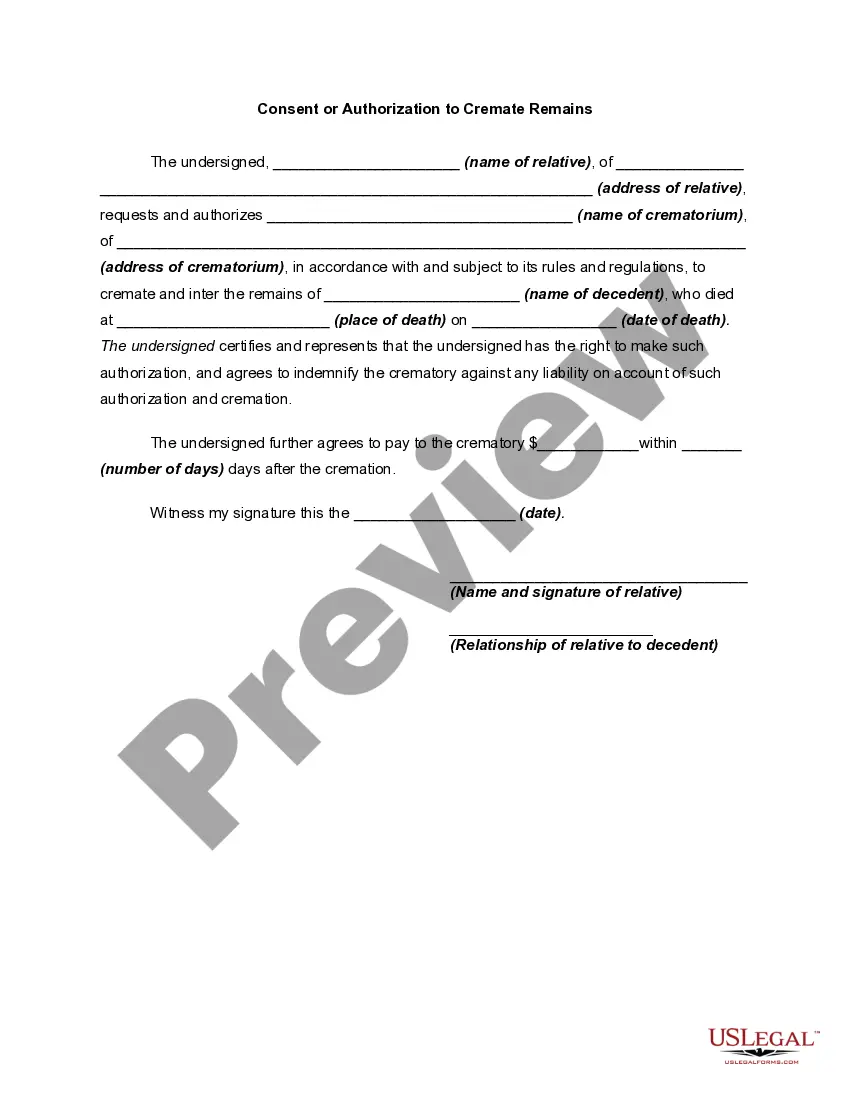
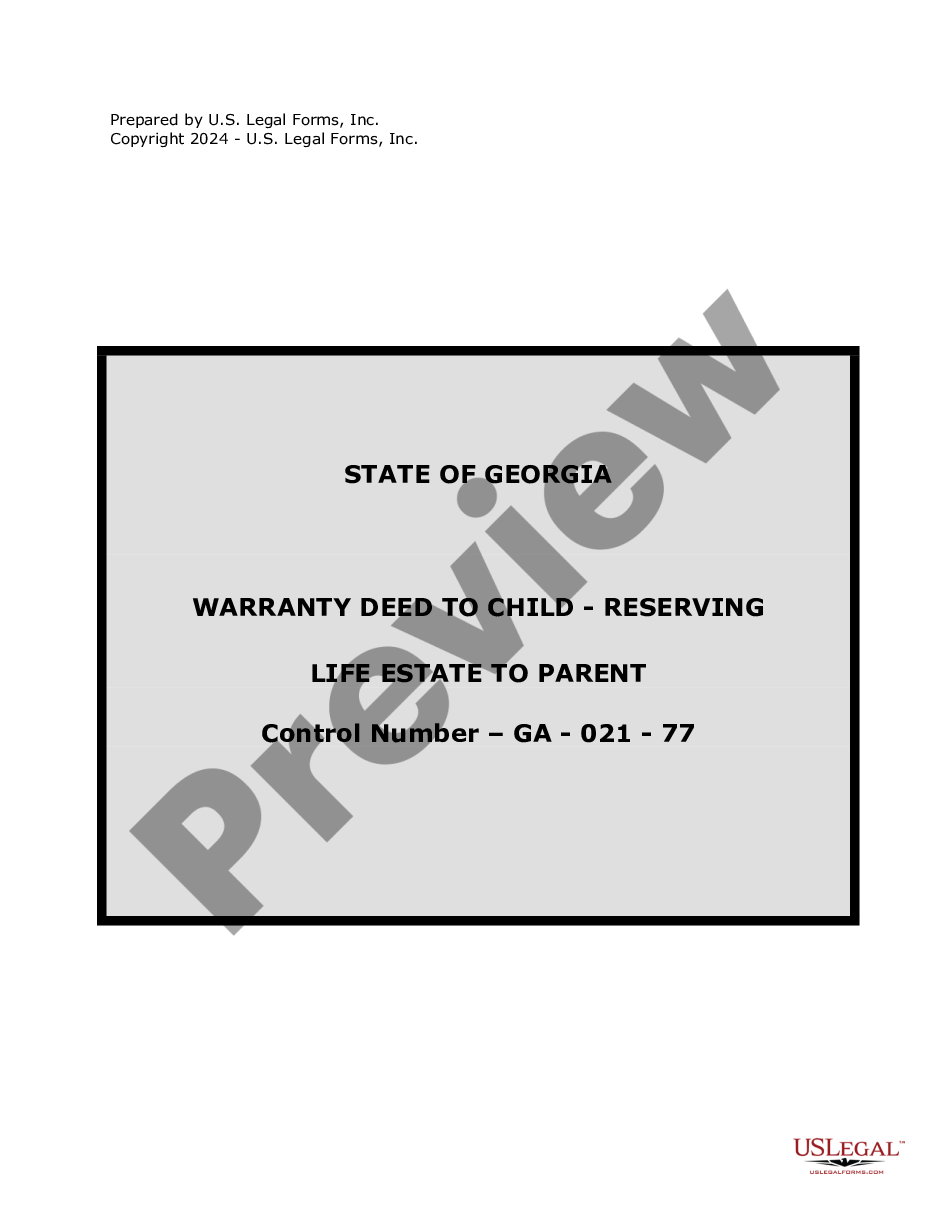
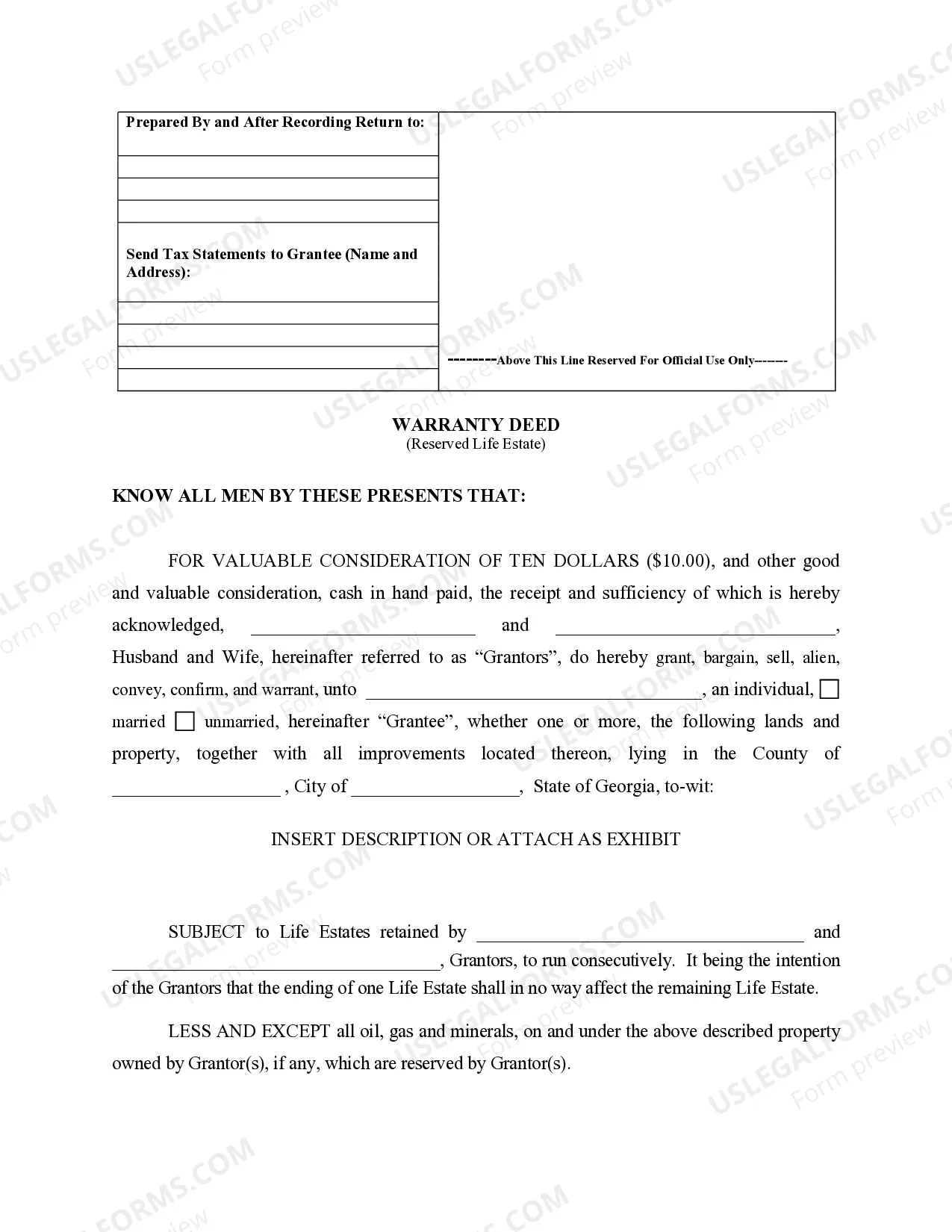
How to fill out Georgia Warranty Deed To Child Reserving A Life Estate In The Parents?
Legal administration can be daunting, even for adept professionals.
When you are searching for a Georgia Life Estate With Condition Subsequent and lack the time to invest in finding the suitable and updated version, the process can be stressful.
Access a knowledge base of articles, guides, handbooks, and resources pertinent to your situation and needs.
Save time and effort searching for the documents you require, and utilize US Legal Forms’ advanced search and Preview feature to obtain Georgia Life Estate With Condition Subsequent for download.
Make sure the sample is recognized in your state or county. Choose Buy Now when you are ready. Select a monthly subscription plan. Choose the format you desire, and Download, complete, eSign, print, and dispatch your document. Benefit from the US Legal Forms online library, backed by 25 years of experience and dependability. Revolutionize your daily document handling into a straightforward and intuitive process today.
- If you possess a monthly subscription, Log In to your US Legal Forms account, search for the document, and download it.
- Visit the My documents tab to access previously saved documents and organize your folders as desired.
- If it is your first experience with US Legal Forms, create an account to gain unlimited access to all the benefits of the library.
- After acquiring the form you need, follow these steps.
- Confirm that it is the correct document by previewing it and reviewing its description.
- Utilize state- or county-specific legal and business documents.
- US Legal Forms addresses any requirements you may have, ranging from personal to corporate papers, all in one location.
- Employ advanced tools to complete and oversee your Georgia Life Estate With Condition Subsequent.
Form popularity
FAQ
In Georgia, life estate law allows individuals to own property for the duration of their lives, with specific terms often outlined in the deed. This setup can include conditions under which the life estate may terminate, such as in the case of a Georgia life estate with condition subsequent. It is crucial to consult legal expertise to navigate these laws and consequences effectively. Platforms like US Legal Forms can assist you with the necessary documentation and understanding of your rights.
Subject to a condition subsequent refers to any estate or property ownership that operates under specific guidelines set by the granting party. In such cases, the ownership can be revoked if the conditions are not met. For instance, with a Georgia life estate with condition subsequent, it's important to stay informed about what conditions might apply to maintain ownership.
A life estate with condition subsequent is a unique type of property ownership that lasts for the life of the owner under specific conditions. If the owner violates the pre-established conditions, their right to the property can end, allowing it to revert to a designated third party. This arrangement is particularly relevant in Georgia, where understanding the implications of such a condition is essential to avoiding potential disputes.
Yes, a life estate can indeed be subject to a condition subsequent. This means that the rights to the property may depend on fulfilling certain conditions throughout the owner's lifetime. Should the owner fail to meet these conditions, the estate may terminate. This connection to Georgia life estate with condition subsequent offers a unique aspect to property ownership.
A simple subject to a condition subsequent refers to an estate that can end if a specific event occurs. Essentially, the owner retains the title but must comply with the condition. If the condition is violated, the property may revert to the original owner or their heirs. Understanding this concept is crucial for those exploring a Georgia life estate with condition subsequent.
In Georgia, a life estate with condition subsequent allows an individual to possess a property for their lifetime. However, this ownership comes with specific conditions that, if violated, can terminate the life estate. The original owner, or their heirs, can reclaim the property if the stipulated conditions are not met. Understanding these nuances can simplify your estate planning, and platforms like USLegalForms can provide you with the necessary forms and resources to establish a Georgia life estate with condition subsequent.
The 7-year fence law in Georgia refers to a principle of adverse possession. If an individual maintains a fence on a property for seven years, they might have claims to that land if certain conditions are met. This law can impact property disputes, especially for those managing a Georgia life estate with condition subsequent. To navigate these potential complications, seeking guidance from uslegalforms can provide clarity and assist with compliant property management.
Yes, Georgia recognizes life estates, including the Georgia life estate with condition subsequent. This legal arrangement allows an individual to use a property for life while defining specific conditions for its future use or transfer. Understanding how this works can be crucial for effective estate planning, especially in managing property and assets. Consulting with professionals can help clarify your options and obligations.
In Georgia, a will does not automatically override a life estate. When you establish a Georgia life estate with condition subsequent, it creates specific rights for the life tenant. This means that while a will can dictate the distribution of the property after the life tenant's death, it cannot alter the established rights during the life tenant's lifetime. It's essential to consider these details to ensure clarity in estate planning.