Florida Law For Roof Replacement
Description

Get your form ready online
Our built-in tools help you complete, sign, share, and store your documents in one place.
Make edits, fill in missing information, and update formatting in US Legal Forms—just like you would in MS Word.
Download a copy, print it, send it by email, or mail it via USPS—whatever works best for your next step.
Sign and collect signatures with our SignNow integration. Send to multiple recipients, set reminders, and more. Go Premium to unlock E-Sign.
If this form requires notarization, complete it online through a secure video call—no need to meet a notary in person or wait for an appointment.
We protect your documents and personal data by following strict security and privacy standards.

Make edits, fill in missing information, and update formatting in US Legal Forms—just like you would in MS Word.

Download a copy, print it, send it by email, or mail it via USPS—whatever works best for your next step.

Sign and collect signatures with our SignNow integration. Send to multiple recipients, set reminders, and more. Go Premium to unlock E-Sign.

If this form requires notarization, complete it online through a secure video call—no need to meet a notary in person or wait for an appointment.

We protect your documents and personal data by following strict security and privacy standards.
Looking for another form?

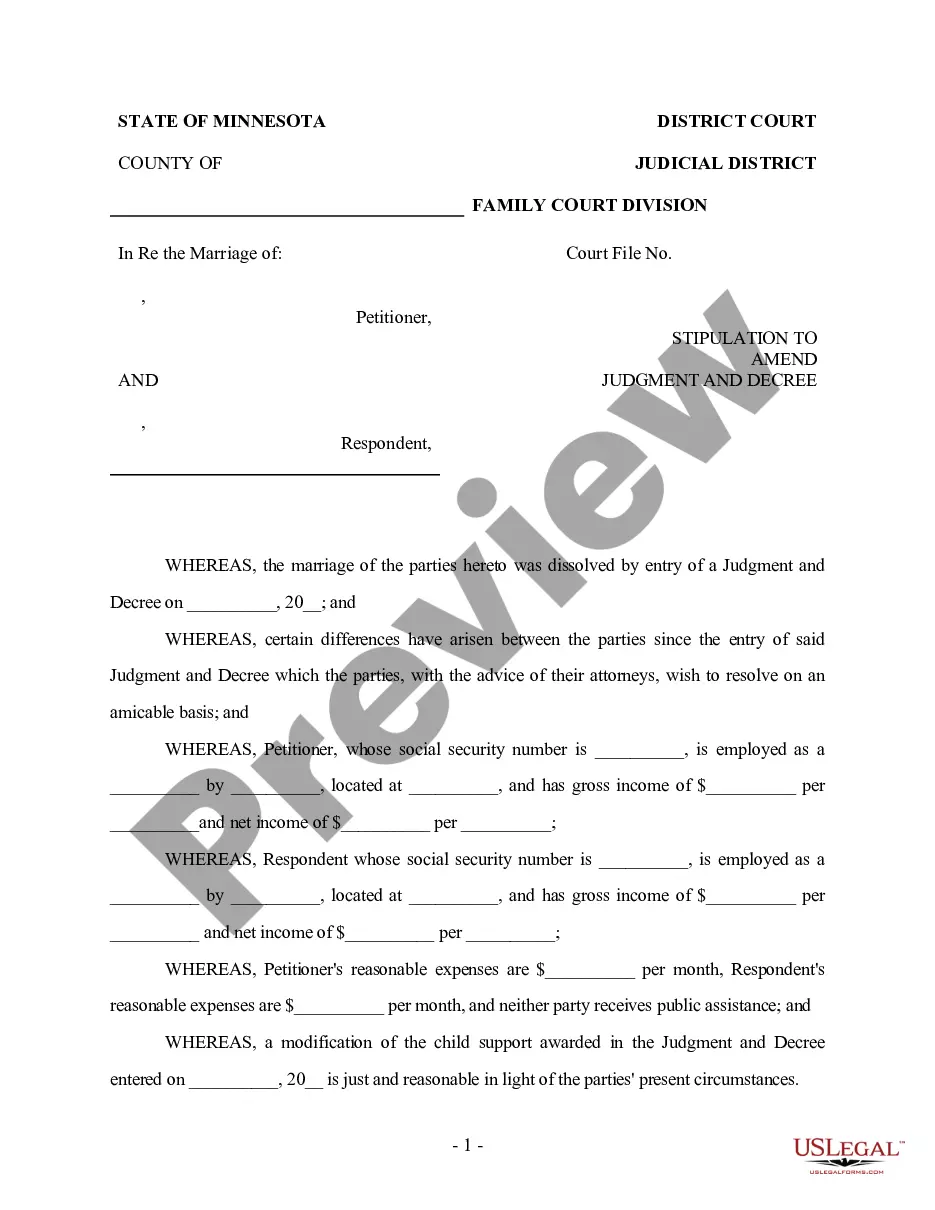
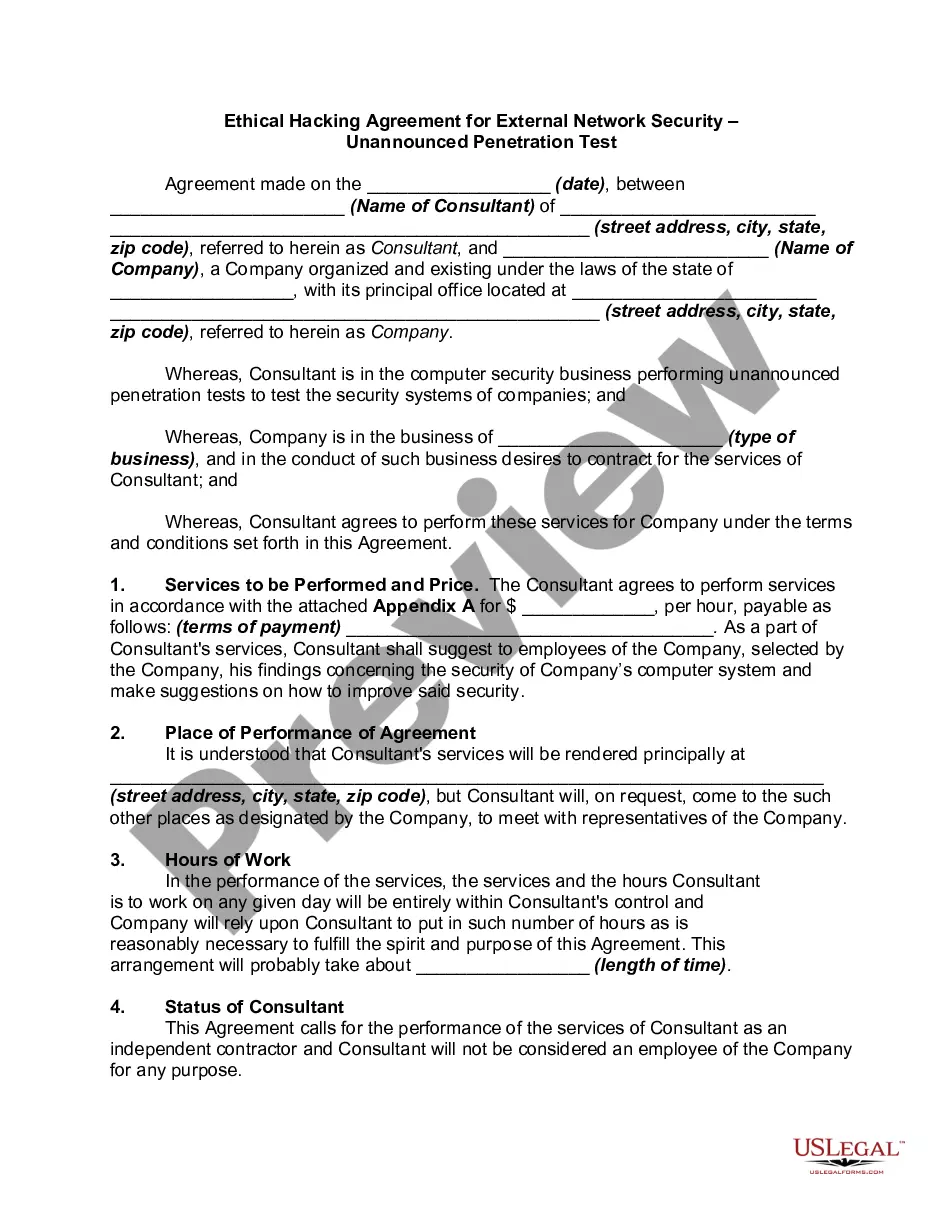





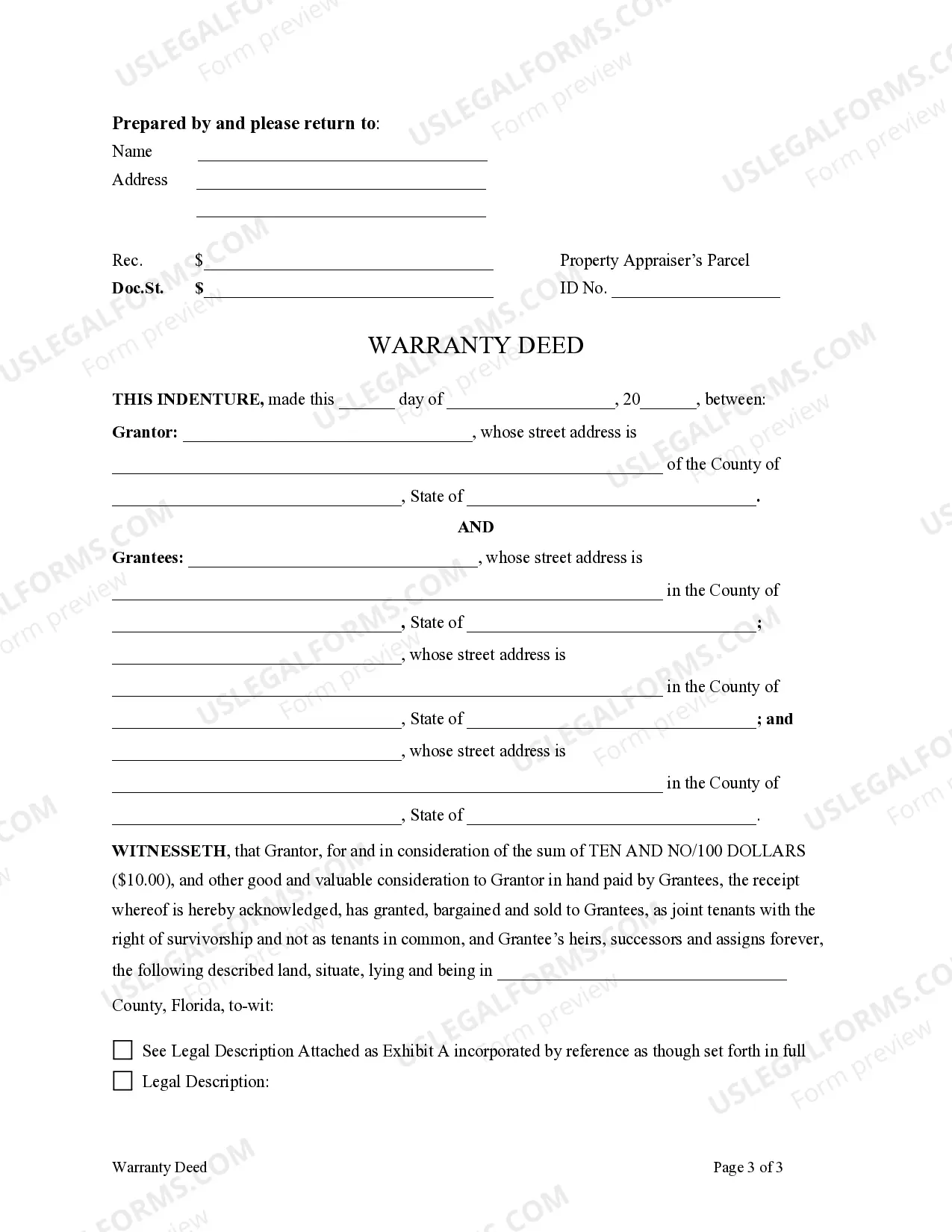
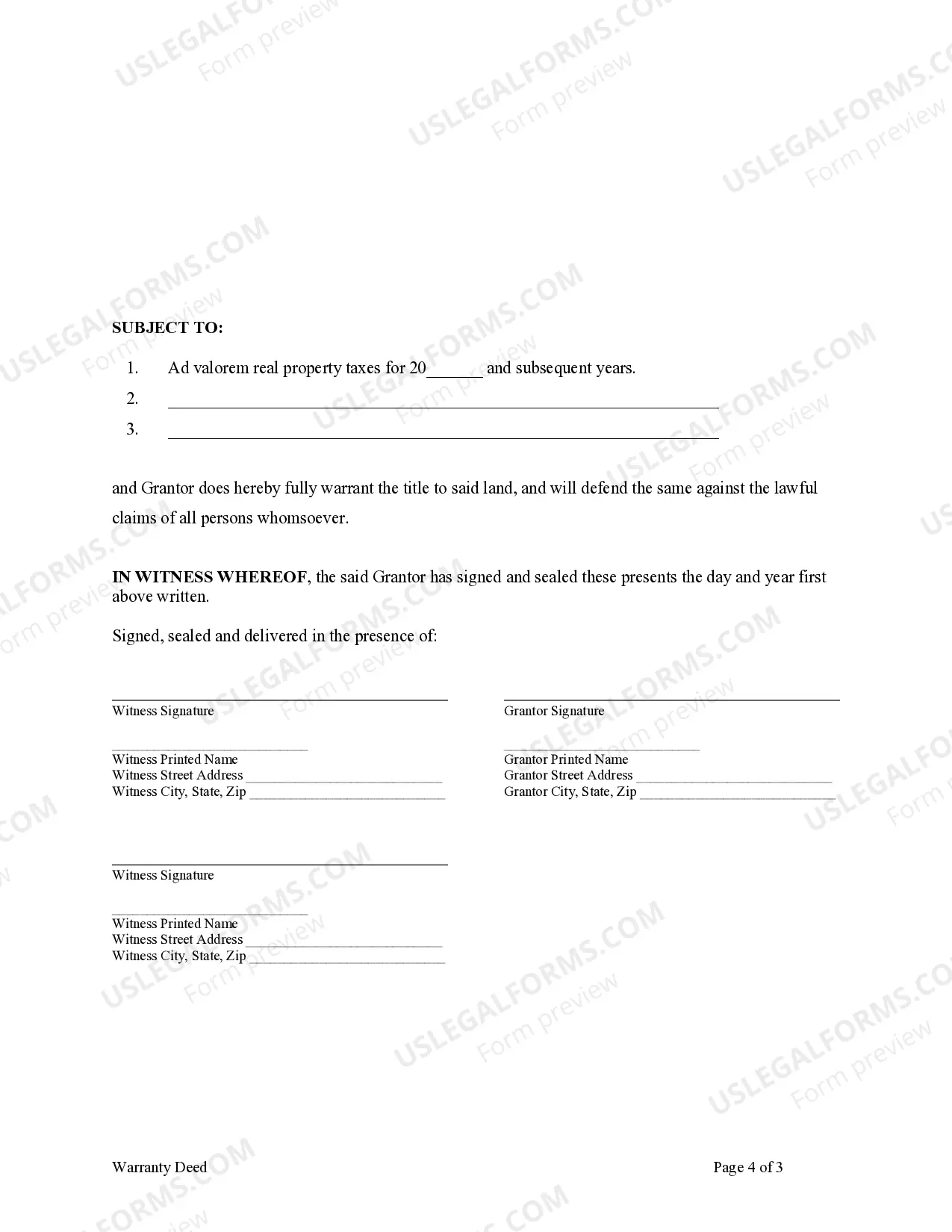
How to fill out Florida Warranty Deed From Individual To Three Individuals As Joint Tenants With Right Of Survivorship?
It’s obvious that you can’t become a law expert immediately, nor can you grasp how to quickly prepare Florida Law For Roof Replacement without having a specialized set of skills. Putting together legal documents is a long venture requiring a specific training and skills. So why not leave the preparation of the Florida Law For Roof Replacement to the specialists?
With US Legal Forms, one of the most comprehensive legal template libraries, you can find anything from court paperwork to templates for internal corporate communication. We know how important compliance and adherence to federal and local laws and regulations are. That’s why, on our website, all forms are location specific and up to date.
Here’s start off with our website and get the form you need in mere minutes:
- Find the document you need by using the search bar at the top of the page.
- Preview it (if this option available) and read the supporting description to figure out whether Florida Law For Roof Replacement is what you’re searching for.
- Begin your search again if you need a different form.
- Set up a free account and select a subscription option to purchase the template.
- Pick Buy now. Once the payment is through, you can download the Florida Law For Roof Replacement, fill it out, print it, and send or send it by post to the designated people or organizations.
You can re-access your documents from the My Forms tab at any time. If you’re an existing client, you can simply log in, and find and download the template from the same tab.
No matter the purpose of your paperwork-whether it’s financial and legal, or personal-our website has you covered. Try US Legal Forms now!
Form popularity
FAQ
Florida law requires that all roofing work be done by a contractor licensed to perform such work. Hiring an unlicensed contractor can result in a fine to the consumer of up to $5,000.
The first thing to know is that to get insurance to pay for a roof replacement, the roof must have storm- or other weather-related damage. In Florida, this most often means that your roof must have: Wind damage like missing shingles. Fallen trees and branches on the roof from high winds.
Legally speaking, yes, a homeowner can conduct their own roof replacement thanks to an exception in Florida Statute 489.103(7)(a). But before you commit to this long and expensive process, you should make sure that you know what you're signing up for.
All roofing projects must be conducted in compliance with the Florida Building Code, and all major repairs or roof replacement projects require a building permit. Typically, the cost of the permit is related to the size of the project, but it will vary based on local requirements.
The 2021 legislation prohibited roofers from door-to-door marketing, and from incentivizing homeowners to submit for a roof replacement. The law also updated claim requirements for property owners. Roof-related claims (including supplemental and reopened claims) must be submitted within two years.