Florida Living Trust With Beneficiaries
Description
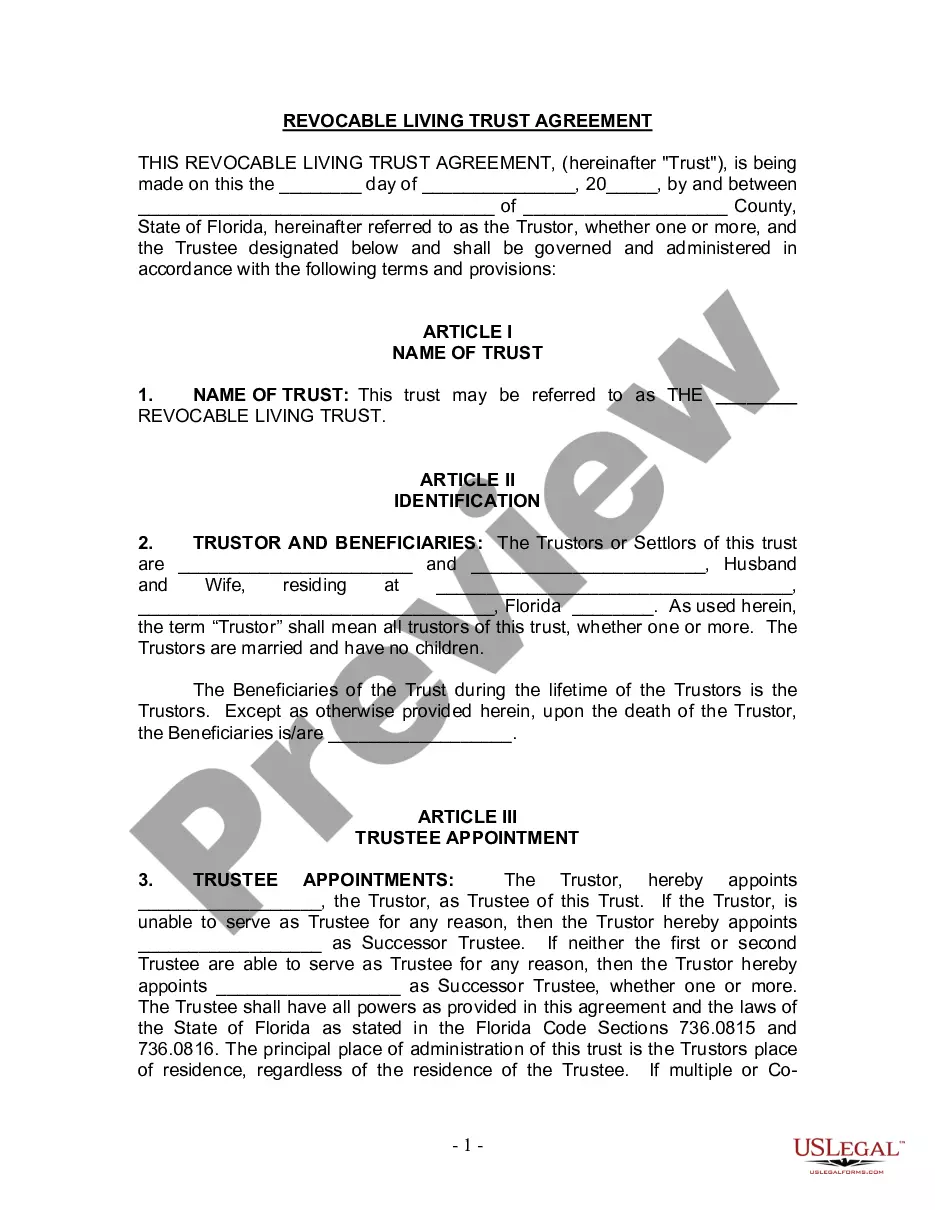





Get your form ready online
Our built-in tools help you complete, sign, share, and store your documents in one place.
Make edits, fill in missing information, and update formatting in US Legal Forms—just like you would in MS Word.
Download a copy, print it, send it by email, or mail it via USPS—whatever works best for your next step.
Sign and collect signatures with our SignNow integration. Send to multiple recipients, set reminders, and more. Go Premium to unlock E-Sign.
If this form requires notarization, complete it online through a secure video call—no need to meet a notary in person or wait for an appointment.
We protect your documents and personal data by following strict security and privacy standards.

Make edits, fill in missing information, and update formatting in US Legal Forms—just like you would in MS Word.

Download a copy, print it, send it by email, or mail it via USPS—whatever works best for your next step.

Sign and collect signatures with our SignNow integration. Send to multiple recipients, set reminders, and more. Go Premium to unlock E-Sign.

If this form requires notarization, complete it online through a secure video call—no need to meet a notary in person or wait for an appointment.

We protect your documents and personal data by following strict security and privacy standards.
Looking for another form?
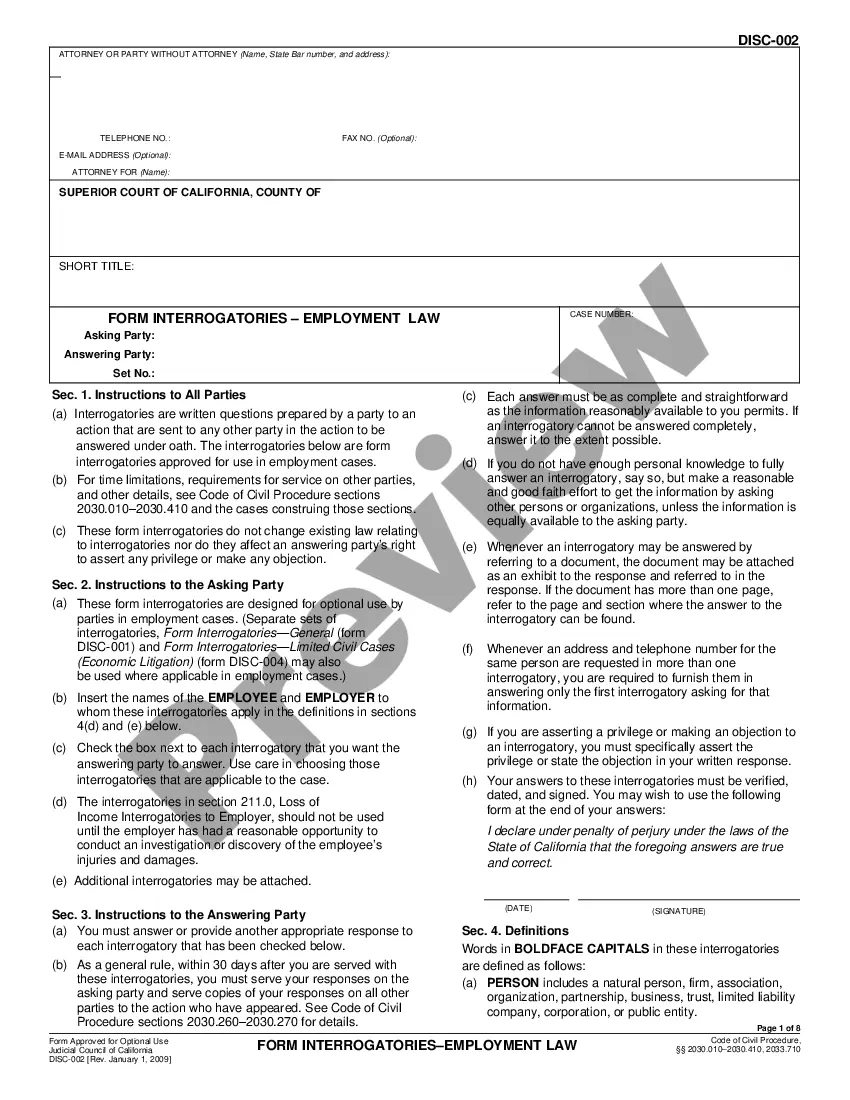







How to fill out Florida Revocable Living Trust For Husband And Wife With No Children?
Acquiring legal document examples that adhere to federal and state regulations is essential, and the internet provides many alternatives to select from.
However, what is the use of spending time looking for the appropriate Florida Living Trust With Beneficiaries example online if the US Legal Forms digital library already houses such templates gathered in one location.
US Legal Forms is the largest online legal repository with over 85,000 fillable documents created by lawyers for any business and personal matter. They are easy to navigate with all files organized by state and intended use. Our experts keep up with legal updates, ensuring that your form is always current and compliant when acquiring a Florida Living Trust With Beneficiaries from our site.
Click Buy Now when you’ve discovered the appropriate form and select a subscription plan. Create an account or Log In and process a payment via PayPal or credit card. Choose the correct format for your Florida Living Trust With Beneficiaries and download it. All templates available through US Legal Forms are reusable. To re-download and complete previously acquired forms, access the My documents section in your profile. Enjoy the most comprehensive and user-friendly legal document service!
- Acquiring a Florida Living Trust With Beneficiaries is straightforward and rapid for both existing and new users.
- If you already possess an account with a valid subscription, Log In and save the document example you need in the appropriate format.
- If you are new to our platform, follow these steps.
- Evaluate the template using the Preview feature or through the text outline to confirm it meets your requirements.
- Search for another example using the search function at the top of the page if necessary.
Form popularity
FAQ
Putting your house in a Florida living trust with beneficiaries can have disadvantages, including potential loss of control over the property. Once transferred to the trust, you may have limited ability to make decisions without consulting the trustee. Additionally, there can be costs associated with maintaining the trust, which may not be justifiable for everyone.
The 2-year rule for trusts in Florida refers to a provision that can affect how property is treated for tax purposes. If a trust is established within two years of the grantor's death, it may be subject to specific tax implications. Understanding this rule is essential when creating a Florida living trust with beneficiaries to optimize tax efficiency and ensure compliance.
In Florida, property taxes for assets held in a living trust are typically the responsibility of the trustee. The trustee must manage the trust's finances, including paying property taxes, to protect the interests of the beneficiaries. Ensuring that these obligations are met can help maintain the trust's value for future distributions.
Beneficiaries of a Florida living trust with beneficiaries have the right to receive an accounting of the trust's assets and distributions. They can also request information about the trust's management and may have the right to challenge the trustee's actions if they believe it goes against the trust's terms. Knowing your rights can help you ensure that your interests are protected.
A qualified beneficiary is a limited subset of all trust beneficiaries. In effect, the class is limited to living persons who are (a) current beneficiaries, (b) intermediate beneficiaries, and (c) first line remainder beneficiaries, whether vested or contingent. See John G. Grimsley, Florida Law of Trusts, 18 Fla.
A trustee is required to tell her beneficiaries that she is a trustee. A trustee should send a writing to a Florida trust beneficiary within 60 days. This is the first notice of trust which we will discuss. You can also read the Florida Trust Code Statute 736.0813(1).
To leave property to your living trust, name your trust as beneficiary for that property, using the trustee's name and the name of the trust. For example: John Doe as trustee of the John Doe Living Trust, dated January 1, 20xx.
To set up a living trust, you'll choose the type of trust you'll need, take a thorough inventory of your property, and choose a trustee. Then you'll need to draw up the trust document and sign it in front of a notary public. After that, you'll fund the trust by transferring property into the trust.
Hear this out loud PauseNotice to beneficiaries and heirs: If the trust becomes irrevocable when the settlor dies, the trustee has 60 days after becoming trustee or 60 days after the settlor's death, whichever happens later, to give written notice to all beneficiaries of the trust and to each heir of the decedent.