Landlord Notice Form For Viewings
Description



Get your form ready online
Our built-in tools help you complete, sign, share, and store your documents in one place.
Make edits, fill in missing information, and update formatting in US Legal Forms—just like you would in MS Word.
Download a copy, print it, send it by email, or mail it via USPS—whatever works best for your next step.
Sign and collect signatures with our SignNow integration. Send to multiple recipients, set reminders, and more. Go Premium to unlock E-Sign.
If this form requires notarization, complete it online through a secure video call—no need to meet a notary in person or wait for an appointment.
We protect your documents and personal data by following strict security and privacy standards.

Make edits, fill in missing information, and update formatting in US Legal Forms—just like you would in MS Word.

Download a copy, print it, send it by email, or mail it via USPS—whatever works best for your next step.

Sign and collect signatures with our SignNow integration. Send to multiple recipients, set reminders, and more. Go Premium to unlock E-Sign.

If this form requires notarization, complete it online through a secure video call—no need to meet a notary in person or wait for an appointment.

We protect your documents and personal data by following strict security and privacy standards.
Looking for another form?
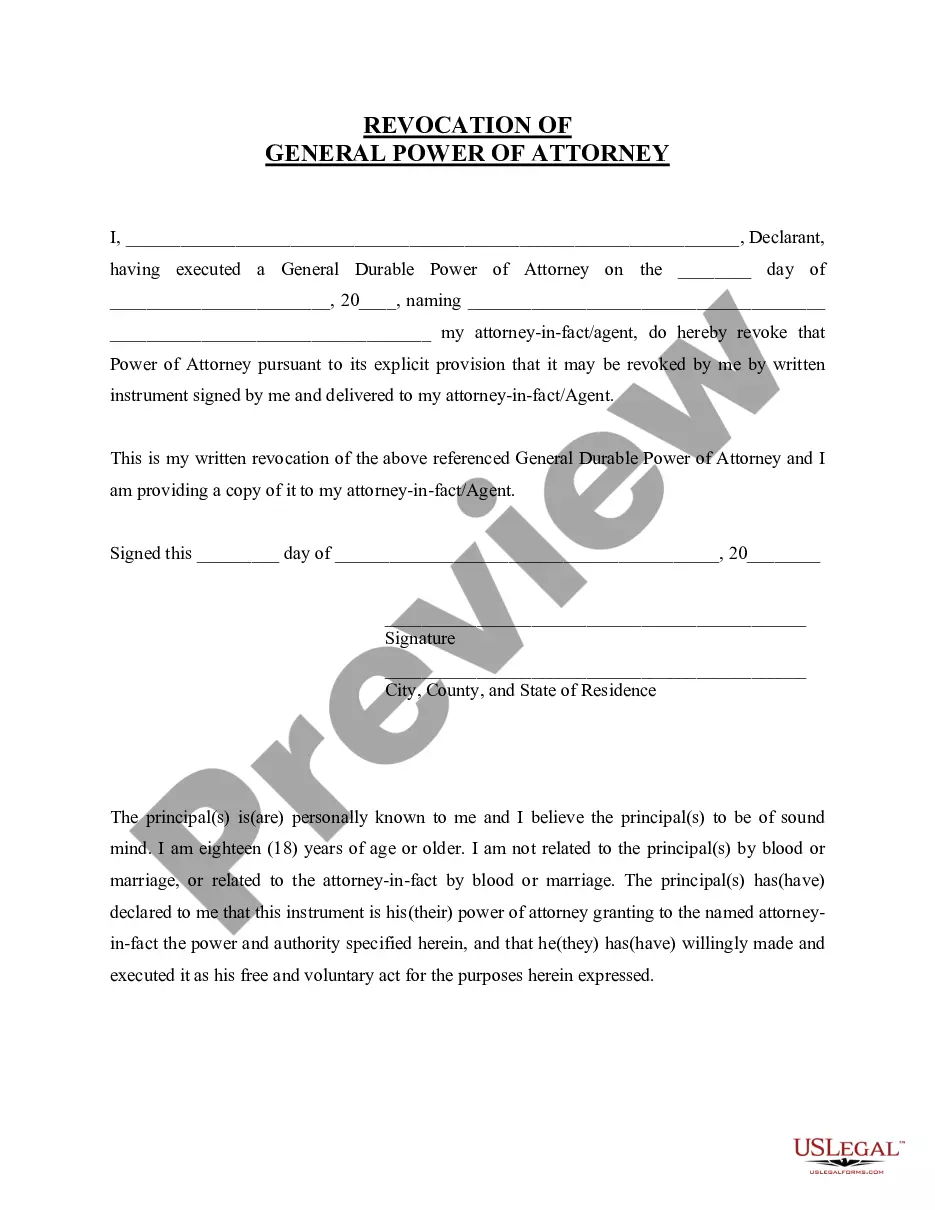
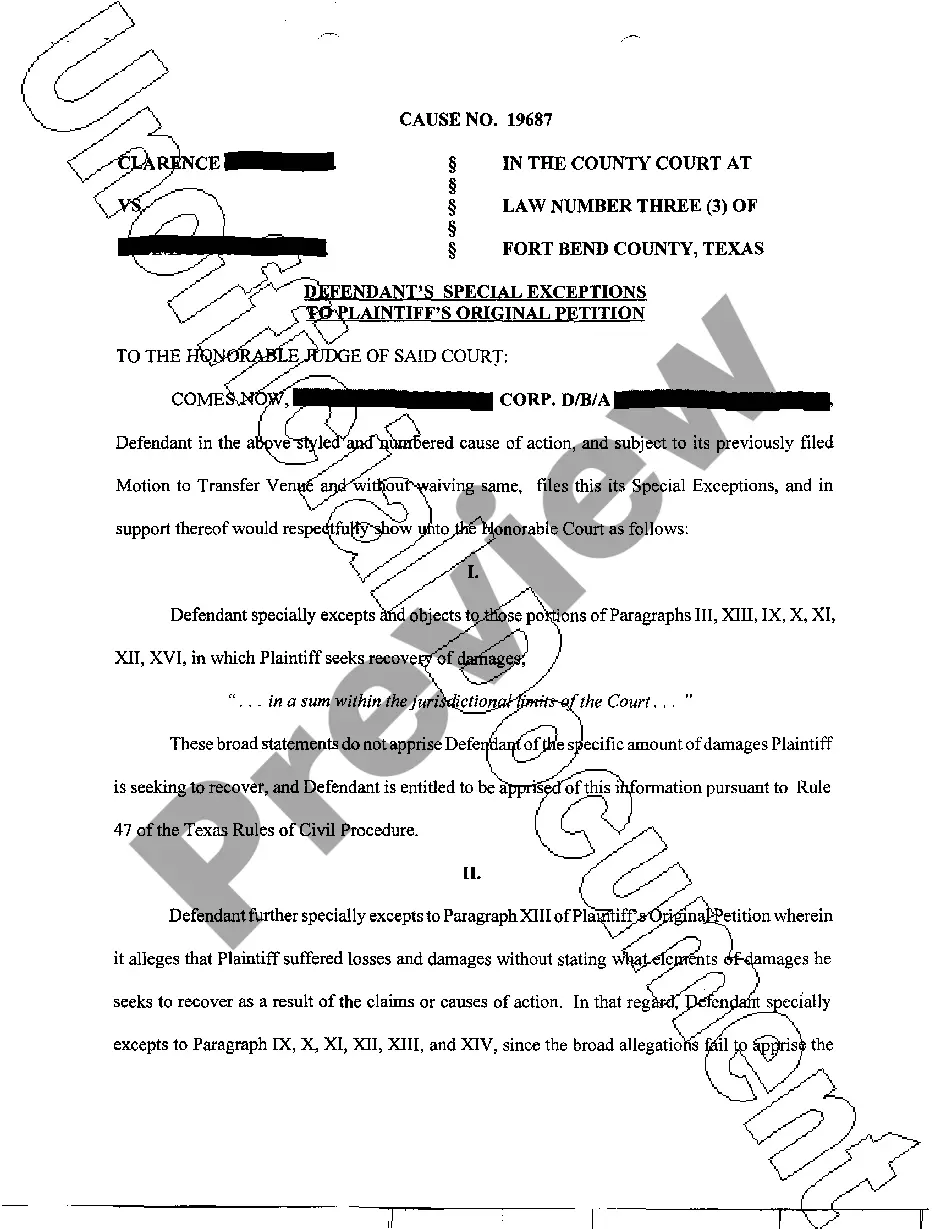
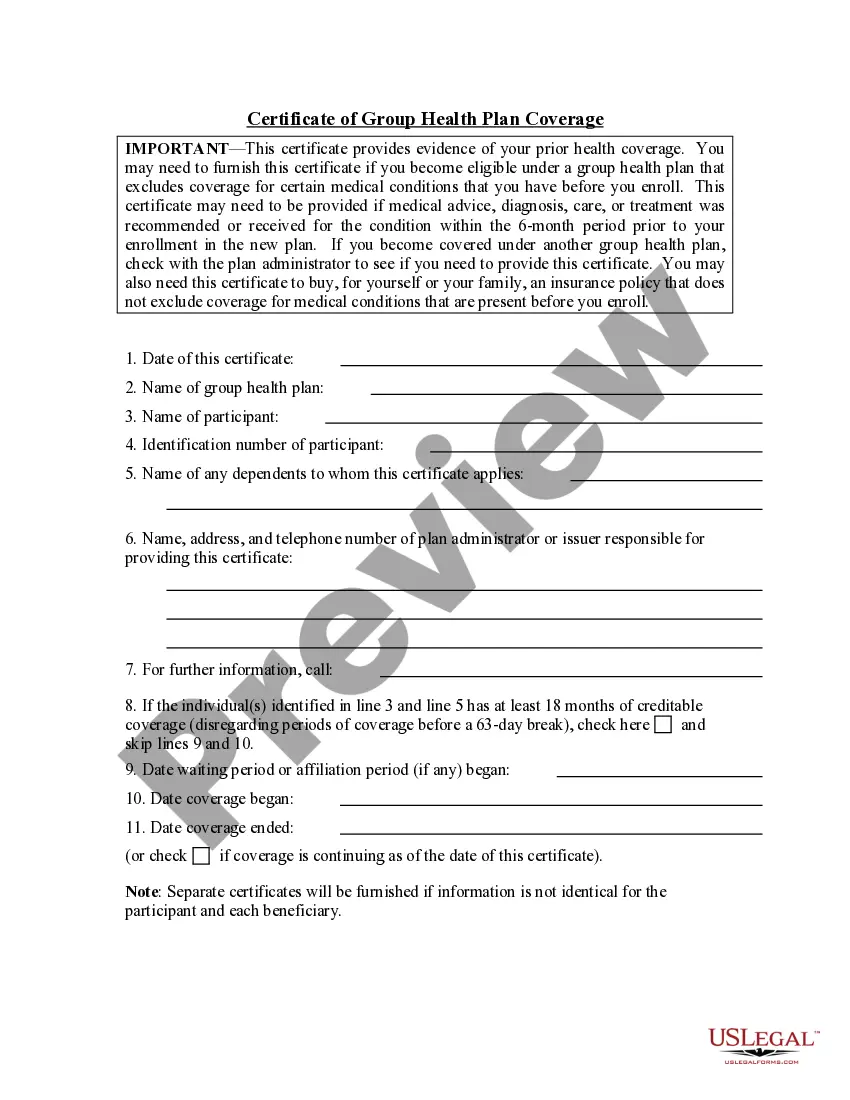


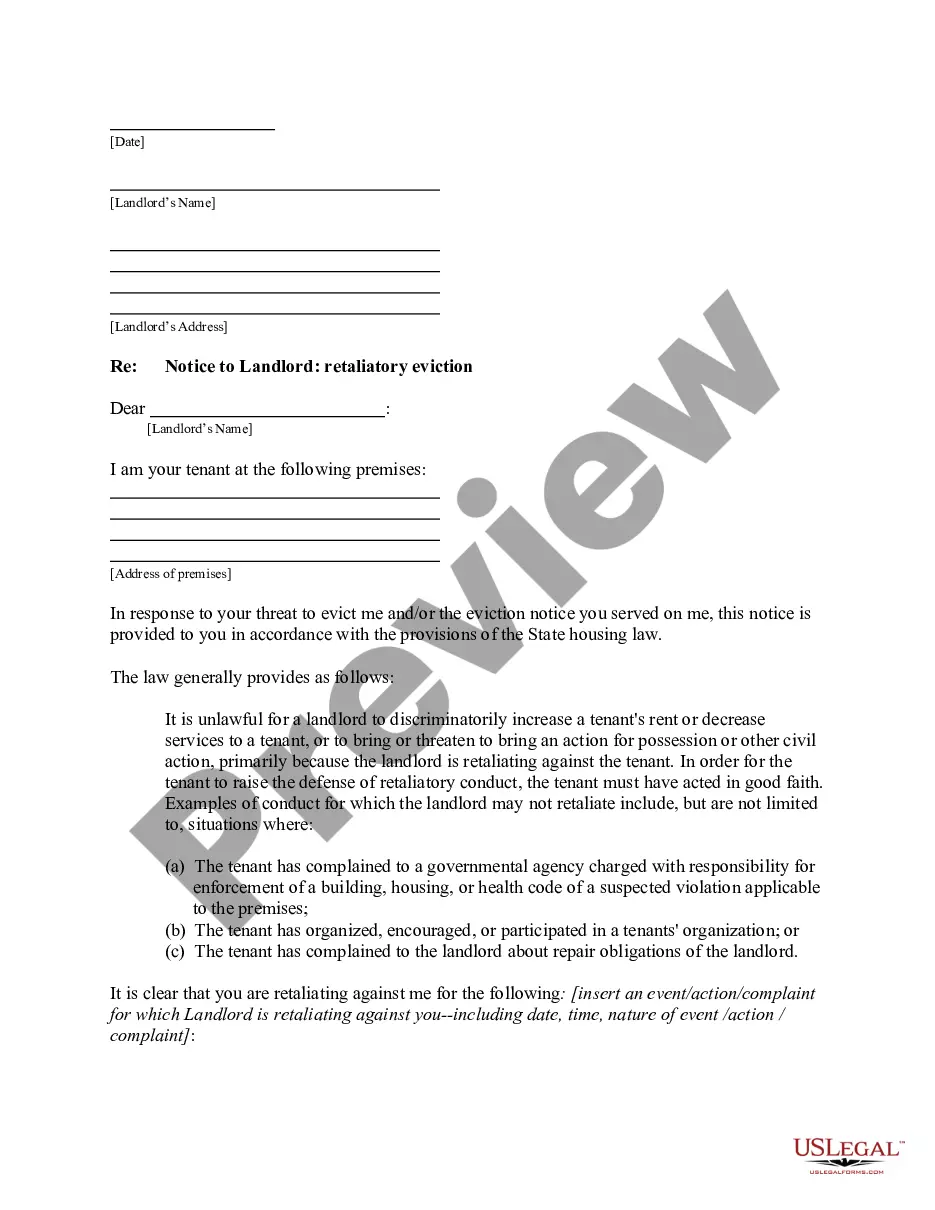
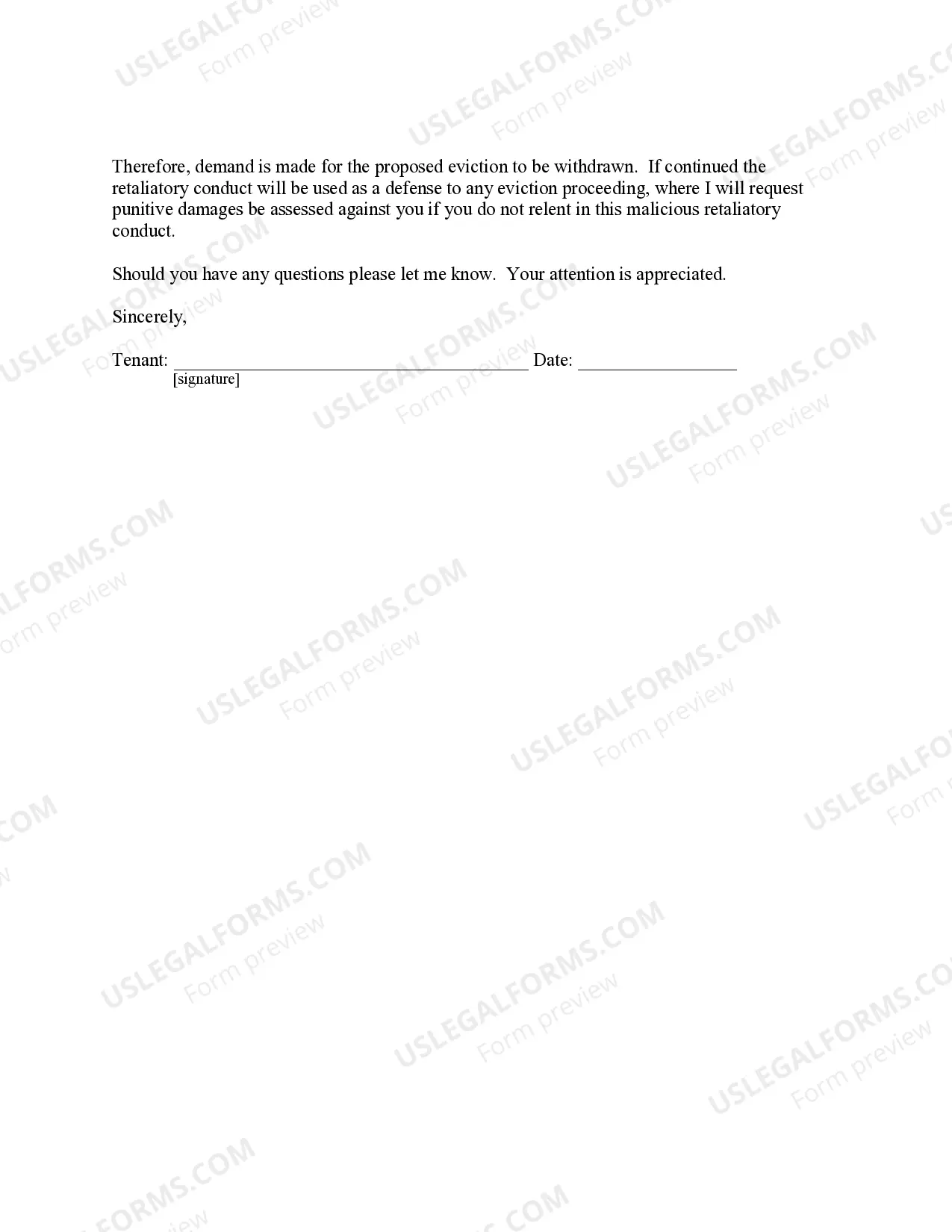
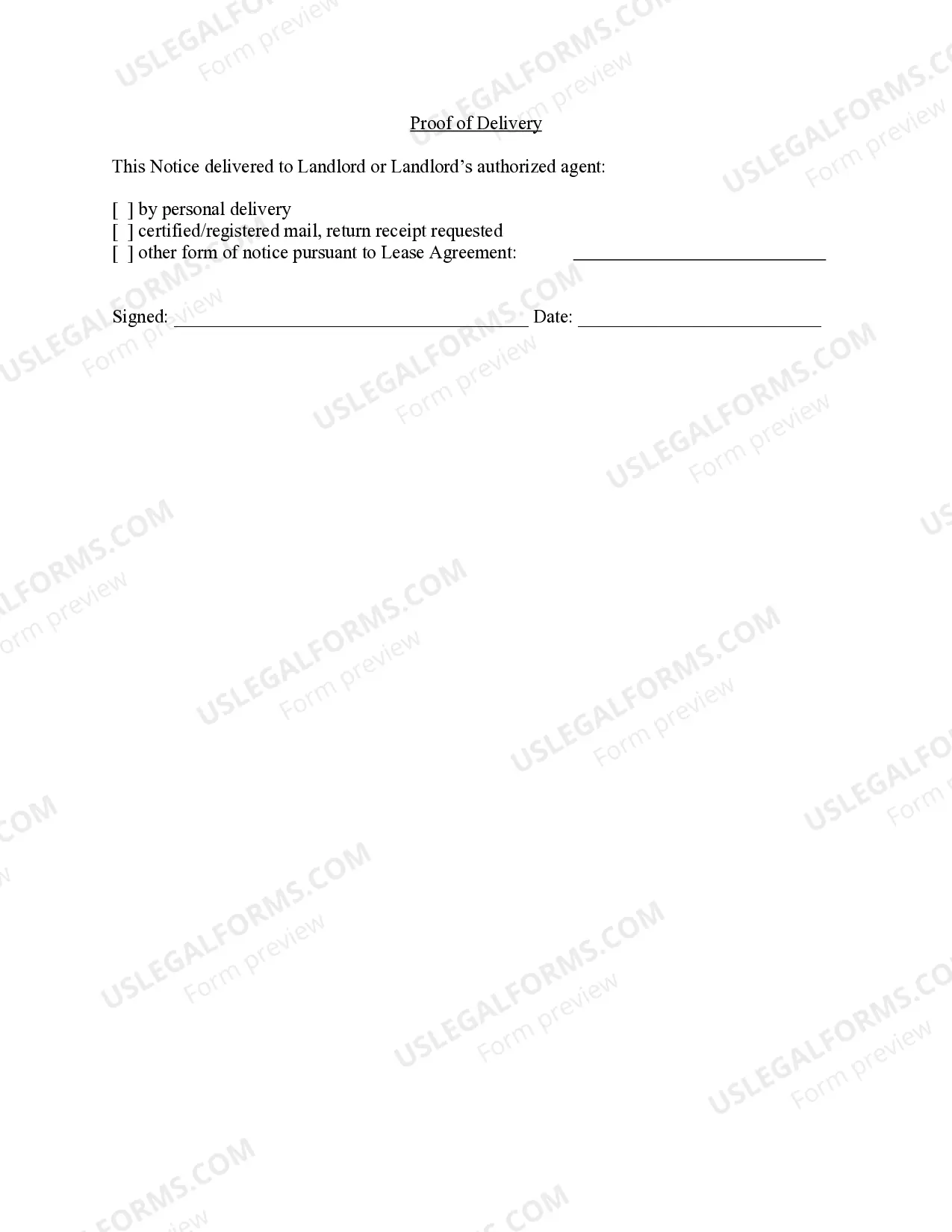
How to fill out Florida Letter From Tenant To Landlord Containing Notice To Landlord To Cease Retaliatory Threats To Evict Or Retaliatory Eviction?
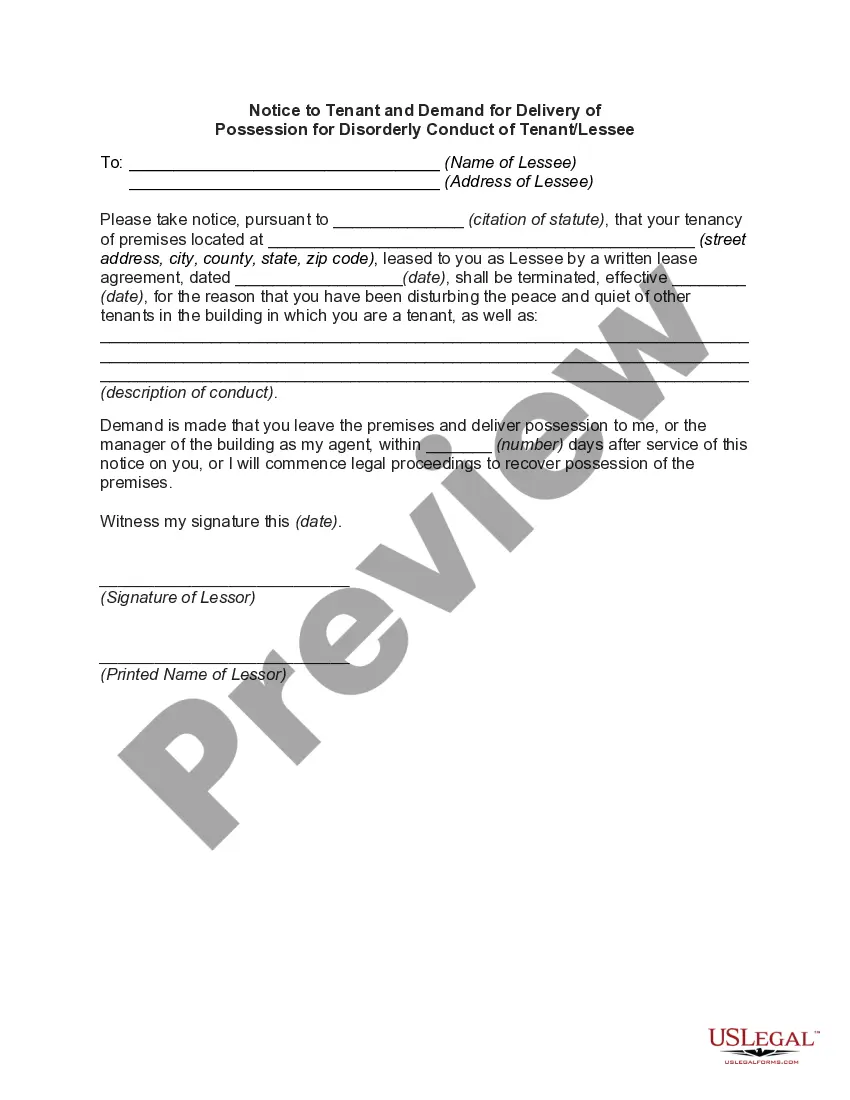
The Landlord Notice Form For Viewings displayed on this page is a versatile formal template created by expert attorneys in accordance with federal and state regulations.
For over 25 years, US Legal Forms has supplied individuals, businesses, and lawyers with over 85,000 authenticated, state-specific documents for any business and personal event. It’s the quickest, easiest, and most trustworthy method to acquire the forms you require, as the service ensures the highest degree of data protection and anti-malware safeguards.
Select the format you desire for your Landlord Notice Form For Viewings (PDF, Word, RTF) and save the document on your device.
- Search for the document you require and verify it.
- Browse through the example you searched and preview it or review the document description to confirm it meets your needs. If it doesn’t, use the search bar to find the suitable one. Click Buy Now once you have found the template you need.
- Register and sign in.
- Choose the pricing plan that fits you and create an account. Use PayPal or a credit card for a quick payment. If you already have an account, Log In and check your subscription to proceed.
- Acquire the editable template.
Form popularity
FAQ
Landlords in Pennsylvania can't enter a tenant's home at any time for any reason if it isn't an emergency. You should have a legitimate reason, like inspecting for needed repairs or showing the property to potential buyers or renters.
(a) General rule. --It is unlawful for any landlord ratepayer or agent or employee thereof to threaten or take reprisals against a tenant because the tenant exercised his rights under section 1527 (relating to right of tenants to continued service) or section 1529 (relating to right of tenant to recover payments).
Can a landlord show a house while occupied in Pennsylvania? In Pennsylvania, a landlord cannot show an occupied house without written approval from the tenants. Tenants must provide reasonable notice of any showing and be informed at least 12 hours prior to when it will take place.
Right to Quiet Enjoyment Once they've signed the lease and paid their rent, tenants have the right to enjoy their home peacefully. The right to quiet enjoyment of a property for a tenant means that a landlord doesn't have the right or permission to enter the property whenever they want.
Under the right to a safe and habitable home, a landlord cannot force a tenant to move into a home or unit ?as-is? and cannot demand that the tenant be responsible for repairs. To be safe, and habitable, a unit or home should have: Working smoke alarms. Working hot water.