Florida Landlord Eviction Forced
Description

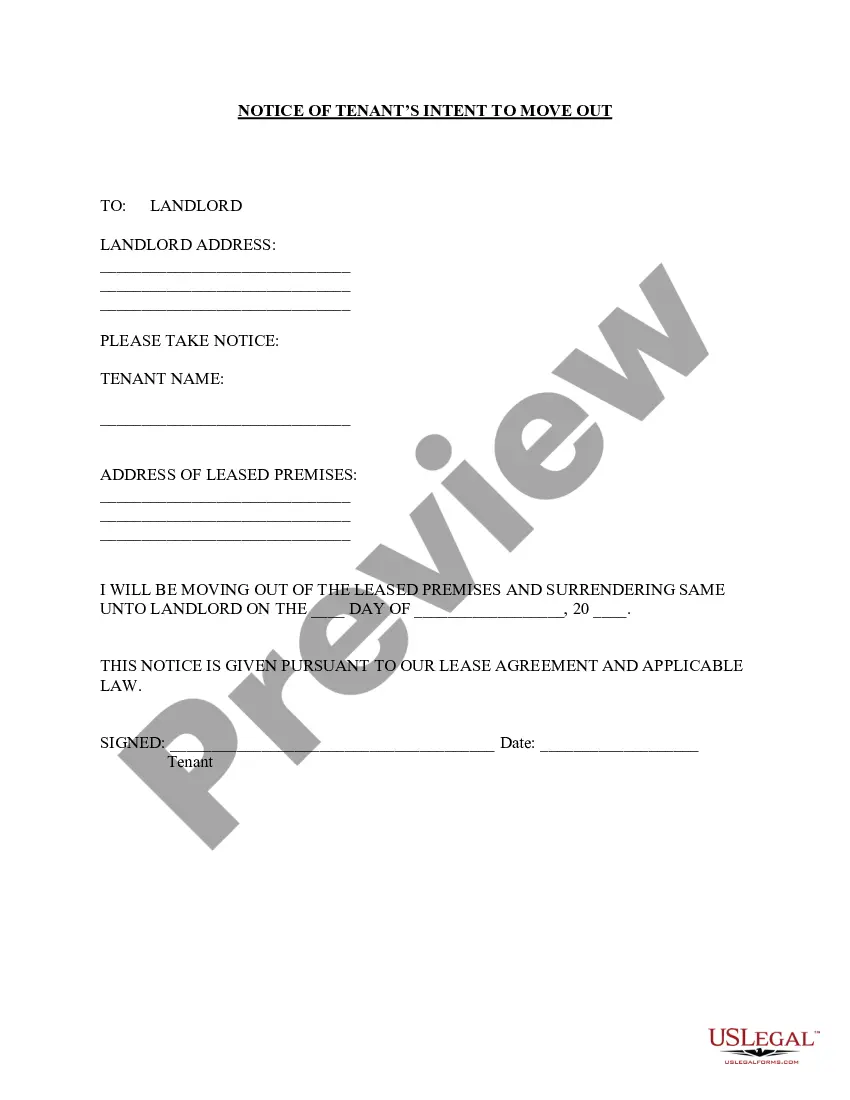

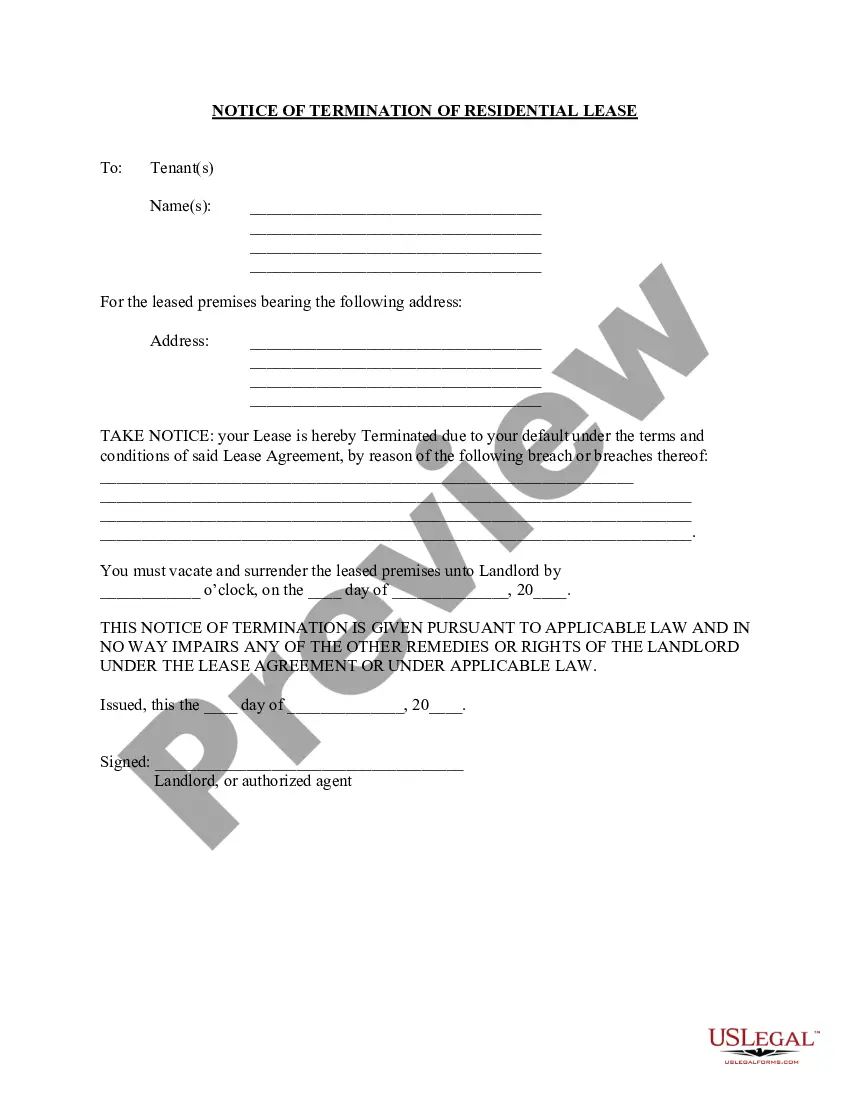
Get your form ready online
Our built-in tools help you complete, sign, share, and store your documents in one place.
Make edits, fill in missing information, and update formatting in US Legal Forms—just like you would in MS Word.
Download a copy, print it, send it by email, or mail it via USPS—whatever works best for your next step.
Sign and collect signatures with our SignNow integration. Send to multiple recipients, set reminders, and more. Go Premium to unlock E-Sign.
If this form requires notarization, complete it online through a secure video call—no need to meet a notary in person or wait for an appointment.
We protect your documents and personal data by following strict security and privacy standards.

Make edits, fill in missing information, and update formatting in US Legal Forms—just like you would in MS Word.

Download a copy, print it, send it by email, or mail it via USPS—whatever works best for your next step.

Sign and collect signatures with our SignNow integration. Send to multiple recipients, set reminders, and more. Go Premium to unlock E-Sign.

If this form requires notarization, complete it online through a secure video call—no need to meet a notary in person or wait for an appointment.

We protect your documents and personal data by following strict security and privacy standards.
Looking for another form?





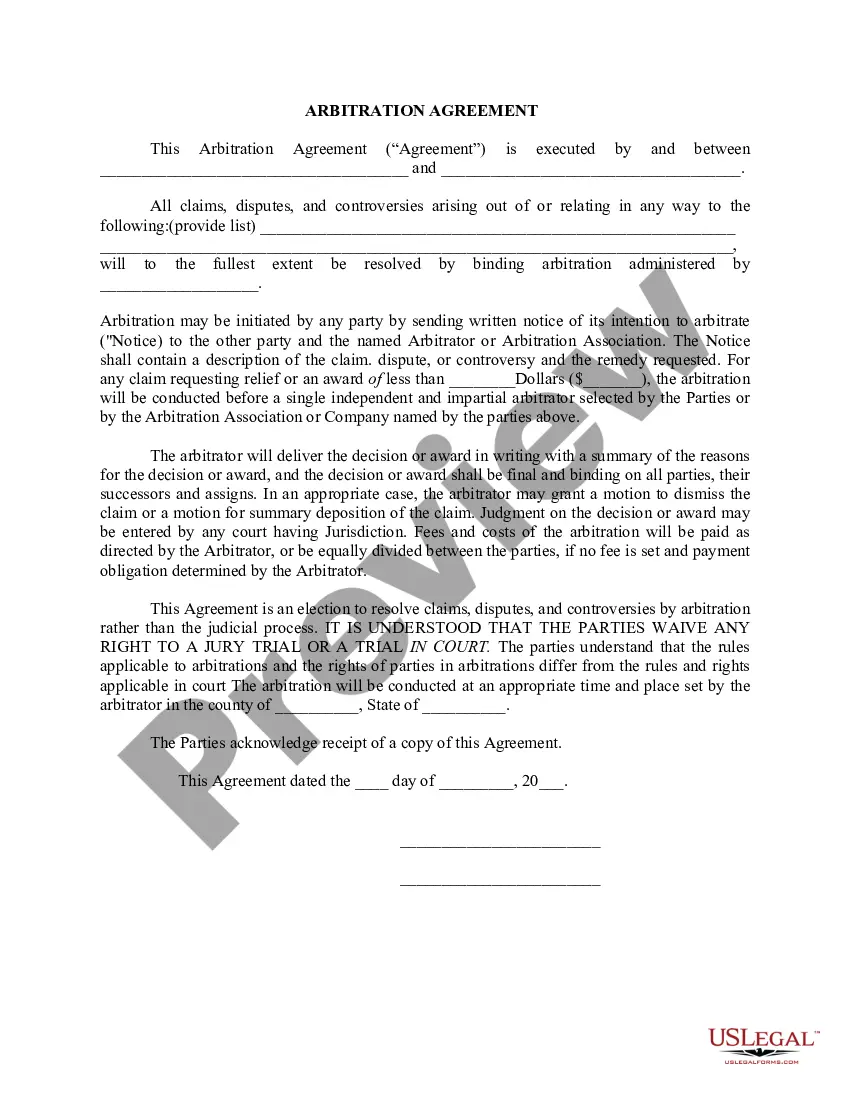




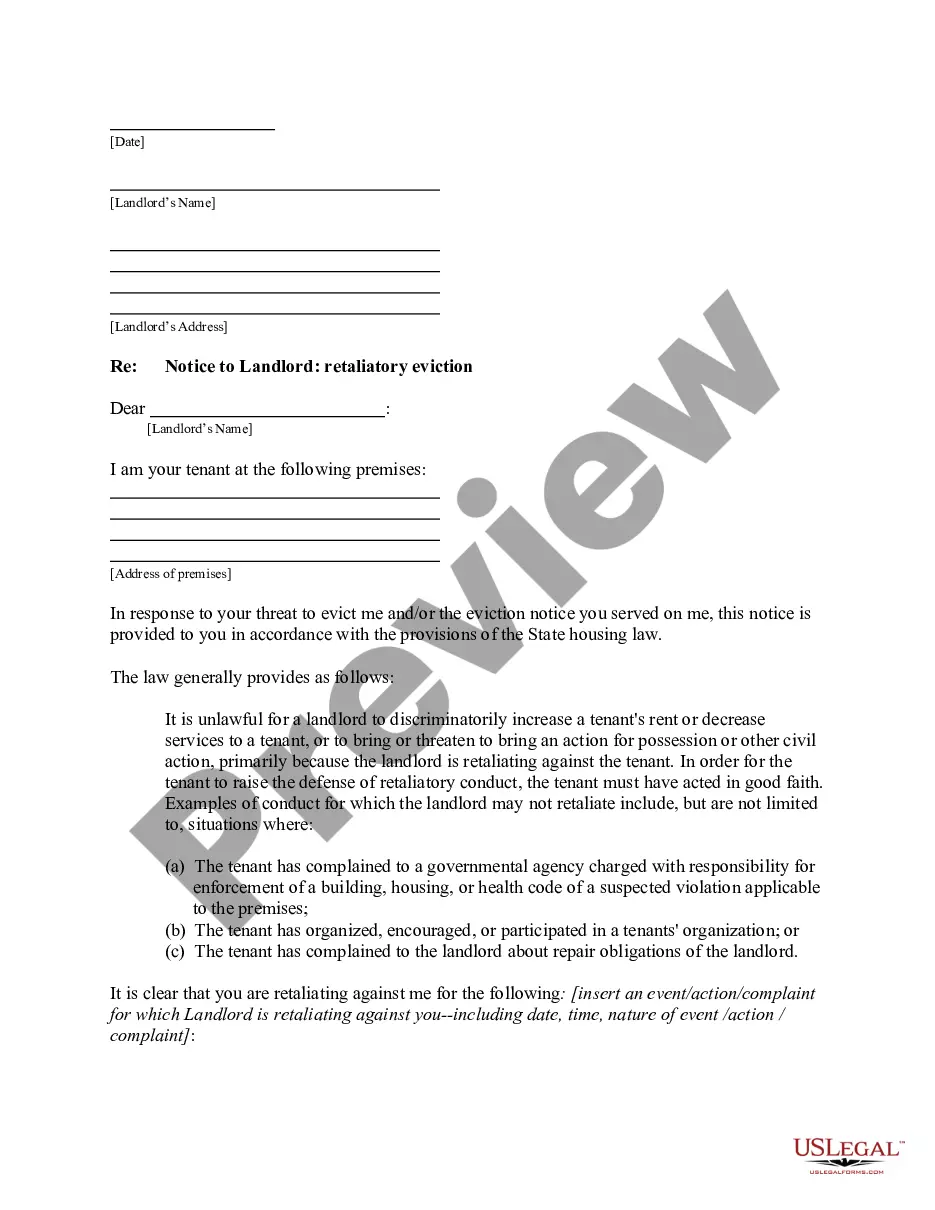
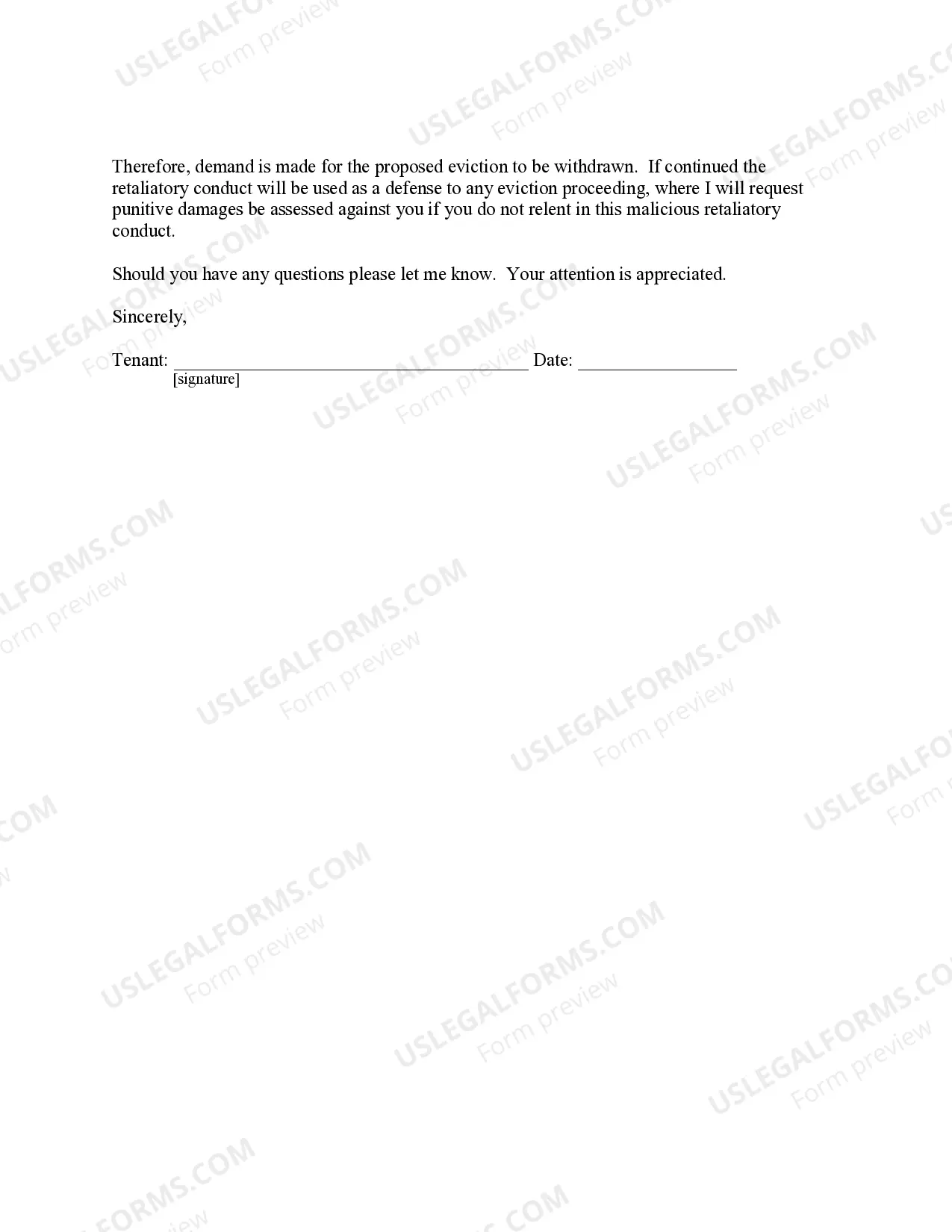
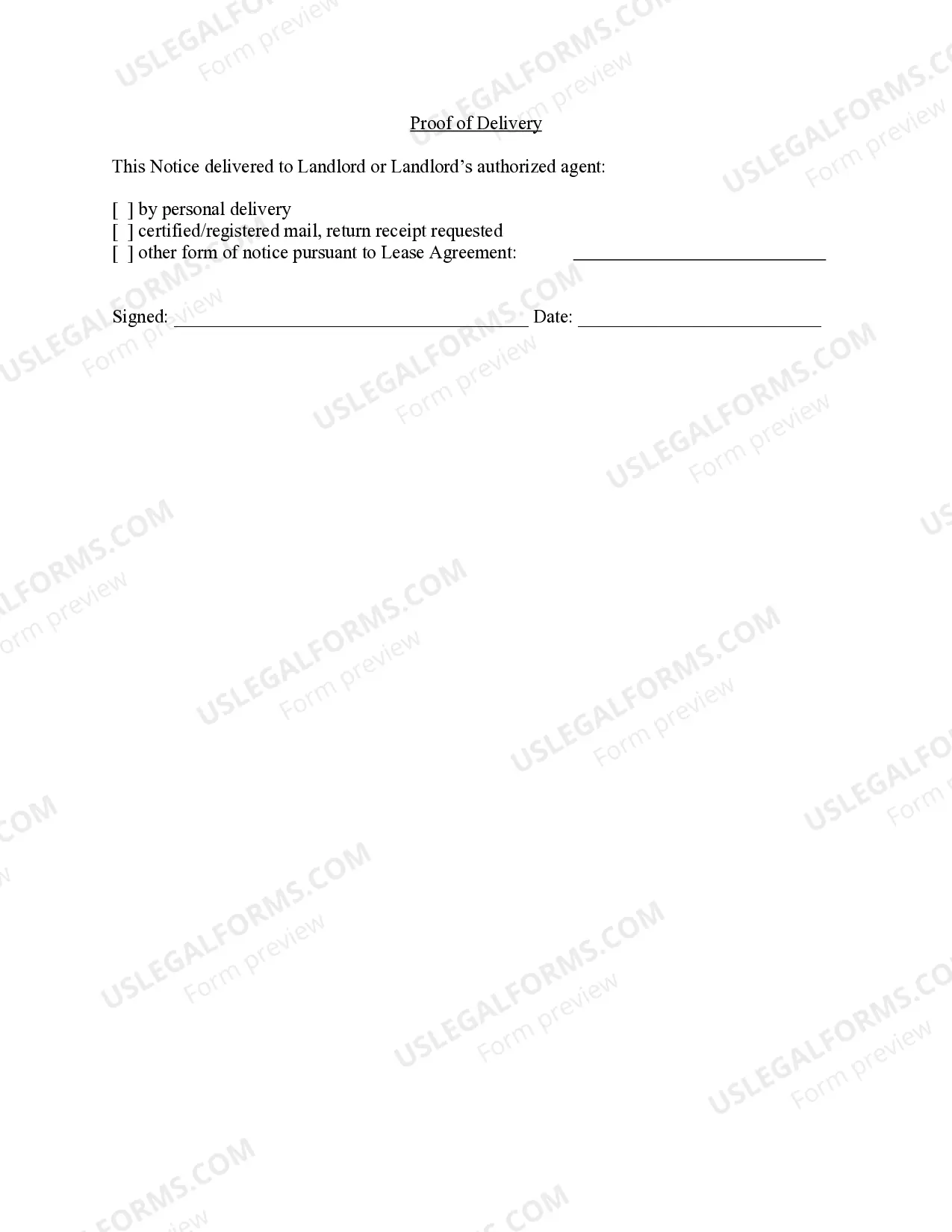
How to fill out Florida Letter From Tenant To Landlord Containing Notice To Landlord To Cease Retaliatory Threats To Evict Or Retaliatory Eviction?
Utilizing legal document examples that comply with federal and state regulations is crucial, and the internet provides numerous choices to select from.
However, what’s the use of squandering time searching for the correct Florida Landlord Eviction Forced sample online if the US Legal Forms digital library already consolidates such templates in one location.
US Legal Forms is the largest online legal repository boasting over 85,000 fillable documents crafted by lawyers for various professional and personal situations.
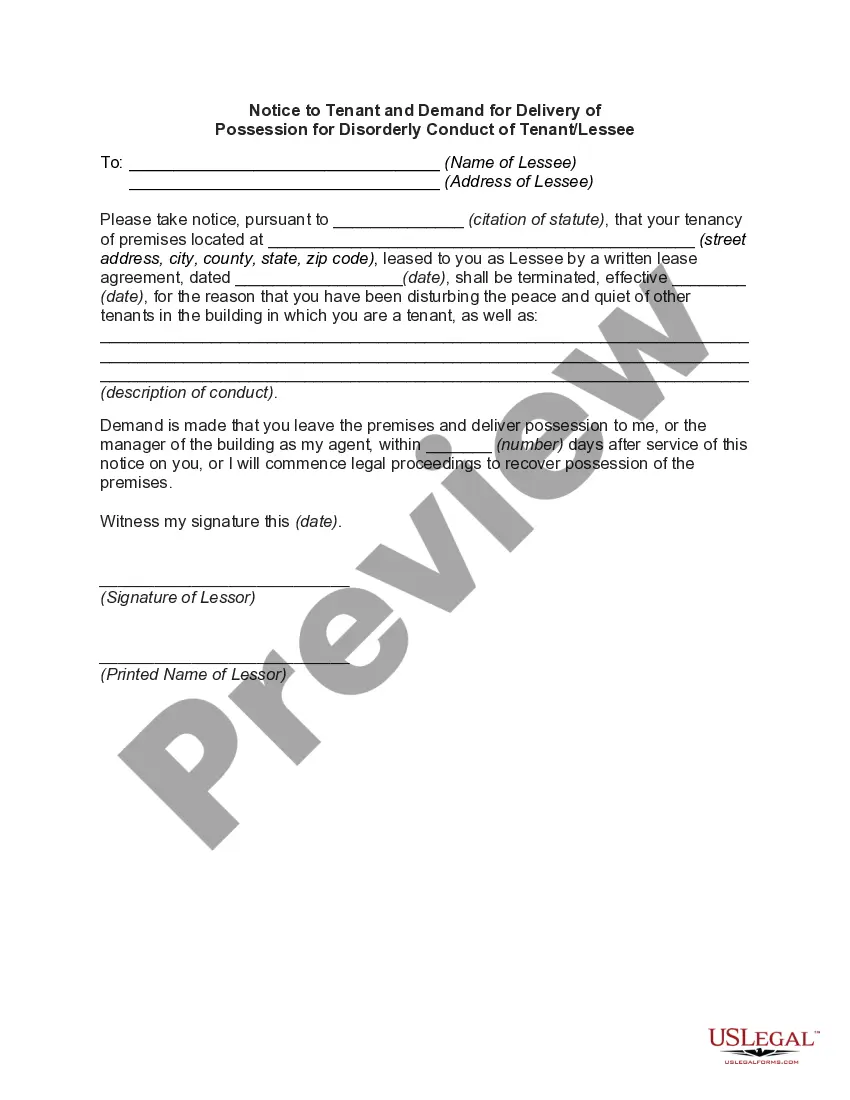
Examine the template using the Preview feature or via the text outline to ensure it suits your requirements.
- They are simple to navigate with all files categorized by state and intended purpose.
- Our specialists keep current with legislative changes, ensuring that your documents are always updated and compliant when obtaining a Florida Landlord Eviction Forced from our platform.
- Acquiring a Florida Landlord Eviction Forced is swift and straightforward for both returning and new users.
- If you already possess an account with a valid subscription, Log In and download the document sample you need in the appropriate format.
- If you are unfamiliar with our site, follow the steps outlined below.
Form popularity
FAQ
In Florida, a landlord cannot evict a tenant immediately without following the legal eviction process. While certain situations, such as illegal activities or significant lease violations, may prompt a faster eviction, the landlord must still serve proper notice. This ensures that tenants have a fair chance to respond. Staying informed about your rights is essential to handle Florida landlord eviction forced effectively.
Writing a letter to prevent eviction is an important action you can take. Start by clearly stating your situation, including any reasons for late payments or other issues. Additionally, express your commitment to resolving these concerns promptly. Utilizing US Legal Forms can help you create a professional letter that addresses these points effectively, making your case stronger against Florida landlord eviction forced.
The first step in the Florida landlord eviction process typically involves providing proper notice to the tenant. This notice informs the tenant of the reason for eviction and gives them a specific timeframe to respond or correct the issue. For many evictions, landlords must follow a 3-day notice for non-payment of rent. Understanding these preliminary steps can significantly ease your concerns about Florida landlord eviction forced.
In Florida, the notice period a landlord must provide varies based on the lease duration. For month-to-month tenants, a 15-day notice is required, while a 3-day notice can be given for nonpayment of rent. Knowing these timelines is essential, especially in Florida landlord eviction forced scenarios, as proper notice can significantly impact eviction proceedings.
No, a landlord cannot evict you without going through the court system in Florida. The law requires landlords to file an eviction suit and obtain a judgment before forcibly removing a tenant. Familiarizing yourself with the laws regarding Florida landlord eviction forced can help you understand your rights and protect yourself from illegal eviction.
To file a hardship stay of eviction in Florida, you must present evidence that the eviction would cause significant financial or personal hardship. This involves submitting a motion to the court along with supporting documents. Platforms like US Legal Forms provide templates to help you navigate the process and ensure that your case is presented effectively, particularly in Florida landlord eviction forced situations.
In Florida, wrongful eviction occurs when a landlord forcibly removes a tenant without following legal procedures. This includes evictions conducted without a court order or those based on discriminatory practices. Understanding wrongful eviction is crucial for both tenants and landlords to avoid penalties and ensure compliance with Florida landlord eviction forced regulations.
The new eviction law in Florida aims to streamline the eviction process for landlords while ensuring tenants' rights are protected. It focuses on reducing the court's backlog by implementing specific guidelines for filing eviction cases. As a result, this law affects how Florida landlord eviction forced cases are handled, emphasizing the need for proper documentation and communication.