Tenant Landlord About With Owners
Description

Get your form ready online
Our built-in tools help you complete, sign, share, and store your documents in one place.
Make edits, fill in missing information, and update formatting in US Legal Forms—just like you would in MS Word.
Download a copy, print it, send it by email, or mail it via USPS—whatever works best for your next step.
Sign and collect signatures with our SignNow integration. Send to multiple recipients, set reminders, and more. Go Premium to unlock E-Sign.
If this form requires notarization, complete it online through a secure video call—no need to meet a notary in person or wait for an appointment.
We protect your documents and personal data by following strict security and privacy standards.

Make edits, fill in missing information, and update formatting in US Legal Forms—just like you would in MS Word.

Download a copy, print it, send it by email, or mail it via USPS—whatever works best for your next step.

Sign and collect signatures with our SignNow integration. Send to multiple recipients, set reminders, and more. Go Premium to unlock E-Sign.

If this form requires notarization, complete it online through a secure video call—no need to meet a notary in person or wait for an appointment.

We protect your documents and personal data by following strict security and privacy standards.
Looking for another form?
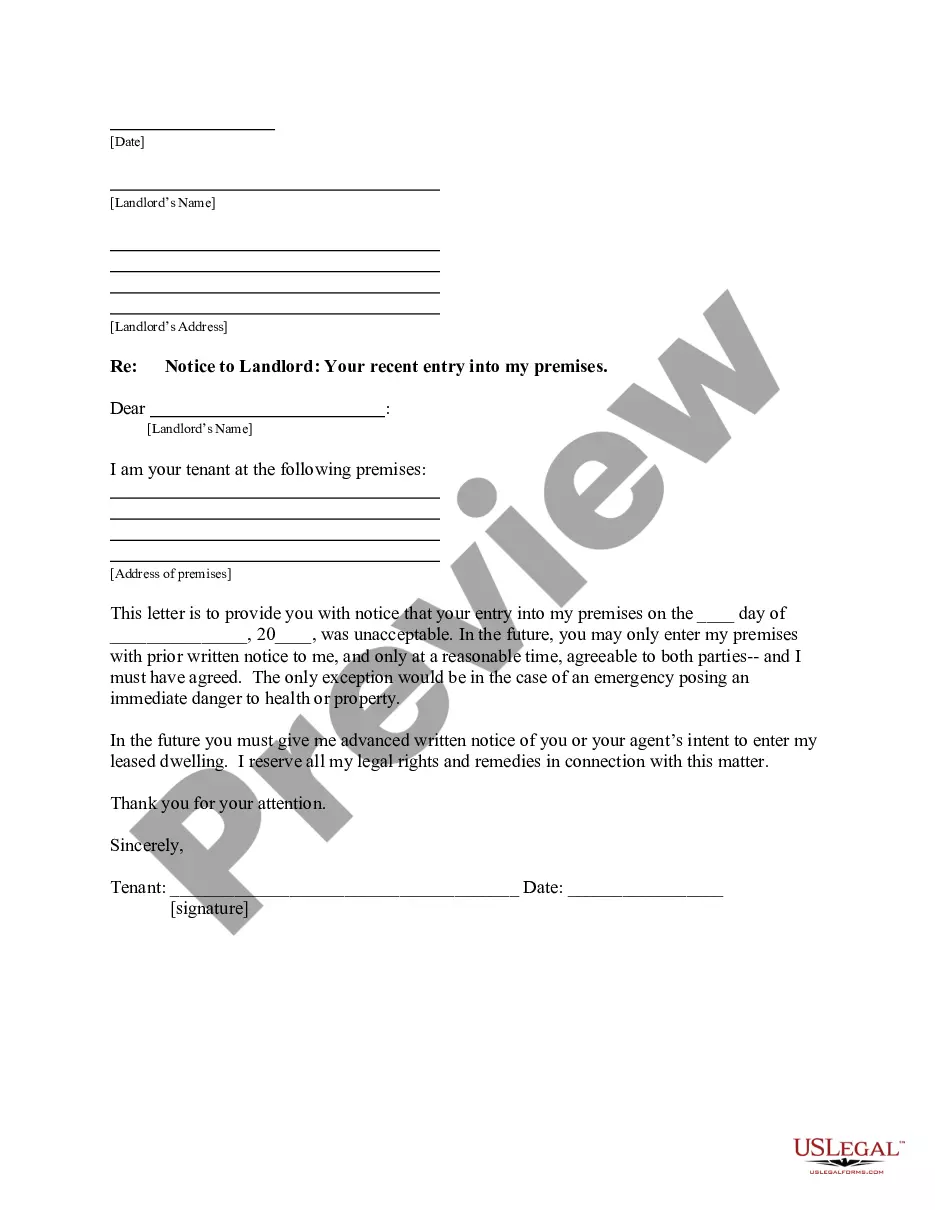
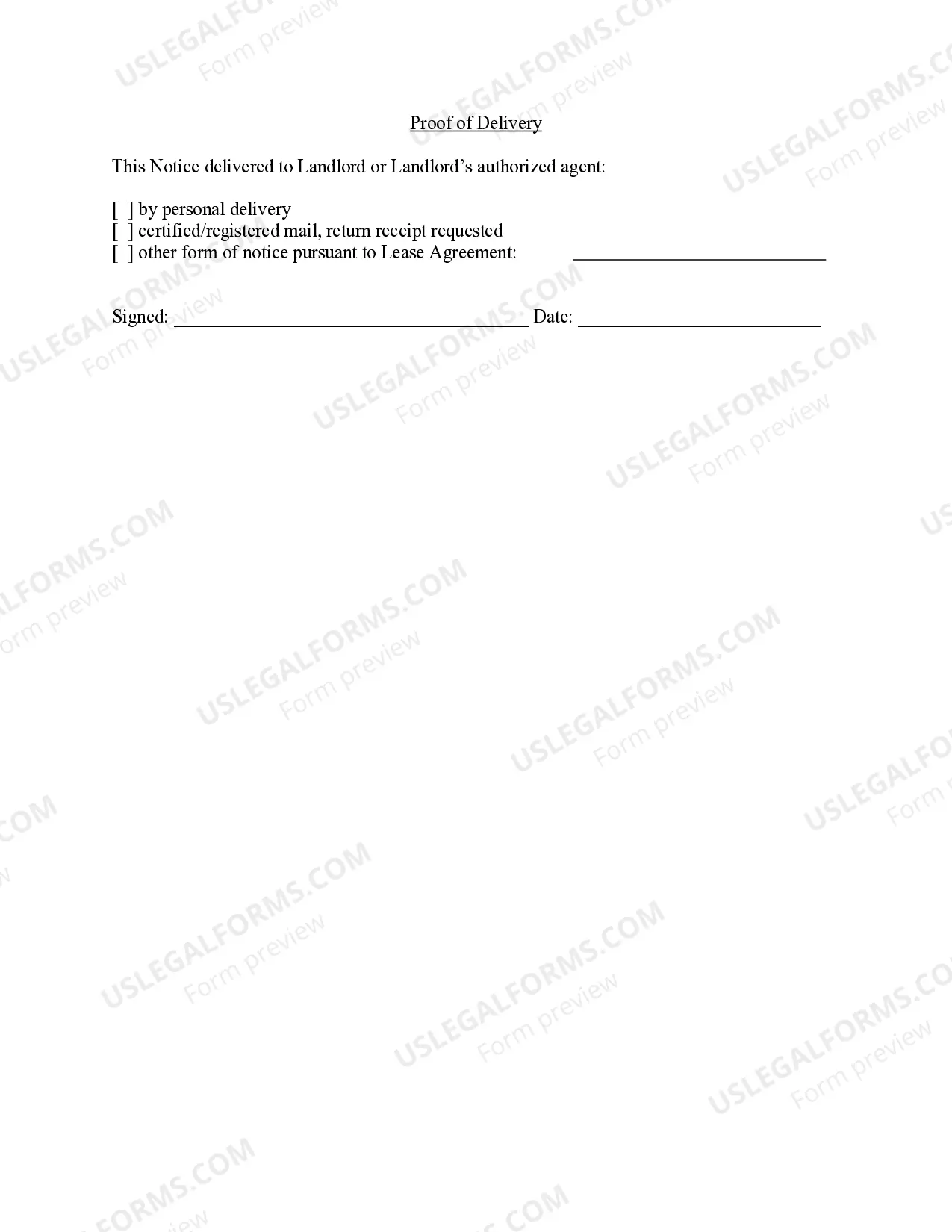
How to fill out Florida Letter From Tenant To Landlord About Illegal Entry By Landlord?
- Log into your US Legal Forms account if you're a returning user and download your desired document by selecting the Download button. Ensure your subscription is active; if not, renew it according to your payment preferences.
- For first-time users, start by browsing the form categories. Review the Preview mode and descriptions to select a document that aligns with your legal needs and complies with local laws.
- If the initial form doesn’t meet your requirements, utilize the Search tab at the top of the page to find alternatives.
- Once you find the correct document, purchase it by clicking the Buy Now button, and select a subscription plan that fits your needs. Registration is required for access.
- Complete your transaction by entering your payment information via credit card or PayPal.
- After your purchase, download the form onto your device and access it anytime via the My Forms menu in your profile.
By leveraging US Legal Forms, users gain access to a comprehensive repository of over 85,000 fillable legal templates. This structure ensures that both parties can efficiently manage their rental agreements with accuracy and legal protection.
Take charge of your tenant-landlord interactions today. Visit US Legal Forms to start creating your legally sound documents.
Form popularity
FAQ
A landlord may refuse a tenant based on various grounds, such as a poor rental history or insufficient income. Discrimination based on race, gender, or other protected statuses is illegal, emphasizing the importance of fair practices. Understanding tenant landlord about with owners helps you grasp the legitimate criteria a landlord can use. If you face a refusal and believe it's unjust, resources from uslegalforms can aid in assessing your rights.
Landlords are permitted to communicate with other tenants, but this should focus on community matters rather than personal details. Maintaining a respectful dialogue respects the privacy of all tenants and fosters a positive living environment. The principle of tenant landlord about with owners reinforces the need for respectful interactions. If you have concerns about privacy, uslegalforms can assist in addressing these issues.
A landlord can share general information about you to other tenants, but they should refrain from discussing personal issues or confidential matters. It's crucial for landlords to maintain professionalism and confidentiality in their communications. This aspect highlights the importance of understanding tenant landlord about with owners. If you feel your privacy has been breached, consulting a legal source like uslegalforms can provide guidance.
In Ohio, renters have various rights, including the right to a habitable living space and protection from unfair eviction. Renters also have the right to privacy and quiet enjoyment of their home. Understanding tenant landlord about with owners means knowing these rights, which helps ensure you are treated fairly. Resources from uslegalforms can help you familiarize yourself with state-specific tenant laws.
A landlord can share information about a tenant's payment history or behavior with another landlord. However, they must avoid disclosing personal information without consent. This topic is important in understanding tenant landlord about with owners, as it underscores the need for careful consideration of privacy. Engaging with uslegalforms may provide clarity on what can be shared and how to protect your rental history.
Generally, owners have more rights than renters. Owners have control over the property and can set rules, while renters must adhere to those rules. However, tenant landlord about with owners also means that renters have specific rights protecting them from unfair practices. Knowing these rights can empower you in your rental journey, ensuring a balanced relationship.
Yes, you can sue your landlord for false accusations. However, you must prove that the statements made were not only false but also harmful to your reputation. In the context of tenant landlord relationships with owners, understanding your rights is crucial. If you find yourself facing such a situation, it might be worth consulting legal resources, such as uslegalforms, to navigate the process effectively.
In Illinois, landlords cannot retaliate against tenants for asserting their rights, such as reporting safety issues. They also cannot refuse to make necessary repairs or unlawfully enter a rental unit without proper notice. Understanding these limitations helps tenants ensure compliance with laws. Explore the US Legal Forms platform for templates and guides that elaborate on tenant landlord restrictions and rights relating to owners.
Recent legislation in Illinois includes important protections for renters, such as regulations on security deposits and tenant eviction rights. This law aims to ensure fairness and equality in landlord-tenant relationships. It's advisable for tenants to stay informed about these changes and to consider how they impact rental agreements. For specific legal documents or updates, visit US Legal Forms to learn more about tenant landlord matters.
Yes, it is generally illegal for landlords to spy on tenants. Landlords should respect tenants' privacy and cannot intrude without notice, except in emergencies. Tenants have the right to enjoy their rental home without unnecessary surveillance. If you suspect any violations, you can access resources on the US Legal Forms platform to understand your rights better in tenant landlord situations.