Florida Divorce Without Spousal Consent
Description
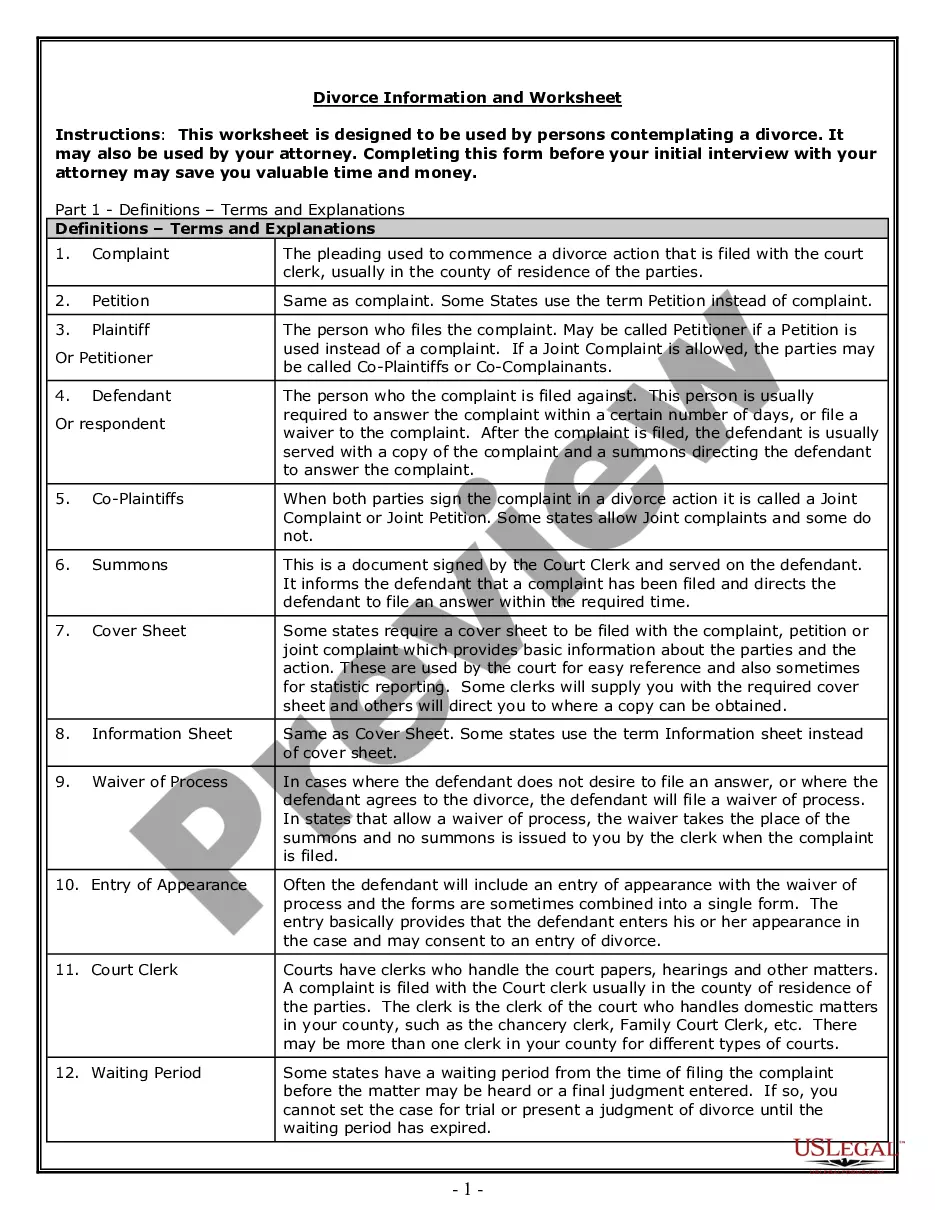
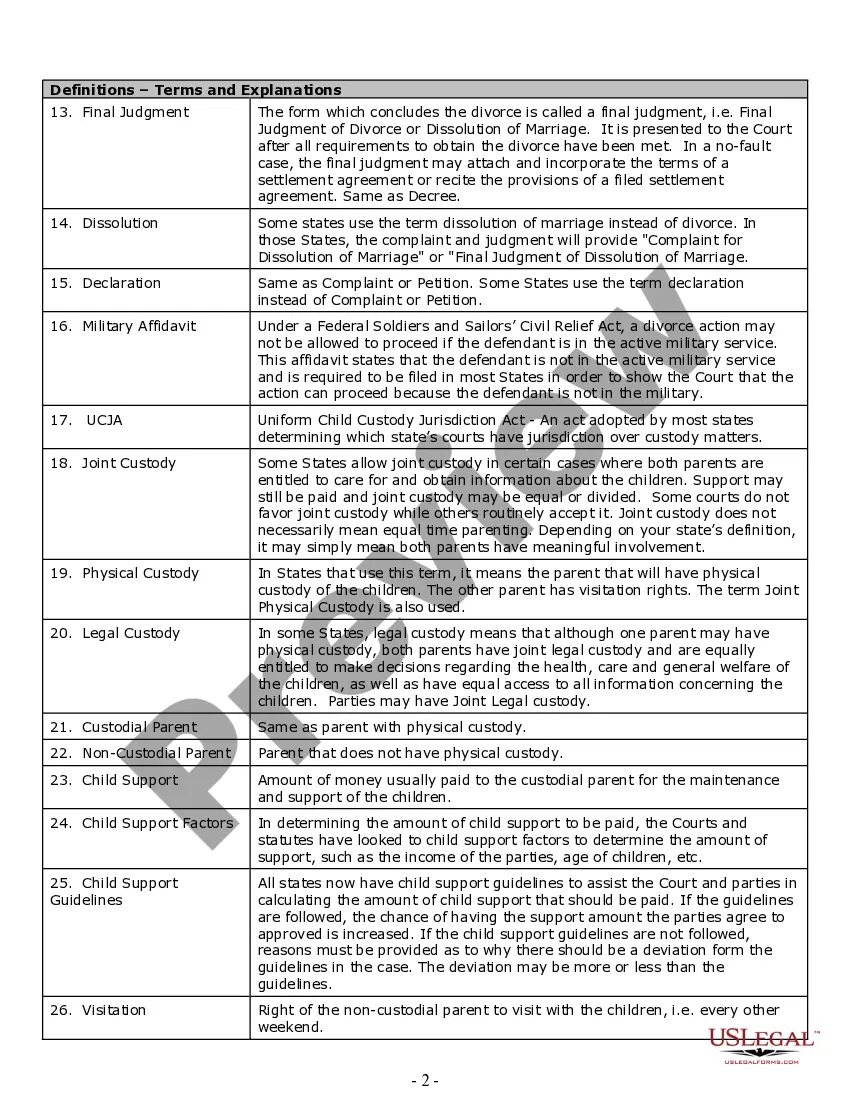
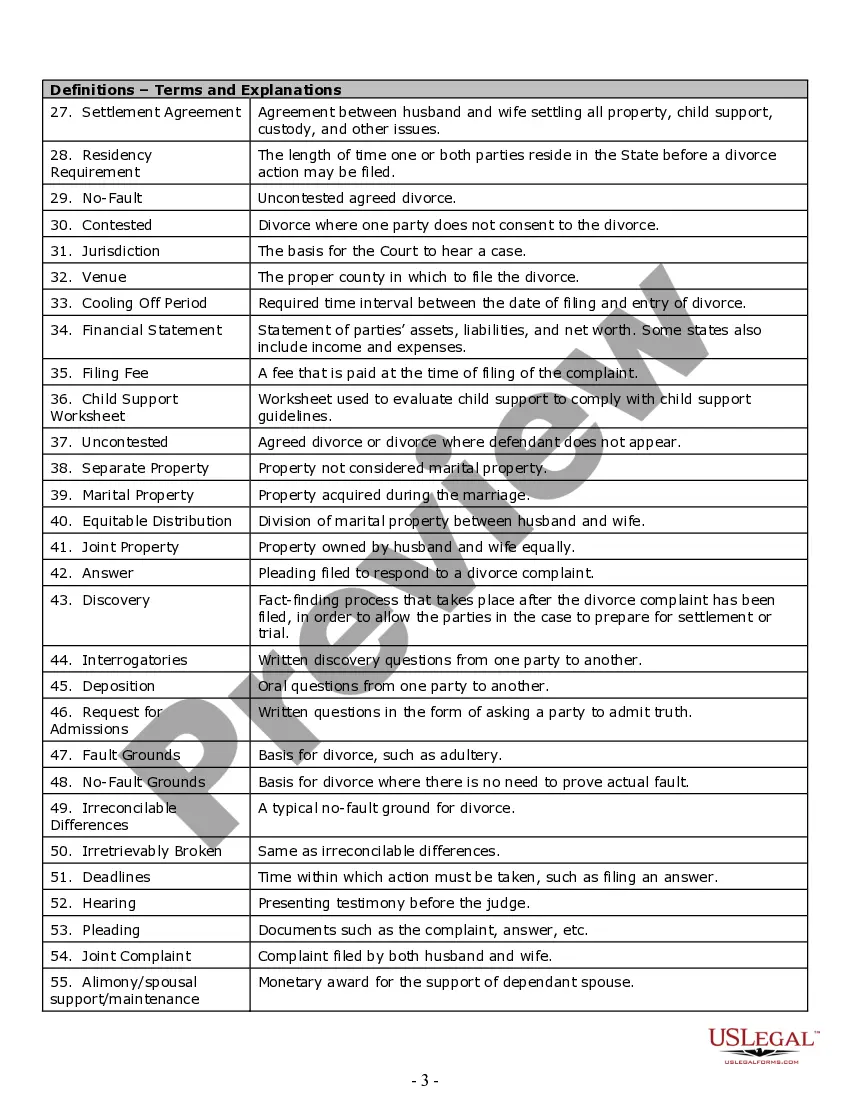
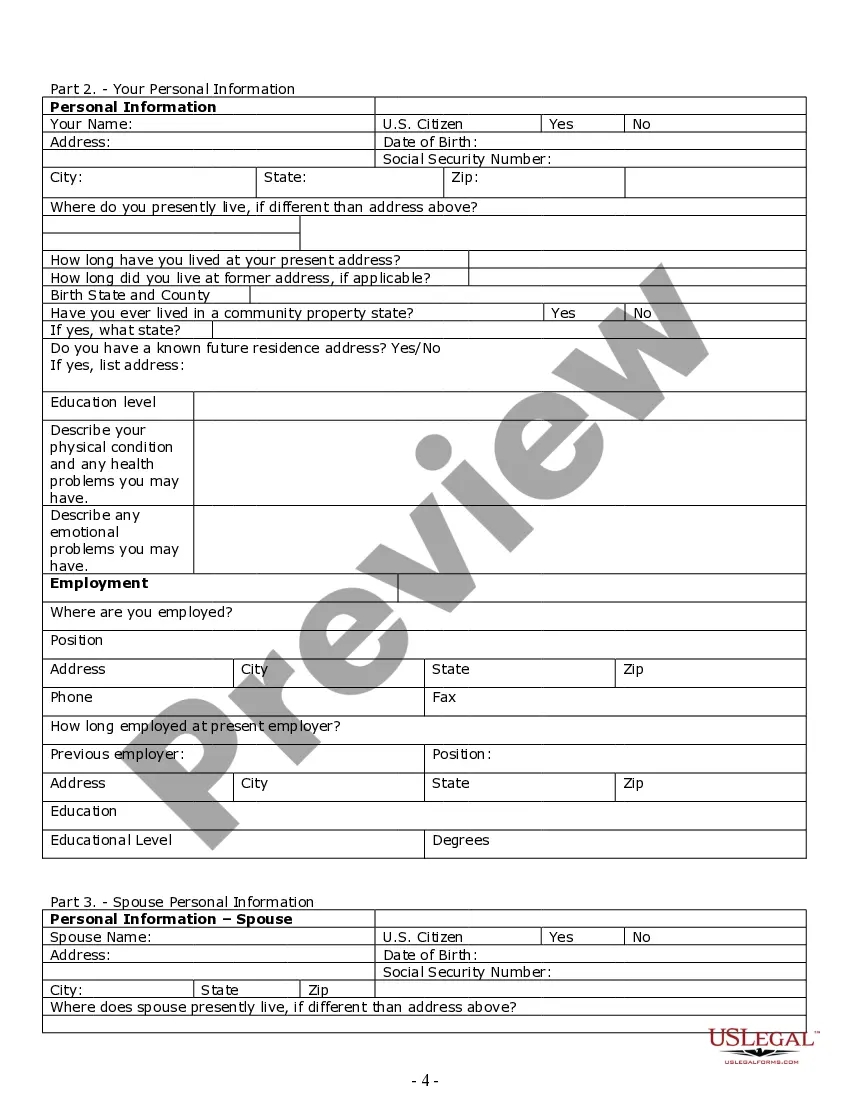


Get your form ready online
Our built-in tools help you complete, sign, share, and store your documents in one place.
Make edits, fill in missing information, and update formatting in US Legal Forms—just like you would in MS Word.
Download a copy, print it, send it by email, or mail it via USPS—whatever works best for your next step.
Sign and collect signatures with our SignNow integration. Send to multiple recipients, set reminders, and more. Go Premium to unlock E-Sign.
If this form requires notarization, complete it online through a secure video call—no need to meet a notary in person or wait for an appointment.
We protect your documents and personal data by following strict security and privacy standards.

Make edits, fill in missing information, and update formatting in US Legal Forms—just like you would in MS Word.

Download a copy, print it, send it by email, or mail it via USPS—whatever works best for your next step.

Sign and collect signatures with our SignNow integration. Send to multiple recipients, set reminders, and more. Go Premium to unlock E-Sign.

If this form requires notarization, complete it online through a secure video call—no need to meet a notary in person or wait for an appointment.

We protect your documents and personal data by following strict security and privacy standards.
Looking for another form?






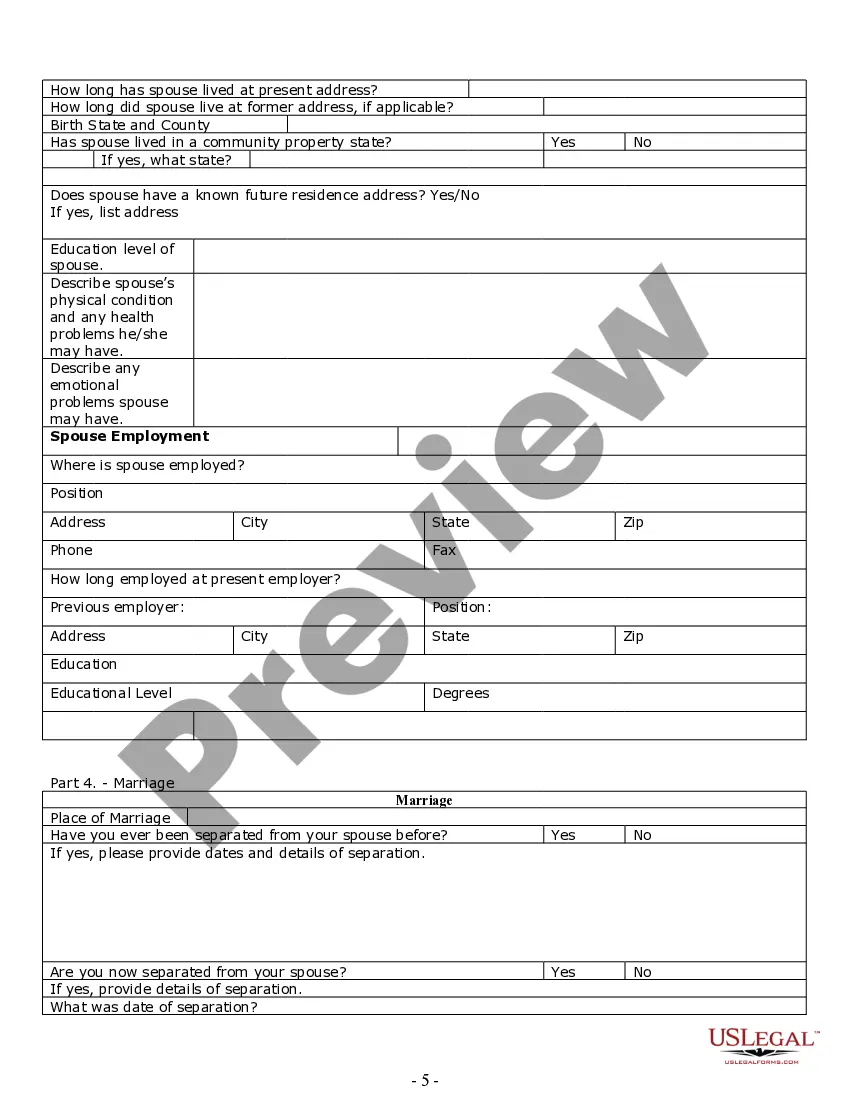
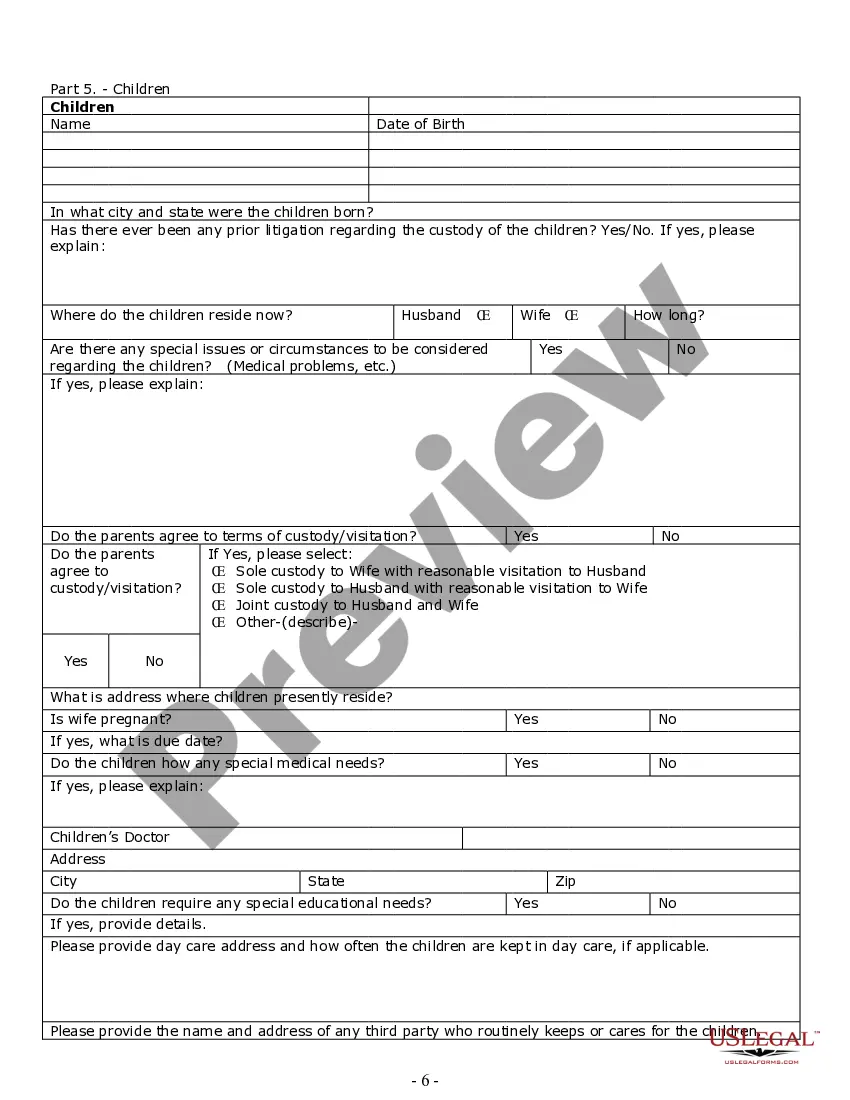
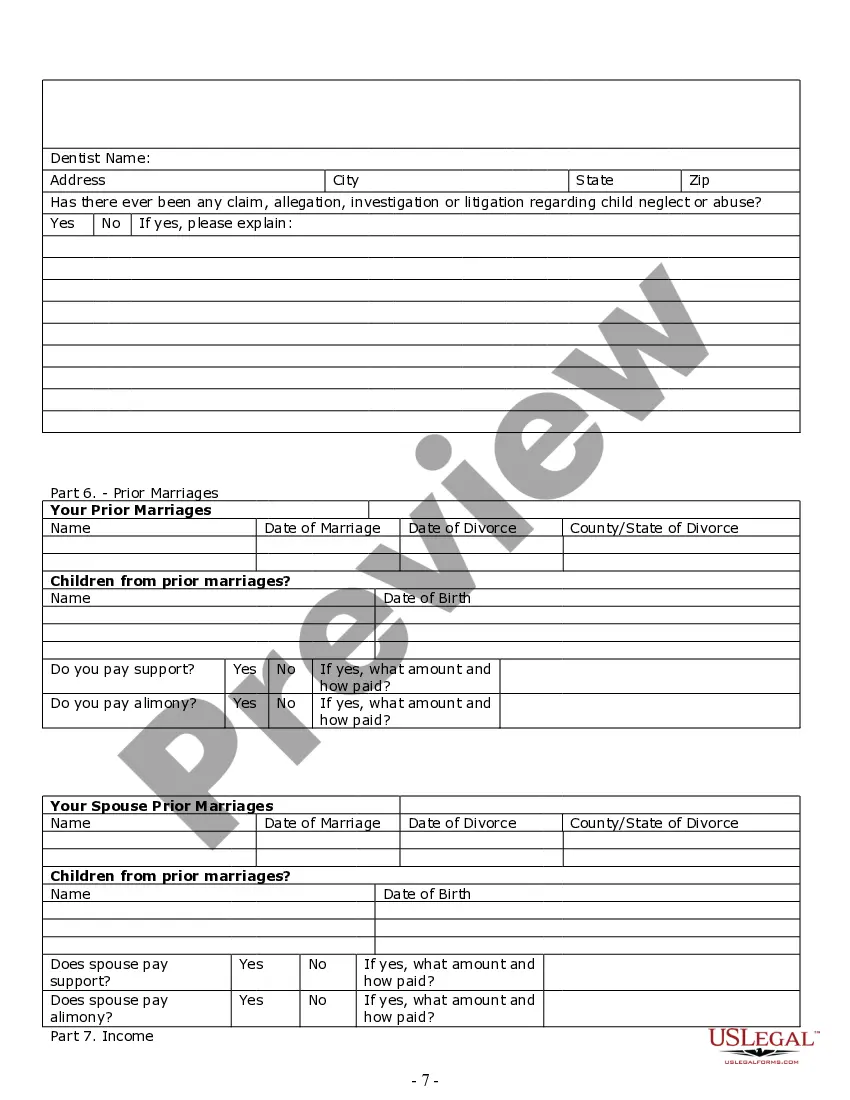
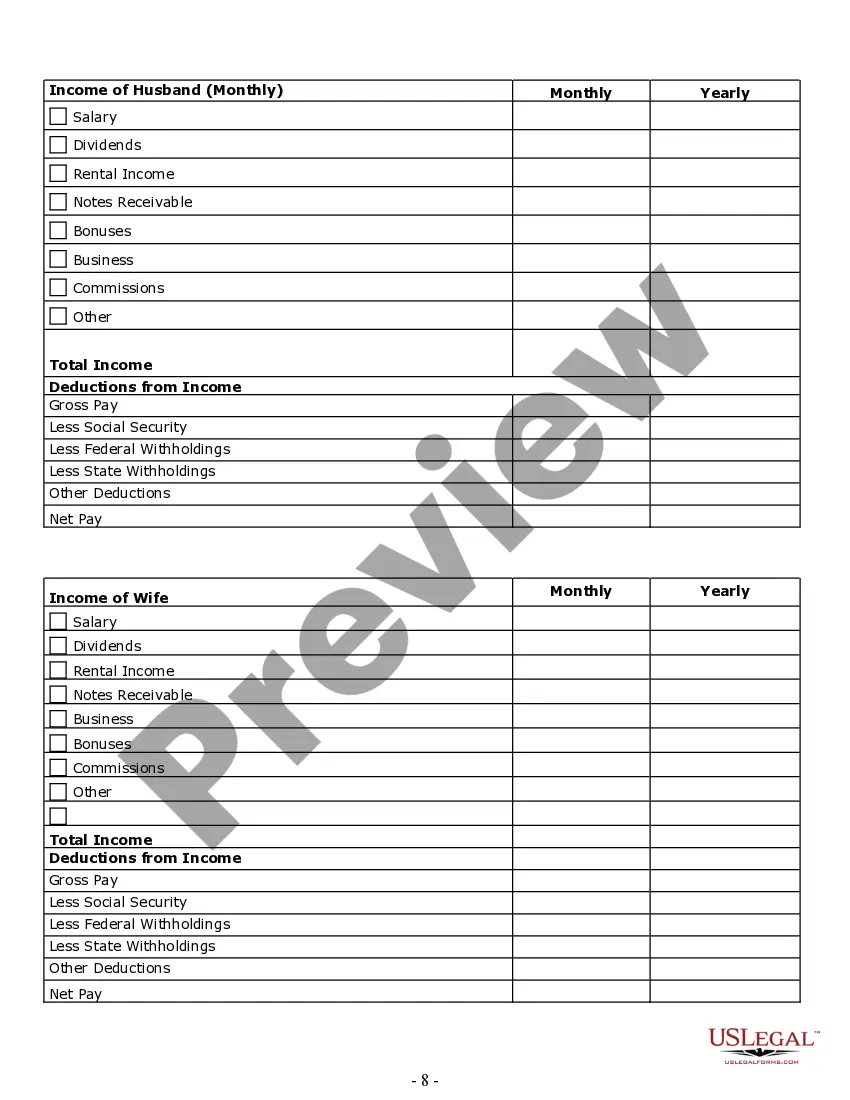
How to fill out Florida Divorce Worksheet And Law Summary For Contested Or Uncontested Case Of Over 25 Pages - Ideal Client Interview Form?
The Florida Divorce Without Spousal Consent presented on this page is a reusable legal template created by experienced attorneys in accordance with federal and state laws.
For over 25 years, US Legal Forms has been supplying individuals, businesses, and lawyers with more than 85,000 validated, state-specific documents for any professional or personal circumstance. It’s the fastest, simplest, and most reliable method to acquire the documents you require, as the service promises top-notch data protection and anti-malware security.
Select the format you prefer for your Florida Divorce Without Spousal Consent (PDF, DOCX, RTF) and download the template onto your device.
- Search for the document you require and examine it.
- Browse through the sample you searched and preview it or check the form description to confirm it meets your requirements. If it doesn’t, utilize the search bar to find the correct one. Click Buy Now when you have found the template you need.
- Subscribe and Log In.
- Choose the pricing plan that fits you and create an account. Use PayPal or a credit card to make a swift payment. If you already possess an account, Log In and verify your subscription to continue.
- Obtain the fillable template.
Form popularity
FAQ
Filing for Divorce Alone in Florida The courts in Florida allow people to file for divorce alone. This means that if your spouse has disappeared and you suspect they are refusing to cooperate with the process, you can still petition the court for a divorce.
Some people simply don't want their marriage to end and are holding on to the possibility that their union can be saved if only they had a little more time. This is perhaps the least manipulative reason to delay divorce; some people just have difficulty letting go or truly believe that they can patch up the marriage.
Florida is one of the many states that have abolished fault as a ground for dissolution of marriage. The only requirement to dissolve a marriage is for one of the parties to prove that the marriage is ?irretrievably broken.? Either spouse can file for the dissolution of marriage.
Default Divorce in Florida If a response is not filed within 20 calendar days of being served the petition, a default may be entered. If a default is entered, the case can continue without participation by the defaulted party. Moreover, the Court can enter the default without even conducting a hearing on the matter.
Typically, the respondent has 30 days to respond to divorce papers. If he or she fails to do so, the judge could rule in favor of the petitioner. This is known as a default judgment. The respondent has no rights and will have no ruling that favors their interest should a default judgment be handed down by the judge.