Life Estate Deed With Mortgage
Description
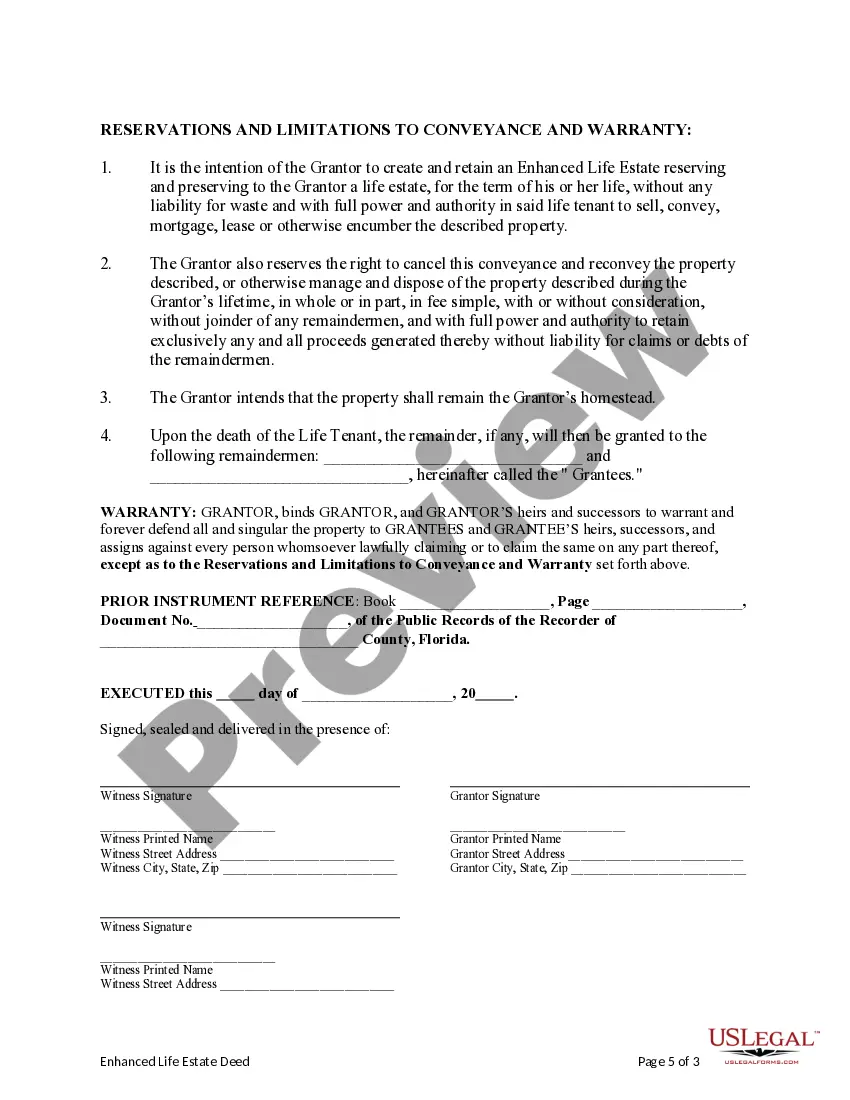
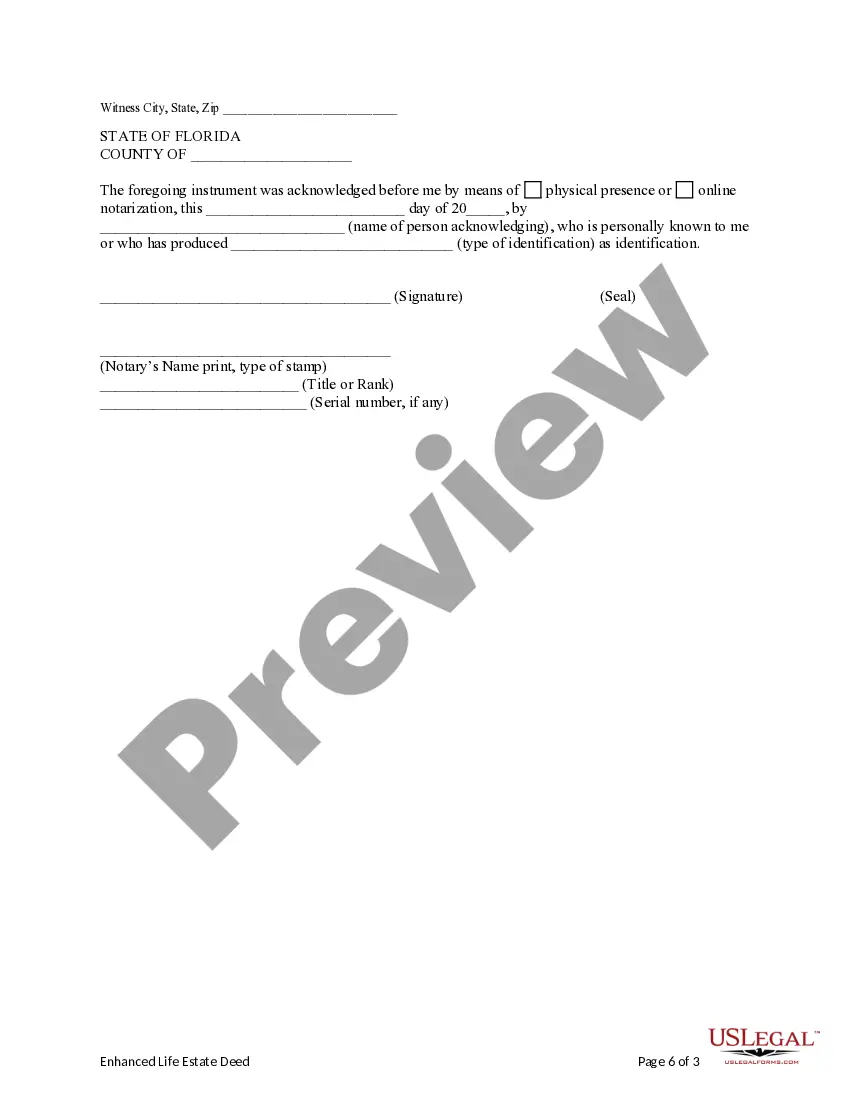
Get your form ready online
Our built-in tools help you complete, sign, share, and store your documents in one place.
Make edits, fill in missing information, and update formatting in US Legal Forms—just like you would in MS Word.
Download a copy, print it, send it by email, or mail it via USPS—whatever works best for your next step.
Sign and collect signatures with our SignNow integration. Send to multiple recipients, set reminders, and more. Go Premium to unlock E-Sign.
If this form requires notarization, complete it online through a secure video call—no need to meet a notary in person or wait for an appointment.
We protect your documents and personal data by following strict security and privacy standards.

Make edits, fill in missing information, and update formatting in US Legal Forms—just like you would in MS Word.

Download a copy, print it, send it by email, or mail it via USPS—whatever works best for your next step.

Sign and collect signatures with our SignNow integration. Send to multiple recipients, set reminders, and more. Go Premium to unlock E-Sign.

If this form requires notarization, complete it online through a secure video call—no need to meet a notary in person or wait for an appointment.

We protect your documents and personal data by following strict security and privacy standards.
Looking for another form?





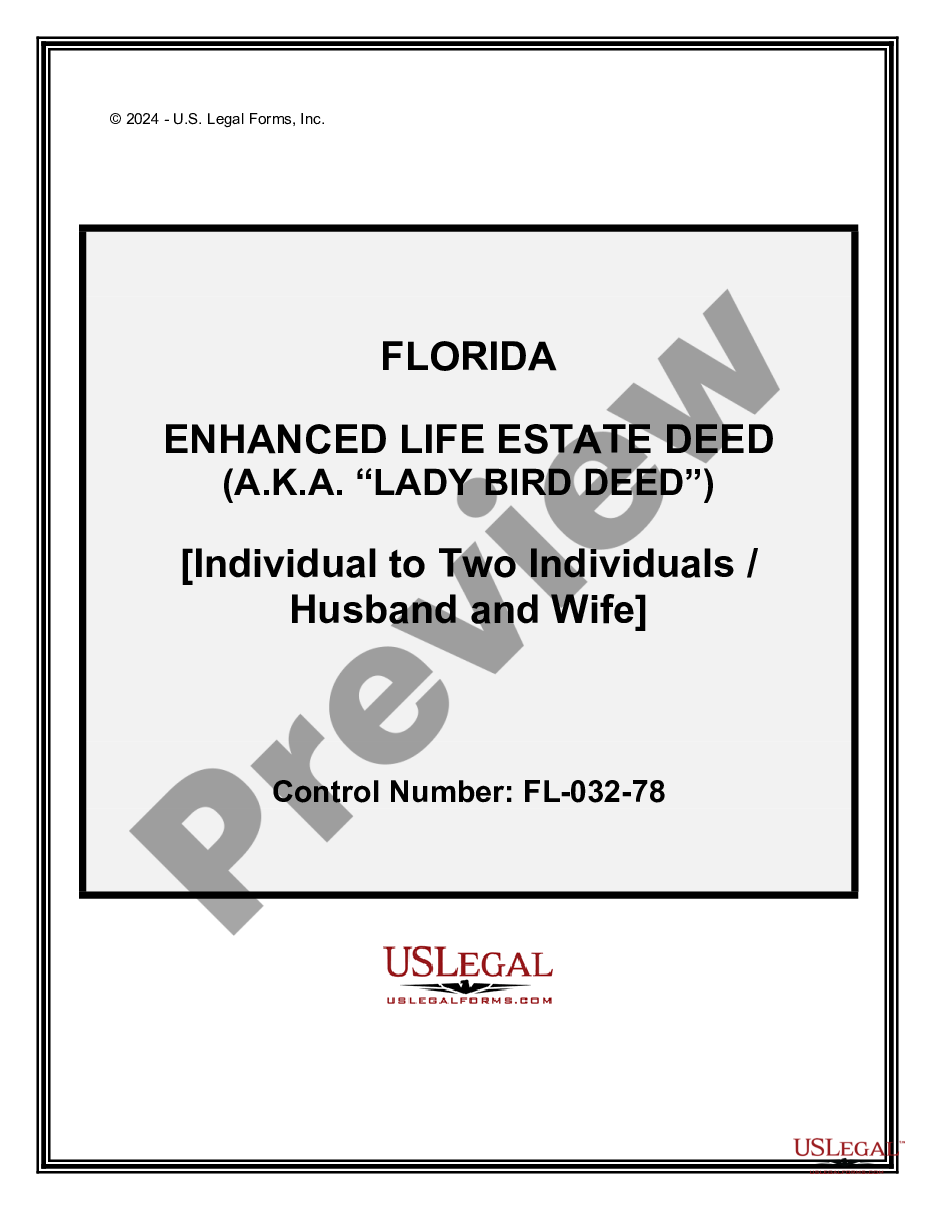
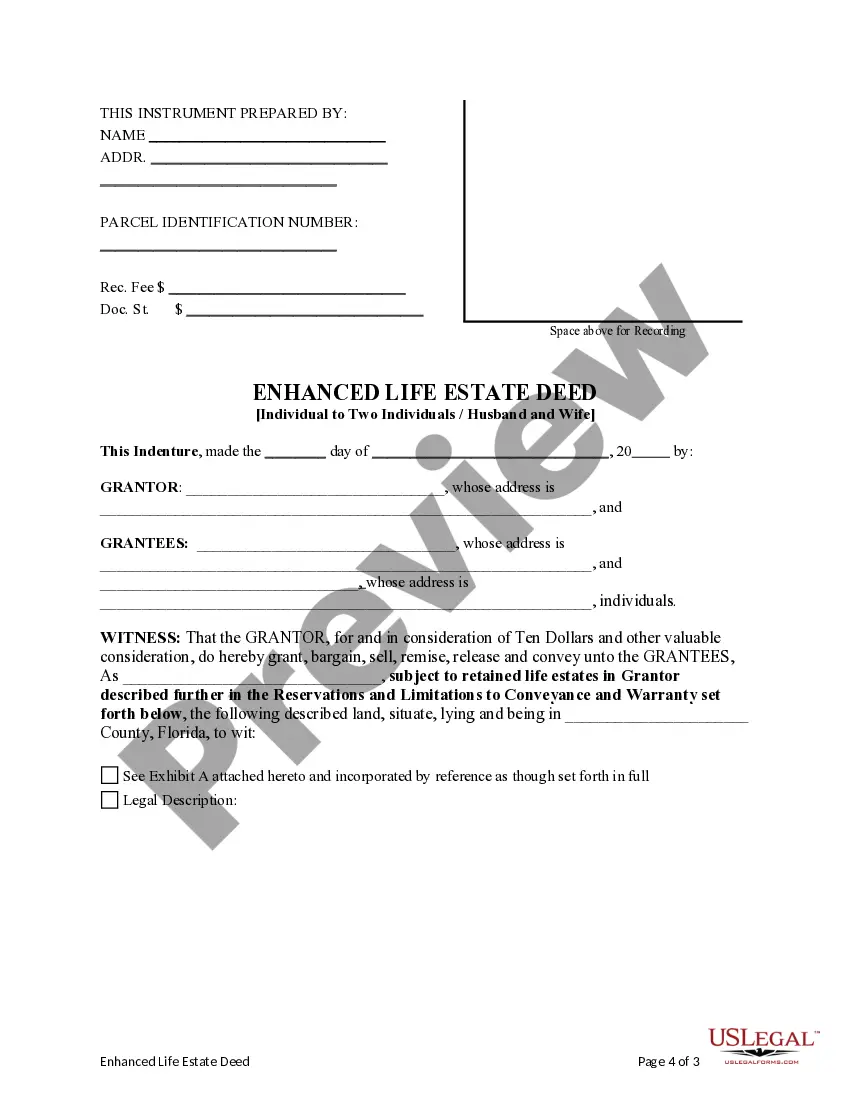
How to fill out Florida Enhanced Life Estate Or Lady Bird Deed - Individual To Two Individuals / Husband And Wife?
- Log in to your US Legal Forms account if you're a returning user. Ensure your subscription is active to access the needed templates.
- For first-time users, review the Preview mode and form descriptions carefully to select the correct deed that matches your jurisdiction's requirements.
- Utilize the Search tab to find alternative templates if the initial option doesn't meet your needs.
- Purchase the document by clicking the 'Buy Now' button and selecting your preferred subscription plan. Don’t forget to create an account to explore the entire library.
- Complete your transaction by entering your payment details through credit card or PayPal.
- Download your template and save it for immediate access. You can revisit it anytime from the 'My Forms' section of your account.
By following these simple steps, you'll be able to efficiently complete your life estate deed with mortgage documentation. The vast array of forms available on US Legal Forms is designed to empower individuals and attorneys alike.
Start your journey towards seamless legal documentation today - explore US Legal Forms for all your legal needs!
Form popularity
FAQ
Creditors can pursue a life estate for debts owed by the life tenant. However, they cannot claim the property itself until after the life tenant's death, as the remainderman holds the rights to the property afterward. Every situation may differ based on specific circumstances, so it’s wise to consult legal assistance to understand your rights fully. US Legal Forms can equip you with the legal knowledge needed to navigate issues related to life estates and creditors.
Yes, you can maintain a life estate deed even if you have a mortgage on the property. The deed provides you with ownership rights while the mortgage details the lender's interest in the property. This relationship allows life tenants to utilize and enjoy the property while also ensuring that debts are secured. To manage your life estate deed with mortgage effectively, consider using US Legal Forms for guidance.
Yes, it is possible for your name to appear on a life estate deed while not being on the mortgage. This can happen if the mortgage is jointly held by other parties or if the lender has specific requirements. It's important to understand how these arrangements affect your rights and responsibilities as a property owner. US Legal Forms can provide templates and resources to help clarify your situation regarding a life estate deed with mortgage.
Generally, the mortgage on a life estate does not become void after the death of the life tenant. Instead, the obligations may transfer to the remainderman, depending on the terms agreed upon. This situation can vary depending on state laws and specific mortgage agreements. For clarity on your life estate deed with mortgage and its implications after death, consult with a legal professional.
There are several disadvantages to consider when using a life estate deed with mortgage. First, this type of deed limits your ability to make changes or sell the property without the consent of the remainderman. Additionally, if there is an outstanding mortgage, the burden remains even after the life tenant's death. It's wise to review these aspects with legal assistance, and US Legal Forms can support you in making informed decisions.
Yes, you can establish a life estate deed with a mortgage. This arrangement allows the original property owner to retain rights over the property during their lifetime, even while it has an outstanding mortgage. It's essential to understand that the mortgage lender retains the right to collect payments, and failing to do so could result in foreclosure. You can navigate this process easily through platforms like US Legal Forms, which provide resources for creating a life estate deed with mortgage.
A life estate deed with mortgage can have specific tax implications that you should consider. Generally, the property can avoid probate, which may save on some taxes, but it may not shield you from property taxes during your life. Moreover, when the property transfers after your death, beneficiaries may face capital gains taxes based on the property’s value increase. For detailed advice tailored to your situation, engaging a tax professional is advisable.
The main drawbacks of a life estate deed with mortgage include limited flexibility and potential financial complications. Life estate holders cannot easily change the beneficiaries once the deed is in place. Moreover, any debts against the property, such as a mortgage, can complicate matters when the life estate holder wishes to sell or mortgage. We recommend consulting a legal expert to navigate these concerns effectively.
A life estate deed with mortgage provides a clear path for property transfer after your death, eliminating the need for probate. This arrangement can simplify estate planning and ensure that your property goes directly to your chosen beneficiaries. Furthermore, it allows you to maintain control and use of the property during your lifetime. This clarity can bring peace of mind for both you and your heirs.
One downside of a life estate deed with mortgage is that it limits the owner's control over the property. While you can live in the home, you cannot sell or mortgage it without the consent of the remainder beneficiaries. Additionally, life estate holders remain responsible for property taxes and maintenance. Understanding these factors is essential for making an informed decision.