Life Estate Deed
Description
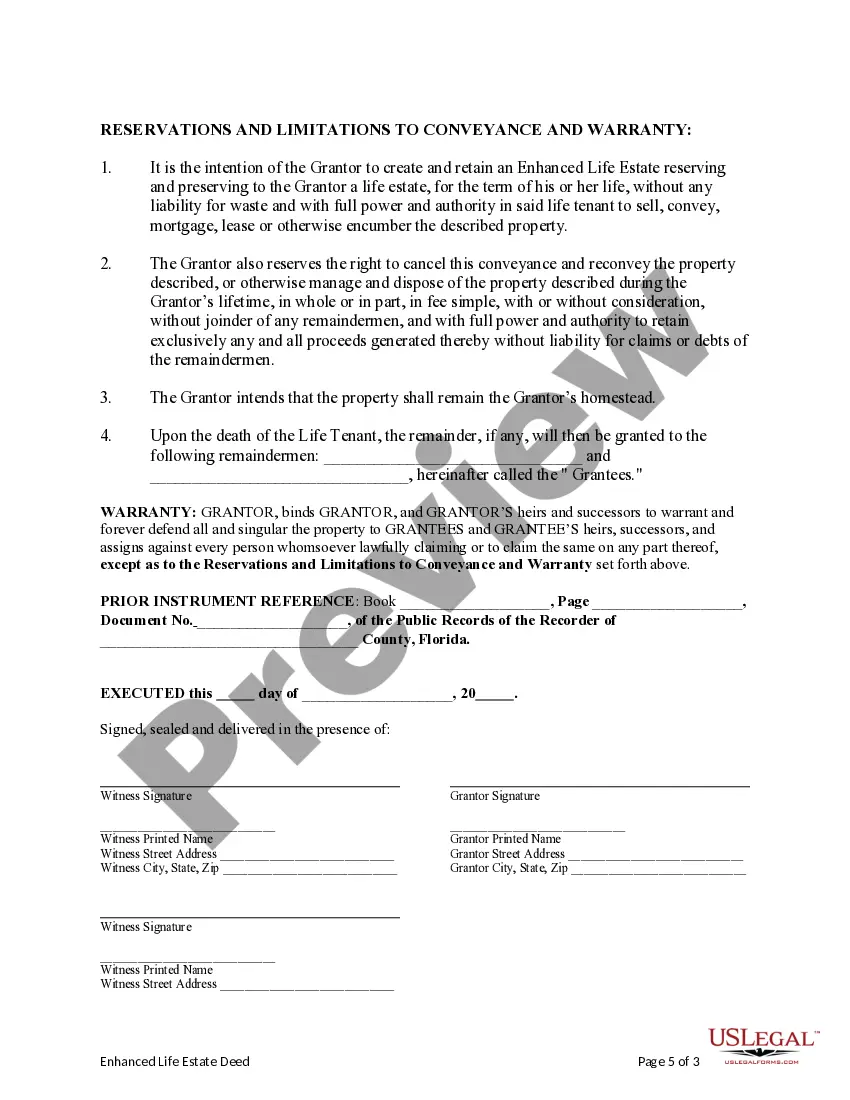
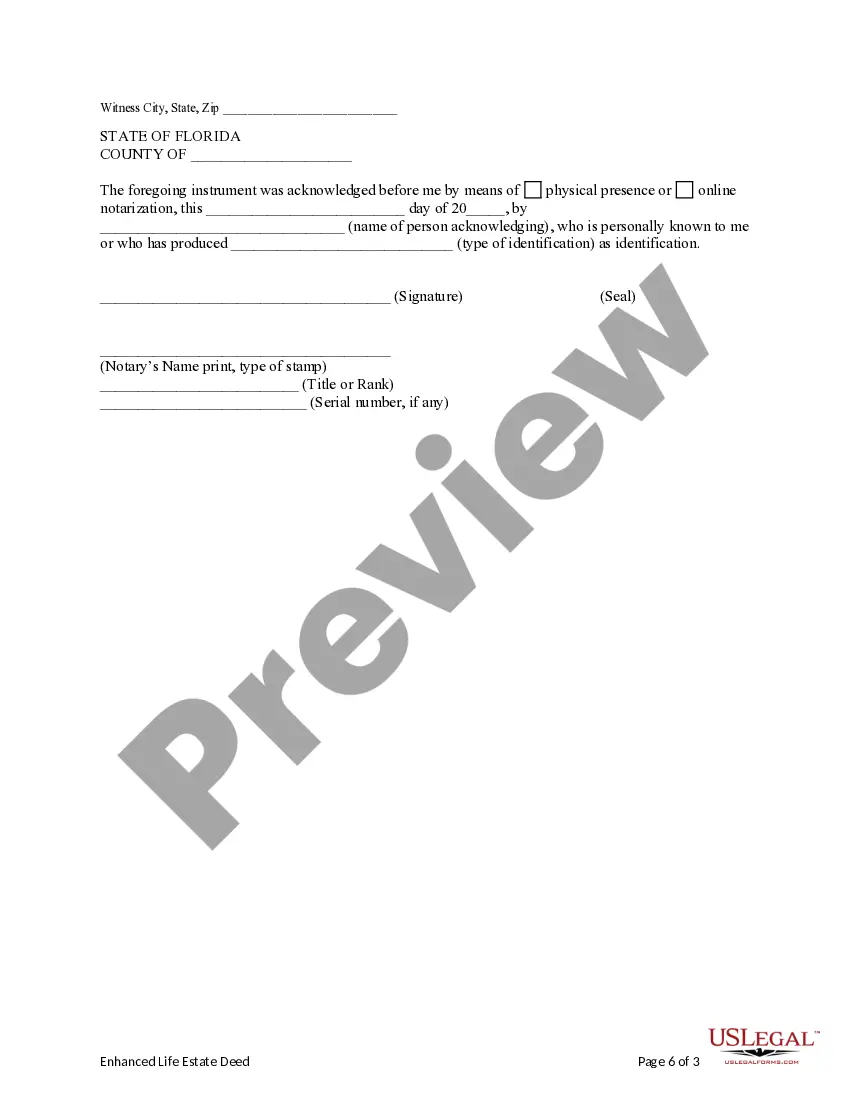
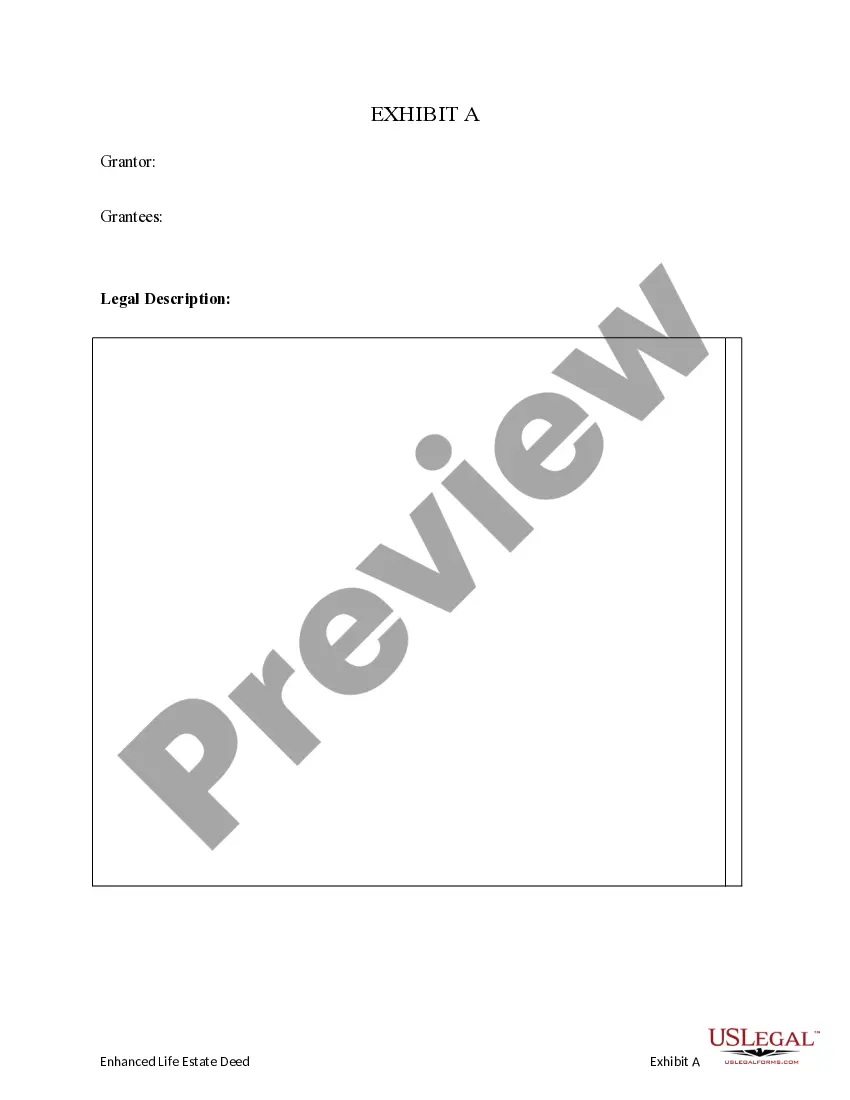
Get your form ready online
Our built-in tools help you complete, sign, share, and store your documents in one place.
Make edits, fill in missing information, and update formatting in US Legal Forms—just like you would in MS Word.
Download a copy, print it, send it by email, or mail it via USPS—whatever works best for your next step.
Sign and collect signatures with our SignNow integration. Send to multiple recipients, set reminders, and more. Go Premium to unlock E-Sign.
If this form requires notarization, complete it online through a secure video call—no need to meet a notary in person or wait for an appointment.
We protect your documents and personal data by following strict security and privacy standards.

Make edits, fill in missing information, and update formatting in US Legal Forms—just like you would in MS Word.

Download a copy, print it, send it by email, or mail it via USPS—whatever works best for your next step.

Sign and collect signatures with our SignNow integration. Send to multiple recipients, set reminders, and more. Go Premium to unlock E-Sign.

If this form requires notarization, complete it online through a secure video call—no need to meet a notary in person or wait for an appointment.

We protect your documents and personal data by following strict security and privacy standards.
Looking for another form?








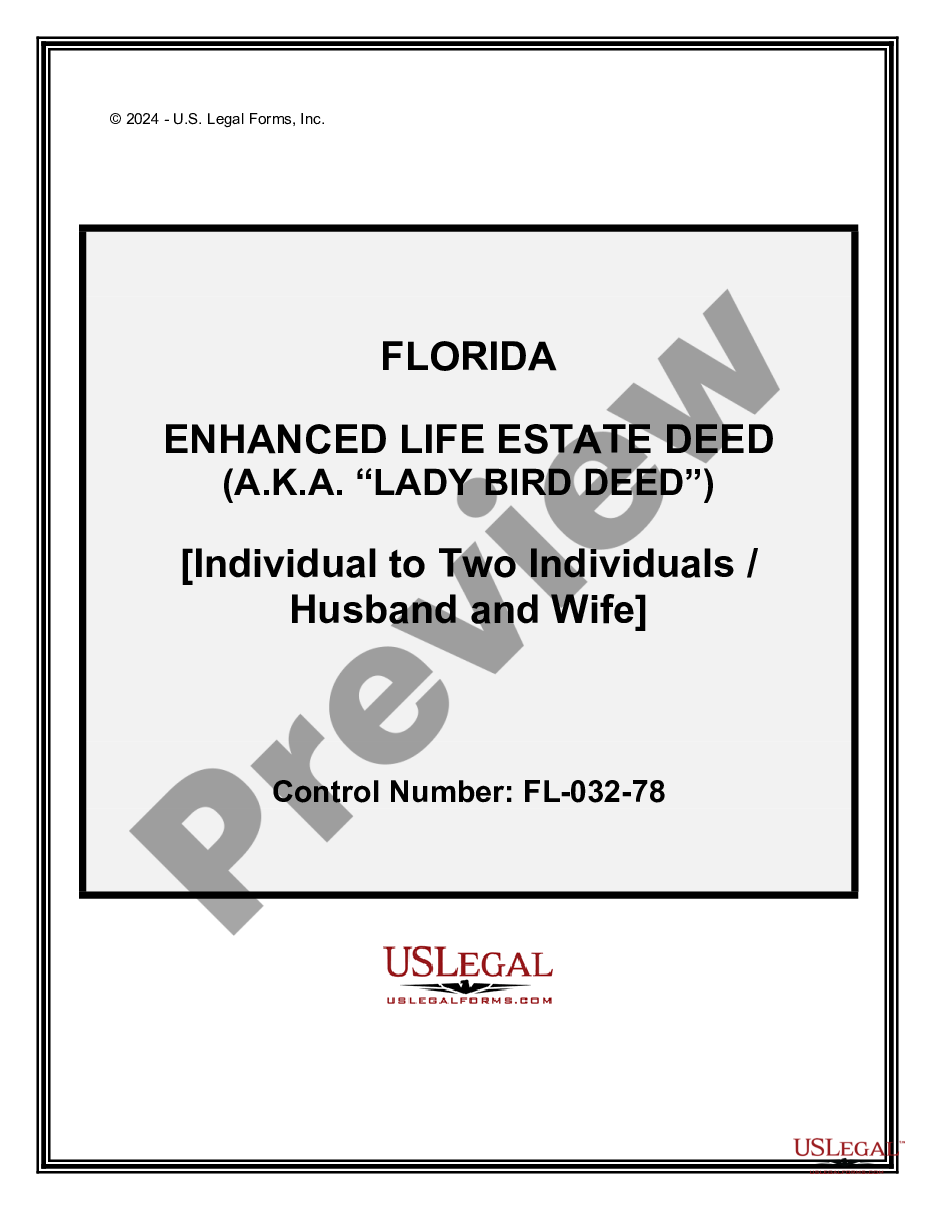
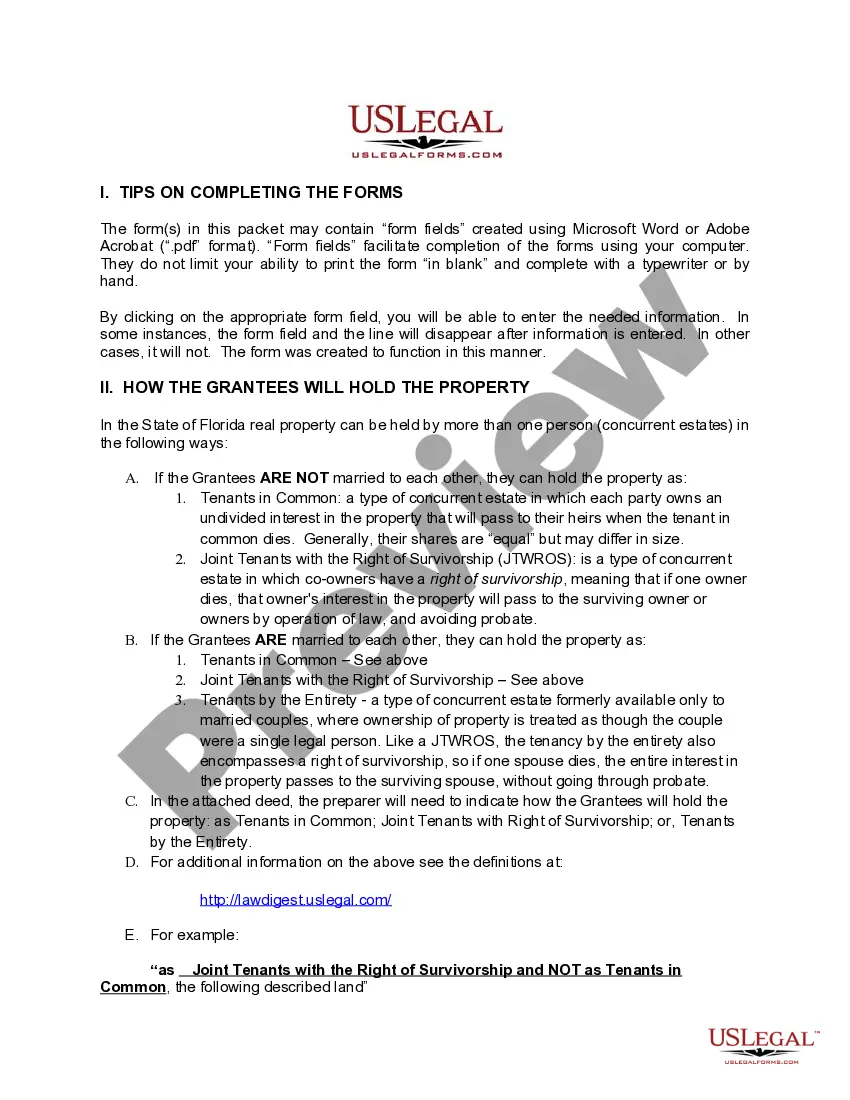
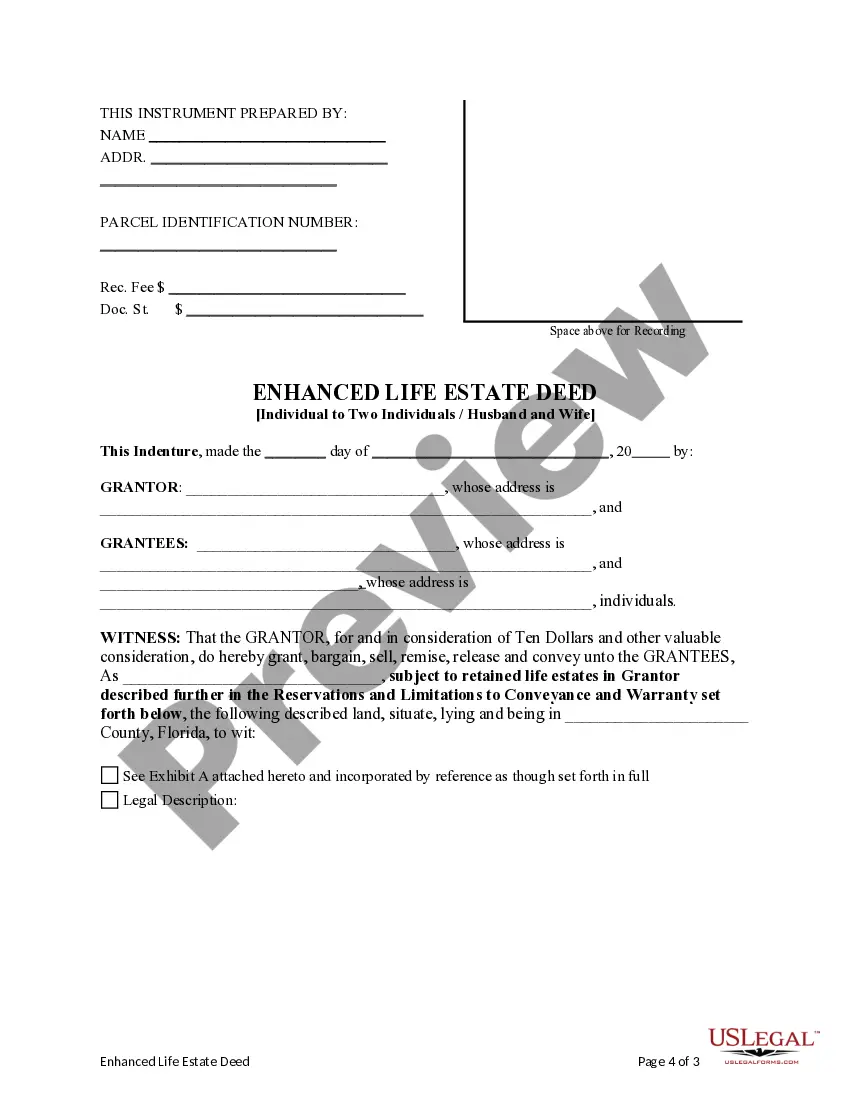
How to fill out Florida Enhanced Life Estate Or Lady Bird Deed - Individual To Two Individuals / Husband And Wife?
- If you are a returning user, log in to your account and access the form template easily by clicking the Download button. Ensure your subscription is active to proceed.
- For first-time users, start by browsing the Preview mode to review the description of the Life estate deed. Confirm that it aligns with your needs and complies with local jurisdiction requirements.
- In case the current template does not fit your requirements, use the Search tab to locate alternative forms that suit your needs more closely.
- Proceed to purchase the document by clicking on the Buy Now button. Select your preferred subscription plan and register for an account to gain access to the extensive library.
- Complete your purchase by entering your credit card details or using PayPal to finalize your subscription.
- Download the Life estate deed template onto your device. You can revisit and edit it anytime through the My Forms section of your profile.
In conclusion, US Legal Forms provides a robust and user-friendly platform with more forms than its competitors, ensuring you find the right legal documents quickly and efficiently. Their library boasts over 85,000 fillable forms and offers access to experts for additional support.
Don't hesitate to start your journey towards securing your Life estate deed by visiting US Legal Forms today!
Form popularity
FAQ
People create life estates for various reasons, primarily to control the distribution of their property while avoiding probate. A life estate deed provides peace of mind, allowing individuals to designate who will receive their property after their death. This strategy can also help protect assets from tax implications or creditors, making it a valuable tool in estate planning.
If you want to get around a life estate deed, consider consulting an attorney specializing in estate planning. They can guide you through the legal options, such as negotiating an agreement with the remainderman or exploring other estate planning strategies. Sometimes, transferring the property back to yourself is an option, but it requires careful planning to avoid legal pitfalls.
While a life estate deed provides benefits, it also has downsides. The original property owner cannot freely sell or mortgage the property without consent from the remainderman, the person who inherits the property next. Additionally, any significant changes to the property require agreement from both parties, which could lead to potential conflicts.
A life estate deed does not override a will, but it does establish a priority over the assets specified in the will. When someone creates a life estate deed, they transfer ownership of their property during their lifetime, allowing someone else to inherit it upon their death. Therefore, if you have a life estate deed in place, that specific property passes directly to the beneficiary, regardless of any contrary instructions in your will.
A will cannot override a life estate deed because the deed establishes a legal right to the property that takes effect upon the life tenant’s death. When a life estate deed is created, the remainderman automatically becomes the owner of the property, regardless of what the will states. Therefore, it is crucial to consider how your life estate deed fits into your overall estate plan. If you need assistance, US Legal Forms can provide guidance for creating a comprehensive plan that respects your wishes.
An example of a life estate is when a parent transfers their home to their children while retaining the right to live there for the rest of their life. In this case, the children become the remaindermen and will inherit the property once the parent passes away. This arrangement allows the parent to maintain their home while ensuring a smooth transfer of ownership to their children upon their death. Using a life estate deed in this situation can simplify estate planning and reduce tax liabilities.
A life estate deed typically names both the life tenant and the remainderman. The life tenant, often the current property owner, retains the right to use the property for their lifetime. Upon their passing, the remainderman automatically receives ownership of the property without going through probate. This clear delineation of ownership is one of the key features of a life estate deed.
While a life estate deed has many advantages, it also comes with certain drawbacks. One significant concern is that you cannot sell or mortgage the property without the agreement of the remainderman, which can limit your financial options. Additionally, if you need to access funds for care, a life estate deed might complicate matters. It's important to consider these factors before proceeding.
A life estate deed allows you to transfer property while retaining the right to live there for the rest of your life. This arrangement can help avoid probate, making it easier for your heirs to inherit the property without facing lengthy legal processes. Furthermore, it offers tax benefits and provides clarity regarding property ownership after your passing. Using a life estate deed ensures your wishes are fulfilled, allowing both you and your heirs peace of mind.
Another name for a life estate deed is a life tenancy deed. This term emphasizes the temporary nature of the ownership, which lasts only for the life of the tenant. Knowing both terms can be useful when discussing property rights and legal documents.