Rule 1.340 Florida
Description
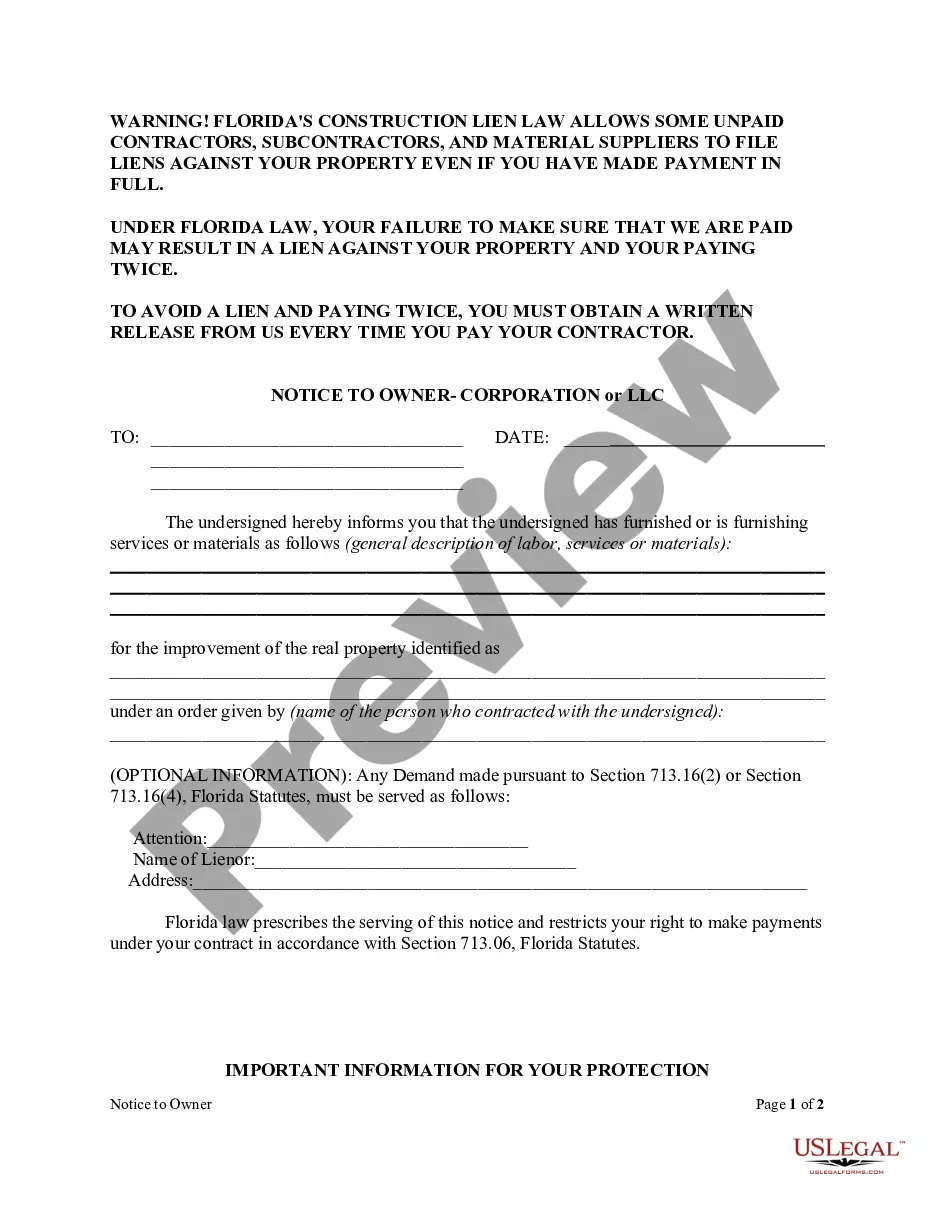
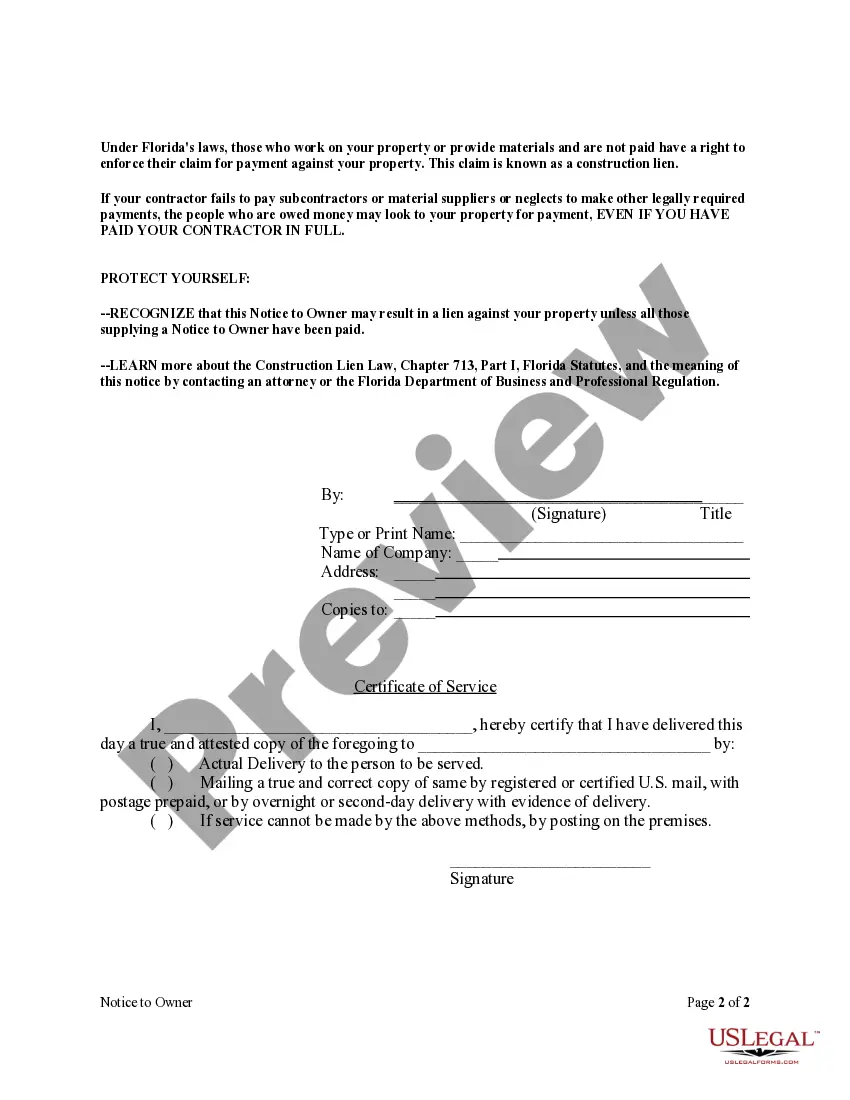
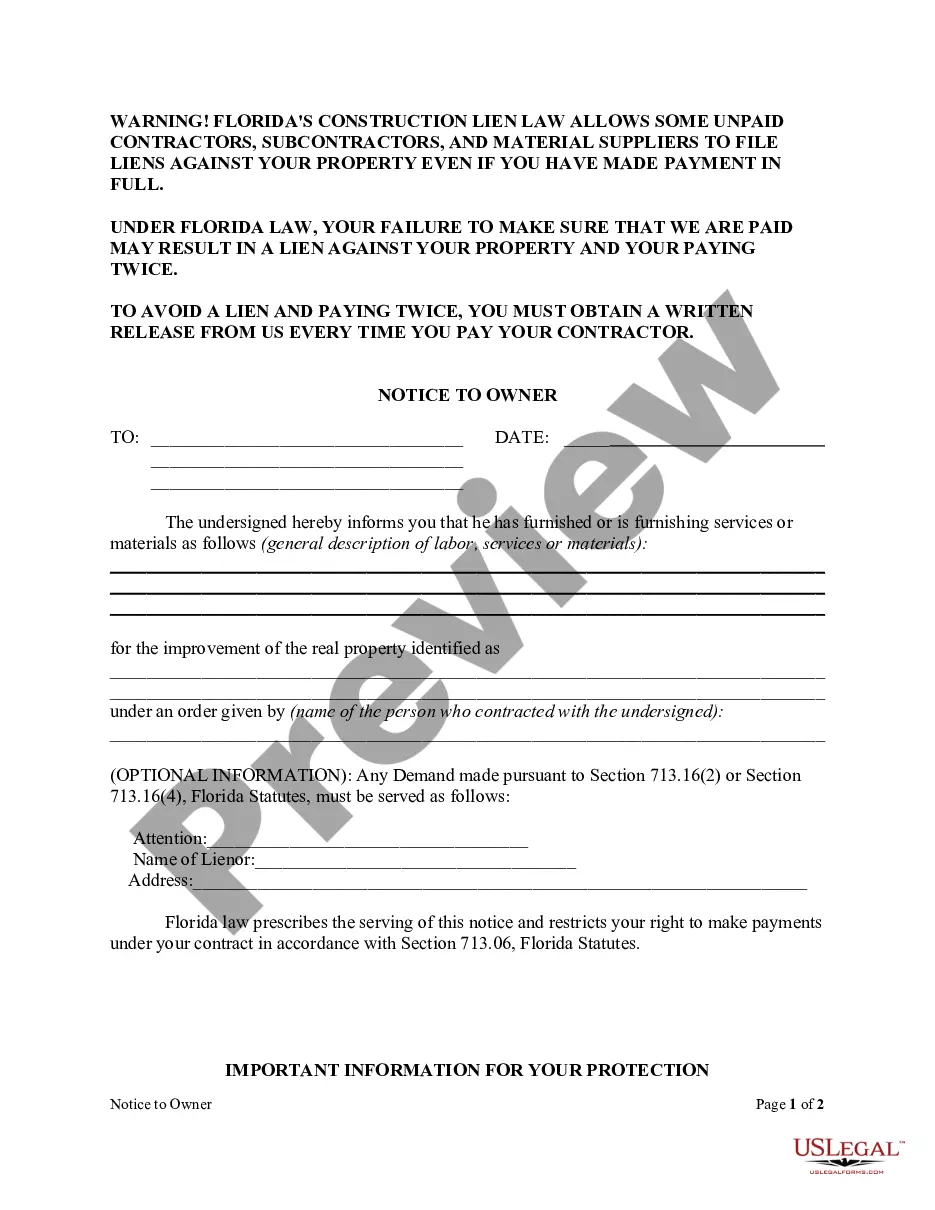
Get your form ready online
Our built-in tools help you complete, sign, share, and store your documents in one place.
Make edits, fill in missing information, and update formatting in US Legal Forms—just like you would in MS Word.
Download a copy, print it, send it by email, or mail it via USPS—whatever works best for your next step.
Sign and collect signatures with our SignNow integration. Send to multiple recipients, set reminders, and more. Go Premium to unlock E-Sign.
If this form requires notarization, complete it online through a secure video call—no need to meet a notary in person or wait for an appointment.
We protect your documents and personal data by following strict security and privacy standards.

Make edits, fill in missing information, and update formatting in US Legal Forms—just like you would in MS Word.

Download a copy, print it, send it by email, or mail it via USPS—whatever works best for your next step.

Sign and collect signatures with our SignNow integration. Send to multiple recipients, set reminders, and more. Go Premium to unlock E-Sign.

If this form requires notarization, complete it online through a secure video call—no need to meet a notary in person or wait for an appointment.

We protect your documents and personal data by following strict security and privacy standards.
Looking for another form?








How to fill out Florida Notice To Owner Form - Construction - Mechanic Liens - Corporation?
- If you've used US Legal Forms before, log in to access your account. Ensure your subscription is active to download forms directly.
- For first-time users, start by checking the Preview mode of the desired form. Confirm that it aligns with your requirements and adheres to local jurisdiction rules.
- If the form is not suitable, use the Search tab to find an alternative template that meets your needs.
- Once you've found the right document, click on the Buy Now button and select your preferred subscription plan. Make sure to register for account access.
- Complete your purchase by entering your payment details, either through credit card or PayPal.
- After payment, download the form to your device. You can revisit it anytime via the My documents section of your profile.
US Legal Forms provides a user-friendly platform that empowers users to navigate legal processes effortlessly. With an extensive library of over 85,000 fillable templates, you’re equipped with the resources to create precise legal documents.
Don't hesitate to start your legal journey today. Visit US Legal Forms to explore your options and ensure your documentation is accurate and compliant.
Form popularity
FAQ
Rule 1.130 A specifies the requirements for filing motions and pleadings, including the necessary format and content. This rule ensures that all legal documents filed in court meet specific standards, promoting consistency and clarity in civil proceedings. Understanding Rule 1.130 A is vital for ensuring your submissions are properly prepared. For resources on compliance and document preparation, explore what USLegalForms has to offer.
Rule 1.370 focuses on the sanctions for failing to make discovery and outlines the penalties for non-compliance. This rule empowers courts to enforce discovery orders, ensuring parties adhere to rules and produce requested materials. Understanding Rule 1.370 can help individuals avoid obstacles and potential penalties during civil proceedings. If you need help with compliance, USLegalForms provides helpful tools and information.
The Rule of Civil Procedure 1.360 in Florida is critical for situations where a party's physical or mental condition is disputed. This rule permits the opposing party to seek a court-ordered examination to gather essential information. Accurate examination outcomes can significantly influence the case's direction, enhancing the pursuit of justice. For detailed guidance on how to navigate this rule, explore USLegalForms for reliable resources.
As previously noted, Rule 1.350 in Florida is integral to the discovery phase of civil cases. This rule not only facilitates requests for document production but also ensures that both sides can access relevant materials that pertain to the case. By promoting transparency, Rule 1.350 plays a vital role in preparing for trial. For assistance with document requests, utilizing USLegalForms can simplify your experience.
Rule 1.360 outlines the procedures for physical and mental examinations in civil cases. It allows a party to request an examination of another party when the mental or physical condition is in controversy. This rule aims to ensure that evidence is presented accurately and fairly during trials. For a better understanding of Rule 1.360 and related implications, using resources like USLegalForms can be immensely beneficial.
Rule 1.350 in Florida addresses the discovery process, specifically allowing parties to request the production of documents and other tangible evidence relevant to the case. This can include contracts, writings, or any physical item that may help support a claim or defense. Understanding Rule 1.350 is crucial as it assists in gathering necessary information to build a robust case. To ensure compliance with these rules, consider the resources provided by USLegalForms.
Rule 1.340 in Florida governs the use of requests for admissions within civil litigation. This rule allows one party to request that the other party admit or deny specific facts, which can simplify the issues at trial. By clarifying points of agreement, Rule 1.340 helps streamline the legal process, making it easier for individuals to focus on key matters. Leveraging platforms like USLegalForms can assist you in navigating these rules effectively.
Rule 1.340 Florida specifically concerns the stipulation of facts in civil cases, allowing parties to agree on certain matters to streamline proceedings. This rule can significantly reduce trial time and expenses by minimizing disputes over established facts. By effectively using Rule 1.340 Florida, parties can focus on substantive issues rather than procedural hurdles. Platforms like US Legal Forms can assist you in understanding and applying this rule in your legal strategy.
Rule 1.130 Florida specifies the format and content required for pleadings and motions filed in civil court. This rule ensures clarity and uniformity in legal documents, which helps prevent confusion and delays. If you adhere to Rule 1.130 Florida, you increase the likelihood of your documents being accepted by the court. You can find helpful resources on drafting compliant documents through US Legal Forms.
Rule 1.320 Florida deals with the requirements for written discovery requests, including interrogatories and requests for production. This rule allows parties to formally ask for information and documents relevant to the case. Understanding Rule 1.320 Florida can enhance your ability to collect evidence efficiently. Utilizing platforms like US Legal Forms can simplify this process by providing templates and guides for discovery.