Florida Lady Bird Deed Pros And Cons
Description
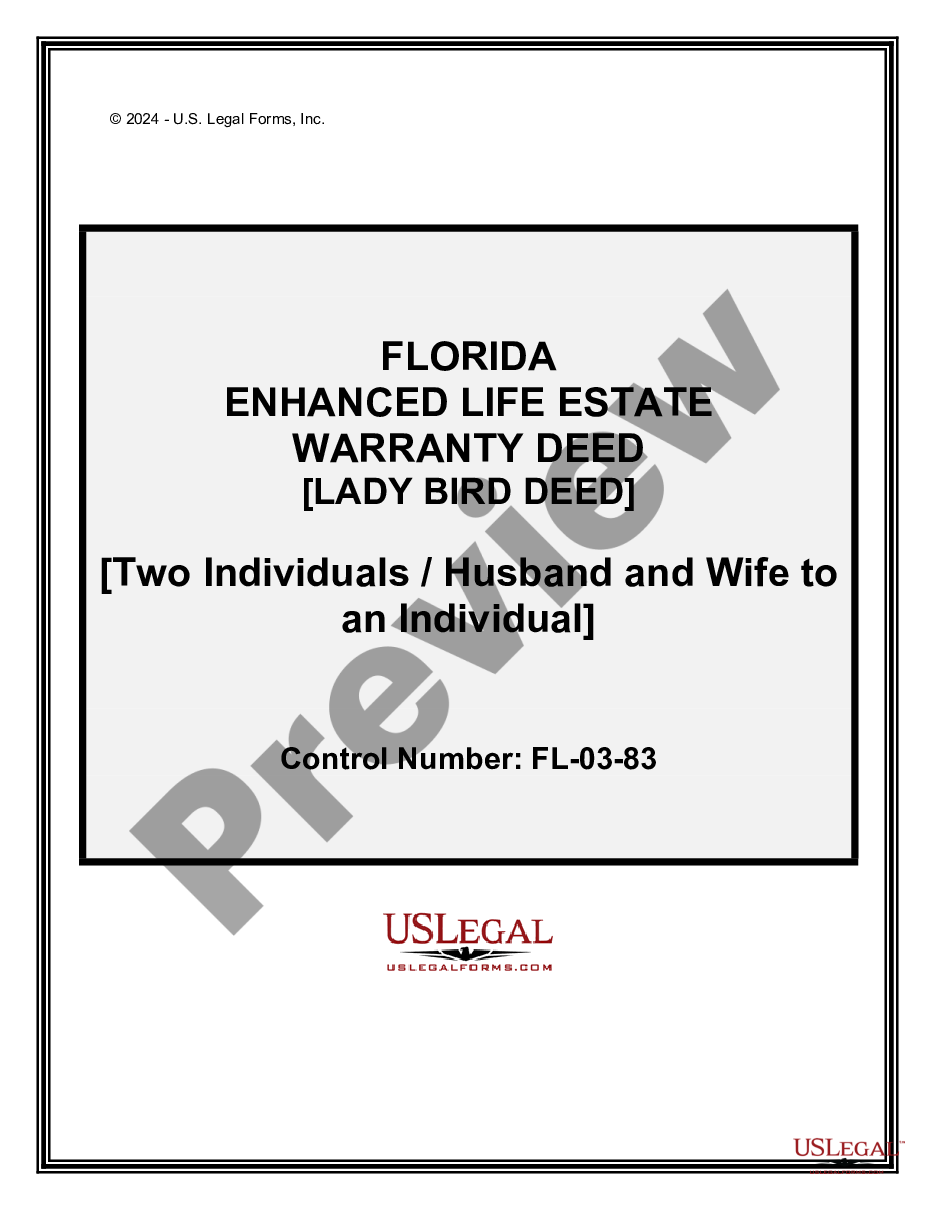
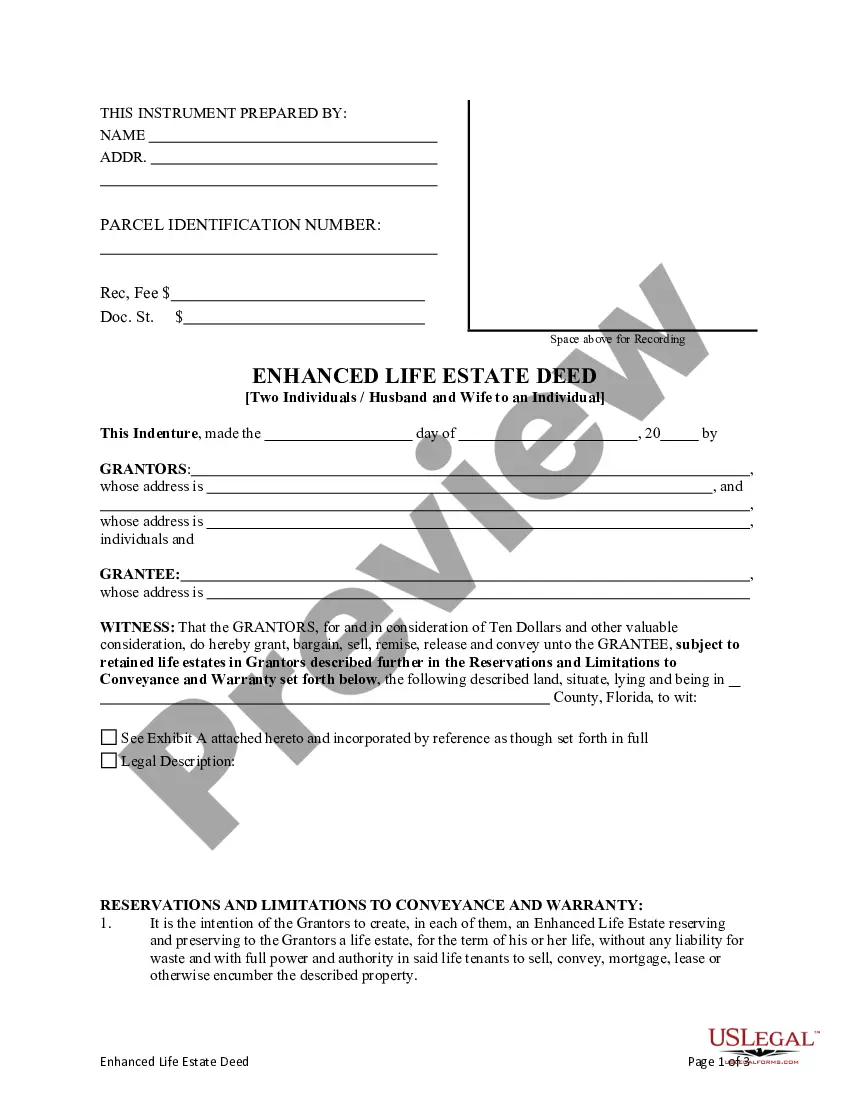
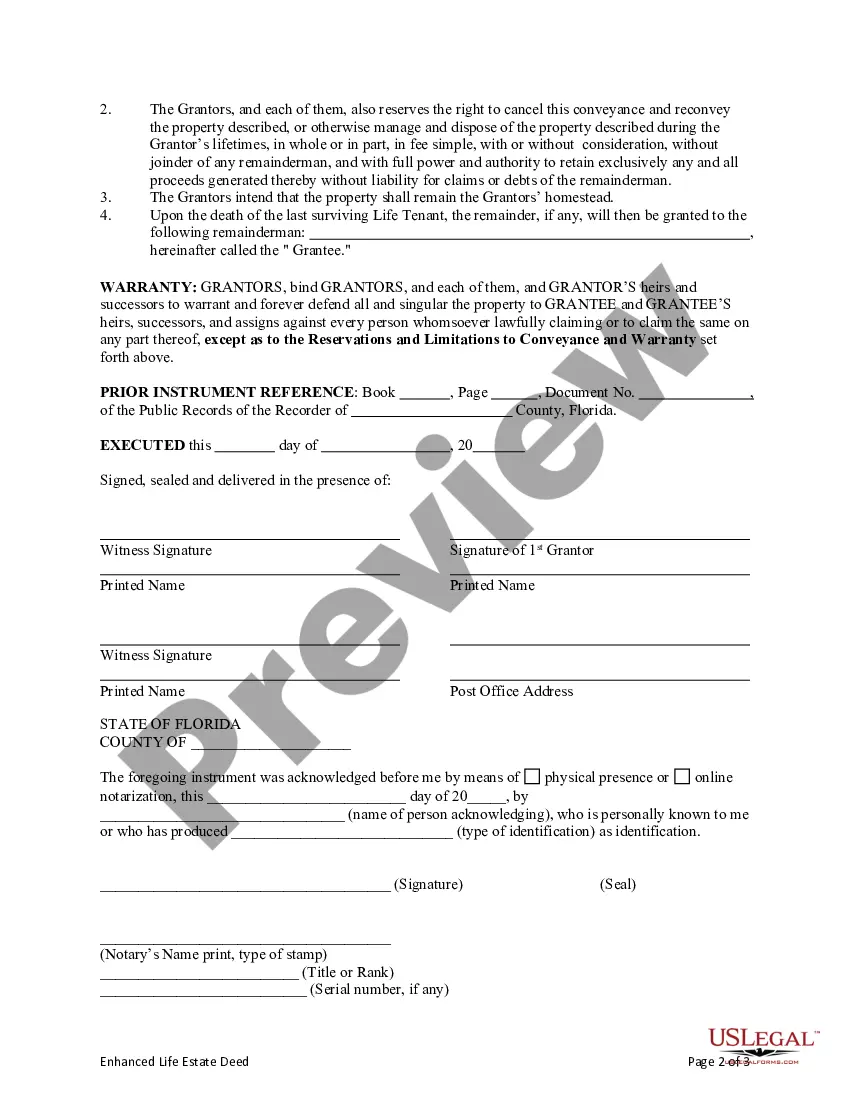
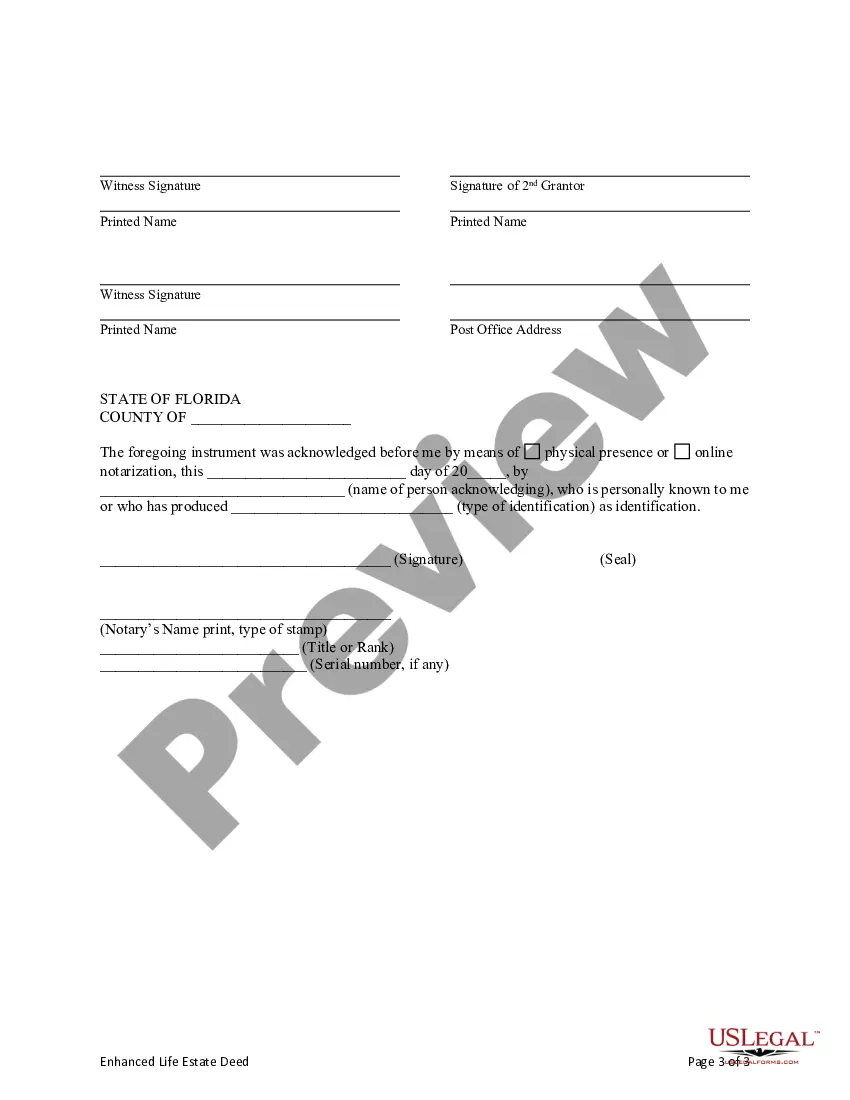
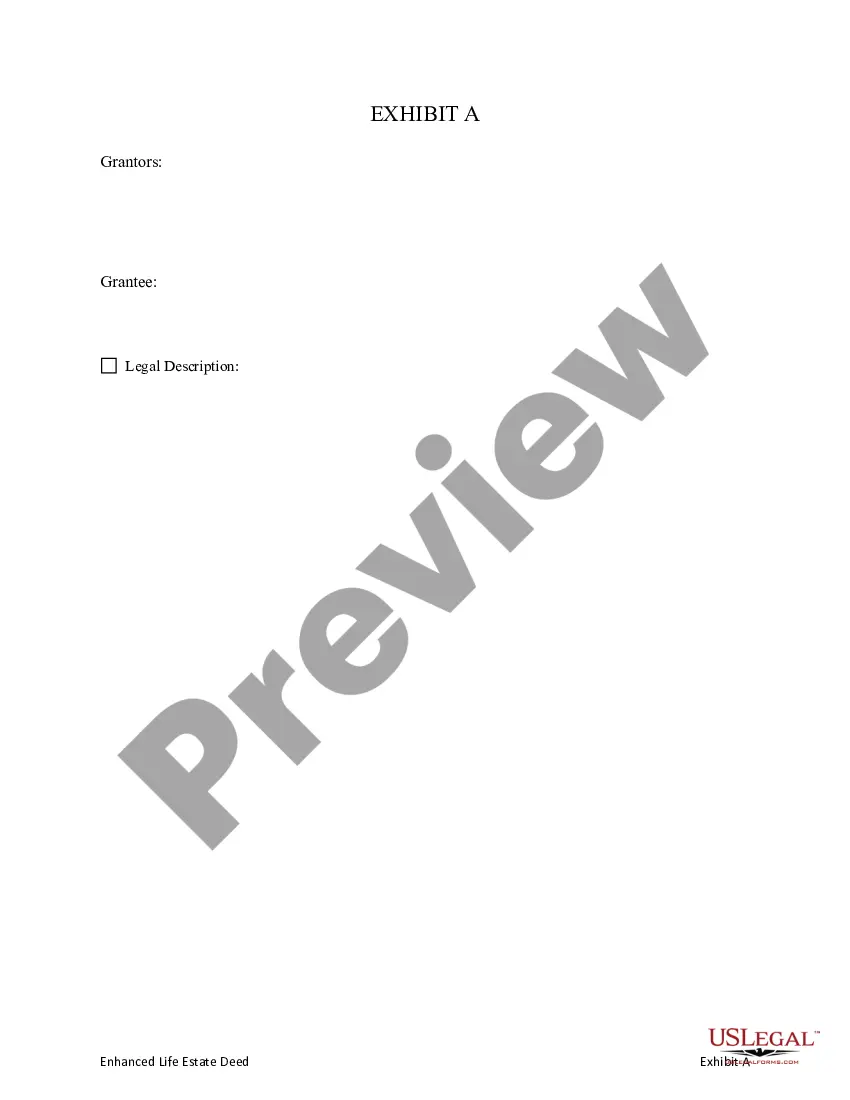

Get your form ready online
Our built-in tools help you complete, sign, share, and store your documents in one place.
Make edits, fill in missing information, and update formatting in US Legal Forms—just like you would in MS Word.
Download a copy, print it, send it by email, or mail it via USPS—whatever works best for your next step.
Sign and collect signatures with our SignNow integration. Send to multiple recipients, set reminders, and more. Go Premium to unlock E-Sign.
If this form requires notarization, complete it online through a secure video call—no need to meet a notary in person or wait for an appointment.
We protect your documents and personal data by following strict security and privacy standards.

Make edits, fill in missing information, and update formatting in US Legal Forms—just like you would in MS Word.

Download a copy, print it, send it by email, or mail it via USPS—whatever works best for your next step.

Sign and collect signatures with our SignNow integration. Send to multiple recipients, set reminders, and more. Go Premium to unlock E-Sign.

If this form requires notarization, complete it online through a secure video call—no need to meet a notary in person or wait for an appointment.

We protect your documents and personal data by following strict security and privacy standards.
Looking for another form?
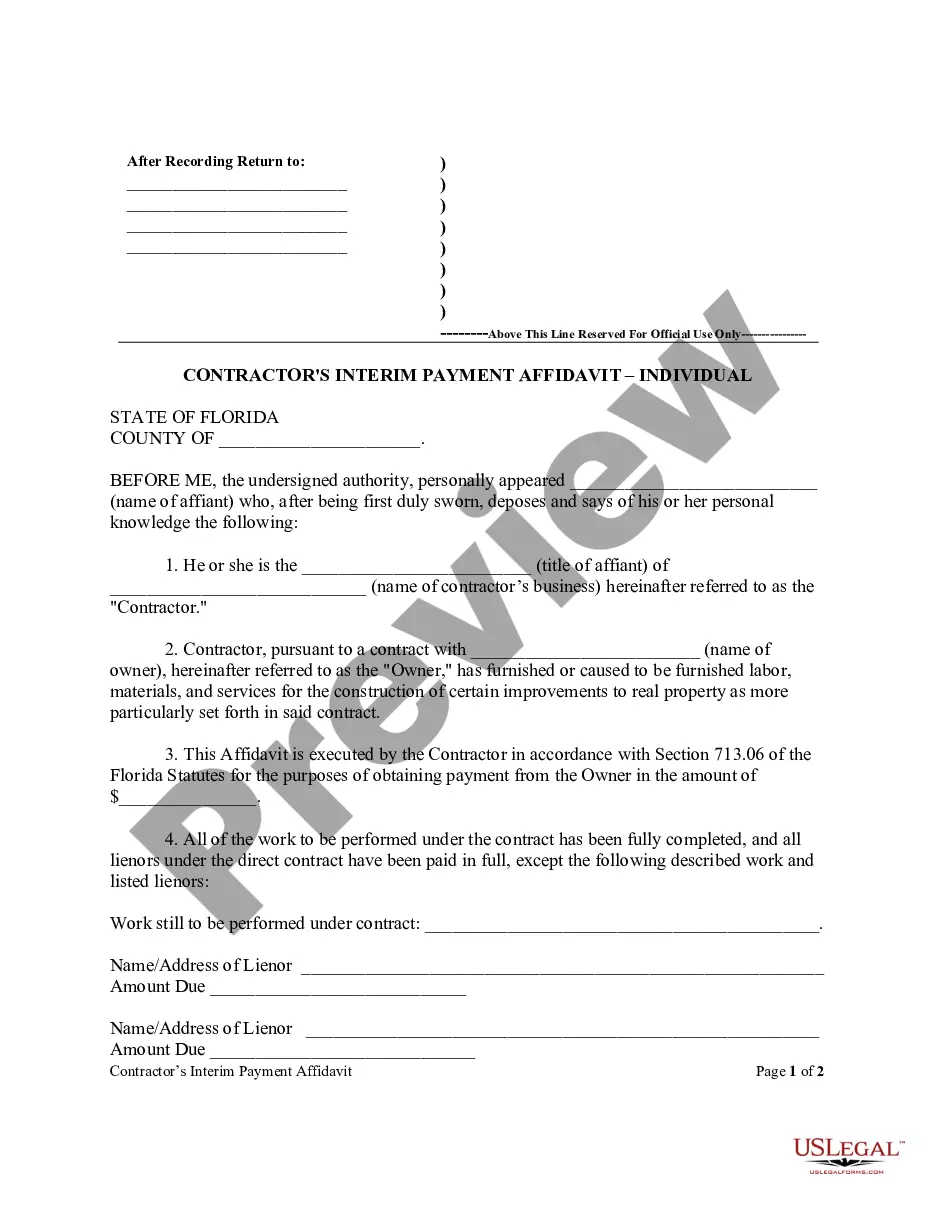
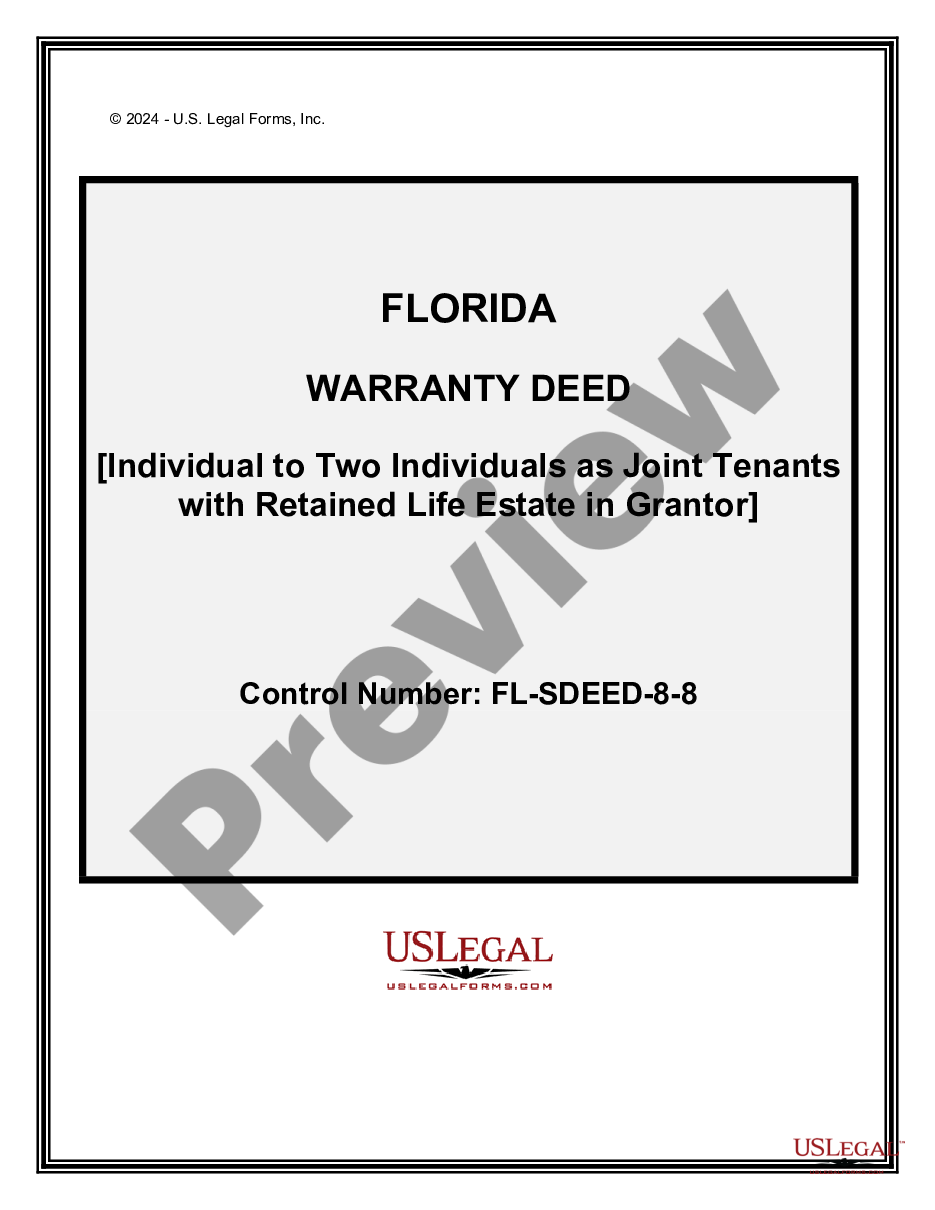
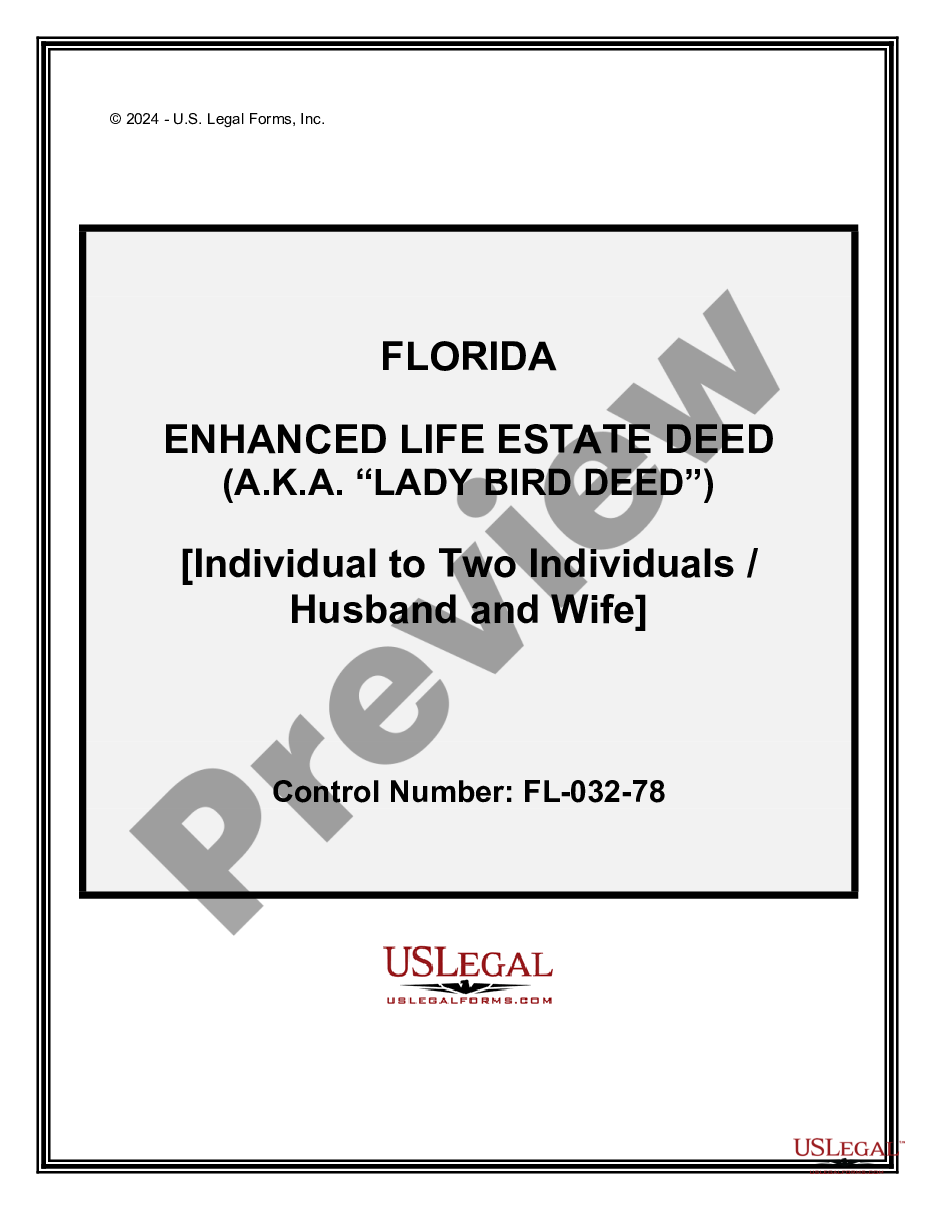
How to fill out Florida Enhanced Life Estate Or Lady Bird Deed - Two Individual / Husband And Wife To Individual?
Managing legal documents can be perplexing, even for the most experienced professionals.
When you are looking for the pros and cons of a Florida Lady Bird Deed and lack the time to search for the suitable and current version, the process may become stressful.
Gain access to a repository of articles, guidelines, manuals, and resources pertinent to your circumstances and requirements.
Save time and energy hunting for the documents you need, and employ the advanced search and Review functionality of US Legal Forms to locate Florida Lady Bird Deed pros and cons and acquire them.
Take full advantage of the US Legal Forms online library, supported by 25 years of expertise and trustworthiness. Transform your daily document management into a simple and user-friendly process today.
- If you have a subscription, Log In to your US Legal Forms account, search for the form, and obtain it.
- Check the My documents tab to view the documents you've previously downloaded and manage your folders as desired.
- If this is your first experience with US Legal Forms, create an account to gain unlimited access to all the advantages of the library.
- After downloading the form you wish, ensure it is the correct one by previewing it and reviewing its description.
- Confirm that the template is accepted in your state or county.
- Click Buy Now when you're ready.
- Select a subscription option.
- Choose the file type you prefer, then Download, complete, sign, print, and send your document.
- Utilize state- or county-specific legal and organizational documents.
- US Legal Forms addresses any needs you might have, from personal to business paperwork, all in one location.
- Leverage advanced tools to complete and manage your Florida Lady Bird Deed pros and cons.
Form popularity
FAQ
Some disadvantages of a lady bird deed in Florida include potential challenges in transferring property if the grantor becomes incapacitated. Additionally, certain taxes and liens may complicate matters for heirs. Understanding these Florida lady bird deed pros and cons is essential, and using resources like US Legal Forms can provide clarity.
Dual agency may occur only if both parties consent to it, and sign the Consent for Dual Agency form prescribed by the Maryland Real Estate Commission.
All of the following are types of real estate agency relationships recognized by Maryland law, EXCEPT: transaction agency.
Which section of the residential contract of sale states that the contract will be governed by the laws of the state of Maryland? Section 16: Sales Contracts in Maryland.
Dual agency is legal in MD, VA, & DC, but there are important distinctions in how it is defined. In Maryland, a single agent is prohibited from representing both the buyer and seller in the transaction. However, if both agents have the same Supervising or Managing Broker, the broker is deemed a Dual Agent.
The short answer is that yes, you are allowed to represent yourself and you don't need to hire another real estate agent.
Wyoming, Alaska, Vermont, Colorado, Florida, Maryland, Texas and Kansas ban or severely limit the practice of dual agency.