Certiorari Etymology
Description
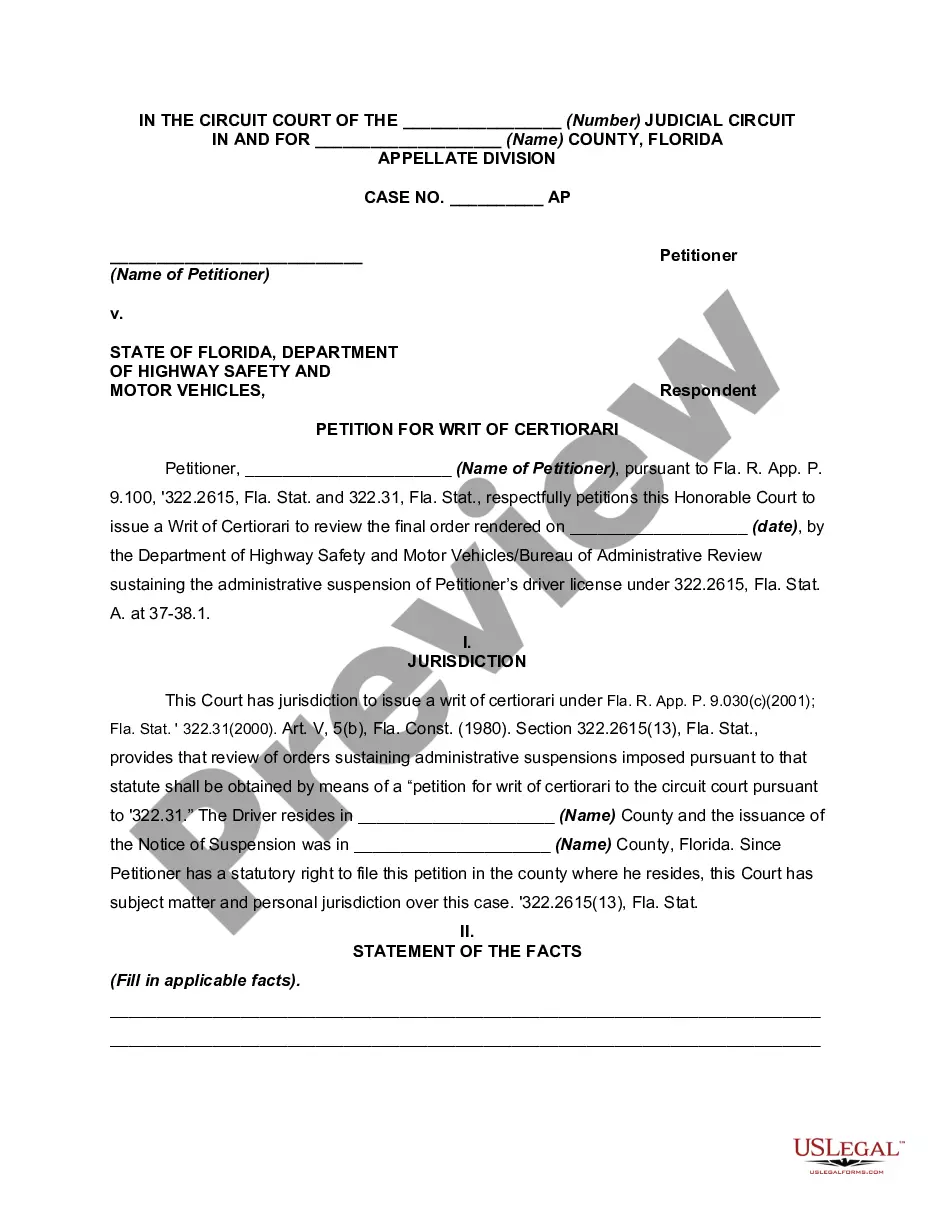
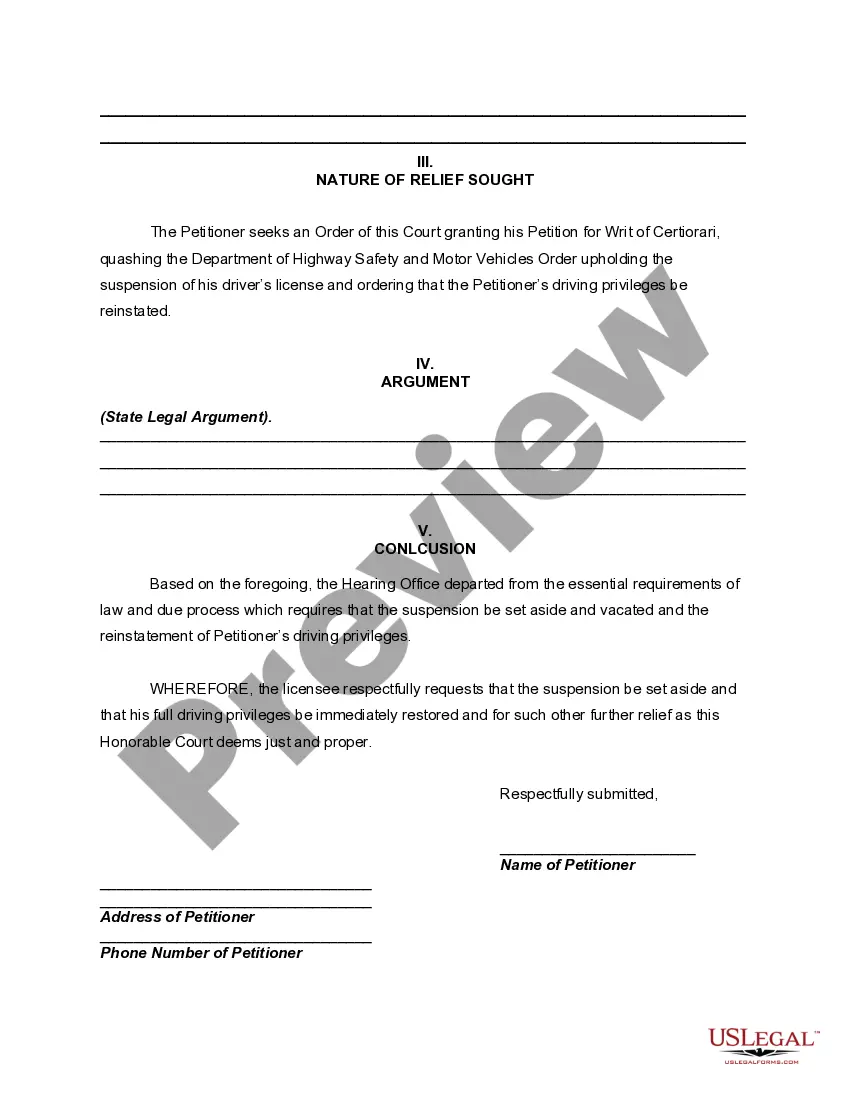
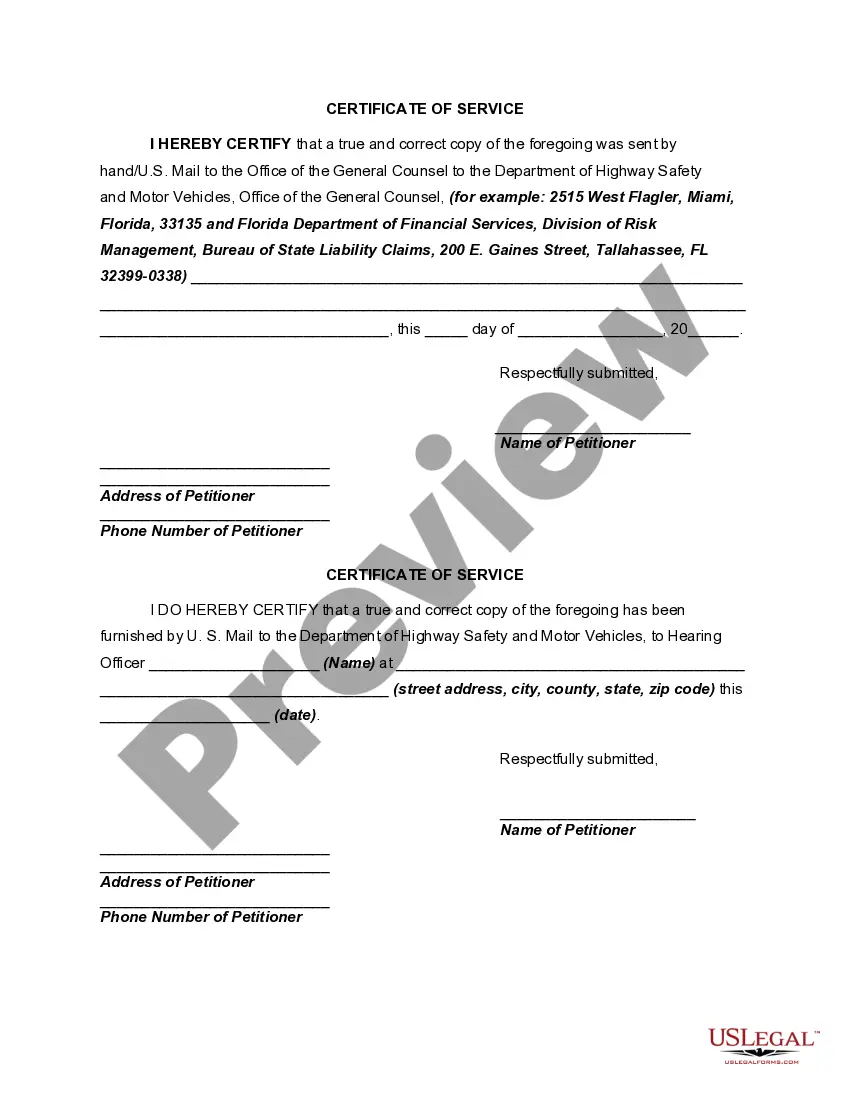
Get your form ready online
Our built-in tools help you complete, sign, share, and store your documents in one place.
Make edits, fill in missing information, and update formatting in US Legal Forms—just like you would in MS Word.
Download a copy, print it, send it by email, or mail it via USPS—whatever works best for your next step.
Sign and collect signatures with our SignNow integration. Send to multiple recipients, set reminders, and more. Go Premium to unlock E-Sign.
If this form requires notarization, complete it online through a secure video call—no need to meet a notary in person or wait for an appointment.
We protect your documents and personal data by following strict security and privacy standards.

Make edits, fill in missing information, and update formatting in US Legal Forms—just like you would in MS Word.

Download a copy, print it, send it by email, or mail it via USPS—whatever works best for your next step.

Sign and collect signatures with our SignNow integration. Send to multiple recipients, set reminders, and more. Go Premium to unlock E-Sign.

If this form requires notarization, complete it online through a secure video call—no need to meet a notary in person or wait for an appointment.

We protect your documents and personal data by following strict security and privacy standards.
Looking for another form?




How to fill out Florida Writ Of Certiorari And Appeal Of License Suspension?
- If you are a returning user, log in to your account and download the desired form template by clicking the Download button. Ensure your subscription is active.
- For new users, start by previewing the form description to confirm it meets your needs and complies with local jurisdiction criteria.
- If you need a different template, use the Search tab to locate the correct one. Once identified, proceed to the following step.
- Select and purchase the document by clicking the Buy Now button and choose your preferred subscription plan. Registration is necessary to access the library.
- Complete your purchase by entering credit card information or utilizing your PayPal account for the subscription.
- Finally, download the form and save it on your device. You can also access it anytime through the My Forms section of your profile.
US Legal Forms empowers both individuals and attorneys to swiftly execute legal documents, making the process accessible and efficient. With a vast collection of over 85,000 fillable forms, the platform stands out in the legal document space.
Embrace the ease of legal document preparation and explore US Legal Forms today to streamline your legal needs!
Form popularity
FAQ
The origin of the word certiorari can be traced back to Latin roots, emphasizing the legal principle of certainty. It highlights the fundamental role of review in the judicial system, showcasing how languages and legal terminologies evolve over time. Exploring certiorari etymology can enrich your understanding of legal language and its implications in our justice system.
The literal meaning of certiorari focuses on the idea of confirming or ensuring certainty in legal judgments. By facilitating a review process, certiorari provides an avenue for correcting potential errors made by inferior courts. This notion is central to the broader understanding of certiorari etymology and its application in law.
The literal translation of certiorari is 'to be made certain.' This reflects the function of the writ, which seeks to clarify or confirm a lower court's decision by allowing it to be examined by a higher court. Understanding this translation is key to appreciating the term's significance in legal proceedings and its certiorari etymology.
Another term for writ of certiorari is simply 'certiorari.' While some might use phrases like 'order to review,' the legal community primarily refers to it by its original name. Exploring certiorari etymology reveals the roots of this term and its journey into modern legal practice.
Certiorari is a type of legal writ issued by a higher court to review a lower court's decision. It serves as a mechanism for checking the validity of lower court rulings and ensuring justice. The concept of certiorari etymology highlights how this term has evolved and remains relevant in today's legal context.
The term 'certiorari' comes from Latin, and it means 'to be made certain.' This legal term indicates a request made to a higher court to review the decision of a lower court. Understanding certiorari etymology can help you grasp the importance of appellate review in the legal system.
To get a writ of certiorari granted, start with thorough research to frame your case appropriately. Highlight legal standards, relevant precedents, and broader implications of your situation. If you're unsure about crafting your petition or need structured guidance, platforms like U.S. Legal Forms can provide templates and resources to enhance your submission. Understanding certiorari etymology can also enrich your narrative, making your case stand out.
The odds of a case being granted a writ of certiorari are relatively low, with only about 1% of petitions receiving approval each term. Factors influencing these odds include the nature of the legal issues and the current priorities of the Supreme Court. Staying informed about the court's focus on certain legal controversies can improve your chances. Also, a solid grasp of certiorari etymology may help you identify critical areas of law that captivate the Court's attention.
The Supreme Court typically grants a writ of certiorari for cases that present substantial legal questions, conflicts among lower courts, and crucial constitutional issues. These three reasons help ensure consistency in the law and address significant societal concerns. By grasping the certiorari etymology, you can better articulate the importance of your case in relation to these factors. This understanding can be a powerful tool in your arguments.
To get a writ of certiorari granted, you must file a petition that outlines why your case deserves attention. It's essential to focus on the broader implications of your case and references to significant legal precedents. You should also provide a clear legal argument that highlights the issues that merit Supreme Court review. Remember, understanding the certiorari etymology can inform your approach and strengthen your case.