Encroachment Permit For Driveway
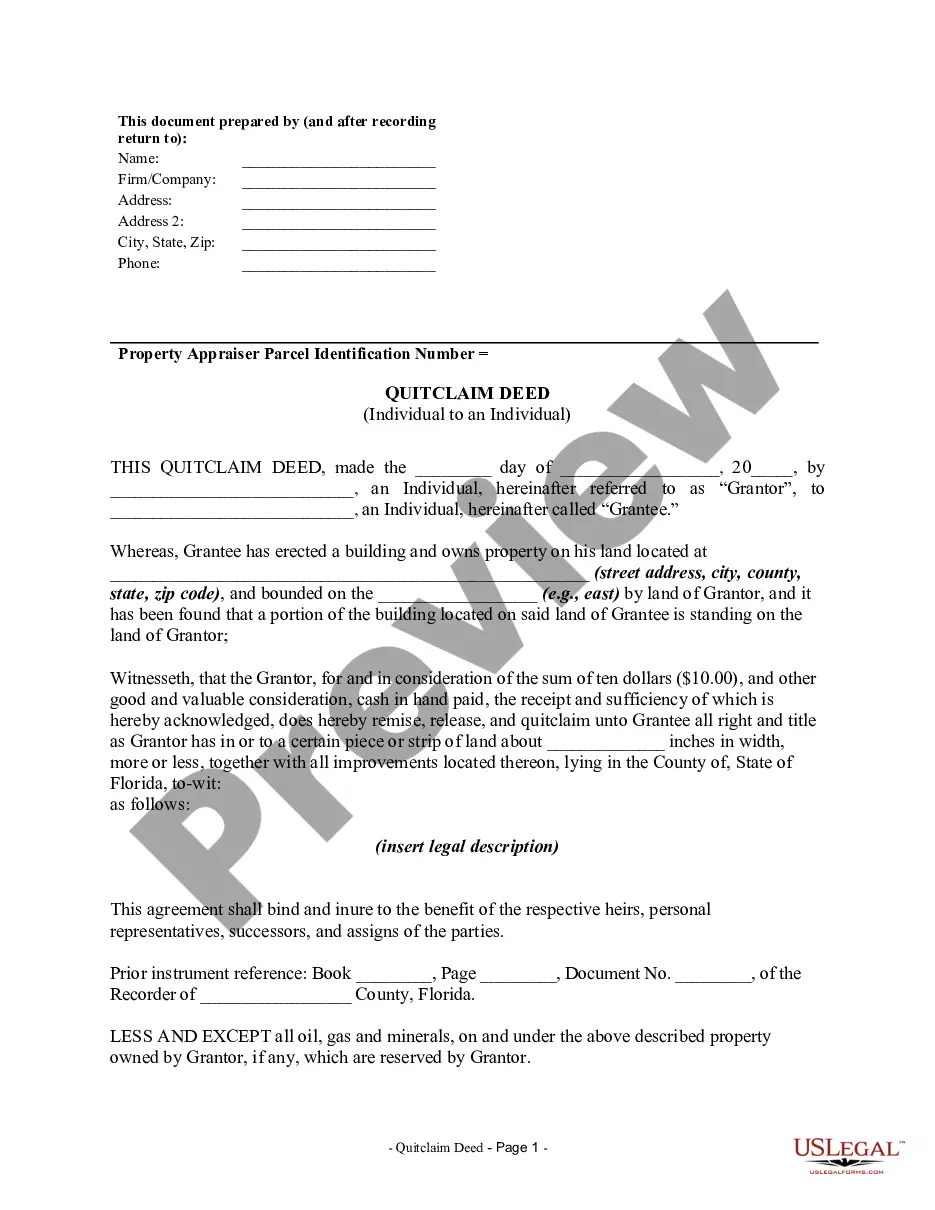
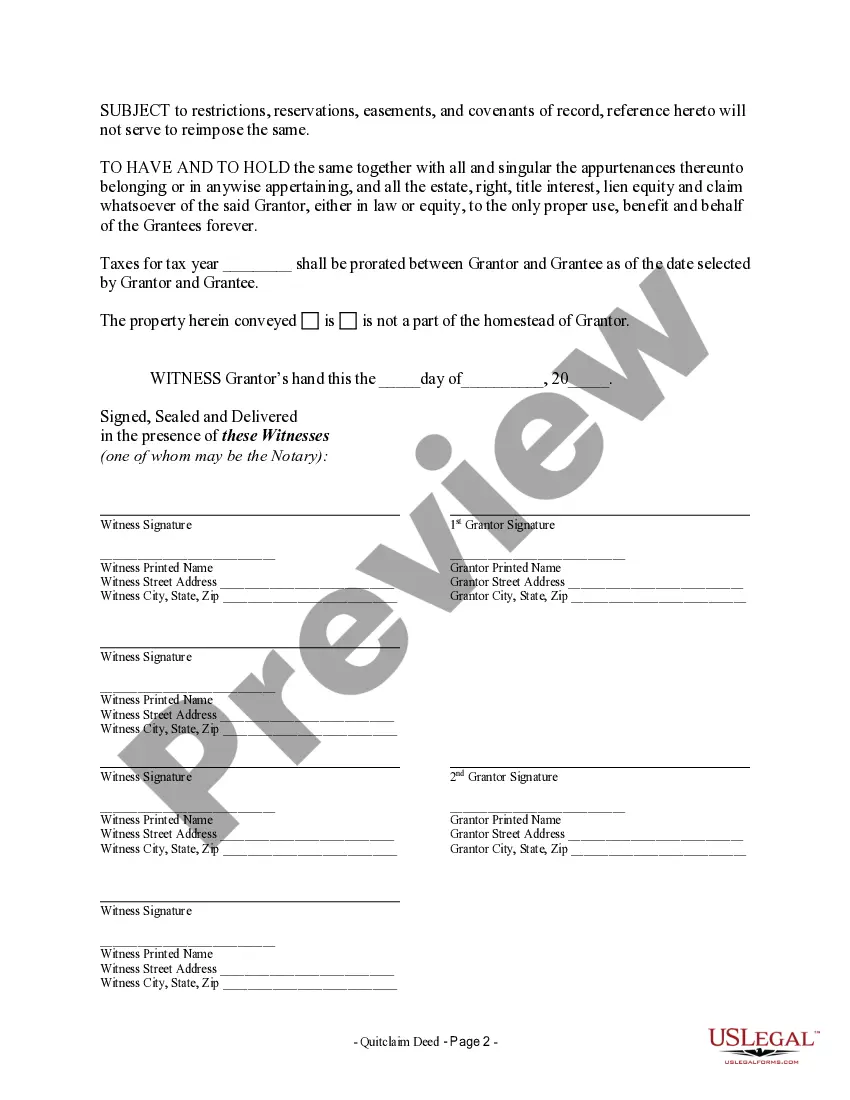
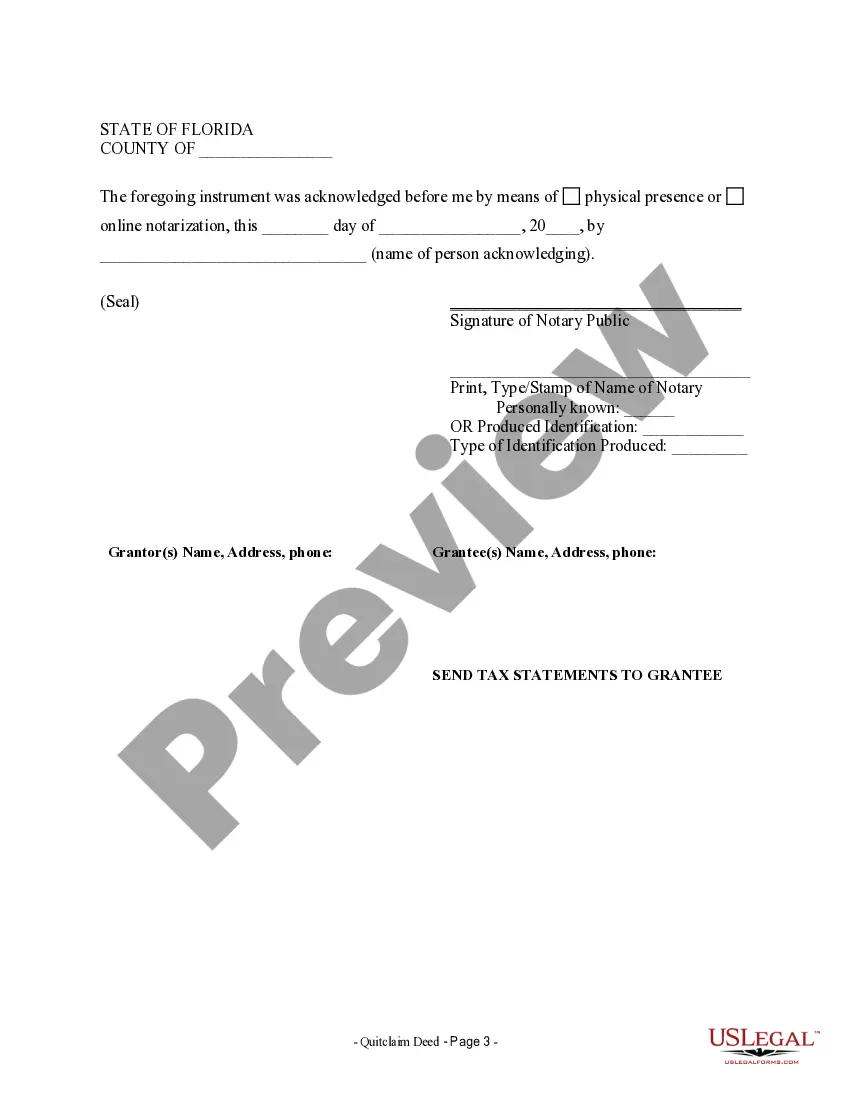
Description
Get your form ready online
Our built-in tools help you complete, sign, share, and store your documents in one place.
Make edits, fill in missing information, and update formatting in US Legal Forms—just like you would in MS Word.
Download a copy, print it, send it by email, or mail it via USPS—whatever works best for your next step.
Sign and collect signatures with our SignNow integration. Send to multiple recipients, set reminders, and more. Go Premium to unlock E-Sign.
If this form requires notarization, complete it online through a secure video call—no need to meet a notary in person or wait for an appointment.
We protect your documents and personal data by following strict security and privacy standards.

Make edits, fill in missing information, and update formatting in US Legal Forms—just like you would in MS Word.

Download a copy, print it, send it by email, or mail it via USPS—whatever works best for your next step.

Sign and collect signatures with our SignNow integration. Send to multiple recipients, set reminders, and more. Go Premium to unlock E-Sign.

If this form requires notarization, complete it online through a secure video call—no need to meet a notary in person or wait for an appointment.

We protect your documents and personal data by following strict security and privacy standards.
Looking for another form?




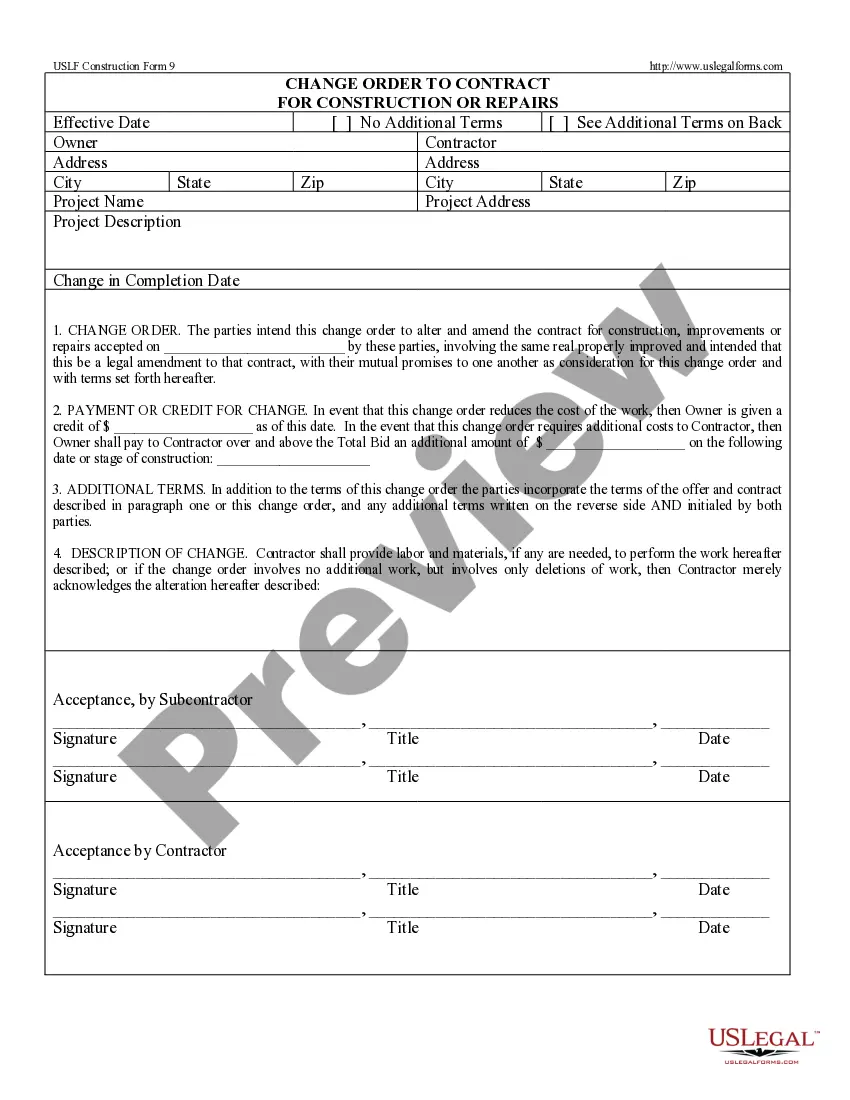



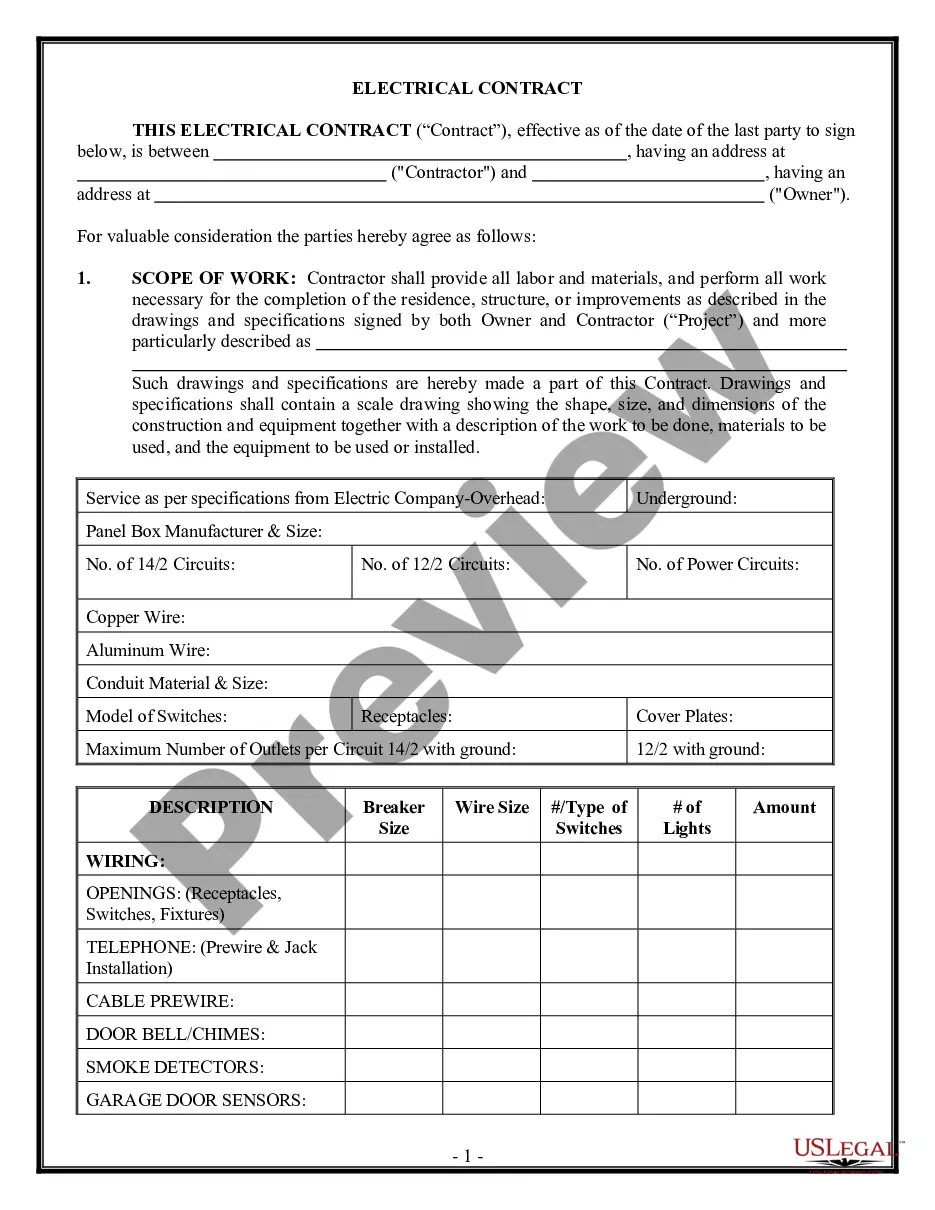
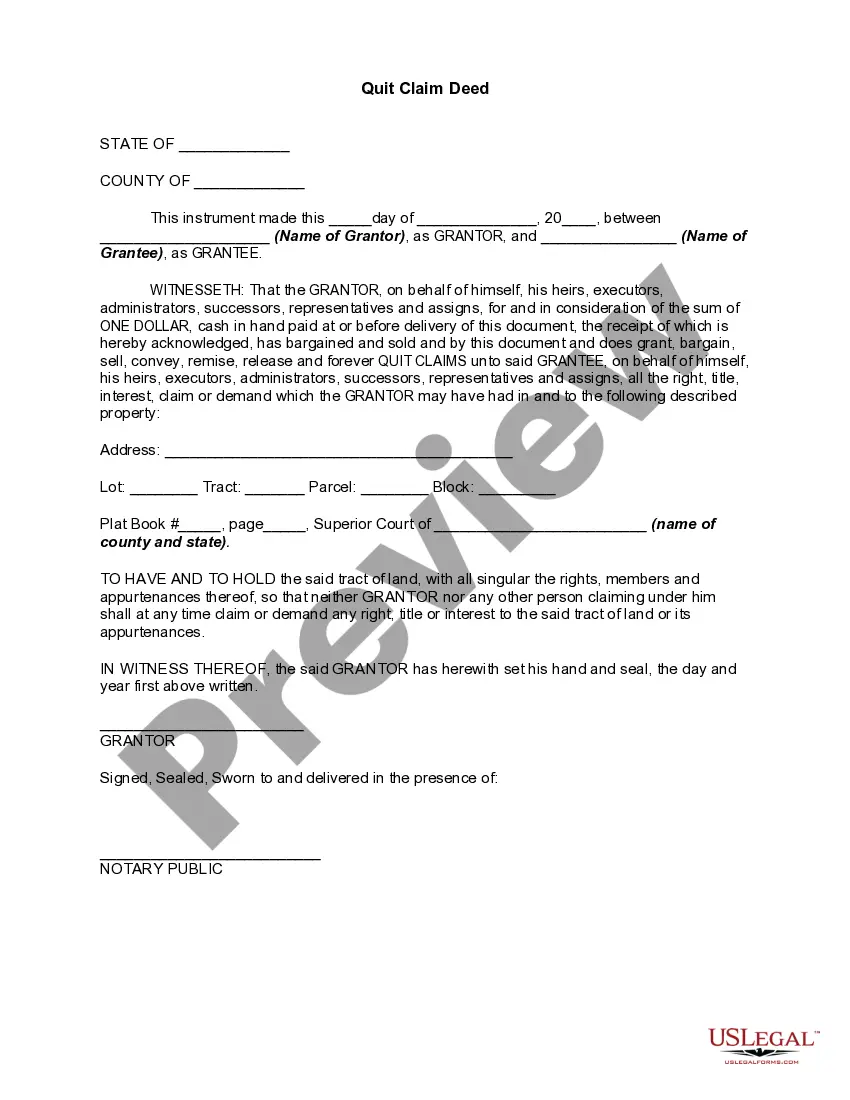
How to fill out Florida Quitclaim Deed Curing Encroachment?
- If you're a returning user, log in to your account, verify your subscription, and download the encroachment permit form instantly by clicking the Download button.
- For first-time users, begin by reviewing the available form descriptions in Preview mode to select the right permit that aligns with your local jurisdiction's requirements.
- If adjustments are necessary, utilize the Search tab to find alternate templates that better meet your specifications.
- Once you find the correct form, proceed to purchase by clicking the Buy Now button and choose your preferred subscription plan, which necessitates account registration for resource access.
- Fill in your billing details to complete your purchase—either enter your credit card information or opt to pay via PayPal.
- Finally, download the completed form to your device for speedy access and future reference, located in the My Forms section of your profile.
By utilizing US Legal Forms, you empower yourself with access to a vast repository of over 85,000 fillable and editable legal documents. This ensures that you can complete your forms accurately, meeting all legal standards.
Take the first step towards securing your encroachment permit today—start your journey with US Legal Forms for a seamless document preparation experience.
Form popularity
FAQ
In trucking, encroachment refers to the unlawful intrusion of a vehicle or cargo into restricted or private areas, such as sidewalks or driveways. This can create safety risks and legal complications for the driver and property owner. Ensuring that your vehicle, especially if it includes a driveway encroachment permit, adheres to local regulations can help avoid fines or legal disputes. It's crucial to understand the importance of complying with these guidelines to protect both your business and the community.
The encroachment law in California protects public property from unauthorized use or construction by individuals. This law provides guidelines on how much and what types of structures can extend into public areas. By following the laws regarding encroachment, especially for your driveway, you ensure compliance and help prevent potential legal issues. Consulting local regulations is essential to understand how this law applies to your specific situation.
An encroachment permit in California is a legal document that allows property owners to extend their private property into public land, such as sidewalks or roadways. Specifically, when addressing driveways, these permits ensure that your encroachment does not interfere with public use and complies with local regulations. By obtaining an encroachment permit for your driveway, you safeguard your property while respecting community guidelines. This process often involves submitting plans and getting approval from local authorities.
Driveway laws in New York focus on safety, accessibility, and zoning compliance. These laws dictate the size, materials, and location of driveways to prevent interference with public spaces. If you're planning a project, obtaining an encroachment permit for driveway work is advisable to navigate these regulations easily. Be proactive and consult your local building department for specific guidelines.
In Maryland, obtaining a permit for a driveway is usually necessary, particularly if it involves changes to existing structures or access to roadways. Each county may have its own regulations, so it’s wise to consult your local office. An encroachment permit for driveway construction may be part of this process if your driveway extends onto public property. It's a good step to ensure your driveway meets all safety requirements.
Generally, a permit is required for constructing a patio in New York, especially if it covers a significant area. Local regulations vary, so it's crucial to verify the requirements with your local building department. If your patio will affect drainage or be near property lines, you may also need an encroachment permit for driveway issues. Planning ahead can help avoid delays in your project.
Yes, in most cases, you need a permit for a driveway in New York. Local authorities require permits to maintain safety and adherence to zoning laws. The process often involves submitting plans and, potentially, obtaining an encroachment permit for driveway modifications if they impact public property. Always check your local government's website for specific requirements before beginning your project.
In New York, the code for driveways typically falls under local zoning laws and building codes. It's essential to check with your specific municipality for detailed specifications. These regulations outline dimensions, materials, and setback requirements. If you plan on building, consider obtaining an encroachment permit for driveway-related projects to ensure compliance.
In California, certain minor home improvements, like painting or landscaping, typically do not require permits. However, any significant work, including driveway installations, requires an encroachment permit for driveway projects to ensure compliance with local laws. Ignoring permit requirements can lead to complications regarding property transfers or community regulations. To ensure you adhere to these rules and make the most informed decisions, consider resources available through US Legal Forms.
If the previous owner of your property didn't obtain the necessary permits, you might be liable for the consequences when you attempt to renovate or sell the home. This situation can lead to fines, and you may have to address any unpermitted construction, including obtaining an encroachment permit for driveway adjustments. It's important to conduct due diligence when purchasing property to understand any potential permit issues. Consulting legal resources like US Legal Forms can help you navigate these circumstances effectively.