Employee Employer
Description
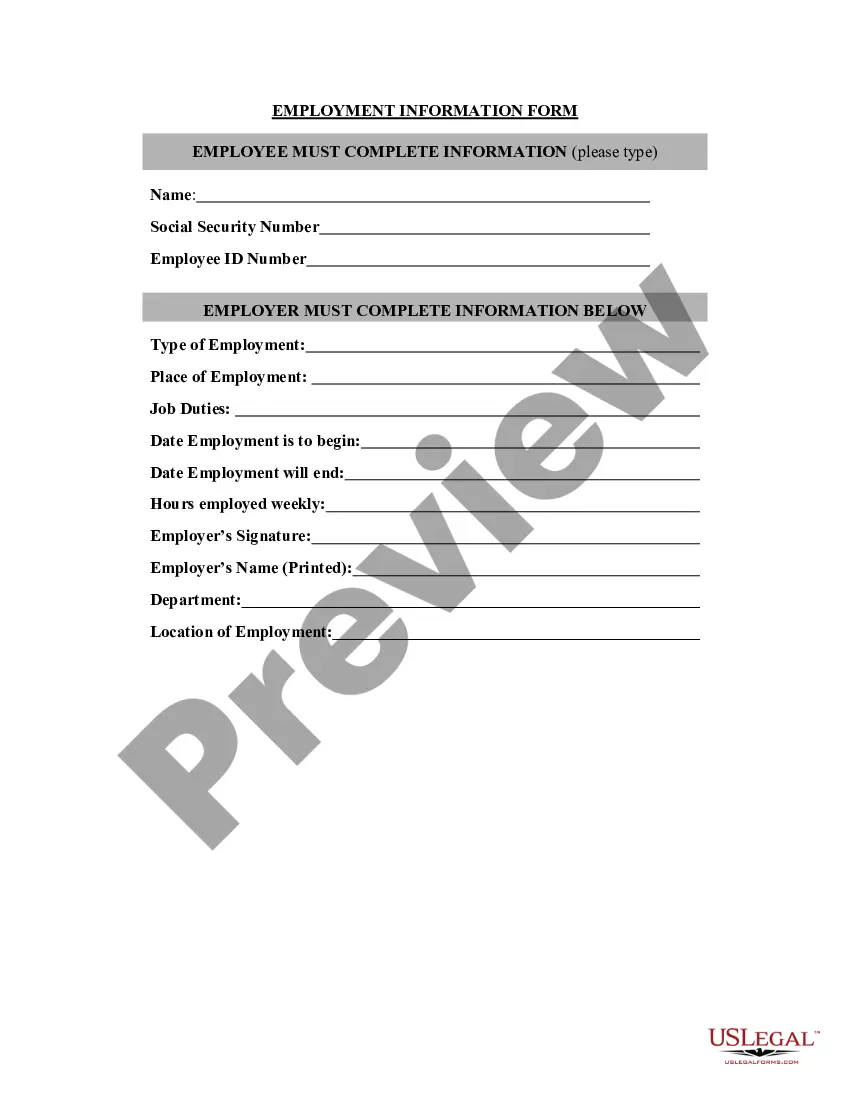
Get your form ready online
Our built-in tools help you complete, sign, share, and store your documents in one place.
Make edits, fill in missing information, and update formatting in US Legal Forms—just like you would in MS Word.
Download a copy, print it, send it by email, or mail it via USPS—whatever works best for your next step.
Sign and collect signatures with our SignNow integration. Send to multiple recipients, set reminders, and more. Go Premium to unlock E-Sign.
If this form requires notarization, complete it online through a secure video call—no need to meet a notary in person or wait for an appointment.
We protect your documents and personal data by following strict security and privacy standards.

Make edits, fill in missing information, and update formatting in US Legal Forms—just like you would in MS Word.

Download a copy, print it, send it by email, or mail it via USPS—whatever works best for your next step.

Sign and collect signatures with our SignNow integration. Send to multiple recipients, set reminders, and more. Go Premium to unlock E-Sign.

If this form requires notarization, complete it online through a secure video call—no need to meet a notary in person or wait for an appointment.

We protect your documents and personal data by following strict security and privacy standards.
Looking for another form?
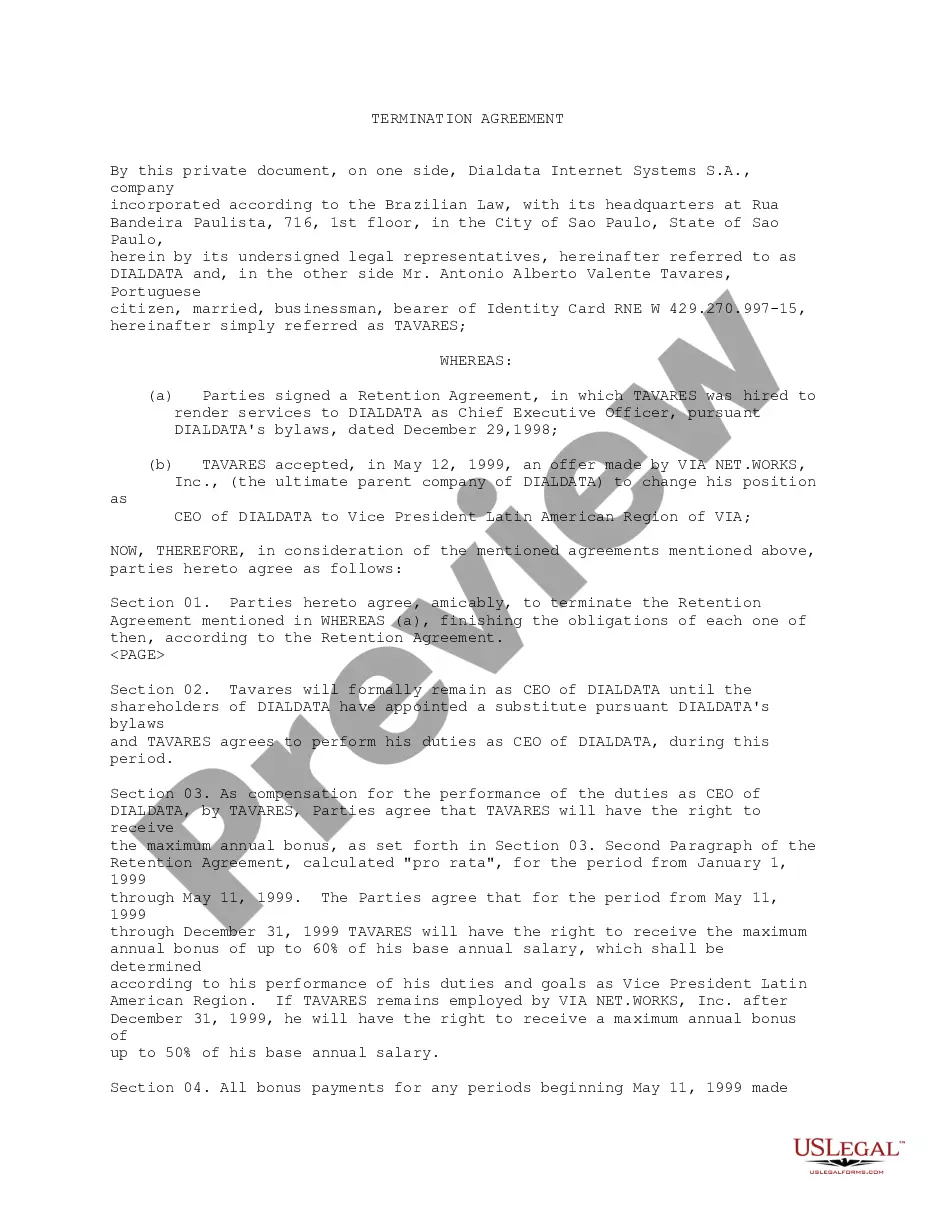



How to fill out District Of Columbia Employment Employee Personnel File Package?
- If you are a returning user, log in to your account on the US Legal Forms website and ensure your subscription is active. If it's expired, renew it based on your payment plan.
- For first-time users, start by selecting the form you need from the online library. Use the Preview mode to view form details and confirm it fits your specific jurisdiction requirements.
- If necessary, utilize the Search tab to find alternate templates that match your requirements. Ensure any discrepancies are resolved before proceeding.
- Once you find the right form, click on the Buy Now button to choose a subscription plan that suits you. You'll need to create an account to access the full library.
- Complete your purchase by entering your payment details using either a credit card or your PayPal account.
- Finally, download the form to your device for easy access and completion. You can find it anytime in the My Forms section of your profile.
In conclusion, US Legal Forms streamlines the process of obtaining legal documents for both employees and employers. With a comprehensive selection and access to expert assistance, securing the right forms has never been easier.
Start your journey to hassle-free legal documentation today with US Legal Forms!
Form popularity
FAQ
When discussing workplace dynamics, it's essential to distinguish between 'employee' and 'employer.' Both terms are integral to the workforce structure, each playing a unique role. The employee executes tasks, while the employer leads the organization. When you recognize these roles, it leads to a more organized and efficient business environment.
The primary difference between an employee and an employer lies in their roles and responsibilities. An employer directs the workforce and oversees business operations, while an employee fulfills specific job functions under the employer's guidance. Understanding this distinction is vital for both parties to navigate workplace interactions effectively. Resources like USLegalForms can help clarify these roles and create formal agreements.
In most cases, the employer serves as the boss in the employee-employer relationship. The employer makes decisions regarding hiring, job responsibilities, and performance evaluations. However, effective management includes considering employee feedback and fostering a collaborative environment. Thus, while the employer holds the position of authority, a successful workplace thrives on mutual respect and communication.
The terms 'employer' and 'employee' refer to two distinct roles in the workplace. The employer is responsible for managing the organization and providing job opportunities, while the employee is the individual hired to perform tasks for the employer. It is essential to recognize both roles to maintain a healthy and productive work relationship. Thus, clarity in the employee-employer relationship benefits everyone involved.
An employer is an individual or organization that hires employees to perform specific duties or jobs. In this relationship, the employer creates a work environment and sets the terms of employment. This includes overseeing work processes, managing operations, and paying employees for their contributions. Understanding the role of an employer is crucial in the employee-employer dynamic.
For 1099 reporting, the employer fills out Form 1099-NEC, which is specifically designed for reporting nonemployee compensation. This form captures payments made to independent contractors and freelancers. Ensuring this form is completed accurately is crucial for both the employer and the employee. By using resources like uslegalforms, employers can streamline this important task.
An employer issues a 1099 form when you receive payment as an independent contractor or freelancer rather than as a traditional employee. This means you are responsible for reporting your own taxes. Employers use the 1099 to report payments made throughout the year, classesifying you outside regular payroll tax systems. Understanding this distinction helps clarify your tax obligations.
Filling out an employee availability form requires you to indicate the days and times you are available to work. Begin by clearly marking your preferred hours and any specific days you cannot work. This fosters clear communication with your employer about your work schedule. Platforms like uslegalforms can provide templates to simplify this process.
Whether you claim 0 or 1 on your W-4 depends on your individual tax situation. Claiming 0 means more tax is withheld, which might be ideal if you expect to owe taxes. On the other hand, claiming 1 allows for less withholding and could give you a larger paycheck. Always consider consulting a tax professional or using a reliable resource to navigate these details.
When you are an employee, you typically fill out forms like the W-4 for your employer. This form lets your employer know how much federal income tax to withhold from your paycheck. Moreover, depending on your state, you may need to complete additional tax forms. Understanding these requirements is essential for a smooth employer-employee relationship.