Power Attorney For Health Care
Description

Get your form ready online
Our built-in tools help you complete, sign, share, and store your documents in one place.
Make edits, fill in missing information, and update formatting in US Legal Forms—just like you would in MS Word.
Download a copy, print it, send it by email, or mail it via USPS—whatever works best for your next step.
Sign and collect signatures with our SignNow integration. Send to multiple recipients, set reminders, and more. Go Premium to unlock E-Sign.
If this form requires notarization, complete it online through a secure video call—no need to meet a notary in person or wait for an appointment.
We protect your documents and personal data by following strict security and privacy standards.

Make edits, fill in missing information, and update formatting in US Legal Forms—just like you would in MS Word.

Download a copy, print it, send it by email, or mail it via USPS—whatever works best for your next step.

Sign and collect signatures with our SignNow integration. Send to multiple recipients, set reminders, and more. Go Premium to unlock E-Sign.

If this form requires notarization, complete it online through a secure video call—no need to meet a notary in person or wait for an appointment.

We protect your documents and personal data by following strict security and privacy standards.
Looking for another form?



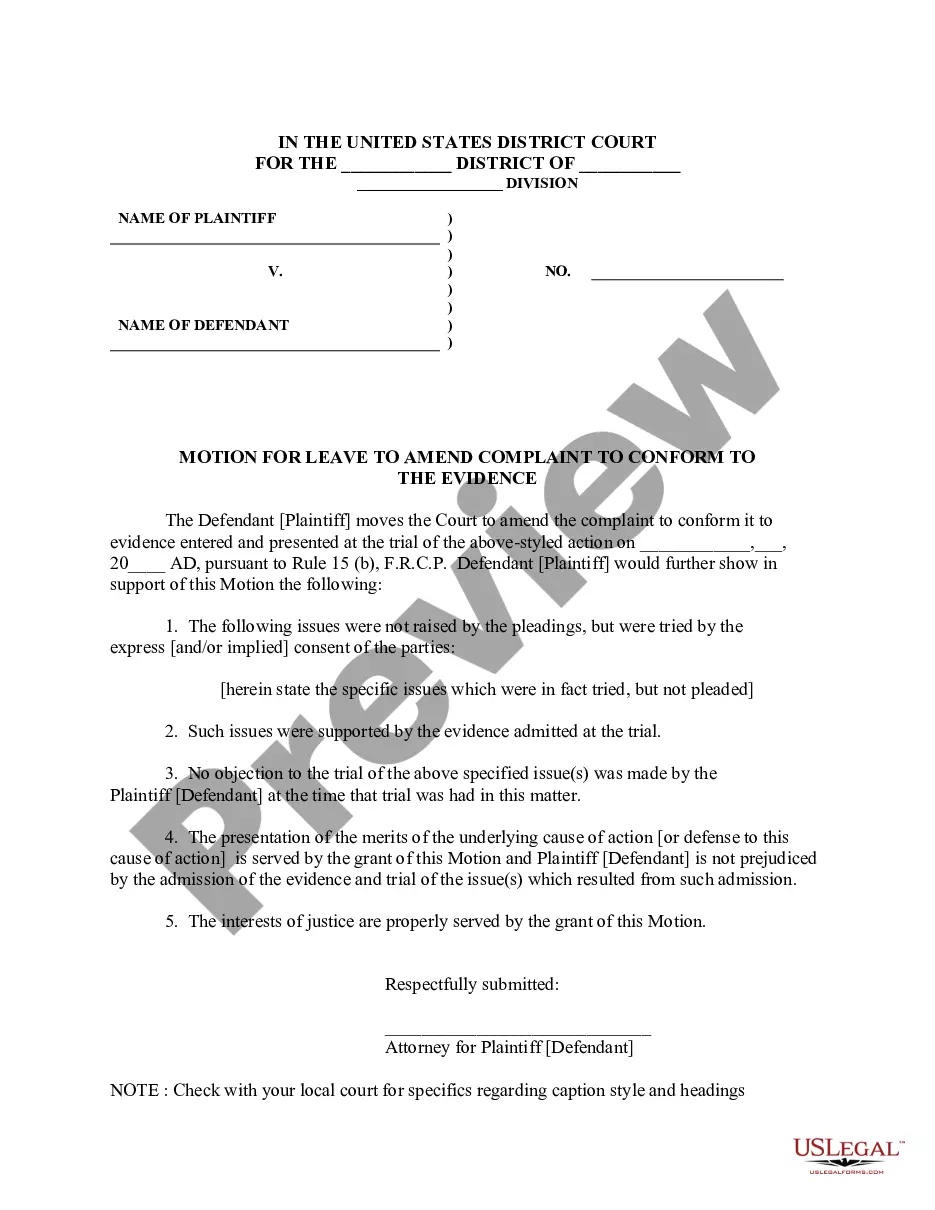
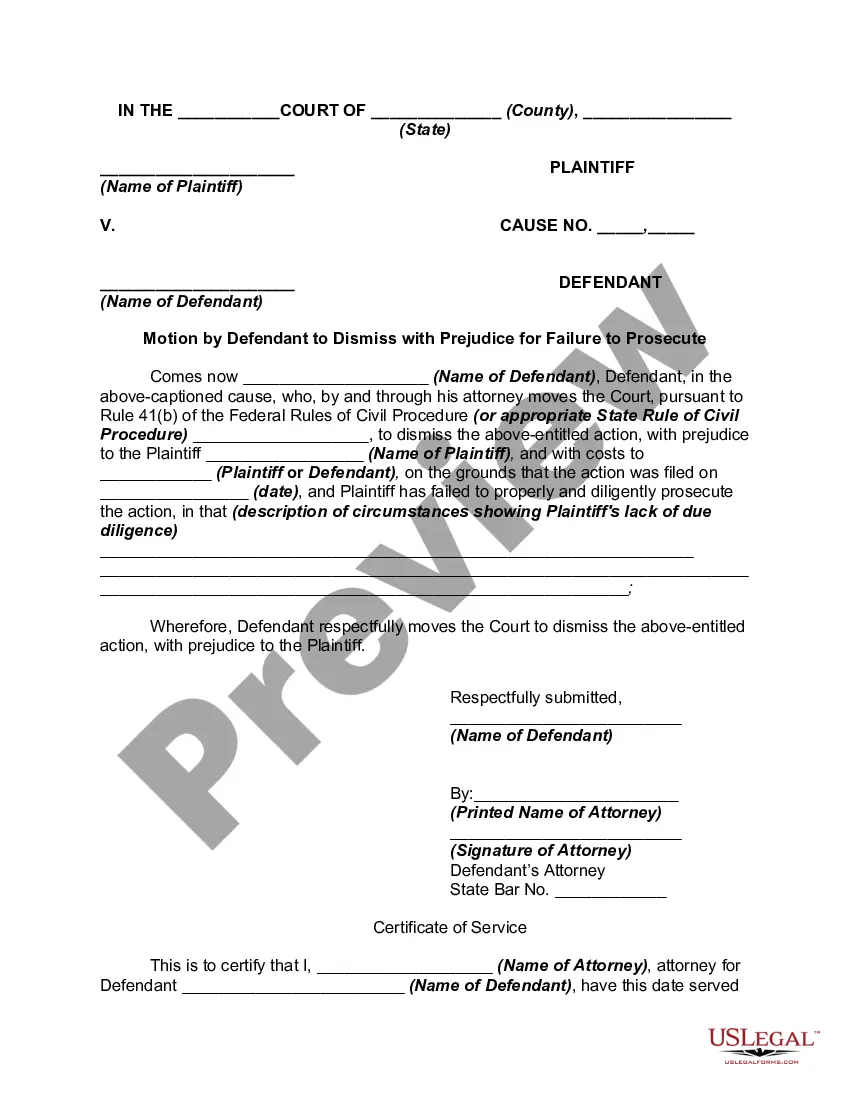




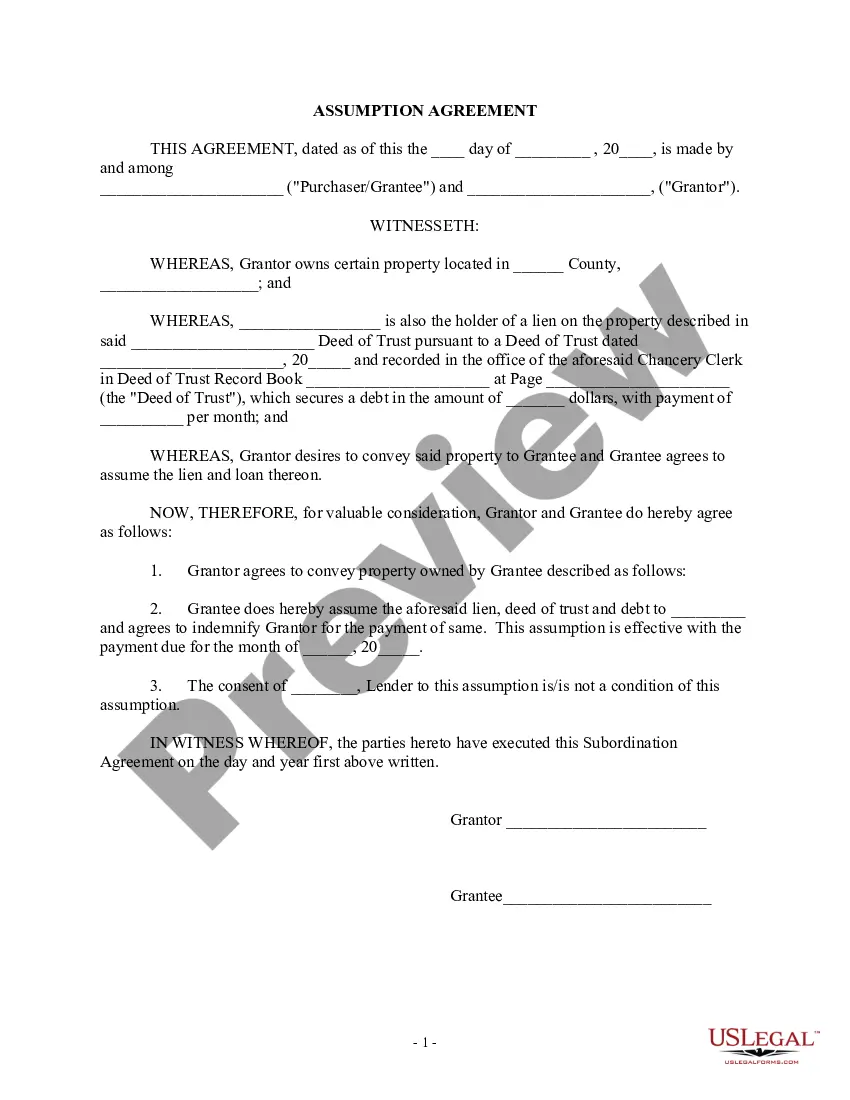
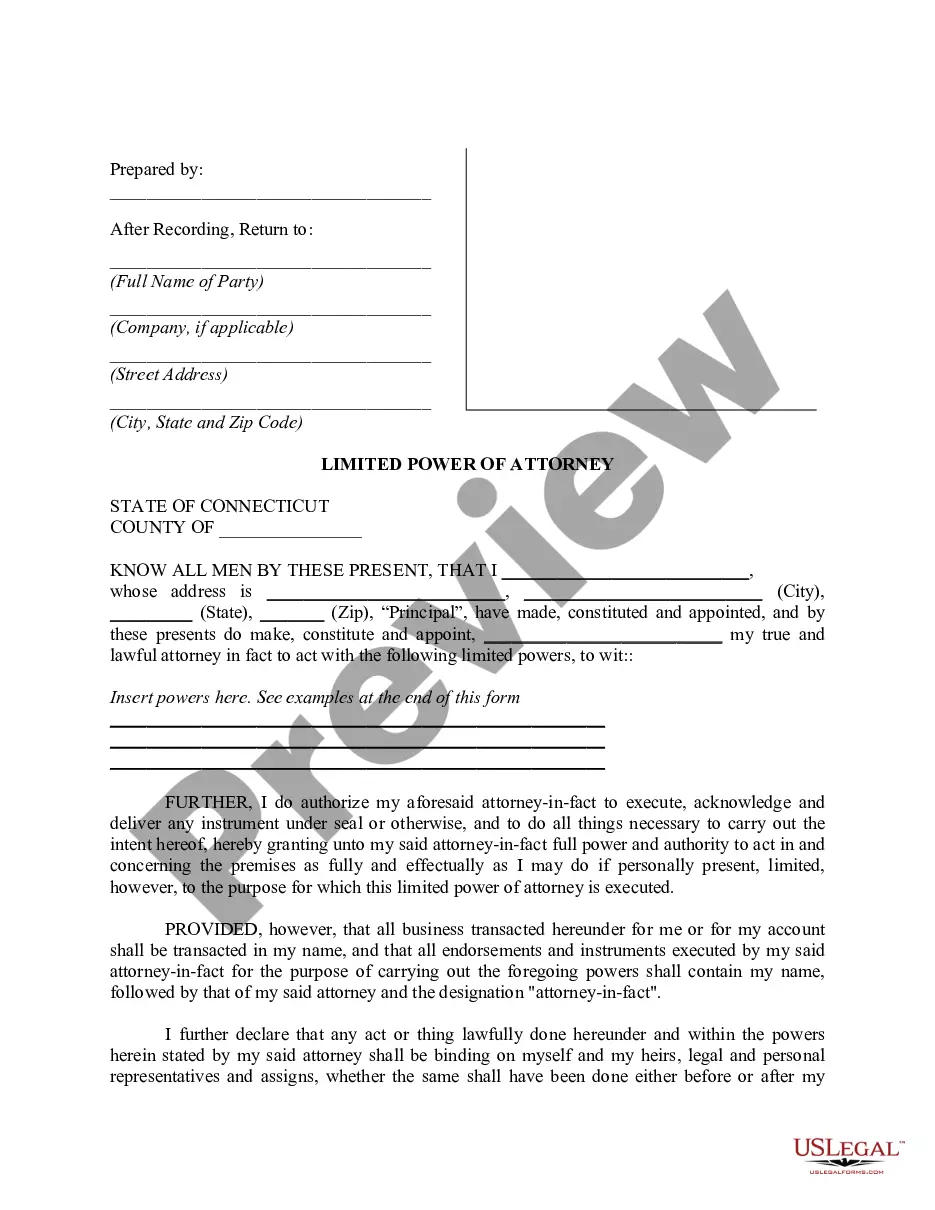
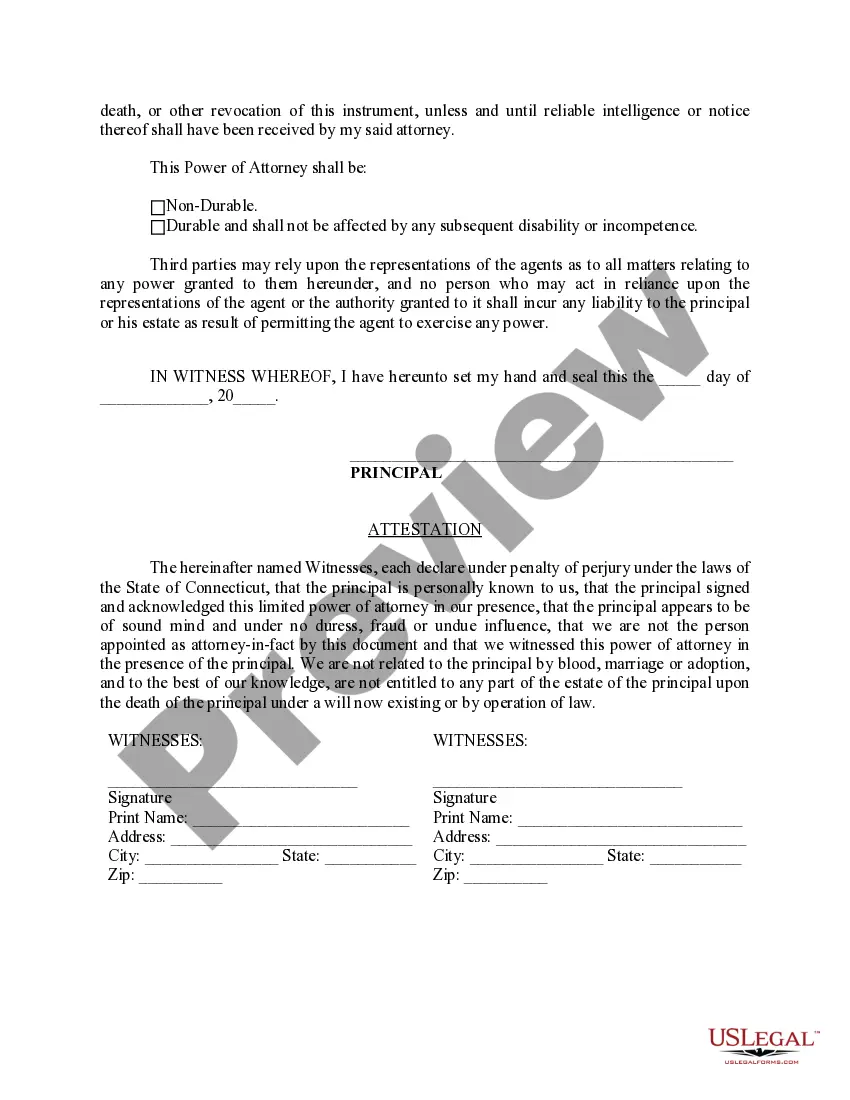
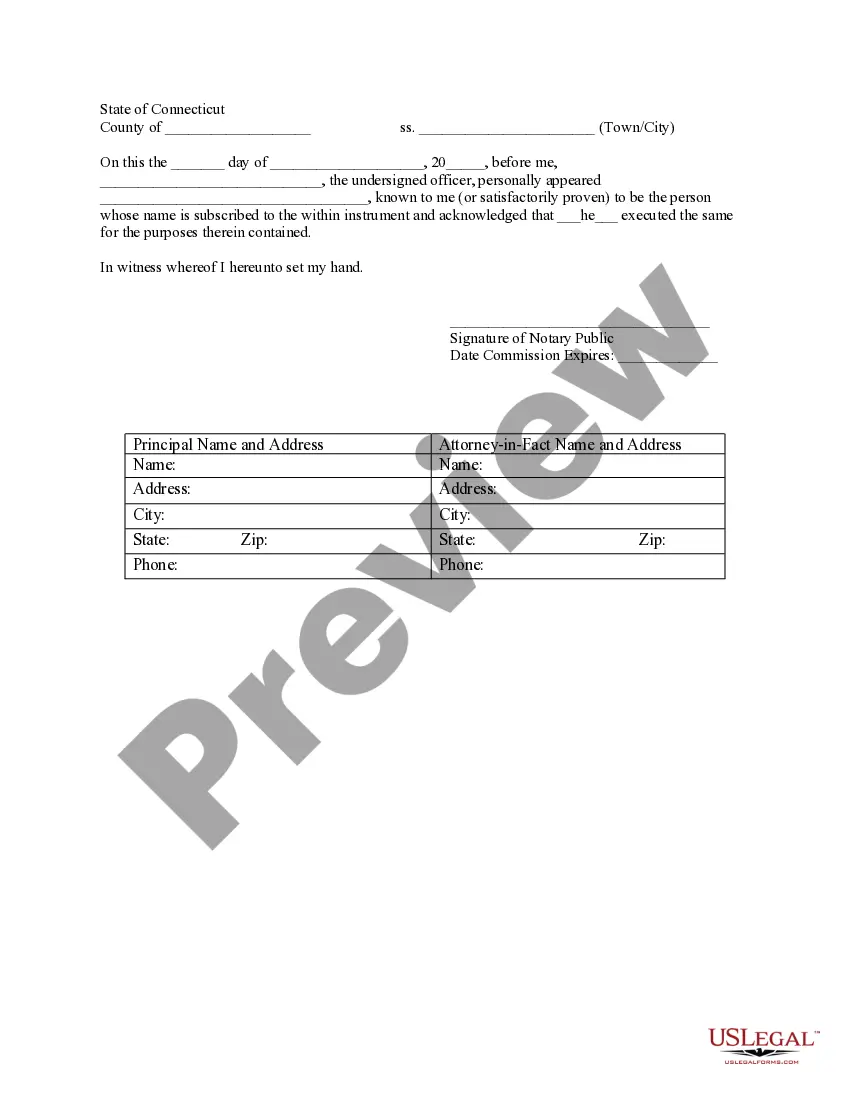
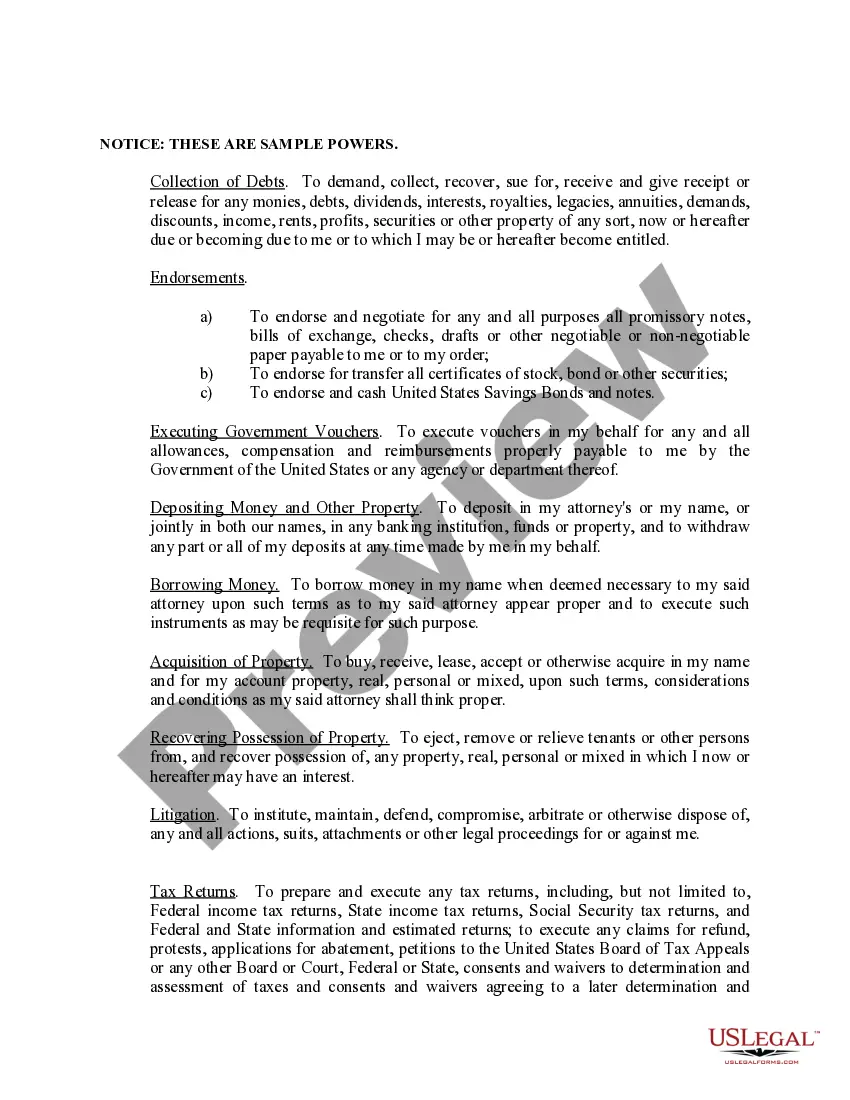
How to fill out Connecticut Limited Power Of Attorney Where You Specify Powers With Sample Powers Included?
- If you're an existing user, log into your account and download the desired form by clicking the Download button. Ensure your subscription is current; renew if necessary.
- For first-time users, begin by browsing the Preview mode and reviewing the form descriptions. Ensure the form meets your specific needs and adheres to your local jurisdiction's requirements.
- If the form isn't suitable, utilize the Search tab to find another template that fits your needs. Select the appropriate option to proceed.
- Purchase the form by clicking on the Buy Now button, and then choose a subscription plan that works best for you. You'll need to create an account to access the full library.
- Complete your purchase by entering your credit card information or using your PayPal account to finalize the subscription.
- After purchasing, download the form directly to your device. You can always access it later through the My Forms section of your profile.
By using US Legal Forms, you benefit from a robust collection of over 85,000 legal documents, more than most competitors offer.
Ensure your documentation is precise and legally sound with expert assistance readily available. Start your legal journey today and empower yourself with the right tools!
Form popularity
FAQ
To invoke a power of attorney for health care, you need to ensure that your designated agent understands their responsibilities and your wishes concerning medical treatment. First, gather your completed and signed document, then present it to your healthcare providers when necessary. It's also helpful to inform your agent about your preferences ahead of time. Platforms like US Legal Forms provide resources to help you prepare and understand the process, ensuring smooth communication when invoking your power attorney for health care.
In Florida, you are not required to hire a lawyer to create a power of attorney for health care. However, consulting with a legal professional can provide guidance and ensure your document meets all legal standards. Using reputable platforms like US Legal Forms can help you create a valid and compliant power attorney for health care without needing extensive legal knowledge. Ultimately, having a lawyer can offer peace of mind, especially when dealing with complex medical decisions.
A healthcare representative is an individual designated to make medical decisions on your behalf when you cannot do so yourself, particularly under a power attorney for health care. This person may be a family member, friend, or trusted advisor whom you trust to uphold your medical preferences. Choosing the right healthcare representative is a critical step in ensuring that your wishes are met during challenging times.
A legal power attorney cannot make decisions regarding divorce, changes to a will, or issues that require a court's involvement, such as adoption. Understanding these limitations is vital when considering who to appoint in your power attorney for health care. Be sure to consult with an attorney to clarify these restrictions and ensure your choices align with your wishes.
In general, a hospital cannot override a power attorney for health care unless the document is invalid or does not comply with state laws. However, hospitals may also seek to ensure that your treatment aligns with ethical and clinical guidelines, which can sometimes lead to complex decisions. Always consult with legal professionals to understand how your power of attorney interacts with healthcare institutions.
A Power of Attorney (POA) encompasses various types of legal responsibilities, whereas a healthcare representative, specifically appointed through a power attorney for health care, focuses exclusively on medical decisions. The healthcare representative acts only in health-related matters, ensuring proper representation in line with your medical wishes. Distinguishing between the two can guide you in selecting the right person for the appropriate role.
One potential downfall of a power attorney for health care is the risk of the agent making decisions that do not align with your wishes. If you do not choose your agent carefully, they may misinterpret or ignore your healthcare preferences. It's crucial to communicate your values and desires clearly to mitigate this risk and ensure that your health care decisions reflect your needs.
A representative acts on behalf of another person, often in informal situations, whereas a power of attorney, especially a power attorney for health care, is a legal document that grants a specific person the authority to make health-related decisions on your behalf. This distinction is essential because a power of attorney is legally binding and can include various health care preferences. Understanding these roles can help you choose the right person for your needs.
A medical power of attorney has limitations, such as not granting authority for certain medical procedures or decisions that go against your stated wishes. It also cannot be used to manage financial matters. To ensure your health care preferences are respected, it's vital to choose the right representative as your power attorney for health care.
The Quizlet distinction is similar to general definitions; a health care power of attorney focuses specifically on medical decisions, while a durable power of attorney encompasses broader legal and financial responsibilities. Understanding these definitions can help you make informed choices regarding your power attorney for health care.