Tenant Landlord Shut With A Fire
Description


Get your form ready online
Our built-in tools help you complete, sign, share, and store your documents in one place.
Make edits, fill in missing information, and update formatting in US Legal Forms—just like you would in MS Word.
Download a copy, print it, send it by email, or mail it via USPS—whatever works best for your next step.
Sign and collect signatures with our SignNow integration. Send to multiple recipients, set reminders, and more. Go Premium to unlock E-Sign.
If this form requires notarization, complete it online through a secure video call—no need to meet a notary in person or wait for an appointment.
We protect your documents and personal data by following strict security and privacy standards.

Make edits, fill in missing information, and update formatting in US Legal Forms—just like you would in MS Word.

Download a copy, print it, send it by email, or mail it via USPS—whatever works best for your next step.

Sign and collect signatures with our SignNow integration. Send to multiple recipients, set reminders, and more. Go Premium to unlock E-Sign.

If this form requires notarization, complete it online through a secure video call—no need to meet a notary in person or wait for an appointment.

We protect your documents and personal data by following strict security and privacy standards.
Looking for another form?





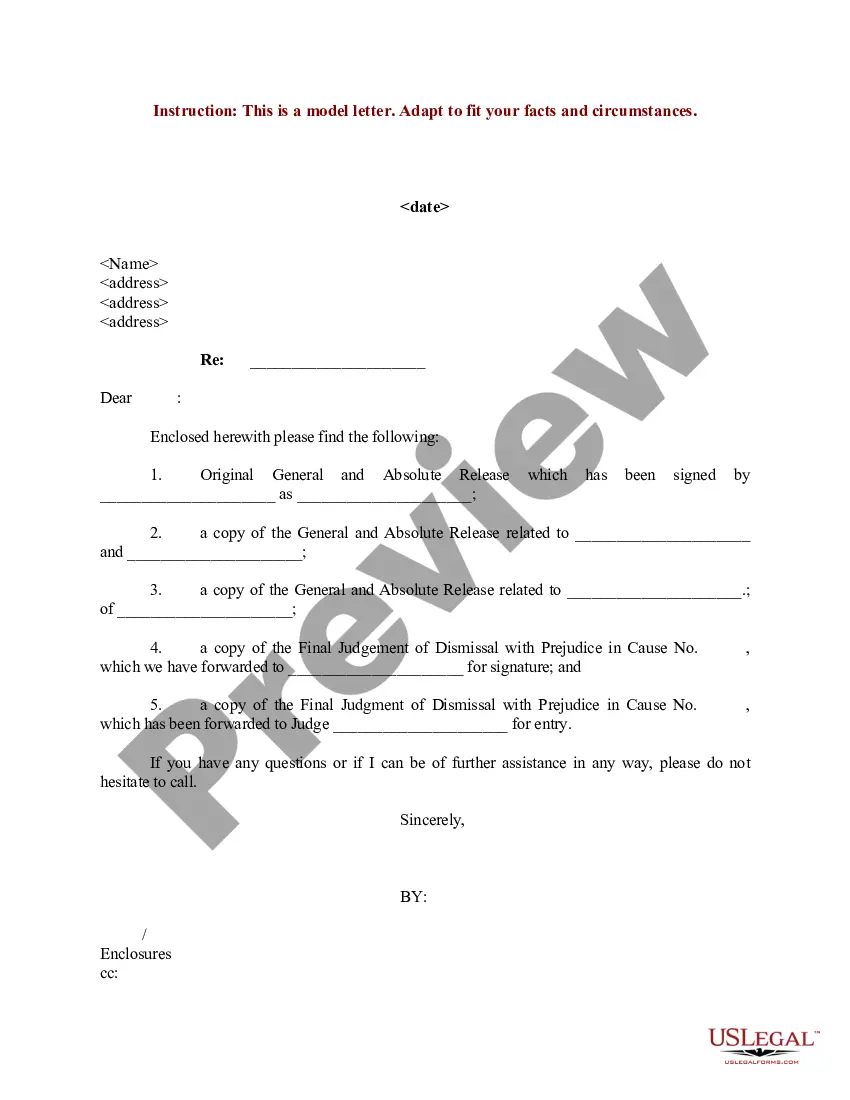



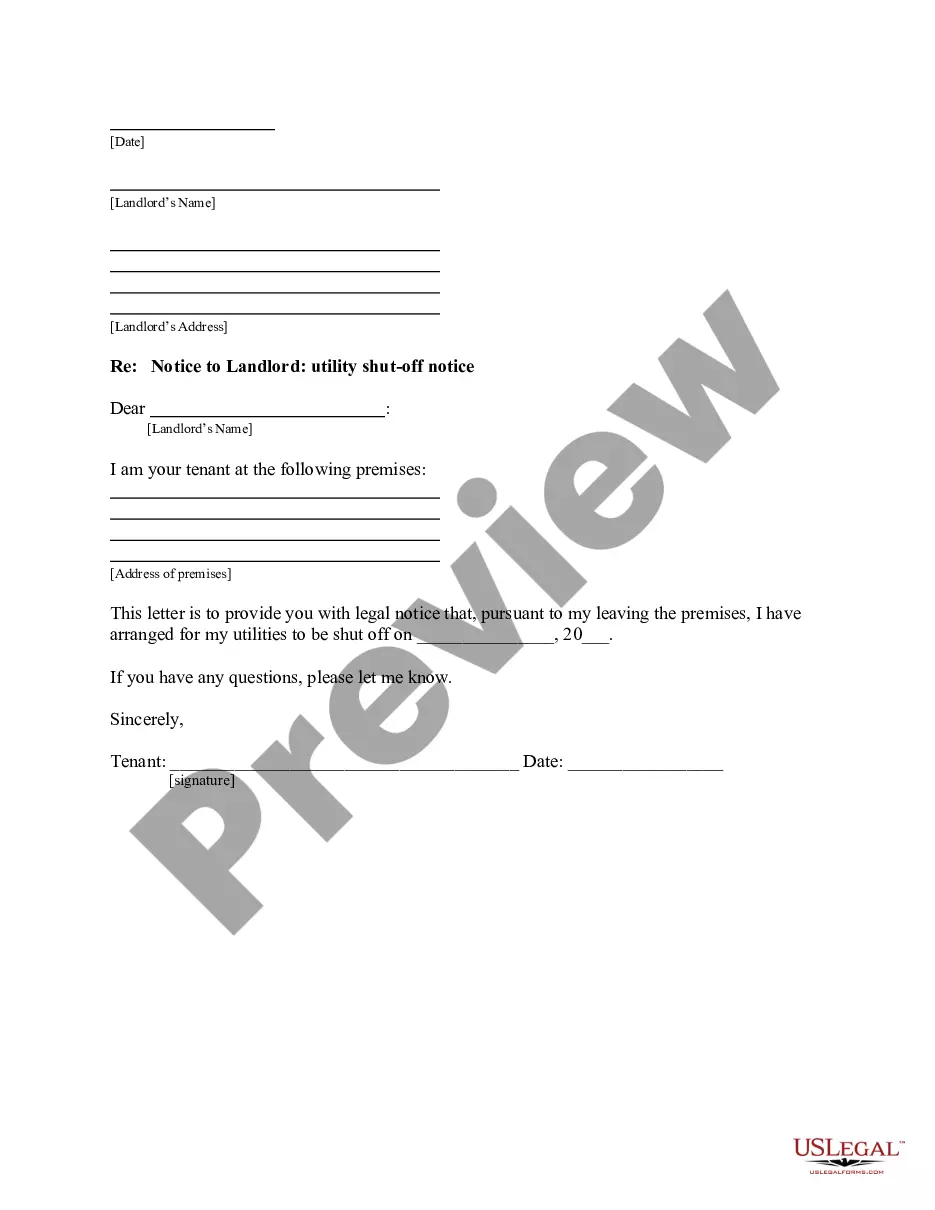
How to fill out Connecticut Letter From Tenant To Landlord - Utility Shut Off Notice To Landlord Due To Tenant Vacating Premises?
- Access the US Legal Forms website and log in to your existing account. Ensure your subscription is up-to-date.
- In the search bar, enter keywords or browse to find the specific form related to tenant landlord issues following a fire incident.
- Take advantage of the preview mode to review the form's details. Confirm that it meets your legal requirements and local jurisdiction.
- If the desired form isn't available, utilize the search functionality for alternative templates that may better suit your needs.
- Once you find the appropriate form, click 'Buy Now' to select your subscription plan and proceed with registration for full access.
- Complete your purchase by entering your payment information via credit card or PayPal.
- After payment, download the form to your device for completion and access it anytime through the 'My Forms' section of your account.
By utilizing US Legal Forms, you'll benefit from an extensive collection of forms that can save you time and ensure your documents are accurate.
Don't hesitate to take control of your legal needs today. Visit US Legal Forms to get started!
Form popularity
FAQ
After a fire occurs, a Texas landlord has a responsibility to assess the damage and communicate with tenants regarding housing solutions. They must also begin repairs promptly, ensuring the property is safe for reentry. Understanding the tenant landlord shut with a fire implications helps landlords fulfill their obligations and provide support to affected tenants effectively.
If a tenant is responsible for a fire that destroys a rental property, landlords must follow specific legal protocols in Texas. They may seek damages for repairs and losses, but this process often involves legal complexities. Navigating the tenant landlord shut with a fire situation can be challenging; utilizing platforms like uslegalforms can guide you through the necessary documentation and legal options.
In Texas, landlords must provide safe and habitable living conditions, ensuring that properties comply with health and safety codes. This includes functioning utilities, adequate sanitation, and secure entrances. Following a fire, it's vital a landlord communicates clearly with tenants on how they will address repairs and safety measures within the context of a tenant landlord shut with a fire.
After a house fire, prioritize safety by ensuring everyone is out of the building and accounted for. Contact emergency services right away to report the fire and seek medical attention for anyone injured. Then, notify your landlord about the situation to discuss next steps, as the tenant landlord shut with a fire presents unique legal considerations that need to be addressed.
As a tenant in Tennessee, you have specific legal rights that protect you in various situations, including when dealing with a tenant landlord shut with a fire. You have the right to live in a safe and habitable environment, which means your landlord must address serious issues like fire hazards promptly. If your landlord fails to maintain the property or address fire safety, you may have grounds to take legal action. Consider using US Legal Forms to access the necessary documents and guidance to assert your rights and ensure you are properly protected.
To report a landlord in Indiana, tenants should first gather evidence of the issue, be it related to safety regulations or living conditions. The Indiana Housing and Community Development Authority allows tenants to file complaints against landlords not meeting their obligations. Additionally, tenants can seek assistance through legal aid services or the uslegalforms platform for guidance on proper reporting procedures. This way, tenants can ensure their rights are upheld effectively.
During a tenant-landlord shut with a fire, landlords may not always be legally obligated to provide alternative accommodation. While some leases include clauses for such situations, many do not. Tenants should check their lease agreements and state laws to understand their options. Legal advice may be beneficial for those unsure of their rights regarding temporary housing.
In a tenant-landlord shut with a fire situation, landlords are typically not responsible for damage caused by tenant negligence or misuse of property. They are also not responsible for personal belongings lost or damaged during such events. It's crucial for tenants to have renters' insurance to cover personal items. Understanding these limitations can help tenants navigate their rights and responsibilities effectively.
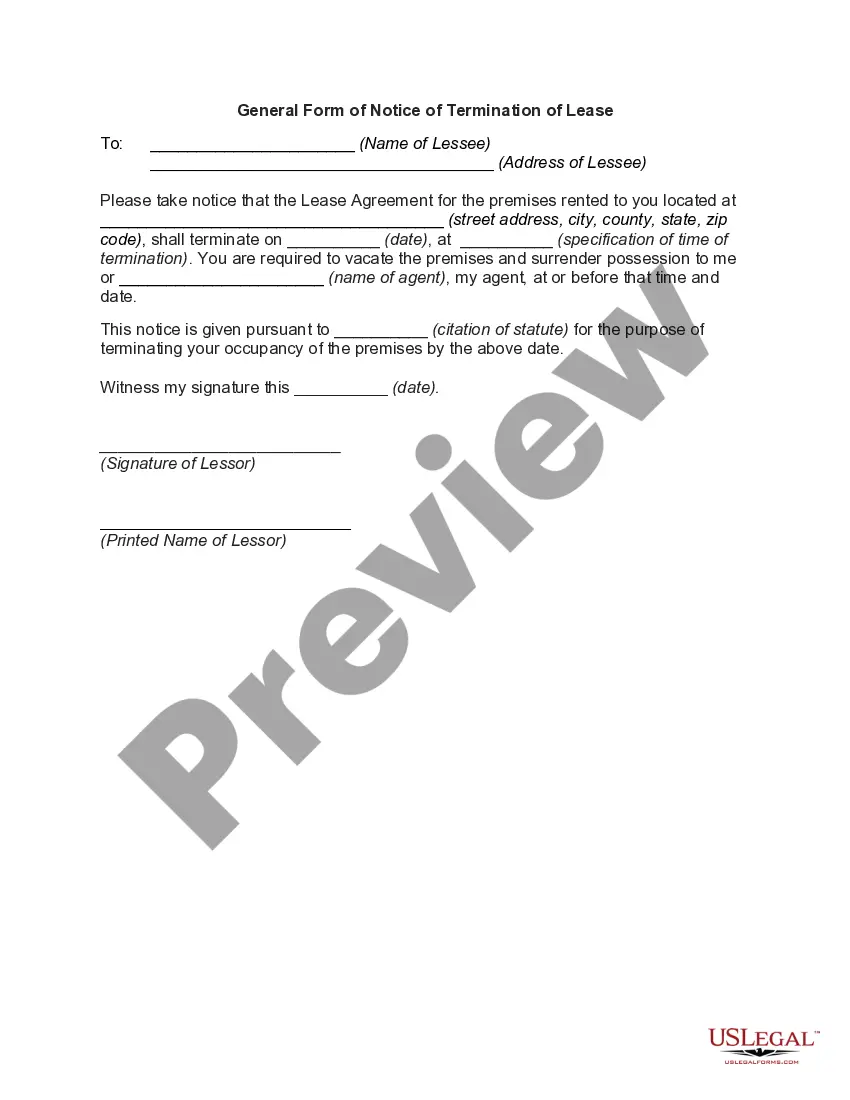
To write a letter for termination to your landlord, include your name and address at the top, followed by the date and your landlord’s details. Clearly state your desire to terminate the lease and provide the reasons if relevant, such as issues stemming from a tenant landlord shut with a fire. Close the letter by requesting acknowledgment of your termination request.
In your letter to the landlord about moving out, start with your information, the date, and your landlord's contact details. Clearly state that you are giving notice to move out, mention the date, and include any relevant reasons, such as safety concerns from a tenant landlord shut with a fire, if necessary. Ensure you request a final inspection of the property before you leave.