Tenant Landlord Shut For No Reason
Description


Get your form ready online
Our built-in tools help you complete, sign, share, and store your documents in one place.
Make edits, fill in missing information, and update formatting in US Legal Forms—just like you would in MS Word.
Download a copy, print it, send it by email, or mail it via USPS—whatever works best for your next step.
Sign and collect signatures with our SignNow integration. Send to multiple recipients, set reminders, and more. Go Premium to unlock E-Sign.
If this form requires notarization, complete it online through a secure video call—no need to meet a notary in person or wait for an appointment.
We protect your documents and personal data by following strict security and privacy standards.

Make edits, fill in missing information, and update formatting in US Legal Forms—just like you would in MS Word.

Download a copy, print it, send it by email, or mail it via USPS—whatever works best for your next step.

Sign and collect signatures with our SignNow integration. Send to multiple recipients, set reminders, and more. Go Premium to unlock E-Sign.

If this form requires notarization, complete it online through a secure video call—no need to meet a notary in person or wait for an appointment.

We protect your documents and personal data by following strict security and privacy standards.
Looking for another form?





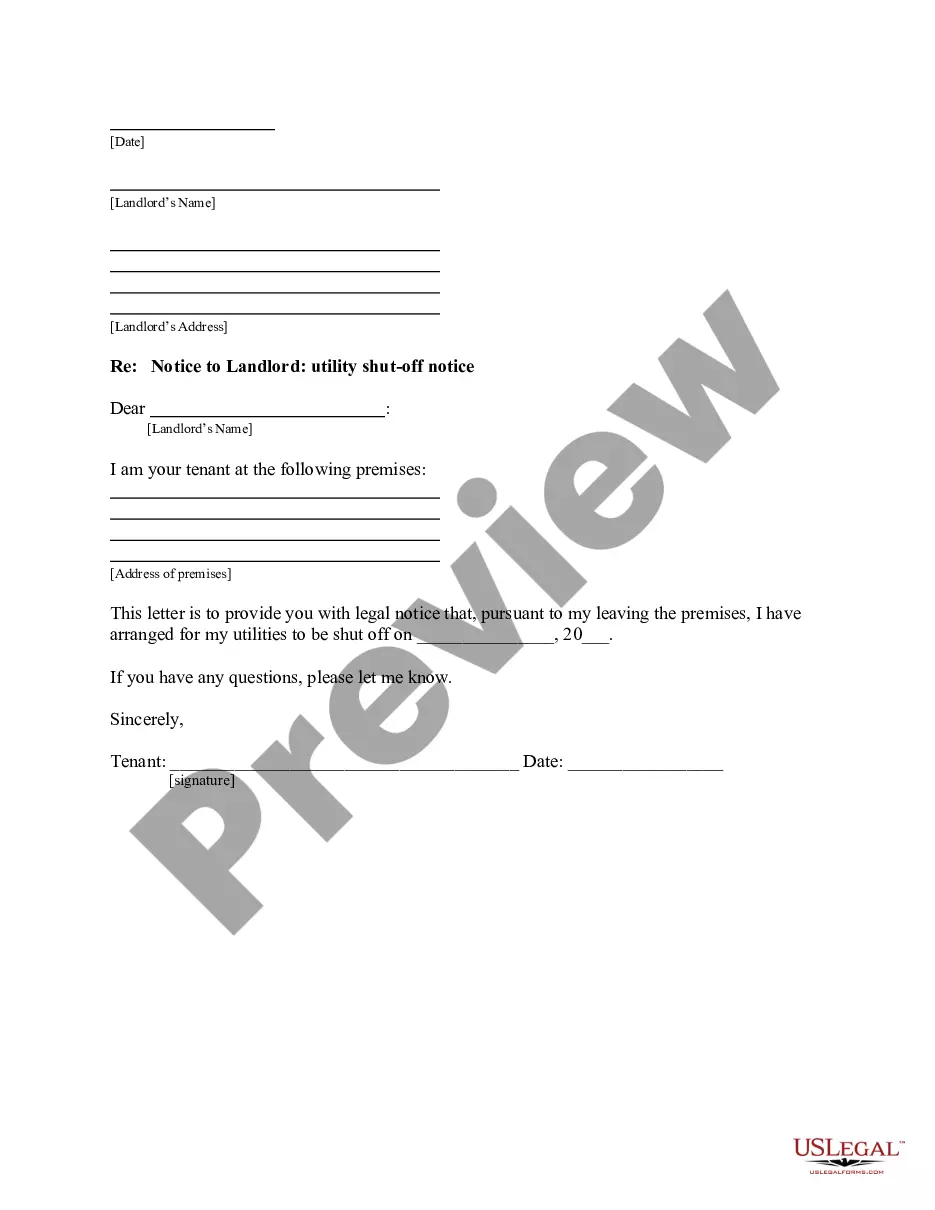
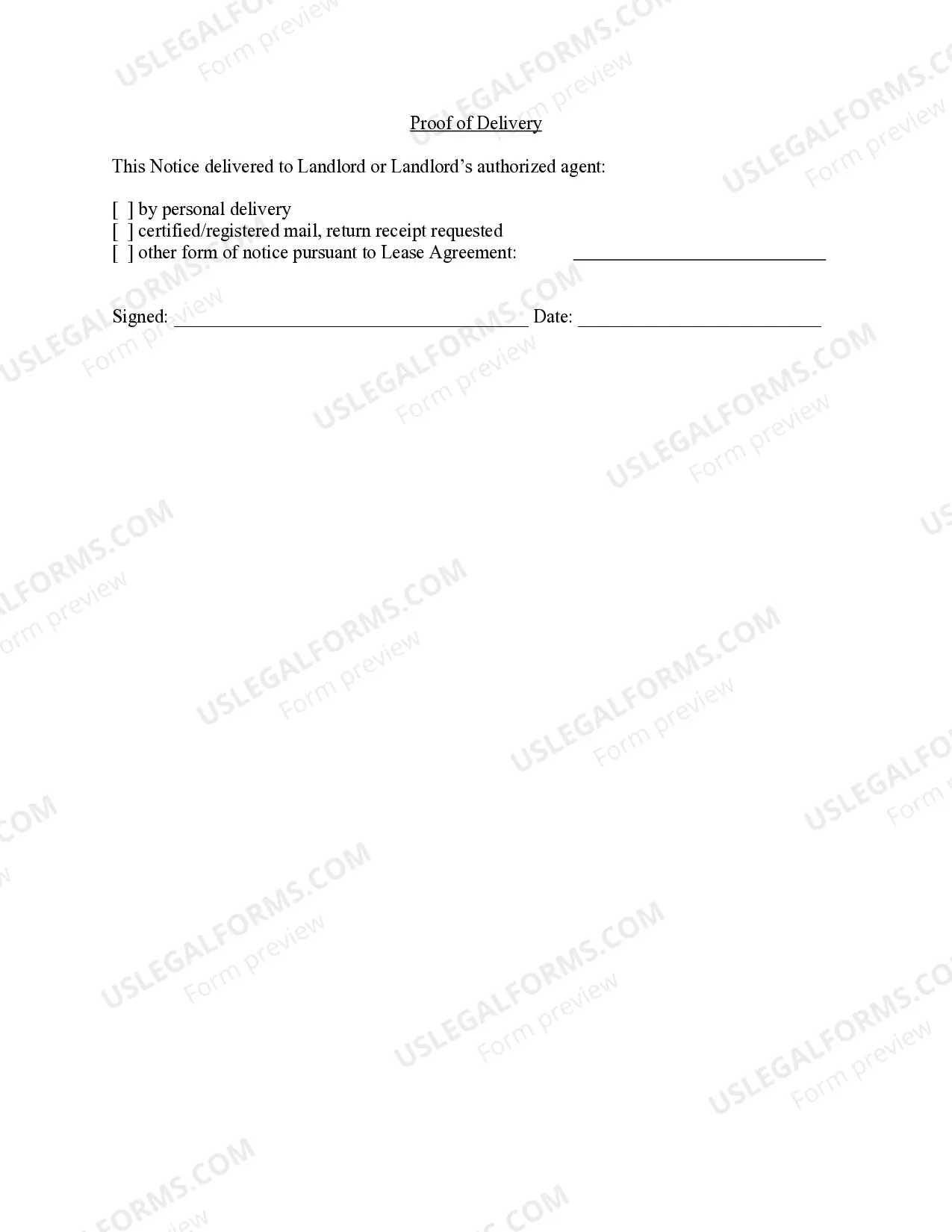
How to fill out Connecticut Letter From Tenant To Landlord - Utility Shut Off Notice To Landlord Due To Tenant Vacating Premises?
- If you're a returning user, log in to your account to download your needed form template by clicking the Download button. Ensure your subscription is active and valid.
- For new users, start by reviewing the form preview and description to confirm that it aligns with your requirements and adheres to local jurisdiction laws.
- If you need to adjust your selection, utilize the Search tab at the top to find an appropriate template. Proceed only when you find a suitable match.
- Make your purchase by clicking the Buy Now button and selecting your preferred subscription plan. Register an account to unlock the library's resources.
- Complete your transaction by entering your payment details either through credit card or PayPal.
- After your purchase, download the form to your device, making it easily accessible for completion under the My Forms section of your account anytime.
By using US Legal Forms, individuals and attorneys can efficiently handle legal matters with a vast array of over 85,000 fillable forms. Plus, premium support ensures your documents are correctly completed.
Take control of your tenant or landlord issues today. Explore US Legal Forms and access the legal resources you need to empower yourself. Start now!
Form popularity
FAQ
To report a landlord in Chicago, you can contact the Department of Buildings or file a complaint with the Chicago Housing Authority. Ensure you gather all relevant documentation, including photos and correspondence. If you believe you have experienced a tenant landlord shut for no reason, utilizing the resources on uslegalforms can help structure your complaint effectively.
Landlord negligence occurs when a landlord fails to fulfill their duties, such as maintaining safe living conditions, and this failure endangers your health or safety. Scenarios like improper repairs or ignoring serious complaints can qualify as negligence. Legal avenues are available to address these concerns, particularly for tenants facing a tenant landlord shut for no reason, and uslegalforms can help you find the right path.
Yes, you can sue your landlord after moving out, particularly if you face unresolved issues such as property damage or security deposit disputes. It's essential to document your experiences and seek legal advice to strengthen your case. Our platform, uslegalforms, provides valuable resources that explain your rights and help you navigate lawsuits effectively.
The timeframe in which you can sue your landlord after moving out varies but is typically within five years in Illinois for most claims. However, specific situations, like security deposit disputes, may have shorter limits. If you're facing a tenant landlord shut for no reason, it's crucial to act swiftly and consider using uslegalforms to understand your options.
To file a lawsuit against a landlord, start by gathering documentation, such as lease agreements and communication records. It’s important to familiarize yourself with local laws regarding tenant rights and landlord obligations. Uslegalforms offers templates and guidance to effectively navigate this process, especially if you experience a tenant landlord shut for no reason.
In Illinois, you can sue your landlord for several reasons, including failure to maintain habitable living conditions or improper eviction practices. If your landlord has unlawfully shut you out or violated your tenant rights, legal options exist. You can utilize resources from uslegalforms to guide you through the lawsuit process.
The new law for landlords in Illinois addresses tenants' rights and responsibilities, especially regarding eviction processes. It emphasizes that a tenant cannot be unjustly evicted or shut out by their landlord without due cause. This law supports those facing a tenant landlord shut for no reason, ensuring fair treatment and legal recourse.
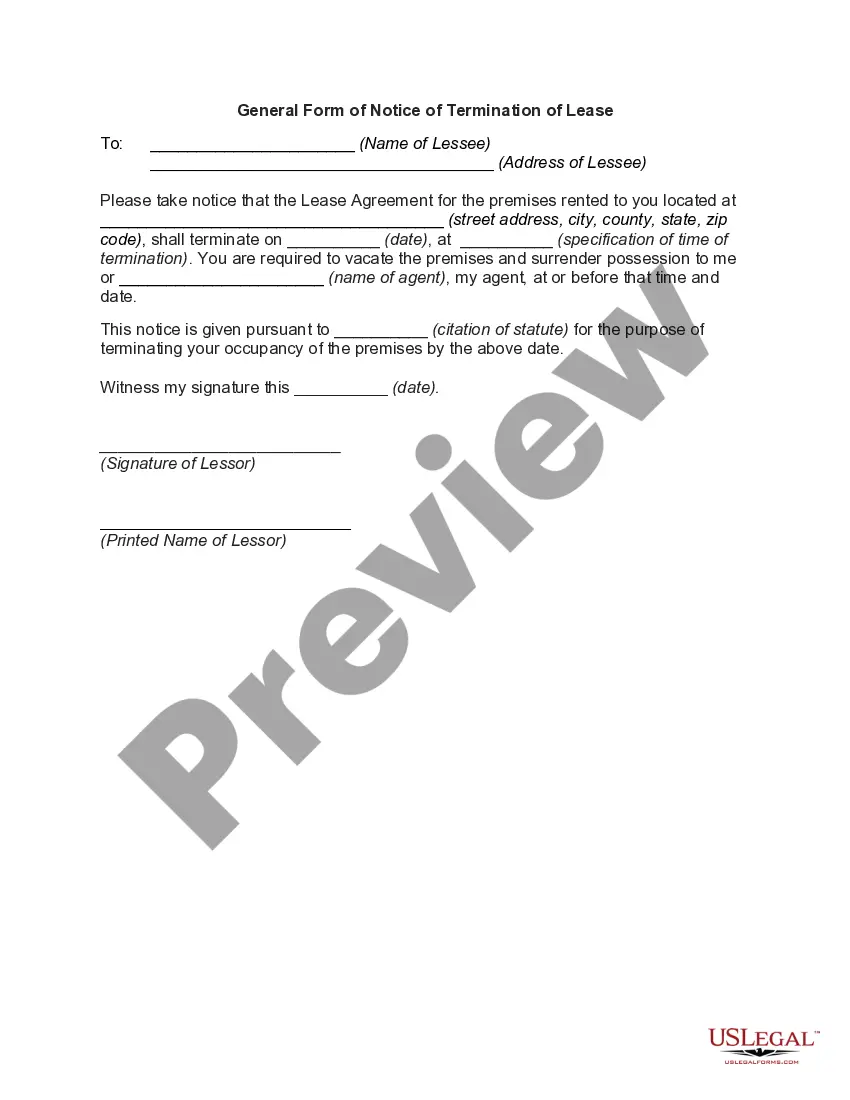
A no fault just cause termination occurs when a landlord ends a tenancy without blaming the tenant for any specific issue. This type of termination can lead to what may seem like a tenant landlord shut for no reason. Understanding this concept can help you better prepare for potential rental agreements and terminations.
In Connecticut, renters have specific rights that protect them from unjust evictions, discrimination, and unsafe living conditions. Tenants have the right to a habitable living environment and protection from sudden tenant landlord shut for no reason. Familiarizing yourself with these rights can empower you as a renter and ensure you are treated fairly.
While landlords can evict tenants for various reasons, they typically must follow legal procedures and, in many jurisdictions, provide a reason. If you believe a tenant landlord shut for no reason is occurring, it’s crucial to know your rights and local laws. Legal resources are available to help you navigate this process.