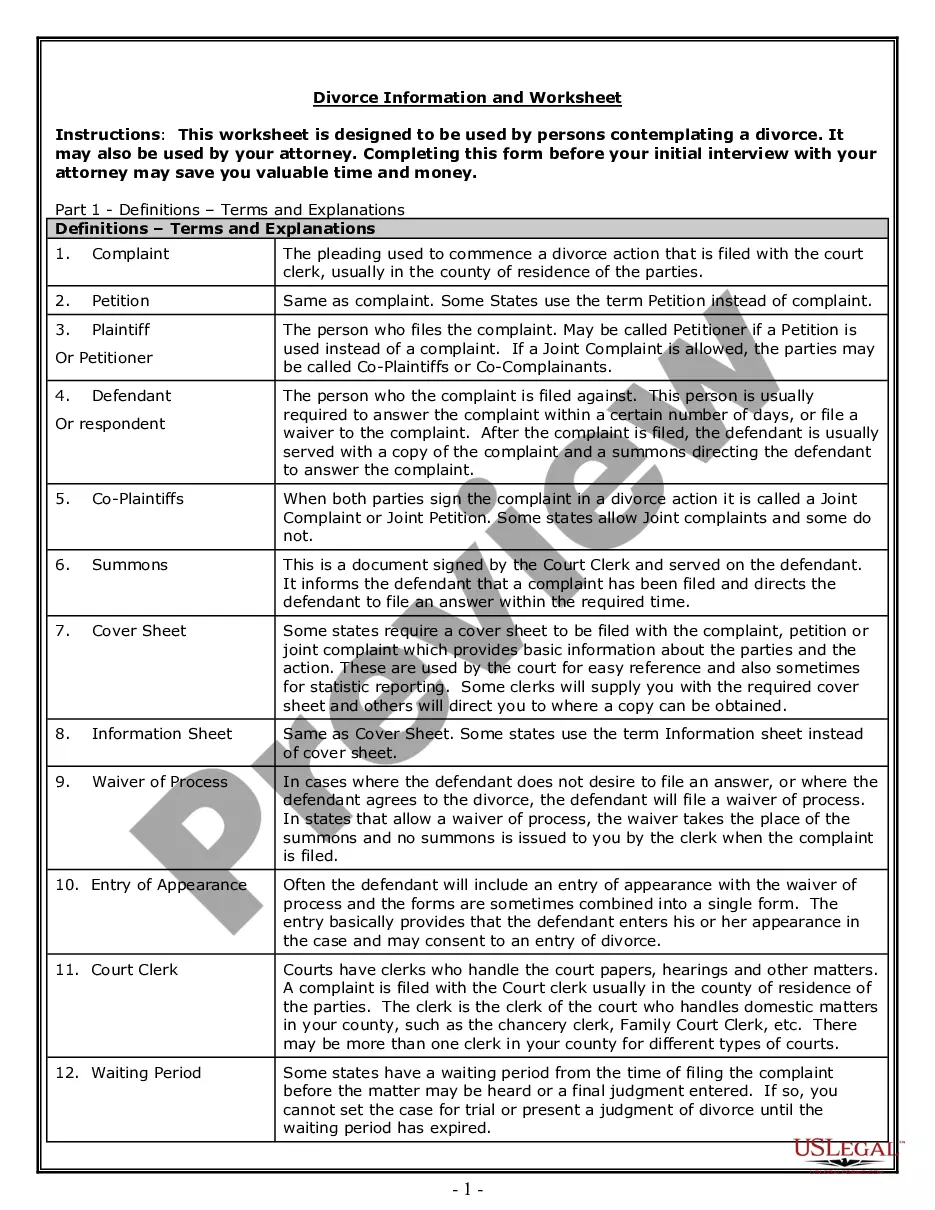
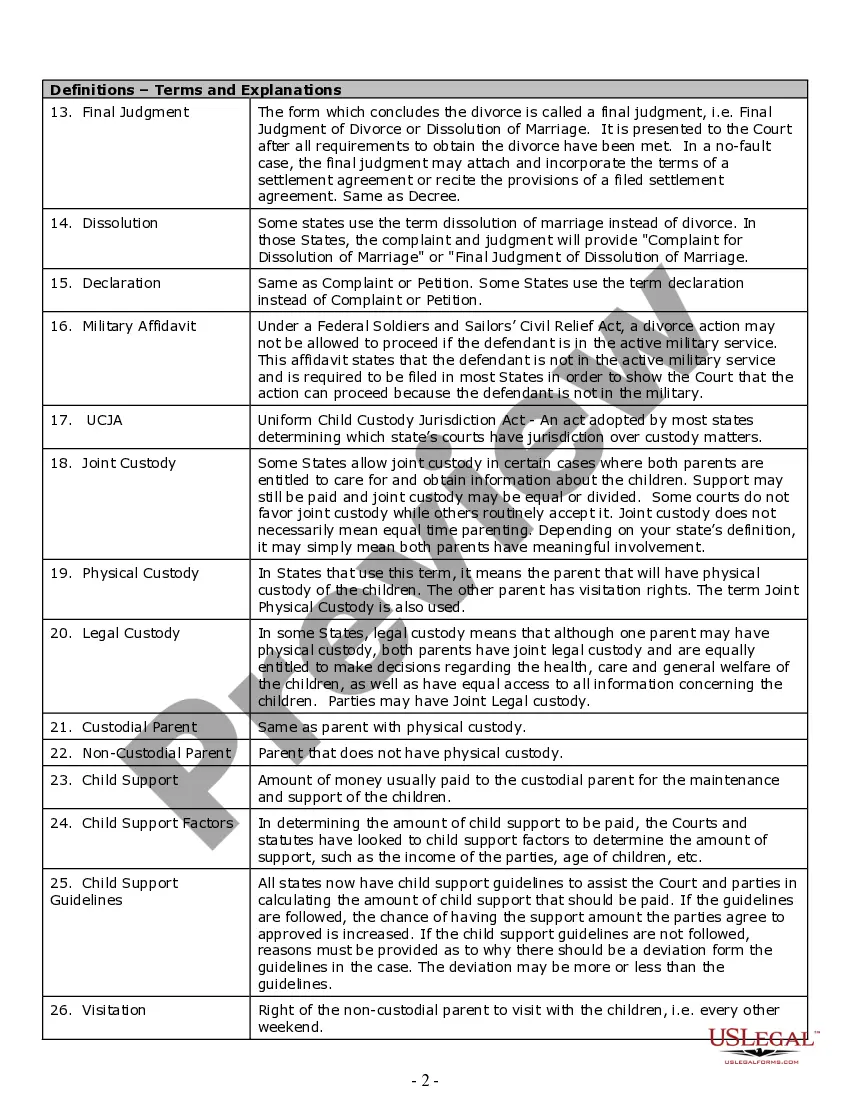
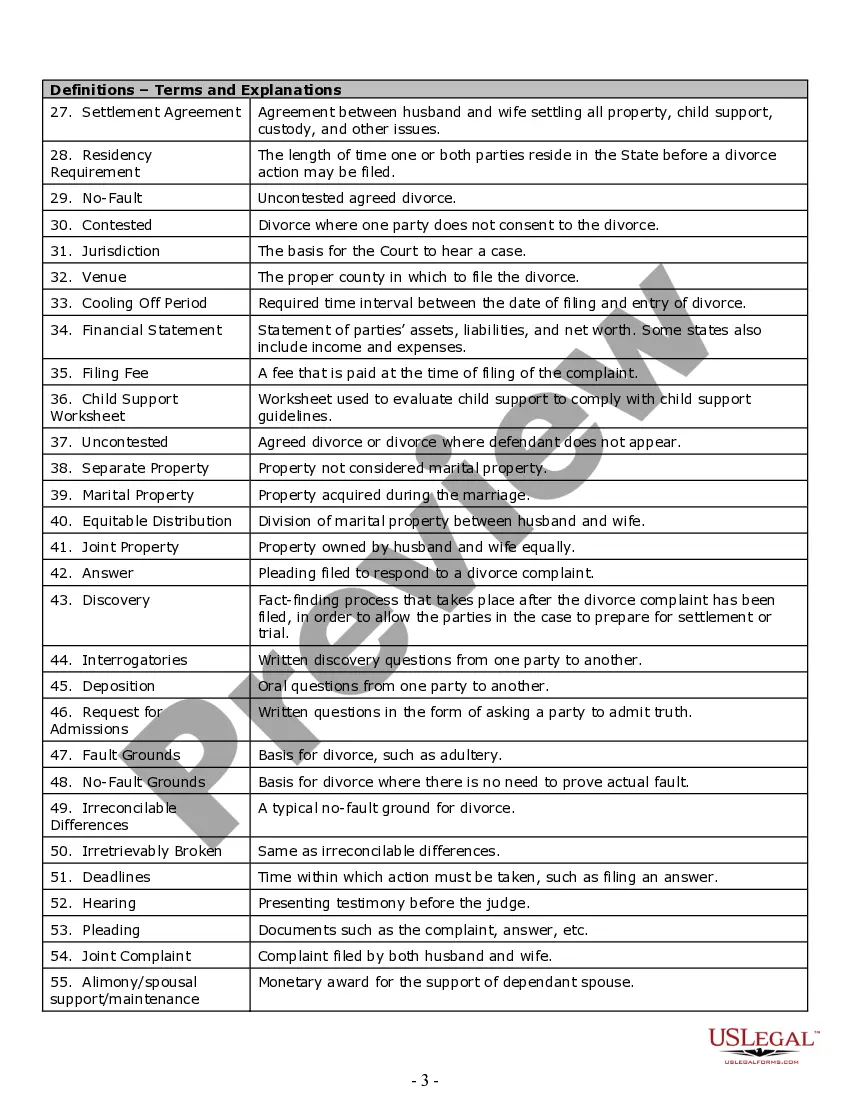
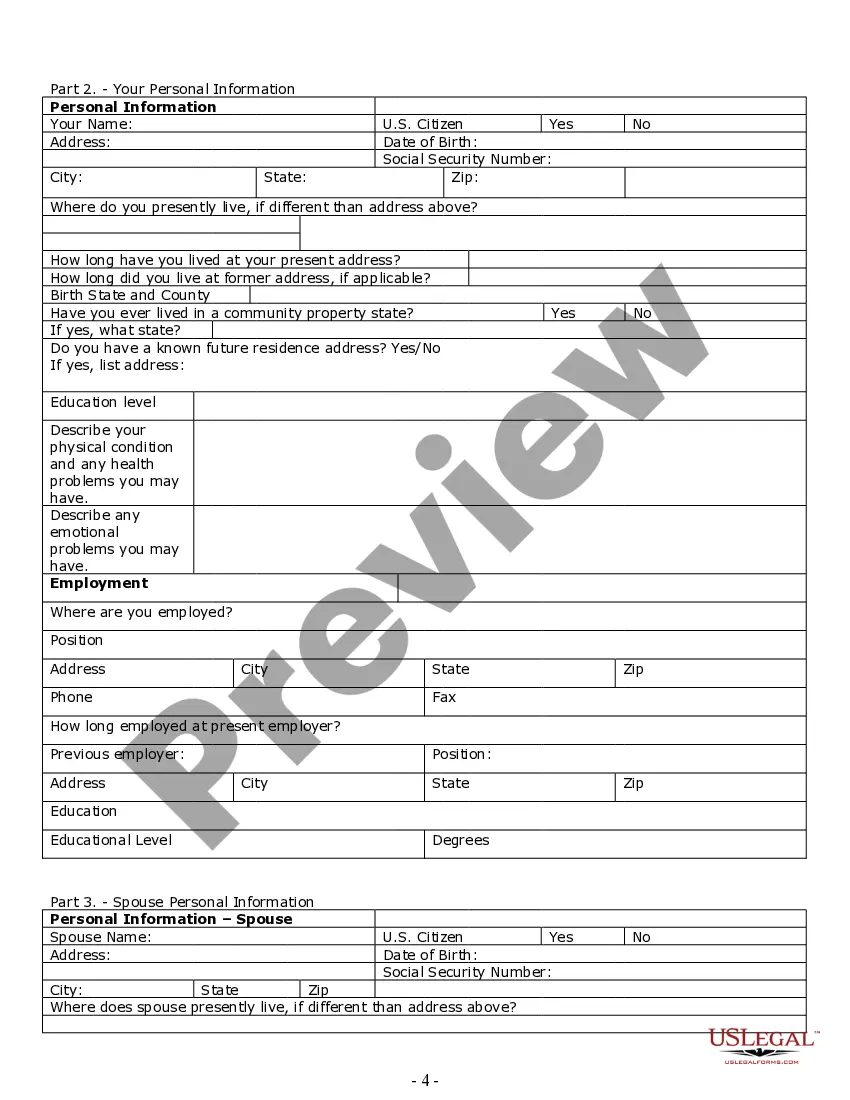
Ct Divorce Law With Child Custody
Description
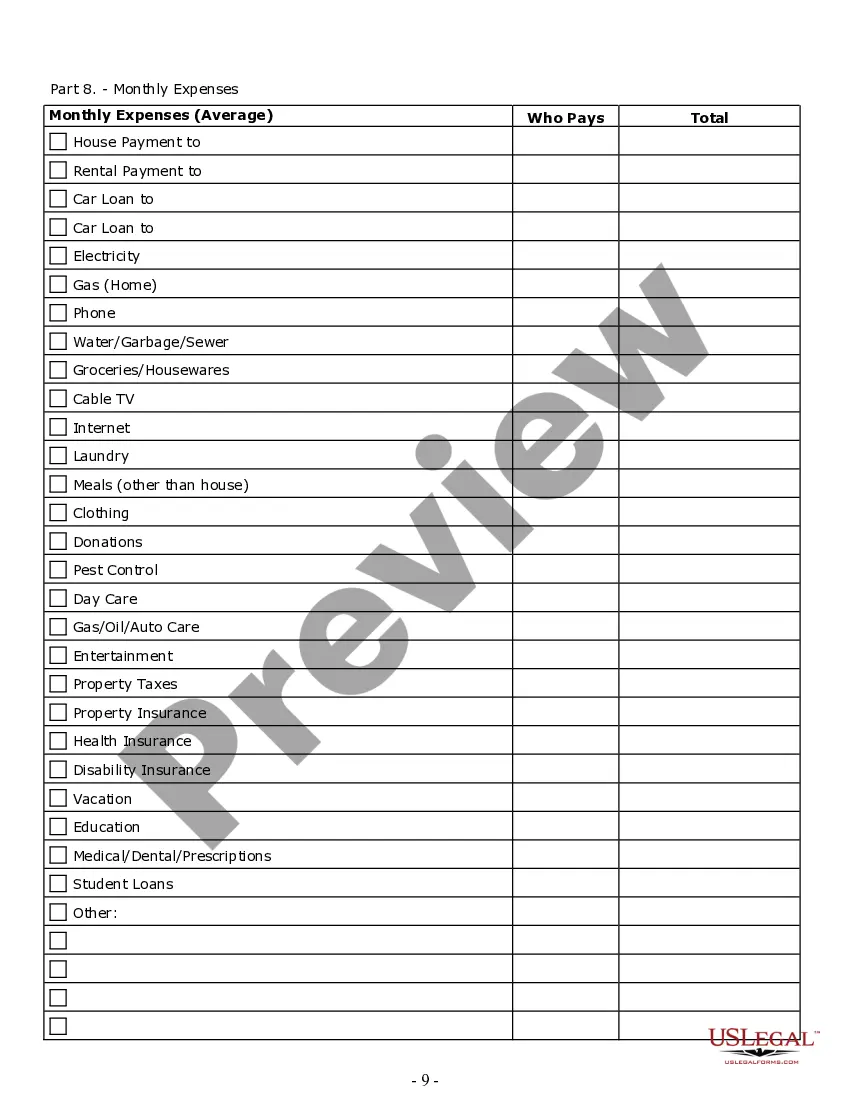
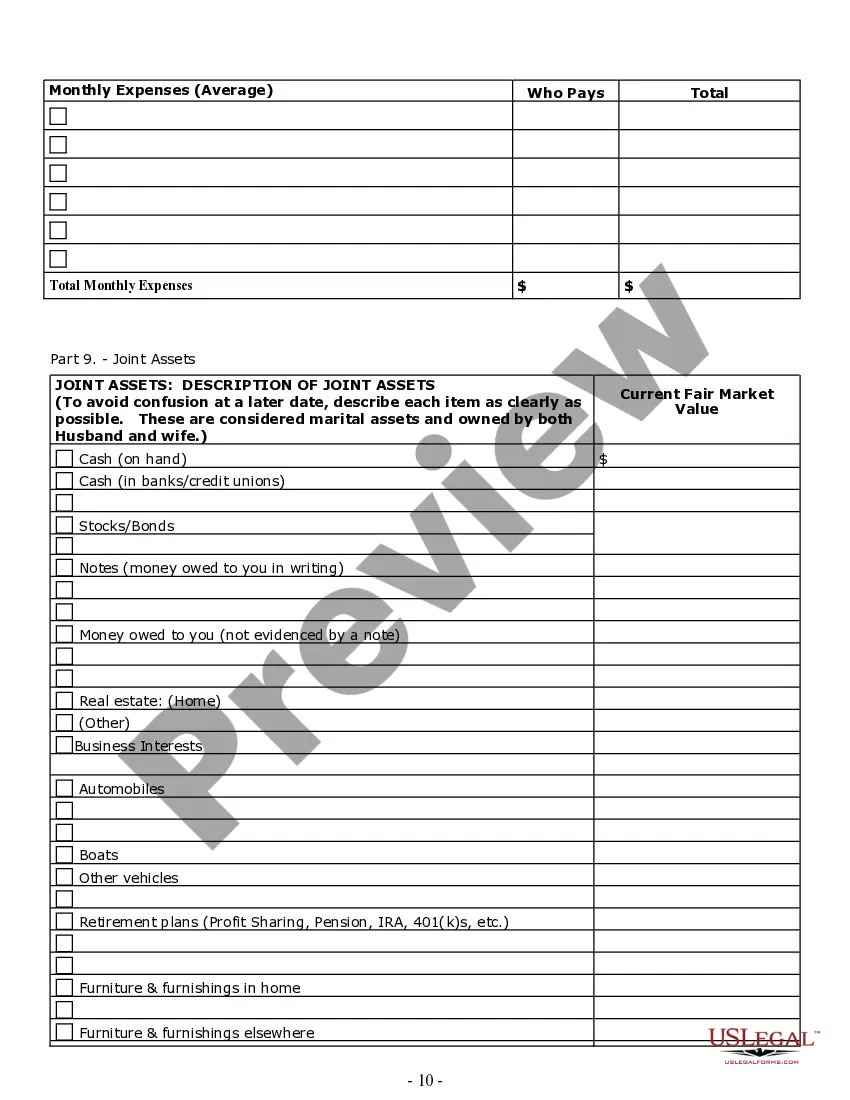

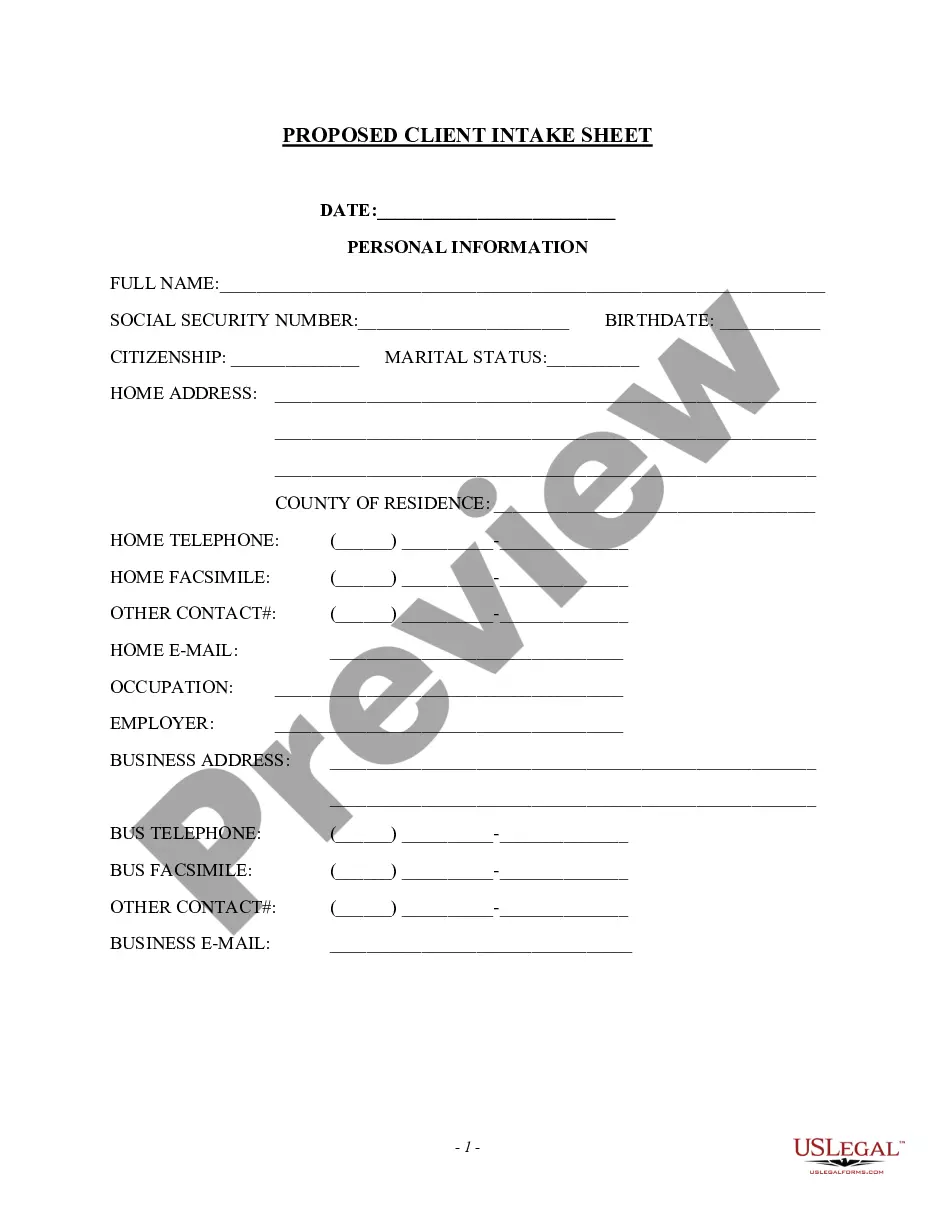
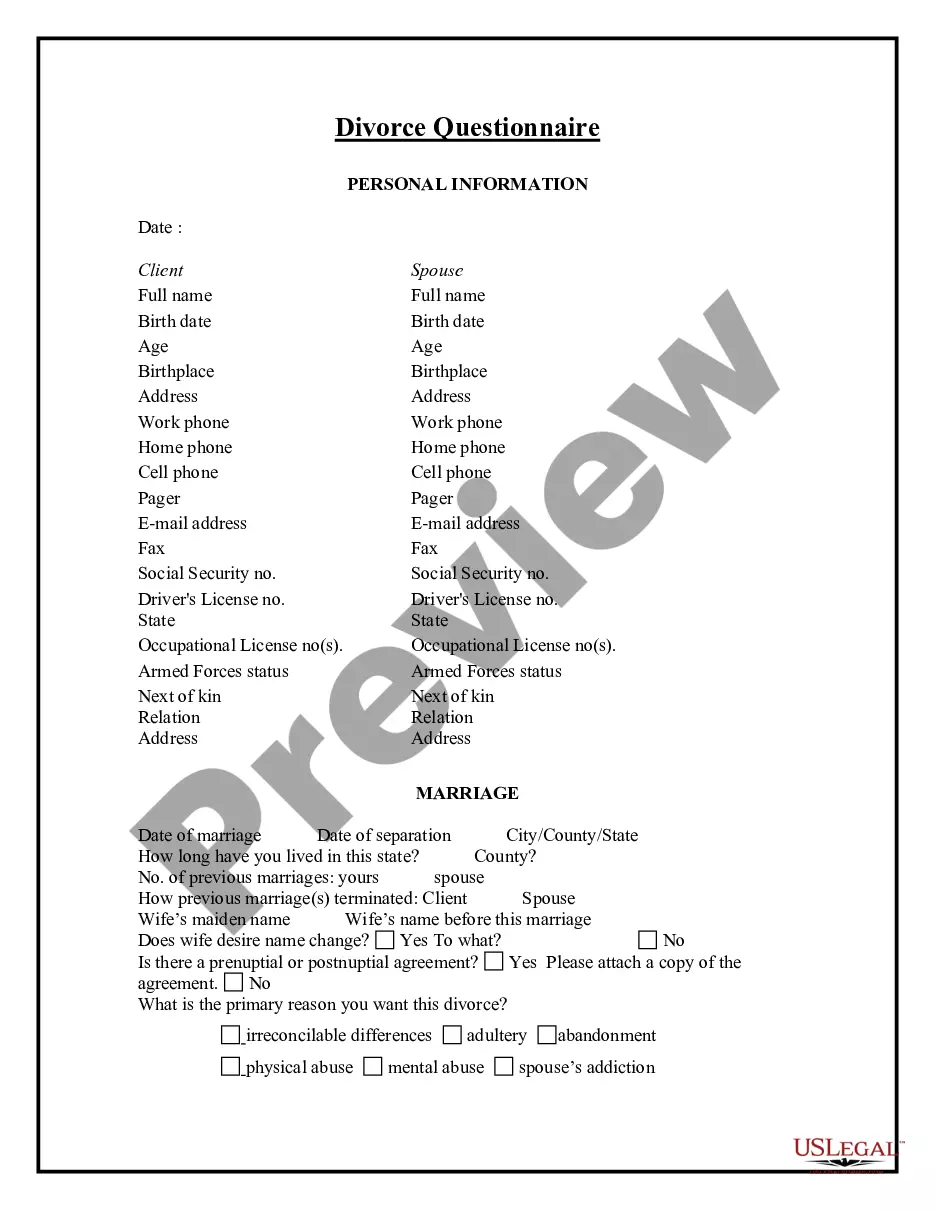

Get your form ready online
Our built-in tools help you complete, sign, share, and store your documents in one place.
Make edits, fill in missing information, and update formatting in US Legal Forms—just like you would in MS Word.
Download a copy, print it, send it by email, or mail it via USPS—whatever works best for your next step.
Sign and collect signatures with our SignNow integration. Send to multiple recipients, set reminders, and more. Go Premium to unlock E-Sign.
If this form requires notarization, complete it online through a secure video call—no need to meet a notary in person or wait for an appointment.
We protect your documents and personal data by following strict security and privacy standards.

Make edits, fill in missing information, and update formatting in US Legal Forms—just like you would in MS Word.

Download a copy, print it, send it by email, or mail it via USPS—whatever works best for your next step.

Sign and collect signatures with our SignNow integration. Send to multiple recipients, set reminders, and more. Go Premium to unlock E-Sign.

If this form requires notarization, complete it online through a secure video call—no need to meet a notary in person or wait for an appointment.

We protect your documents and personal data by following strict security and privacy standards.
Looking for another form?



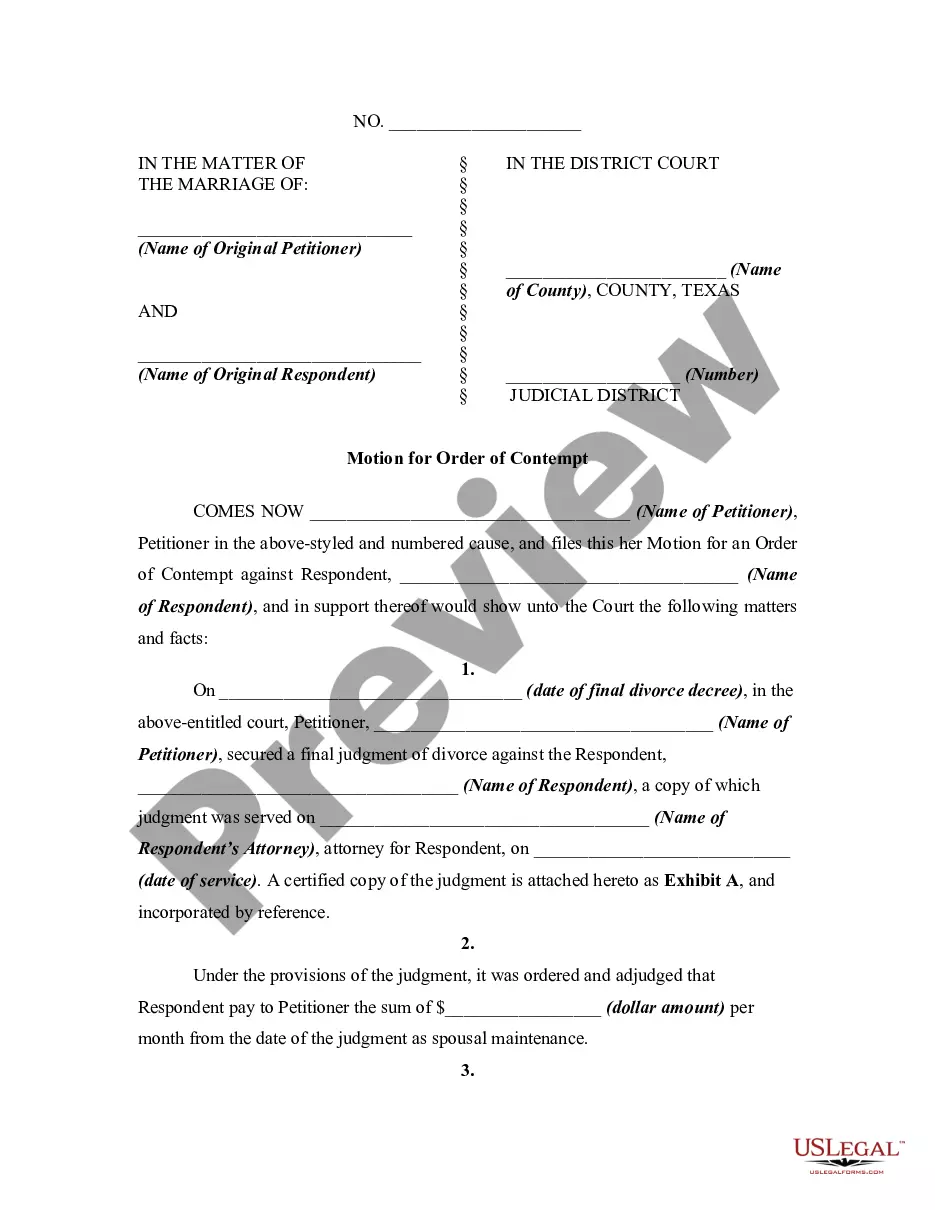


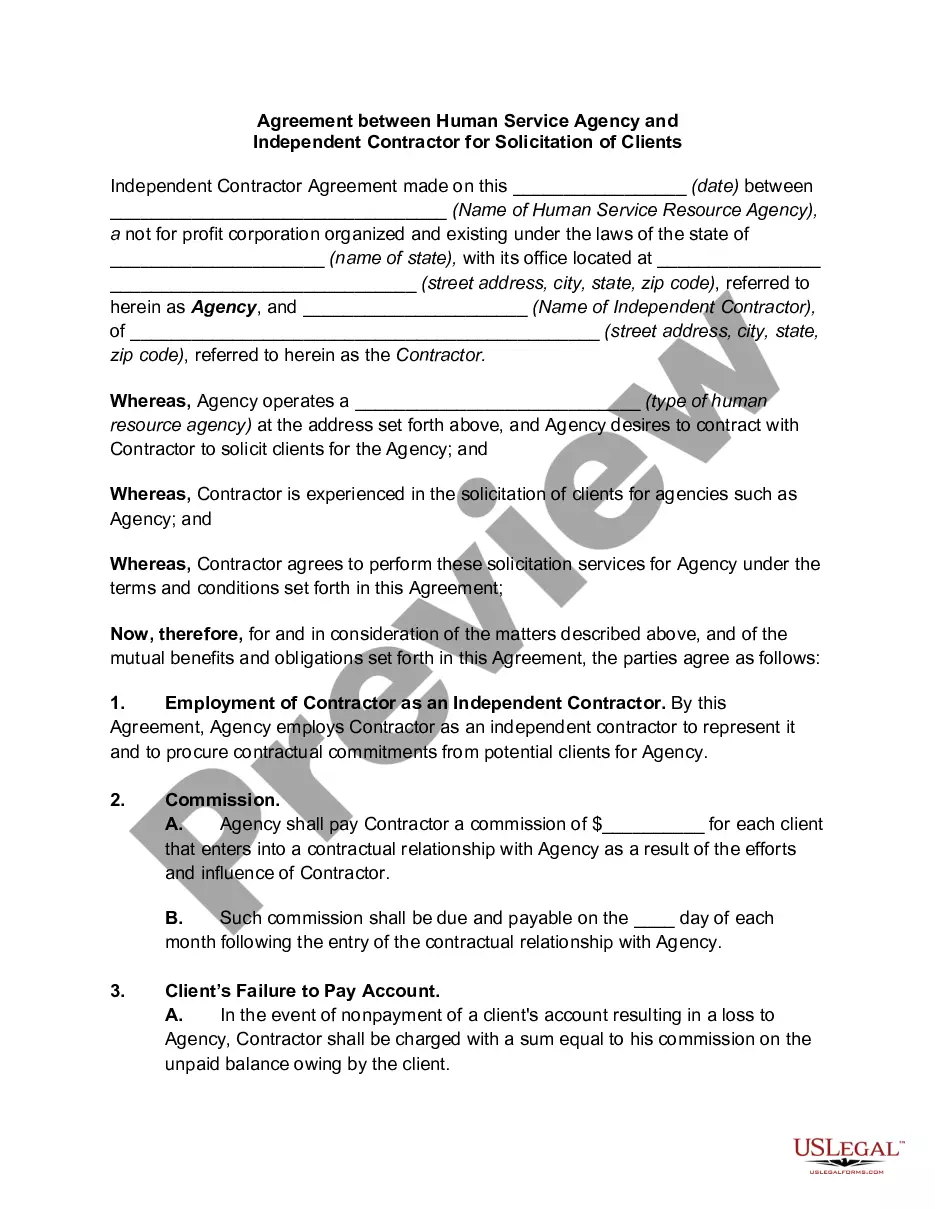



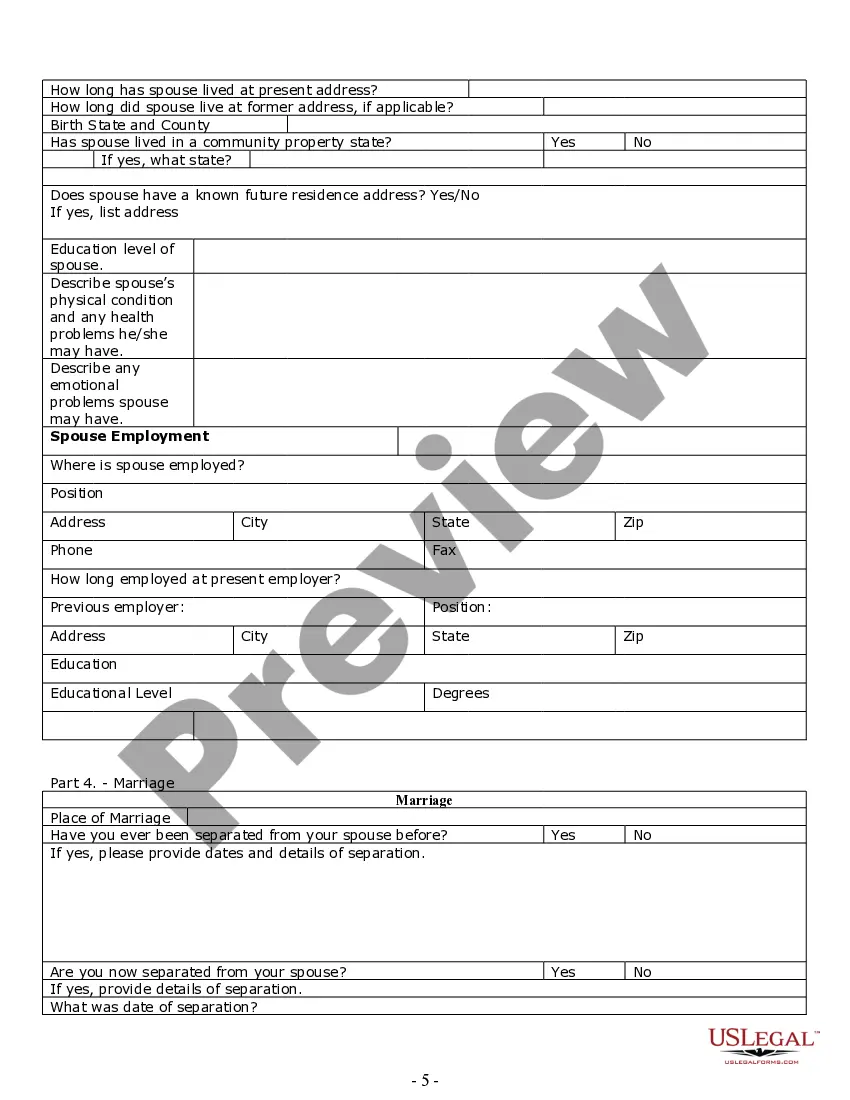
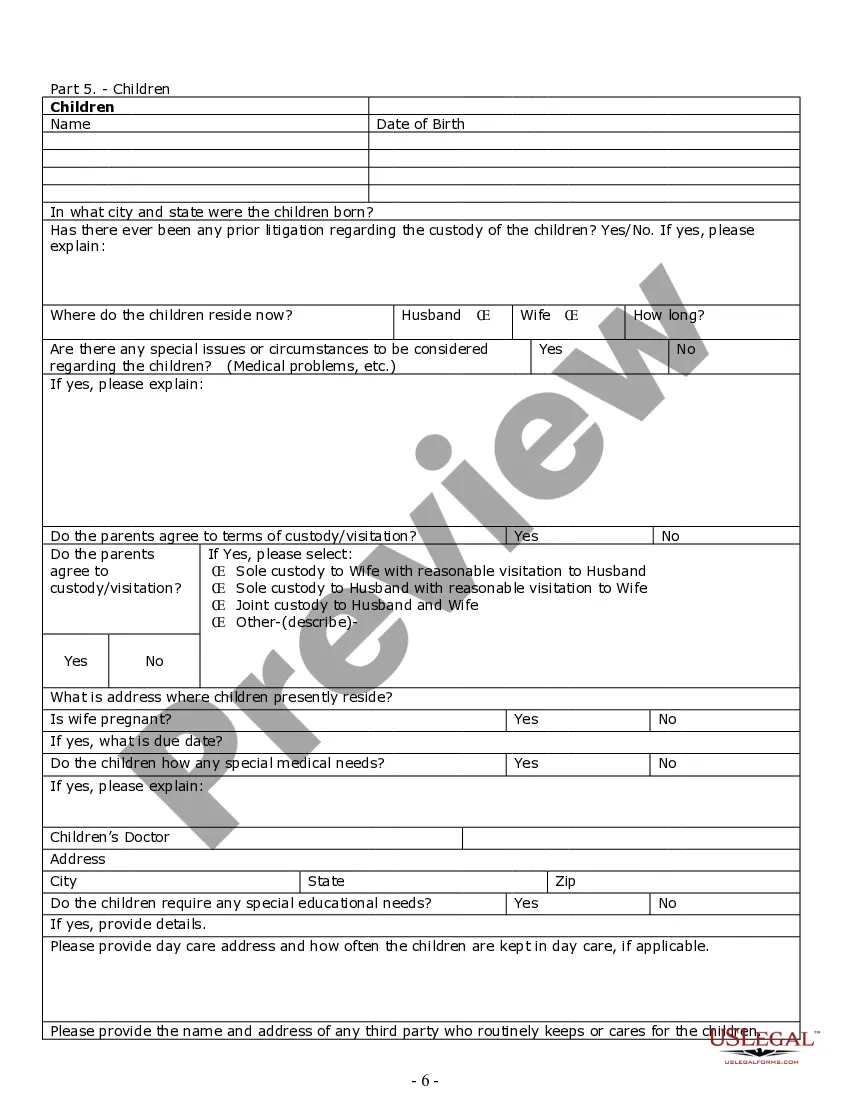
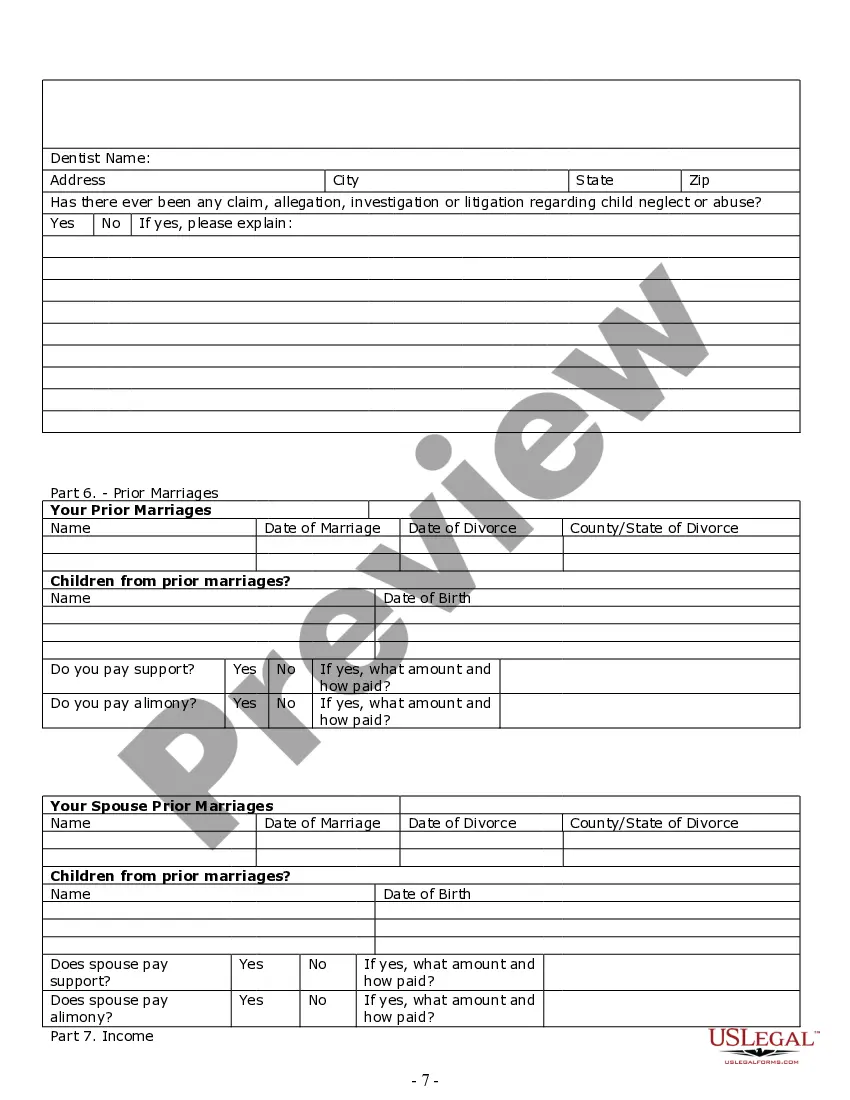
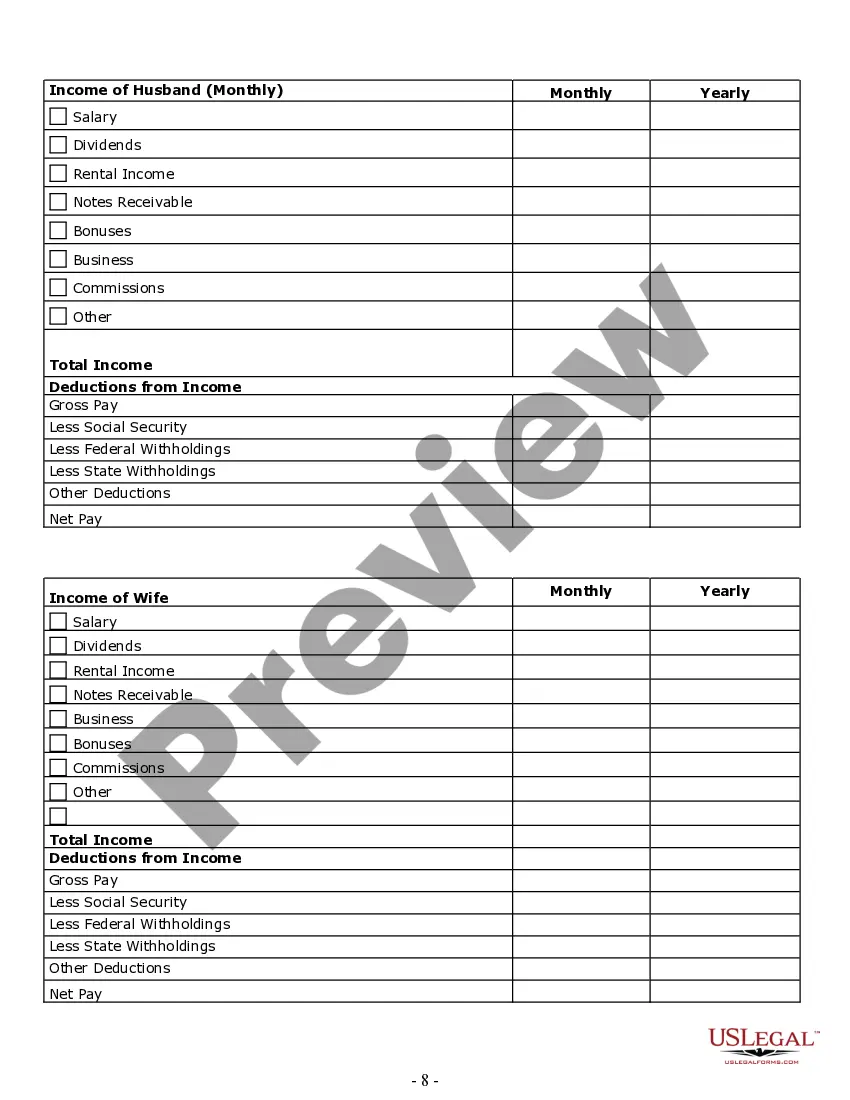
How to fill out Connecticut Divorce Worksheet And Law Summary For Contested Or Uncontested Case Of Over 25 Pages - Ideal Client Interview Form?
It’s clear that you can’t transform into a legal expert instantly, nor can you swiftly master how to draft Ct Divorce Law With Child Custody without a specific background. Assembling legal documents is an extensive process requiring particular training and expertise. So why not entrust the development of the Ct Divorce Law With Child Custody to the specialists.
With US Legal Forms, one of the most comprehensive legal template collections, you can access everything from court documents to templates for internal business communication. We understand how crucial compliance and adherence to federal and local regulations are. That’s why, on our platform, all forms are location-specific and current.
Here’s how to get started with our website and obtain the document you require in just minutes.
You can regain access to your forms from the My documents tab at any time. If you’re an existing client, you can simply Log In, and locate and download the template from the same tab.
Regardless of the purpose of your documents—whether financial and legal, or personal—our website has you covered. Try US Legal Forms today!
- Find the form you’re looking for using the search bar at the top of the page.
- Preview it (if this option is available) and review the accompanying description to verify if Ct Divorce Law With Child Custody is what you need.
- If you require any other template, restart your search.
- Create a free account and choose a subscription plan to purchase the form.
- Click Buy now. Once the purchase is completed, you can download the Ct Divorce Law With Child Custody, fill it out, print it, and send it by post to the necessary individuals or entities.
Form popularity
FAQ
If both parents agree, the law establishes a presumption of joint custody. There is also a presumption that it is in the child's best interest to be in the custody of a parent over a non-parent. But, testimony or other evidence can rebut both of these presumptions.
In Connecticut, Child Custody is ultimately determined by a clear standard: "the best interested of the child or children." Through that lends, judges must consider a wide range of statutory factors in making their determinations/orders, but have broad discretion with their making orders/decisions/determinations.
There's a preference for joint legal custody in Connecticut so that both parents can share this decision-making power. Even where one parent is awarded sole physical custody in Connecticut, a judge will often award joint legal custody unless there are reasons it would be impossible or unsafe for the child.
What Do Courts Look at When Deciding Custody? Your child's needs. What are your child's developmental needs, including their physical, emotional, educational, and special needs? ... Your child's relationships. ... Your child's living situation. ... The health of everyone involved. ... Other factors.