Connecticut Mortgage Deed Foreclosure
Description
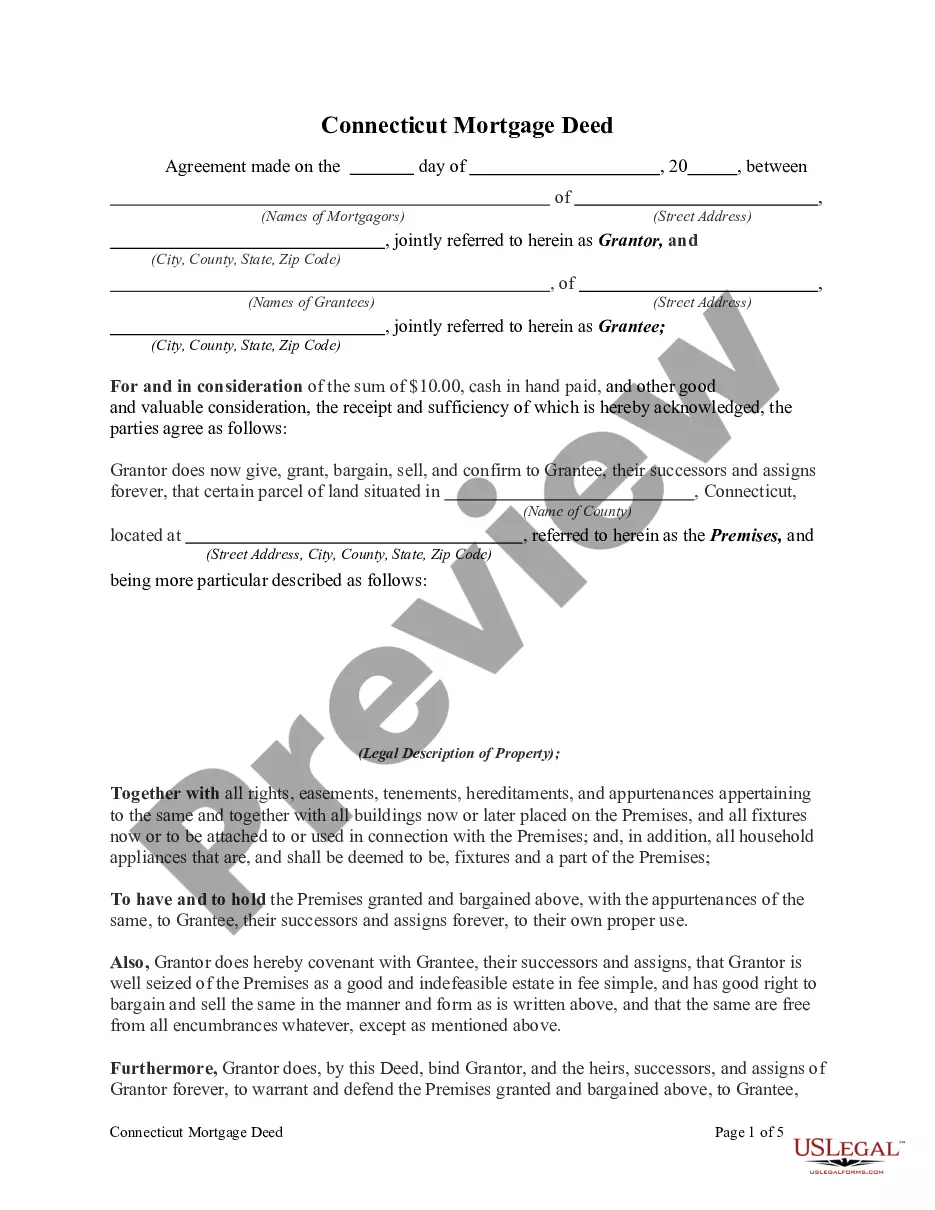
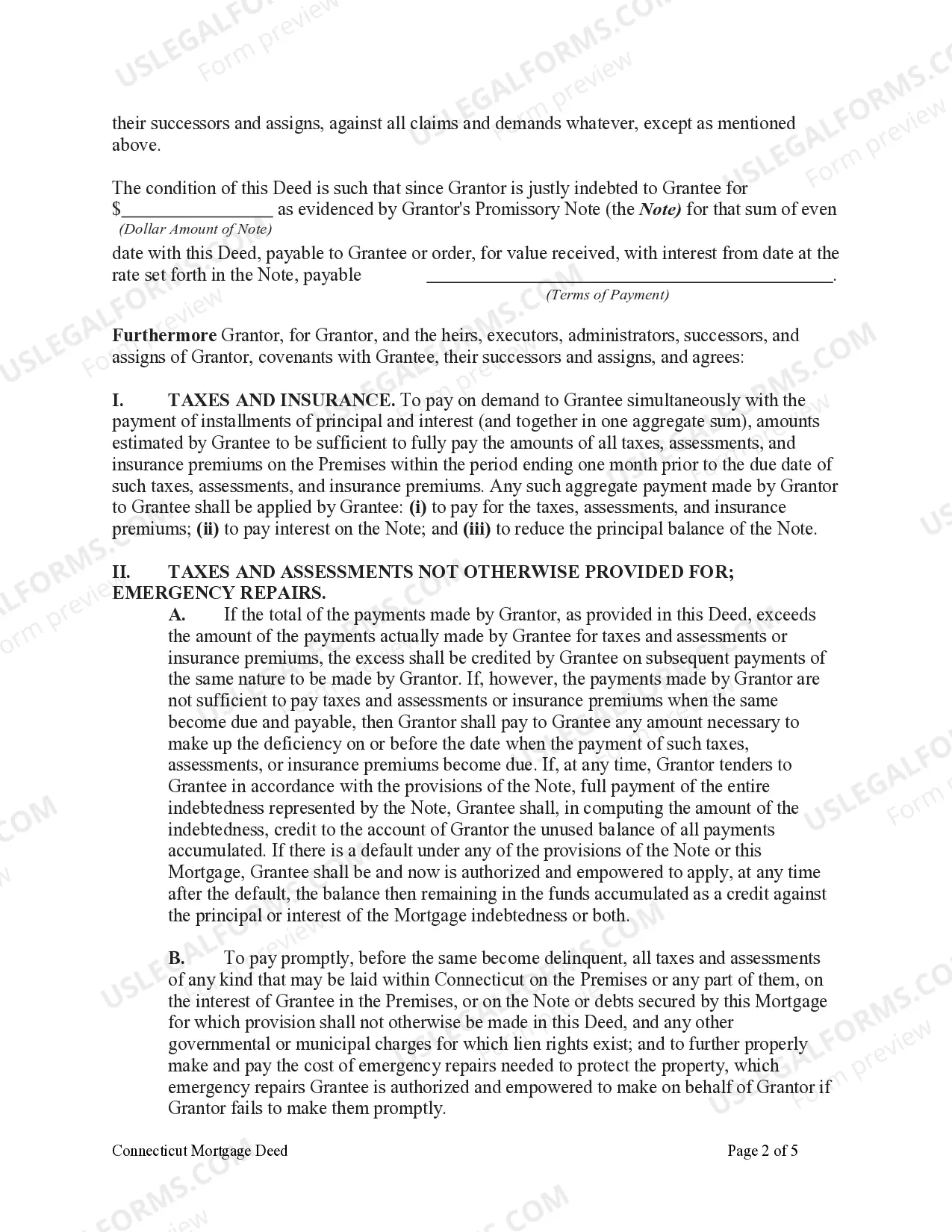
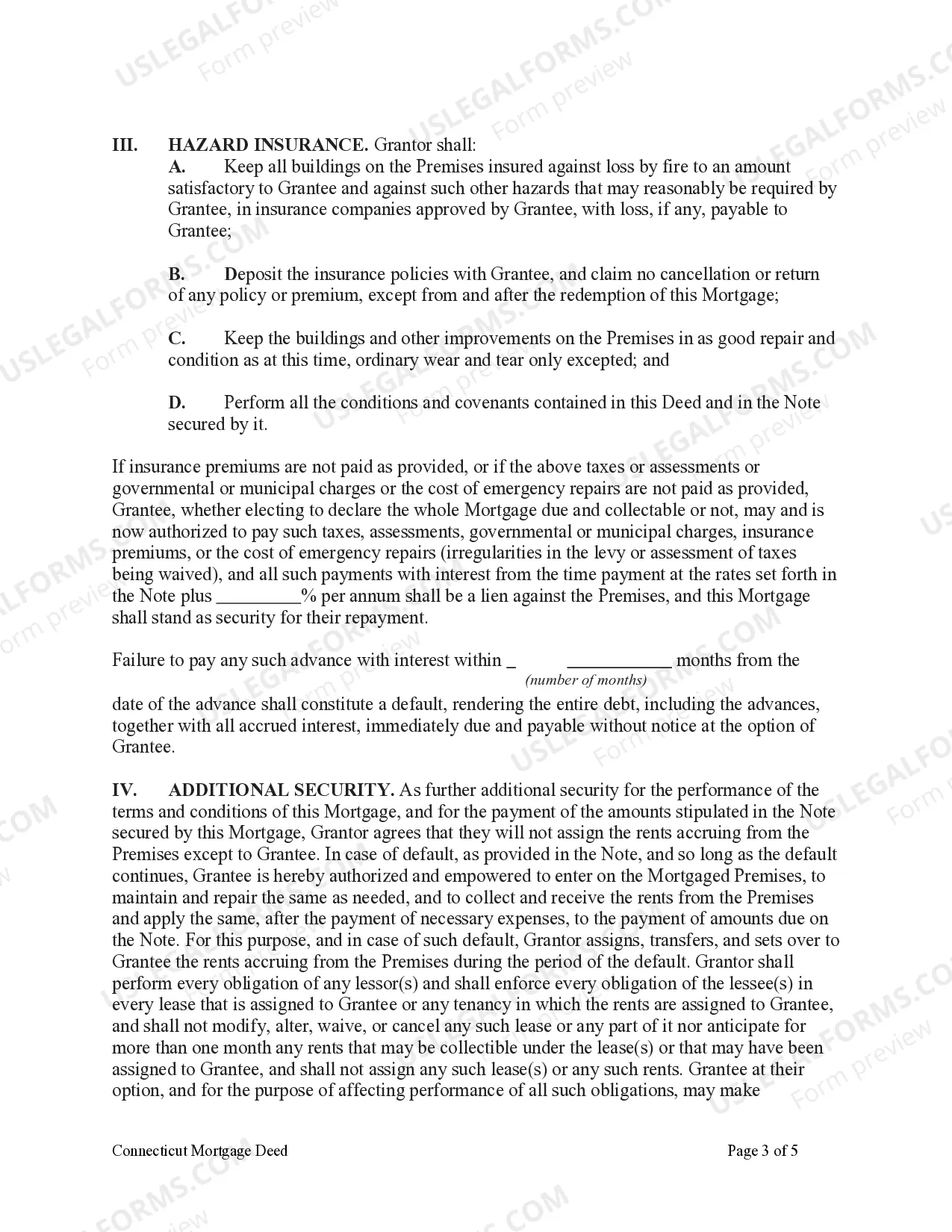
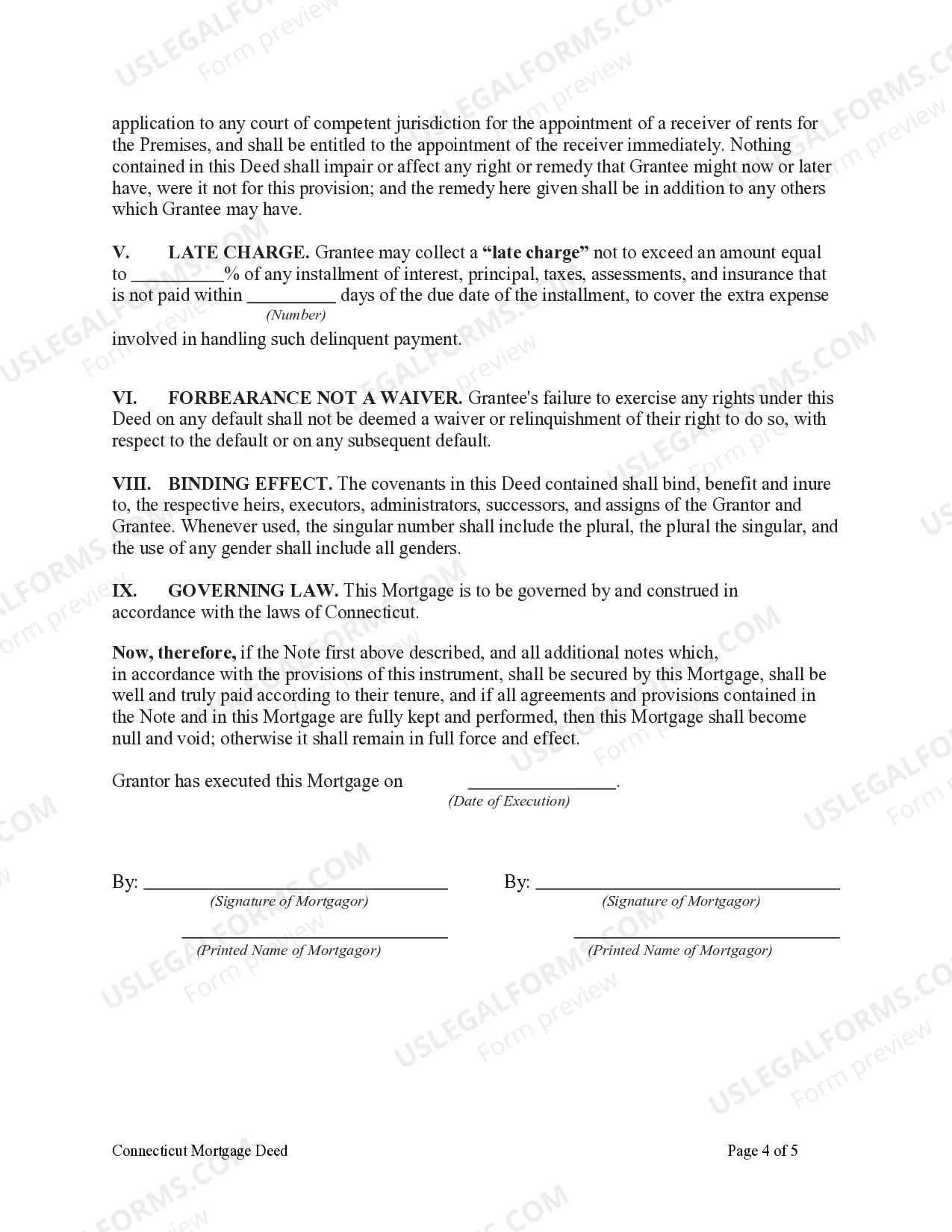


Get your form ready online
Our built-in tools help you complete, sign, share, and store your documents in one place.
Make edits, fill in missing information, and update formatting in US Legal Forms—just like you would in MS Word.
Download a copy, print it, send it by email, or mail it via USPS—whatever works best for your next step.
Sign and collect signatures with our SignNow integration. Send to multiple recipients, set reminders, and more. Go Premium to unlock E-Sign.
If this form requires notarization, complete it online through a secure video call—no need to meet a notary in person or wait for an appointment.
We protect your documents and personal data by following strict security and privacy standards.

Make edits, fill in missing information, and update formatting in US Legal Forms—just like you would in MS Word.

Download a copy, print it, send it by email, or mail it via USPS—whatever works best for your next step.

Sign and collect signatures with our SignNow integration. Send to multiple recipients, set reminders, and more. Go Premium to unlock E-Sign.

If this form requires notarization, complete it online through a secure video call—no need to meet a notary in person or wait for an appointment.

We protect your documents and personal data by following strict security and privacy standards.
Looking for another form?







How to fill out Connecticut Mortgage Deed?
When you wish to complete the Connecticut Mortgage Deed Foreclosure in line with your local state's statutes and regulations, there may be numerous alternatives to choose from.
There's no necessity to scrutinize every document to ensure it satisfies all the legal requirements if you are a US Legal Forms member.
It is a reliable source that can assist you in obtaining a reusable and current template on any topic.
Utilizing US Legal Forms makes obtaining professionally crafted official documents effortless. Additionally, Premium users may also benefit from advanced integrated features for online PDF editing and signing. Try it out today!
- US Legal Forms stands as the most comprehensive online repository with a collection exceeding 85k ready-to-use documents for business and personal legal situations.
- All templates are verified to conform with each state's laws and regulations.
- Thus, when downloading Connecticut Mortgage Deed Foreclosure from our platform, you can be assured that you possess a valid and current document.
- Acquiring the necessary sample from our site is very straightforward.
- If you already have an account, simply Log In to the system, confirm that your subscription is active, and save the selected file.
- In the future, you can navigate to the My documents tab in your profile and maintain access to the Connecticut Mortgage Deed Foreclosure at any time.
- If it’s your first experience with our website, please follow the instructions below.
- Browse the suggested page and verify it for conformity with your specifications.
Form popularity
FAQ
Foreclosure in Connecticut works through the judicial system, which provides homeowners with various legal protections. Once a lender initiates the foreclosure process, the homeowner has the right to defend against it in court. This approach allows for transparency in the process, making it essential to grasp the intricacies if you are navigating a Connecticut mortgage deed foreclosure.
Connecticut is primarily a mortgage state, meaning it utilizes mortgages instead of deeds of trust to secure loans. This distinction affects the foreclosure process, as foreclosures in Connecticut follow a judicial route. Knowing whether you are dealing with a mortgage can influence your approach in a Connecticut mortgage deed foreclosure situation.
The foreclosure process in Connecticut involves several steps, beginning with a default on the mortgage. The lender files a complaint in court, and the property owner is notified. After a judgment is made, the property may be sold at auction. Understanding this process is crucial for anyone facing or interested in Connecticut mortgage deed foreclosure.
The foreclosure process in Connecticut involves several steps, starting with the lender notifying the borrower of the missed payments. If the issue remains unresolved, the lender may initiate legal proceedings to reclaim the property through court. Homeowners can respond to the foreclosure summons and may have opportunities to negotiate solutions. Utilizing platforms like US Legal Forms can assist you in understanding the legal aspects of this process.
The foreclosure process in Connecticut can take several months, typically ranging from six months to over a year. The duration varies based on factors like the court's schedule and whether the homeowner contests the foreclosure. Being proactive in communication with your lender can help expedite or mitigate delays. Always consult with legal resources to navigate this complex process effectively.
A strict foreclosure is a specific process in Connecticut that allows the lender to reclaim property after a borrower defaults on a mortgage. In this case, if the homeowner does not clear the debt within a designated timeframe, ownership of the property is transferred directly to the lender. This process differs significantly from traditional foreclosure methods. Understanding strict foreclosure can help you prepare for potential outcomes.
After a Connecticut mortgage deed foreclosure, you typically have 30 days to vacate the property following the court's judgment. In some cases, this timeframe may differ based on the specific court order or circumstances surrounding your situation. Keeping in close communication with your lender and taking prompt action can make this transition smoother. Planning ahead is essential.
In Connecticut, the redemption period for foreclosure is generally six months from the date of the foreclosure sale. Homeowners can restore their ownership by paying the debt owed, plus any associated costs. This period gives you time to seek help and evaluate your situation. It's a crucial opportunity to regain control of your home.
Yes, Connecticut does provide a redemption period for mortgage deed foreclosure. This period allows homeowners to reclaim their property after a foreclosure sale. Typically, the redemption period lasts for six months but can vary based on specific circumstances. Understanding this timeframe can help you make informed decisions about your financial options.
For those seeking information on Connecticut mortgage deed foreclosure, several online resources are available. Websites like the Connecticut Judicial Branch and local legal aid organizations provide valuable insights into foreclosure laws in Connecticut. Additionally, forums such as Reddit offer community discussions where you can connect with others who share their experiences and advice regarding the foreclosure process. For more formal documentation and forms, consider using platforms like US Legal Forms, which provides specific templates and information related to Connecticut mortgage deed foreclosure.
