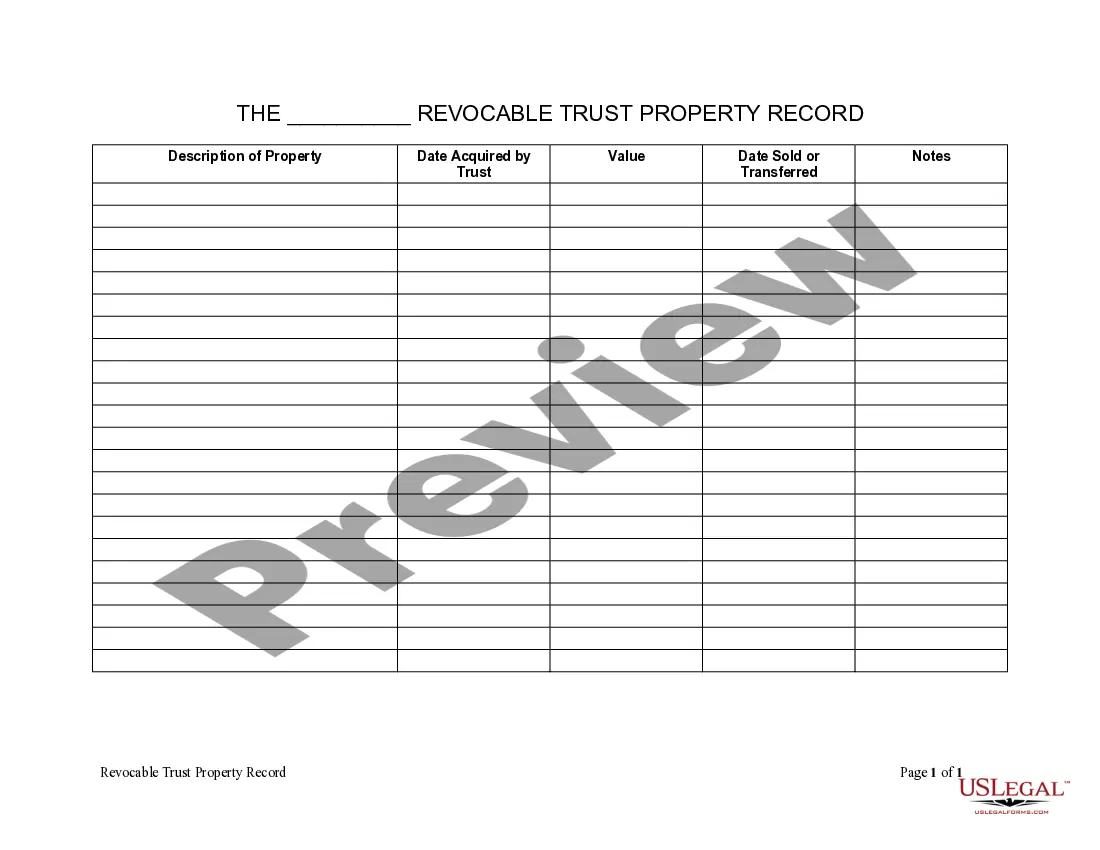
Living Trust For Rental Property
Description

Get your form ready online
Our built-in tools help you complete, sign, share, and store your documents in one place.
Make edits, fill in missing information, and update formatting in US Legal Forms—just like you would in MS Word.
Download a copy, print it, send it by email, or mail it via USPS—whatever works best for your next step.
Sign and collect signatures with our SignNow integration. Send to multiple recipients, set reminders, and more. Go Premium to unlock E-Sign.
If this form requires notarization, complete it online through a secure video call—no need to meet a notary in person or wait for an appointment.
We protect your documents and personal data by following strict security and privacy standards.

Make edits, fill in missing information, and update formatting in US Legal Forms—just like you would in MS Word.

Download a copy, print it, send it by email, or mail it via USPS—whatever works best for your next step.

Sign and collect signatures with our SignNow integration. Send to multiple recipients, set reminders, and more. Go Premium to unlock E-Sign.

If this form requires notarization, complete it online through a secure video call—no need to meet a notary in person or wait for an appointment.

We protect your documents and personal data by following strict security and privacy standards.
Looking for another form?

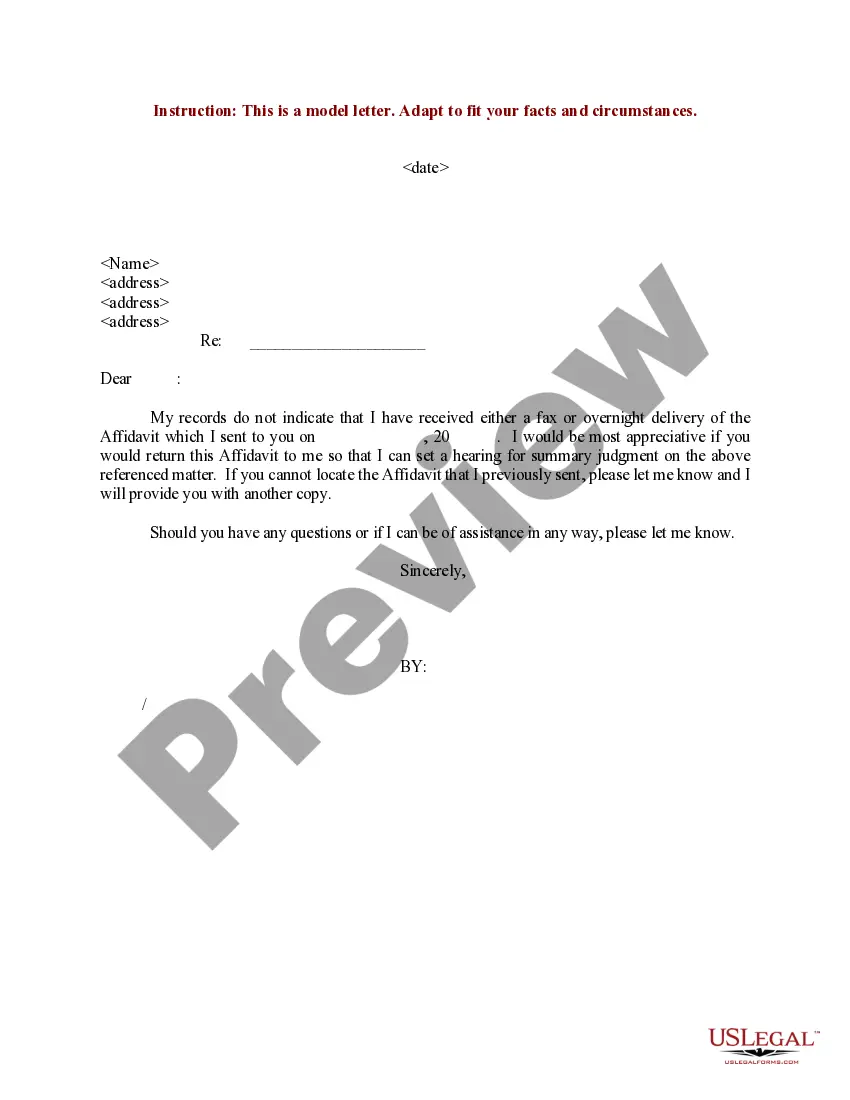







How to fill out Colorado Living Trust Property Record?
- Log into your US Legal Forms account if you're a returning user and ensure your subscription is current. If it needs renewal, follow your payment plan to update it.
- For new users, start by browsing the Preview mode and reading the description of legal forms related to living trusts. Ensure you select one that matches your jurisdiction and needs.
- If you find the form doesn't meet your criteria, use the search functionality to locate a more suitable document.
- Once you've identified the right form, click on the Buy Now button and select your preferred subscription plan. You'll need to create an account to access the full library.
- Provide your payment information through credit card or PayPal to complete the purchase.
- Download the document directly to your device and access it anytime through the My Forms section in your profile.
By following these steps, you can efficiently acquire a living trust for rental property through US Legal Forms. This service not only saves you time but also ensures you have the right legal tools at your fingertips.
Start your journey to effective property management today with US Legal Forms. Visit their website to explore their extensive library and empower yourself with the legal resources you need!
Form popularity
FAQ
Yes, rental income from a living trust for rental property is typically taxable. The IRS considers this income the same way as it would for any individual landlord. The trust itself may still need to file tax returns, depending on its structure. With the right resources, like US Legal Forms, you can ensure proper tax compliance and avoid surprises.
Generally, income generated from a living trust for rental property is taxable. However, certain types of trust accounts, like educational trusts or certain types of charitable trusts, might offer non-taxable income opportunities. Therefore, it is crucial to understand the specific trust structure and how it impacts tax obligations. Consulting with an expert using services like US Legal Forms can provide clarity on this matter.
A living trust for rental property can help you avoid estate tax by keeping your assets out of probate. When you set up this type of trust, control of your property transfers to the trust, not to your estate. This means that when you pass away, your rental property does not enter probate, thus reducing estate tax implications. For tailored guidance, consider using a platform like US Legal Forms to create and manage your living trust effectively.
While there are many advantages to using a living trust for rental property, some disadvantages include setup costs and ongoing management. Establishing a trust requires legal assistance, which may incur fees. Additionally, once property is placed in a trust, any changes require further legal action. However, many of these disadvantages are minor compared to the potential benefits of asset protection and avoiding probate.
The best option for placing property, especially rental property, is typically a revocable living trust. This type of trust allows you to make changes during your lifetime while providing clear instructions for your heirs. A living trust for rental property not only avoids probate but also keeps your rental income managed according to your wishes. Always consult with a legal expert to determine the best trust for your specific situation.
The best way to leave a house to your children is often through a living trust for rental property. This ensures that your children receive the property according to your wishes, while also avoiding probate. A living trust gives you flexibility, allowing you to set specific conditions for how your property should be managed. Discussing your plans with an estate planning professional can help tailor the trust to your family's needs.
The decision between gifting a house and putting it in a living trust for rental property depends on your overall estate plan. Gifting a house can trigger tax implications, whereas a trust provides more control over the property and its benefits. A living trust allows you to dictate how and when your beneficiaries receive the property. By placing your rental property in a trust, you can also avoid probate, which simplifies matters for your heirs.
Yes, you can place a rental property in a living trust. A living trust for rental property allows you to manage your assets while you are alive and ensures a smooth transfer of ownership after your death. This arrangement helps avoid probate, which can be a lengthy and costly process. By using a living trust, you maintain control over the property and its rental income.
A significant downfall of having a trust can be the ongoing administrative burden. Keeping records and managing a living trust for rental property requires time and attention to detail. Additionally, if not established or maintained correctly, it can lead to complications that diminish the intended benefits, such as tax efficiencies or ease of transfer.
Yes, a trust generally receives a step up in basis on a rental property when the property owner passes away. This adjustment increases the property's value for tax purposes, which can drastically reduce capital gains taxes for heirs. Establishing a living trust for rental property helps ensure this benefit is passed to your beneficiaries.