Attorney Lien On Client Files
Description
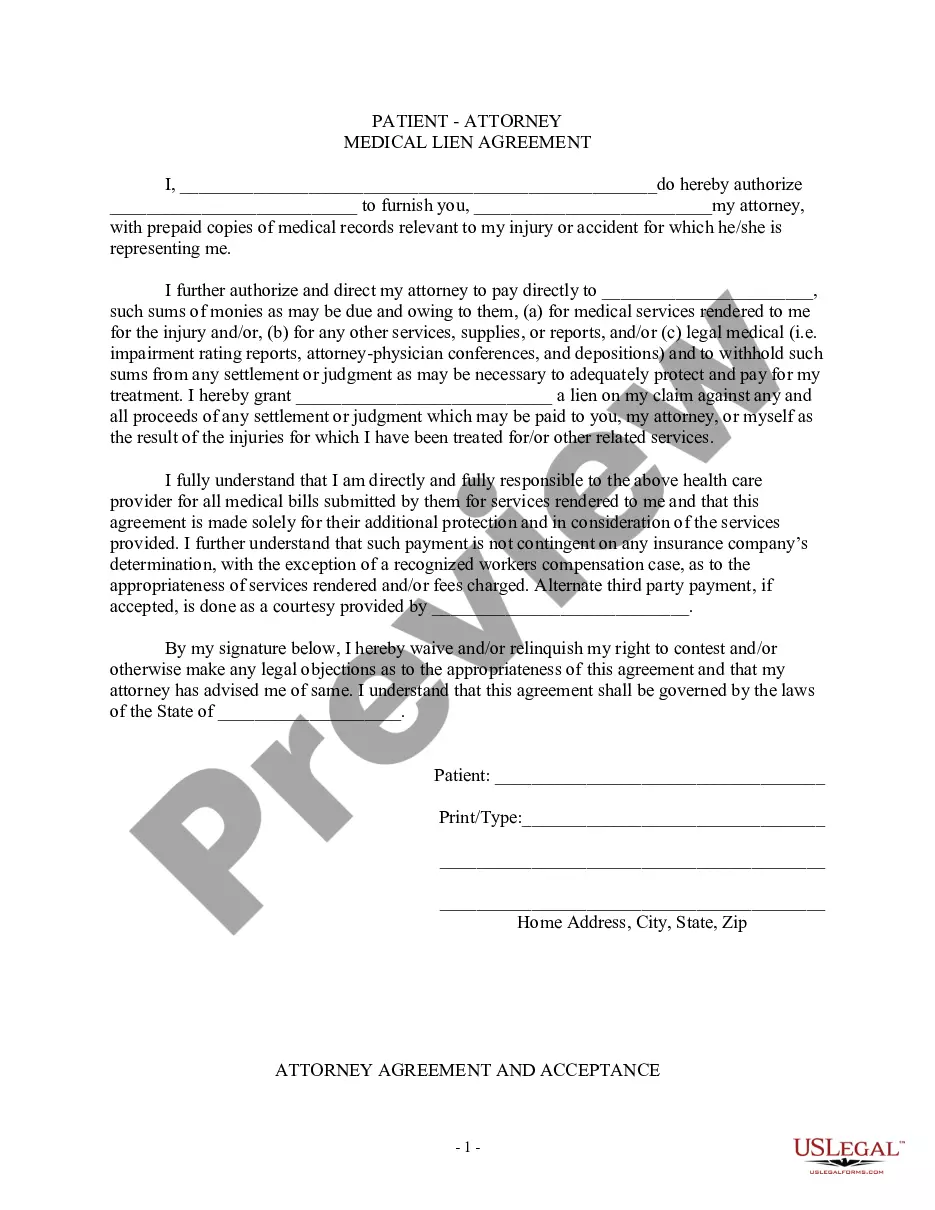
Get your form ready online
Our built-in tools help you complete, sign, share, and store your documents in one place.
Make edits, fill in missing information, and update formatting in US Legal Forms—just like you would in MS Word.
Download a copy, print it, send it by email, or mail it via USPS—whatever works best for your next step.
Sign and collect signatures with our SignNow integration. Send to multiple recipients, set reminders, and more. Go Premium to unlock E-Sign.
If this form requires notarization, complete it online through a secure video call—no need to meet a notary in person or wait for an appointment.
We protect your documents and personal data by following strict security and privacy standards.

Make edits, fill in missing information, and update formatting in US Legal Forms—just like you would in MS Word.

Download a copy, print it, send it by email, or mail it via USPS—whatever works best for your next step.

Sign and collect signatures with our SignNow integration. Send to multiple recipients, set reminders, and more. Go Premium to unlock E-Sign.

If this form requires notarization, complete it online through a secure video call—no need to meet a notary in person or wait for an appointment.

We protect your documents and personal data by following strict security and privacy standards.
Looking for another form?

Form popularity
FAQ
In South Africa, attorneys are generally required to keep client files for a minimum of five years after the conclusion of a matter. This retention period allows for potential future inquiries or disputes, including those related to attorney liens on client files. It is essential for clients to understand how their documents are handled and stored, as this can impact their ability to access critical information later on. Using platforms like UsLegalForms can facilitate organized document management for attorneys.
An attorney in South Africa may withdraw from representation due to various reasons, including a breakdown in communication, non-payment of fees, or if they believe the client is engaged in fraudulent activities. Before withdrawing, an attorney must consider whether any attorney lien on client files could impact the client adversely. This withdrawal should be done following ethical guidelines, ensuring the client receives proper notification and has time to find alternative representation.
One common complaint against lawyers involves poor communication, which can lead to feelings of neglect or frustration among clients. Clients often feel that their attorney does not keep them updated about their case's progress. This issue can sometimes arise from conflicts related to attorney liens on client files, where financial disagreements may further strain the lawyer-client relationship. Ensuring clear communication is vital for maintaining a productive partnership.
The attorney client privilege in South Africa protects communications between an attorney and their client from disclosure. This privilege ensures that clients can speak openly and honestly with their attorneys, knowing that their secrets are safe. It creates a secure environment where the attorney can provide sound legal advice without fear of outside interference. It's essential to understand that this privilege can be affected if there are disputes involving an attorney lien on client files.
Yes, a lawyer can potentially place an attorney lien on your house if you owe legal fees. This lien ensures that the attorney can claim payment for their services. If you find yourself in this situation, it's important to communicate with your attorney to discuss your options and any possible resolutions regarding the attorney lien on client files.
Withdrawing from representing a client involves a formal process. First, you should provide your client with written notice explaining your intention to withdraw. Next, you must submit a motion to the court for permission to withdraw, especially if there are ongoing proceedings. It's crucial to ensure that no attorney lien on client files is in place, as this could complicate your withdrawal.
In Tennessee, the attorney lien statute allows lawyers to hold a lien on client files for unpaid fees. This means that an attorney can retain possession of your files until you settle your financial obligations. Understanding this law can help you better manage your relationship with your attorney. If you face any issues with accessing your files, consider consulting a legal expert for guidance.
In South Africa, attorneys generally cannot refuse to give you your file, as you have the right to access your own legal documents. However, if an attorney has an attorney lien on client files due to unpaid fees, they may impose certain restrictions. It's important to communicate with your attorney to understand the specific circumstances. If necessary, you can seek legal advice to navigate any disputes regarding your file.