Limited Liability Company (llc) Business
Description

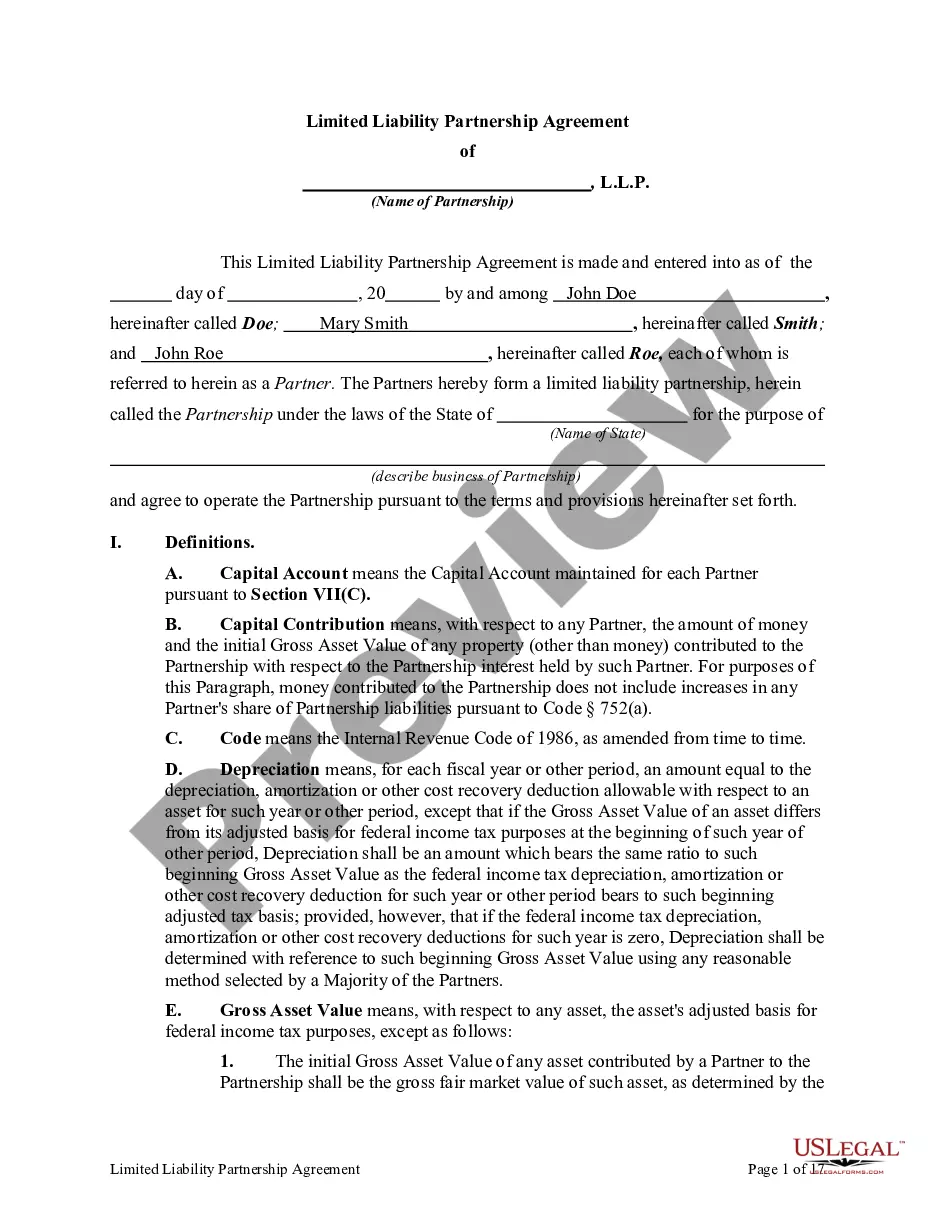
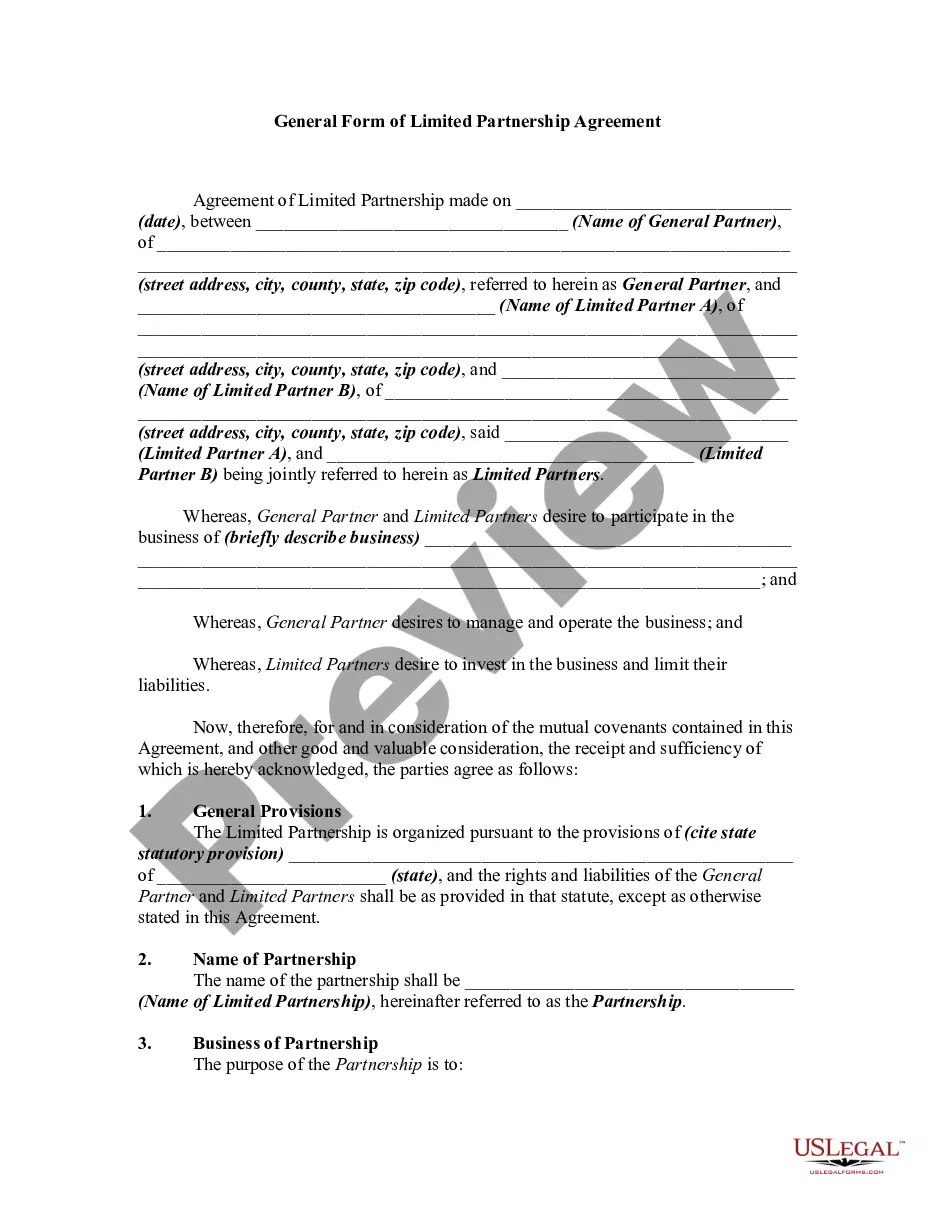
Get your form ready online
Our built-in tools help you complete, sign, share, and store your documents in one place.
Make edits, fill in missing information, and update formatting in US Legal Forms—just like you would in MS Word.
Download a copy, print it, send it by email, or mail it via USPS—whatever works best for your next step.
Sign and collect signatures with our SignNow integration. Send to multiple recipients, set reminders, and more. Go Premium to unlock E-Sign.
If this form requires notarization, complete it online through a secure video call—no need to meet a notary in person or wait for an appointment.
We protect your documents and personal data by following strict security and privacy standards.

Make edits, fill in missing information, and update formatting in US Legal Forms—just like you would in MS Word.

Download a copy, print it, send it by email, or mail it via USPS—whatever works best for your next step.

Sign and collect signatures with our SignNow integration. Send to multiple recipients, set reminders, and more. Go Premium to unlock E-Sign.

If this form requires notarization, complete it online through a secure video call—no need to meet a notary in person or wait for an appointment.

We protect your documents and personal data by following strict security and privacy standards.
Looking for another form?
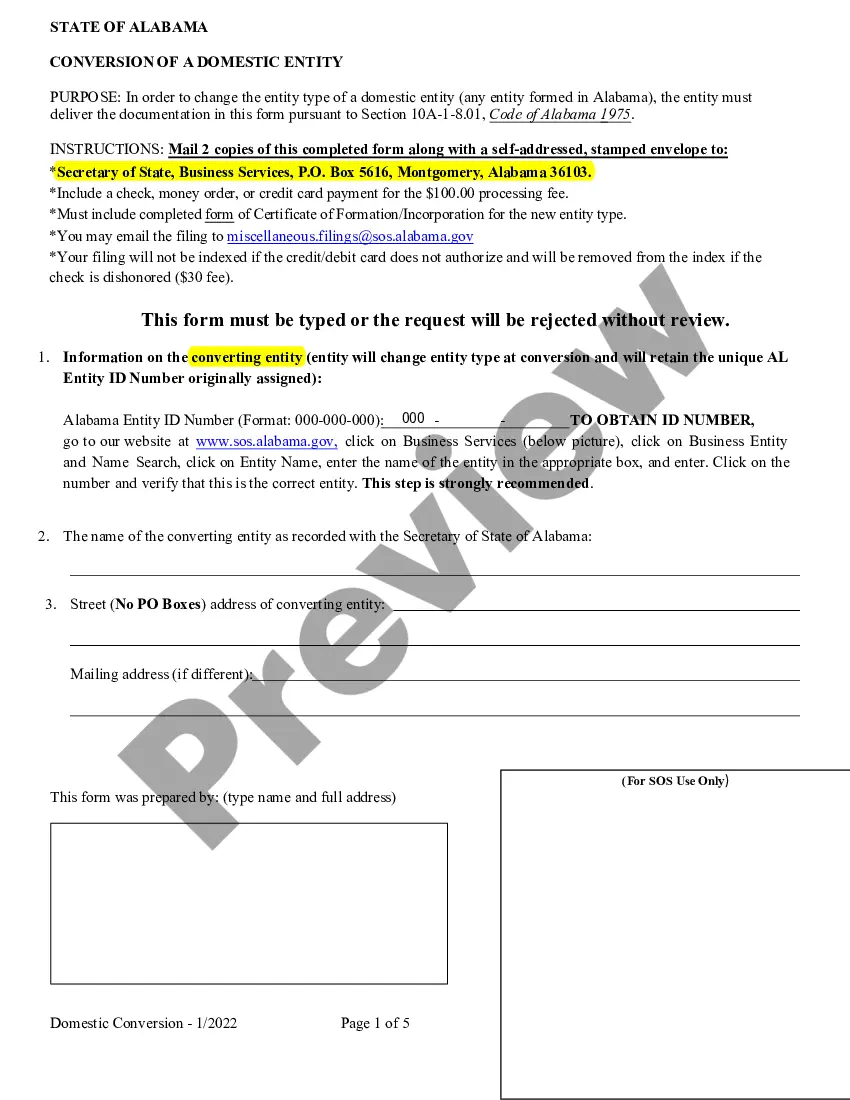




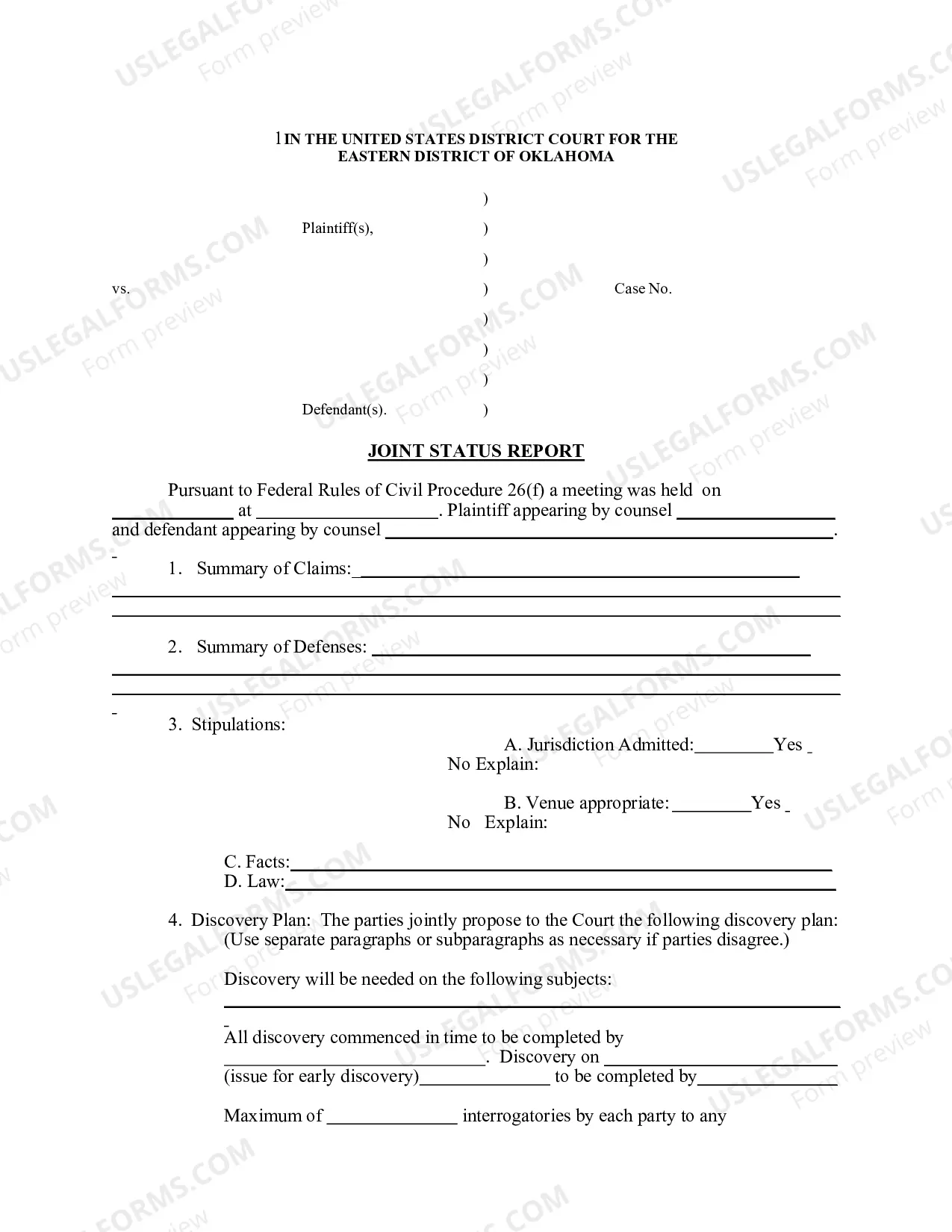
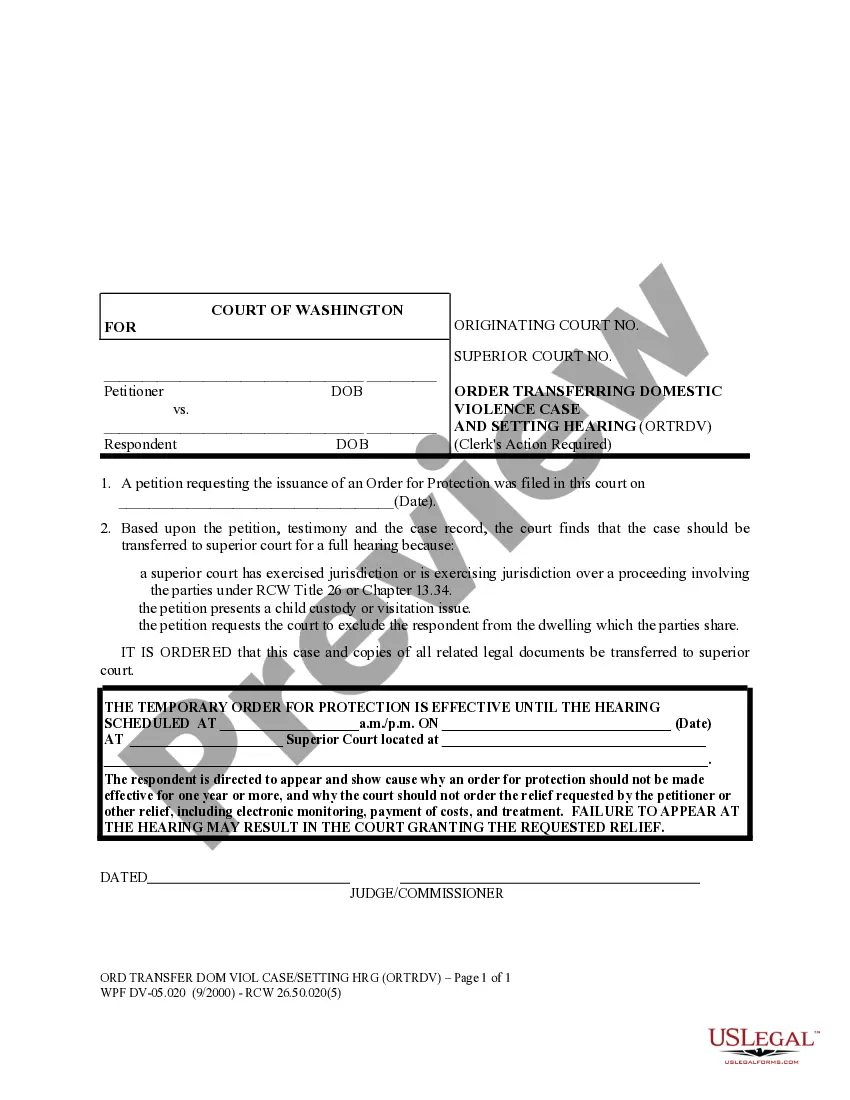
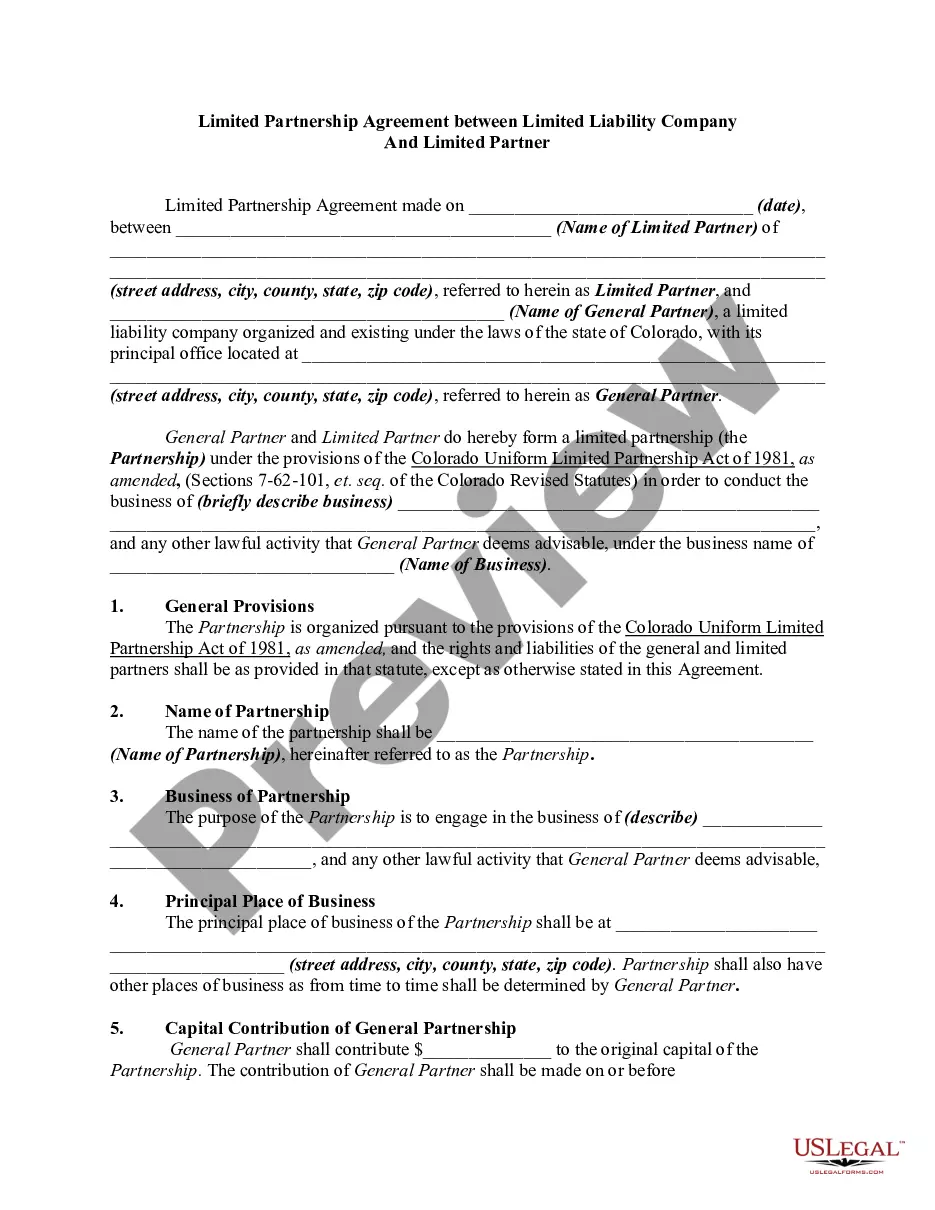
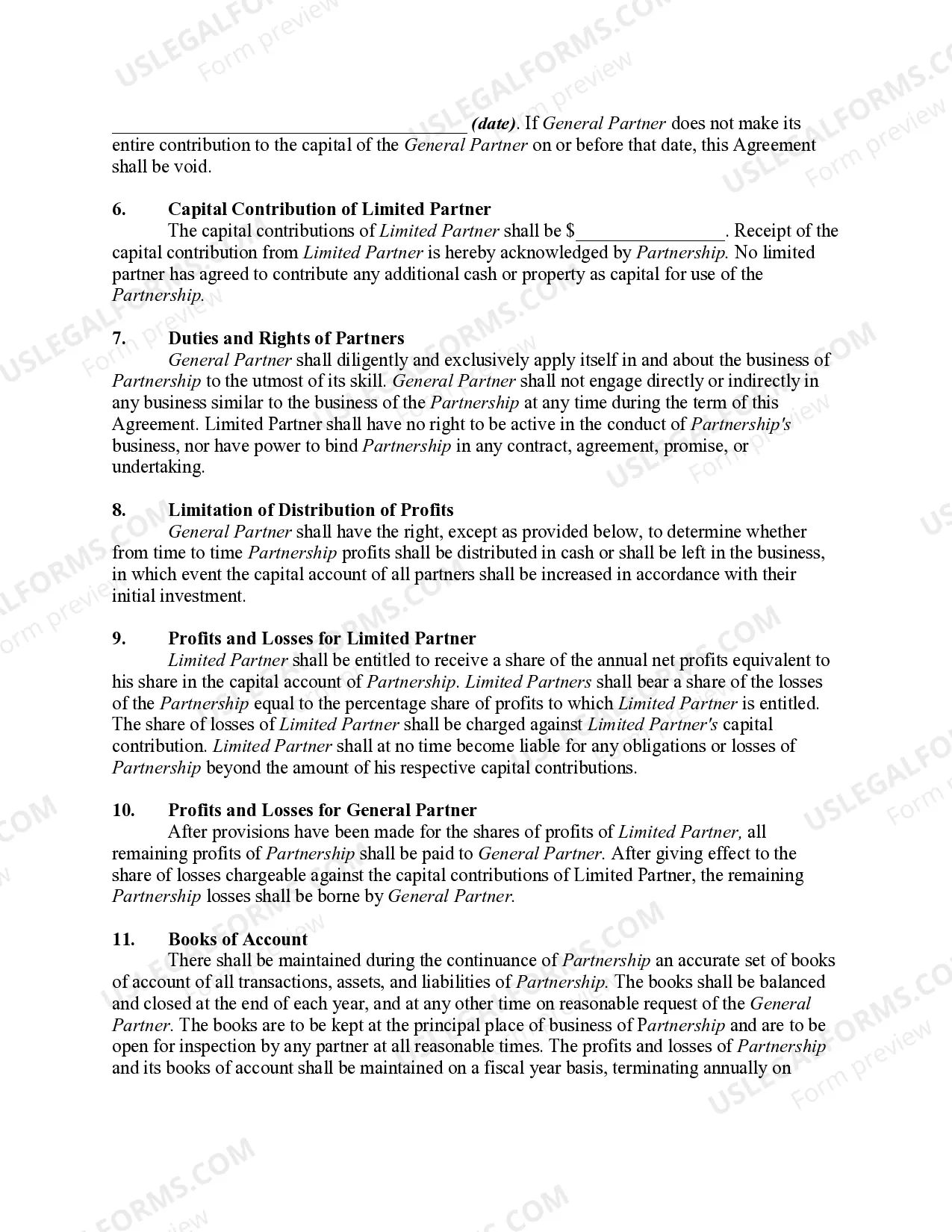
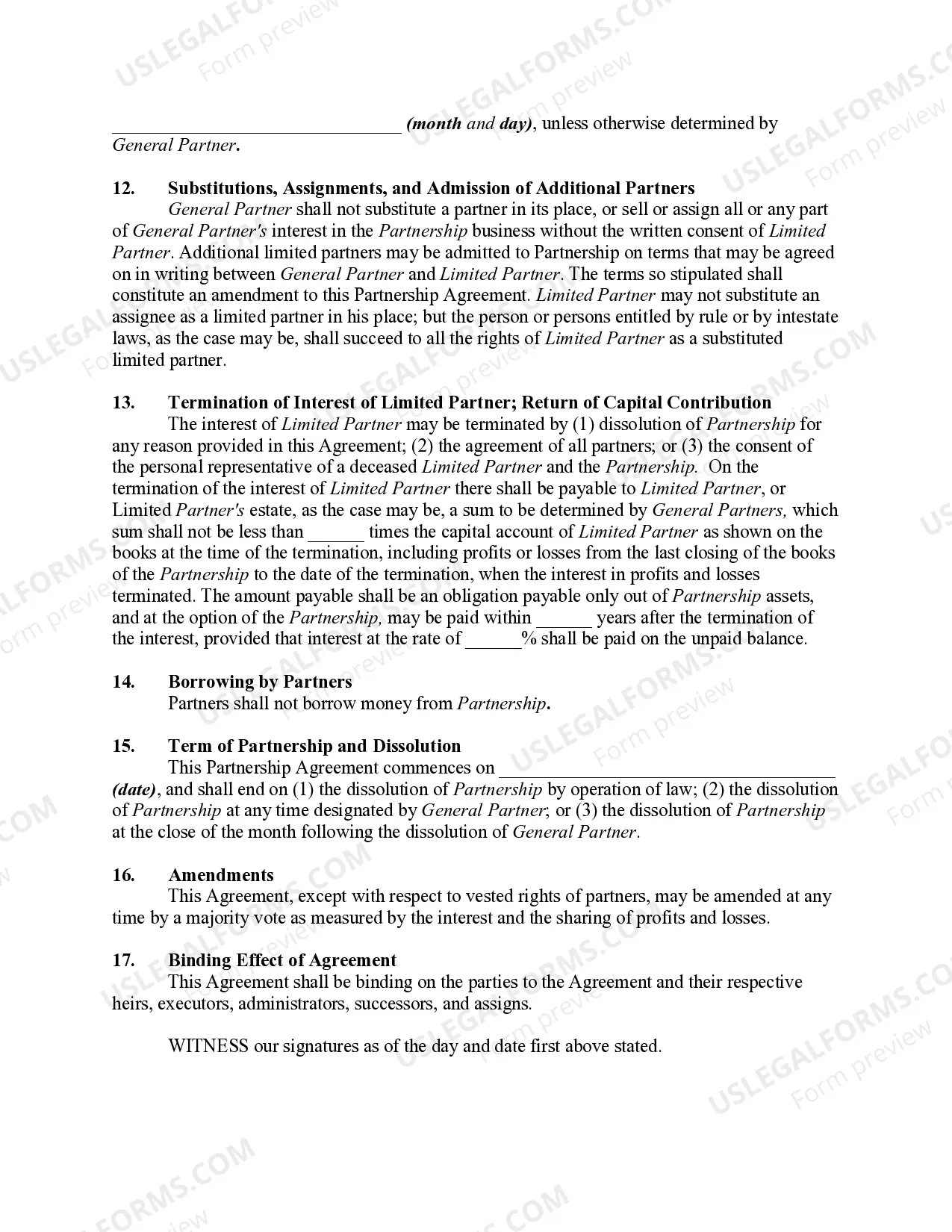
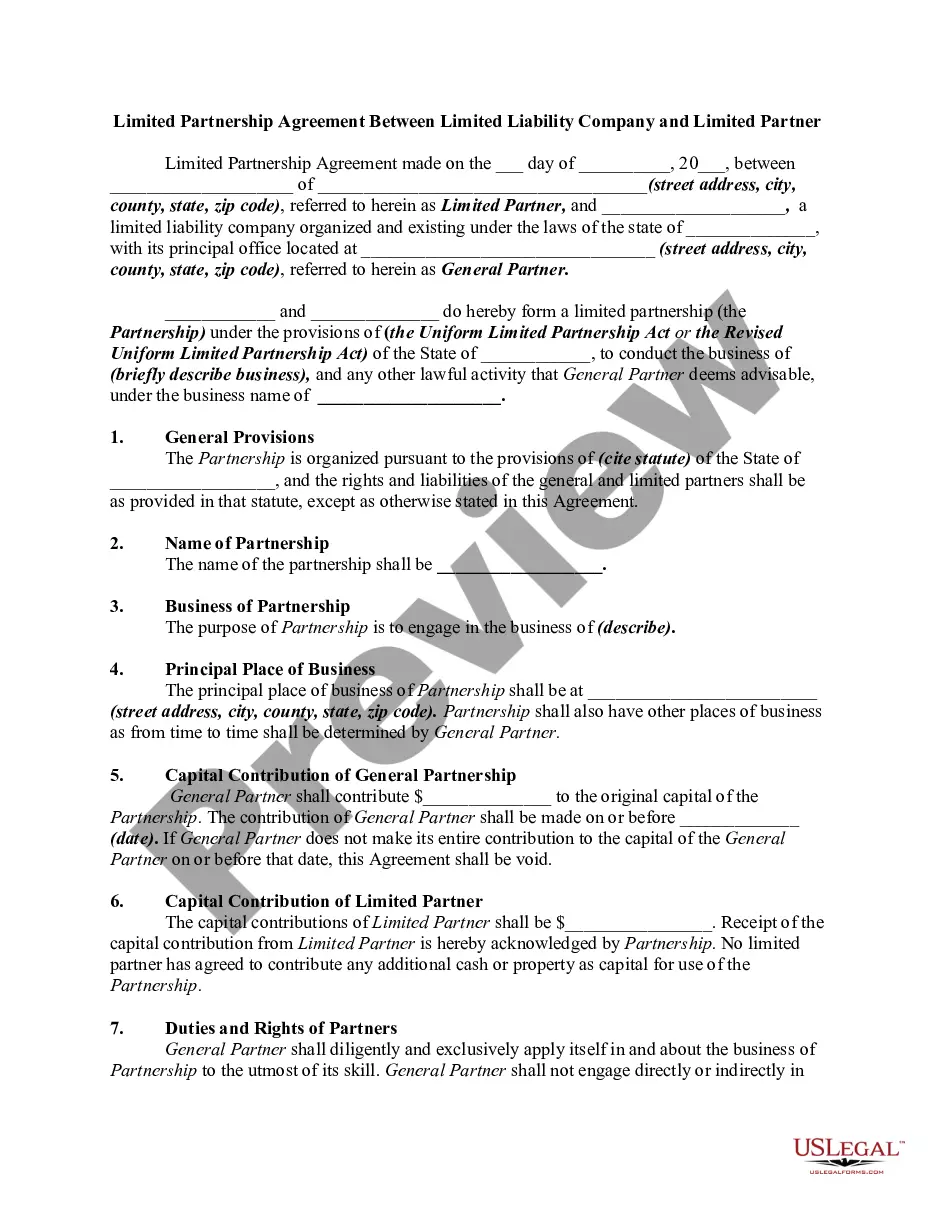
How to fill out Colorado Limited Partnership Agreement Between Limited Liability Company And Limited Partner?
- Log into your existing US Legal Forms account to download your required LLC form template. Ensure your subscription is active to avoid any interruptions.
- If you're new to the service, begin by reviewing the Preview mode and form descriptions to confirm you've selected the correct document that adheres to your local jurisdiction.
- If adjustments are needed, utilize the Search tab to find a suitable alternative. Select the right document to continue.
- Purchase the document by clicking the Buy Now button, where you'll select your preferred subscription plan. Registration is required to access the extensive library.
- Complete your payment by providing your credit card details or by using your PayPal account for a seamless transaction.
- Finally, download your form and save it onto your device. You can access it anytime through the My Forms menu in your account.
By following these steps, not only can you swiftly acquire necessary forms but also ensure they are tailored to your specific needs. Remember, the vast collection at US Legal Forms includes over 85,000 fillable documents, making it a robust resource for any LLC business.
Start your legal journey with US Legal Forms today and empower your business with the right documentation!
Form popularity
FAQ
The downside to a limited liability company (LLC) business primarily includes higher costs in some states due to annual fees and potential self-employment taxes. Additionally, while they provide liability protection, this can sometimes lead to a false sense of security, causing owners to overlook essential business insurance. Therefore, understanding these challenges is crucial for anyone considering the formation of an LLC.
A limited liability company (LLC) business is ideal for individuals who want to protect their personal assets while maintaining control over their business. It works well for entrepreneurs who expect to grow and generate income since it offers both liability protection and pass-through taxation. Additionally, someone who desires less administrative paperwork compared to a corporation will find LLCs appealing and user-friendly.
An LLC is best for small business owners, freelancers, and partnerships who seek liability protection and tax advantages. If you plan to operate a business with a higher risk of lawsuits, such as a service-based company or a retail entity, an LLC can provide much-needed security. Additionally, if you prefer a flexible management structure, then forming a limited liability company (LLC) business aligns well with your objectives.
A limited liability company (LLC) business benefits a variety of individuals. Entrepreneurs and small business owners who want to safeguard their personal assets while gaining flexibility in management will find it particularly advantageous. Moreover, partnerships looking for liability protection without the formalities of a corporation can also benefit significantly from LLC structures. This way, LLC owners enjoy financial protection and easy operational processes.
You should consider forming a limited liability company (LLC) business when you begin generating significant income or risk exposure. If you're engaging in activities that could lead to personal liability, like providing services or selling products, an LLC can help protect your personal assets. Generally, it’s a good idea to establish an LLC when your business begins to formalize, and you want to separate personal and business finances.
Indeed, while a limited liability company (LLC) business offers many advantages, it does have some downsides. One significant drawback is that LLCs may face self-employment taxes, which can be higher than taxes for corporations. Additionally, some states impose annual fees or taxes on LLCs, which can add to your operational costs. Therefore, it’s essential to evaluate these factors before forming a limited liability company.
To fill out the forms for an LLC, gather required information such as your business name, address, and details of the members or managers. You will typically complete the Articles of Organization form, which you can often find on your state’s Secretary of State website or through services like USLegalForms. After completing the form, submit it along with any required fees to officially form your Limited liability company (LLC) business. This step is crucial in solidifying your company structure.
When writing 'LLC,' always include the abbreviation in capital letters, followed by periods if required by your state's guidelines. 'LLC' can be used after the business name to signify its status as a Limited liability company (LLC) business. It's important to ensure consistency across all legal documents to avoid confusion. Following these rules helps maintain professionalism in your business naming.
An LLC example would involve a fictional business like 'Green Gardens LLC.' To create this example, ensure you clearly state the business's purpose, which may be garden design and maintenance, and outline how the name is used in legal documents. This provides clarity on how the name fits into the concept of a Limited liability company (LLC) business. Crafting a clear example helps potential clients understand your business structure.
To write a Limited Liability Company (LLC), start by choosing a unique name that complies with your state's regulations. Then, you need to file the Articles of Organization with the appropriate state agency, usually the Secretary of State. Ensure that you include all necessary information, such as the business name, address, and the registered agent's details. This process creates your Limited liability company (LLC) business legally.