Limited Company And Llc
Description

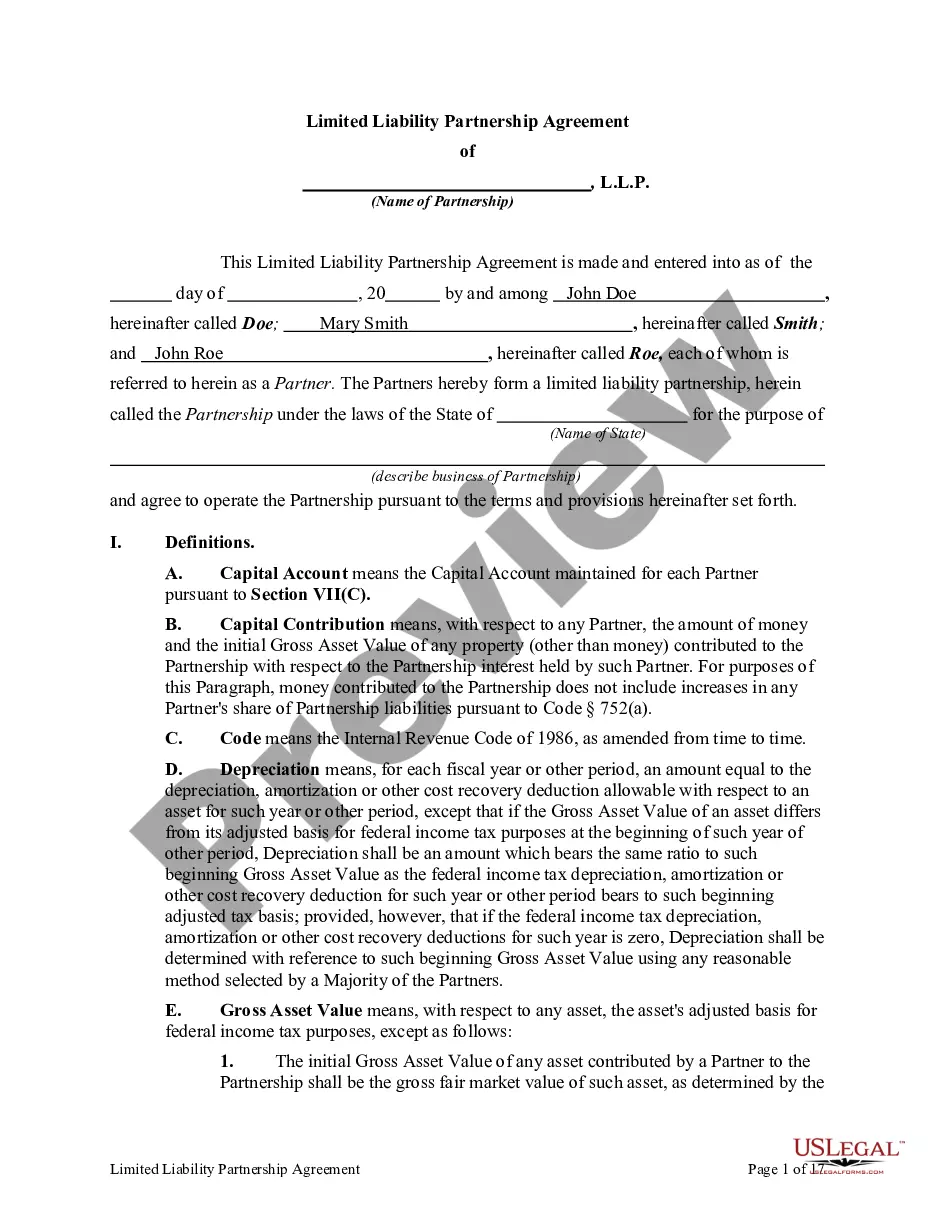
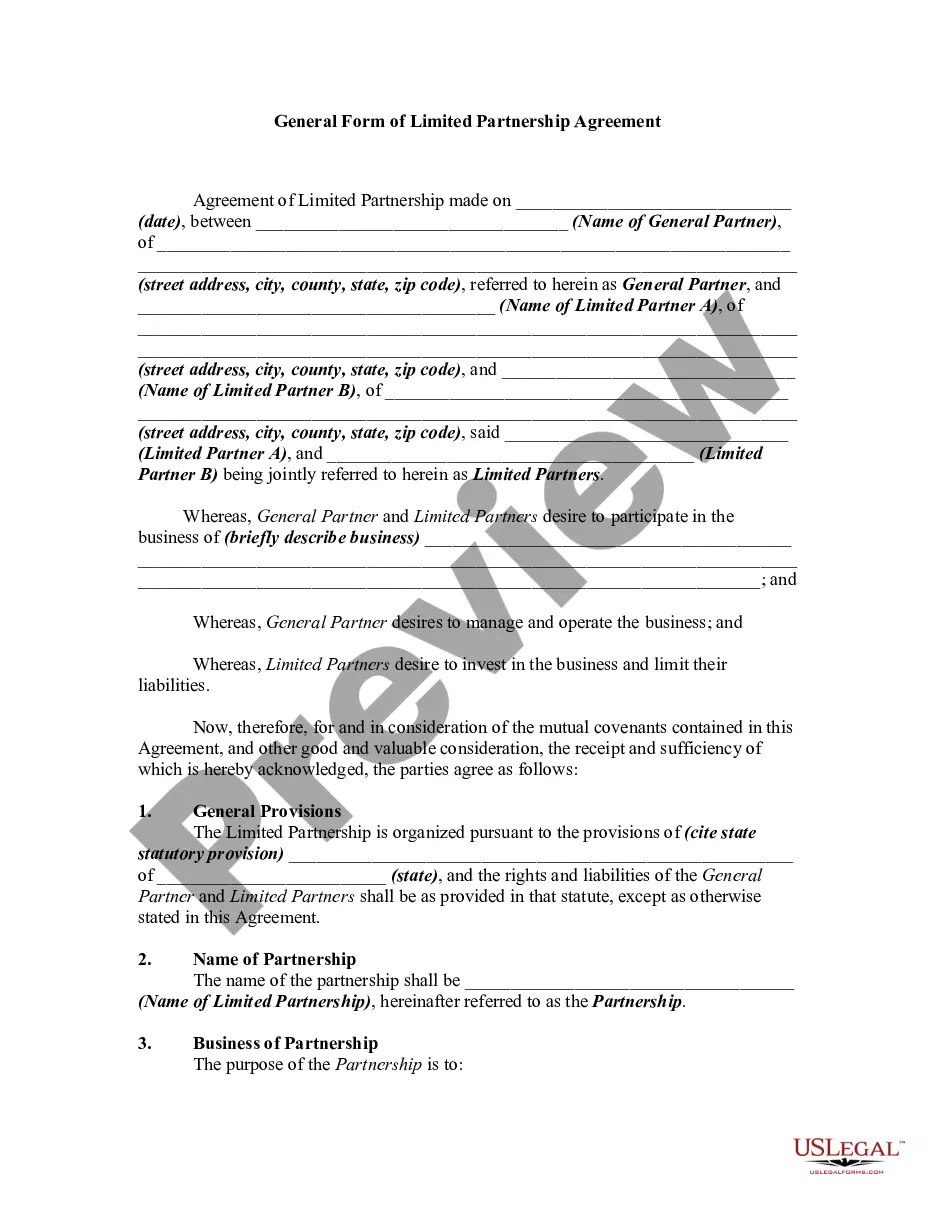
Get your form ready online
Our built-in tools help you complete, sign, share, and store your documents in one place.
Make edits, fill in missing information, and update formatting in US Legal Forms—just like you would in MS Word.
Download a copy, print it, send it by email, or mail it via USPS—whatever works best for your next step.
Sign and collect signatures with our SignNow integration. Send to multiple recipients, set reminders, and more. Go Premium to unlock E-Sign.
If this form requires notarization, complete it online through a secure video call—no need to meet a notary in person or wait for an appointment.
We protect your documents and personal data by following strict security and privacy standards.

Make edits, fill in missing information, and update formatting in US Legal Forms—just like you would in MS Word.

Download a copy, print it, send it by email, or mail it via USPS—whatever works best for your next step.

Sign and collect signatures with our SignNow integration. Send to multiple recipients, set reminders, and more. Go Premium to unlock E-Sign.

If this form requires notarization, complete it online through a secure video call—no need to meet a notary in person or wait for an appointment.

We protect your documents and personal data by following strict security and privacy standards.
Looking for another form?

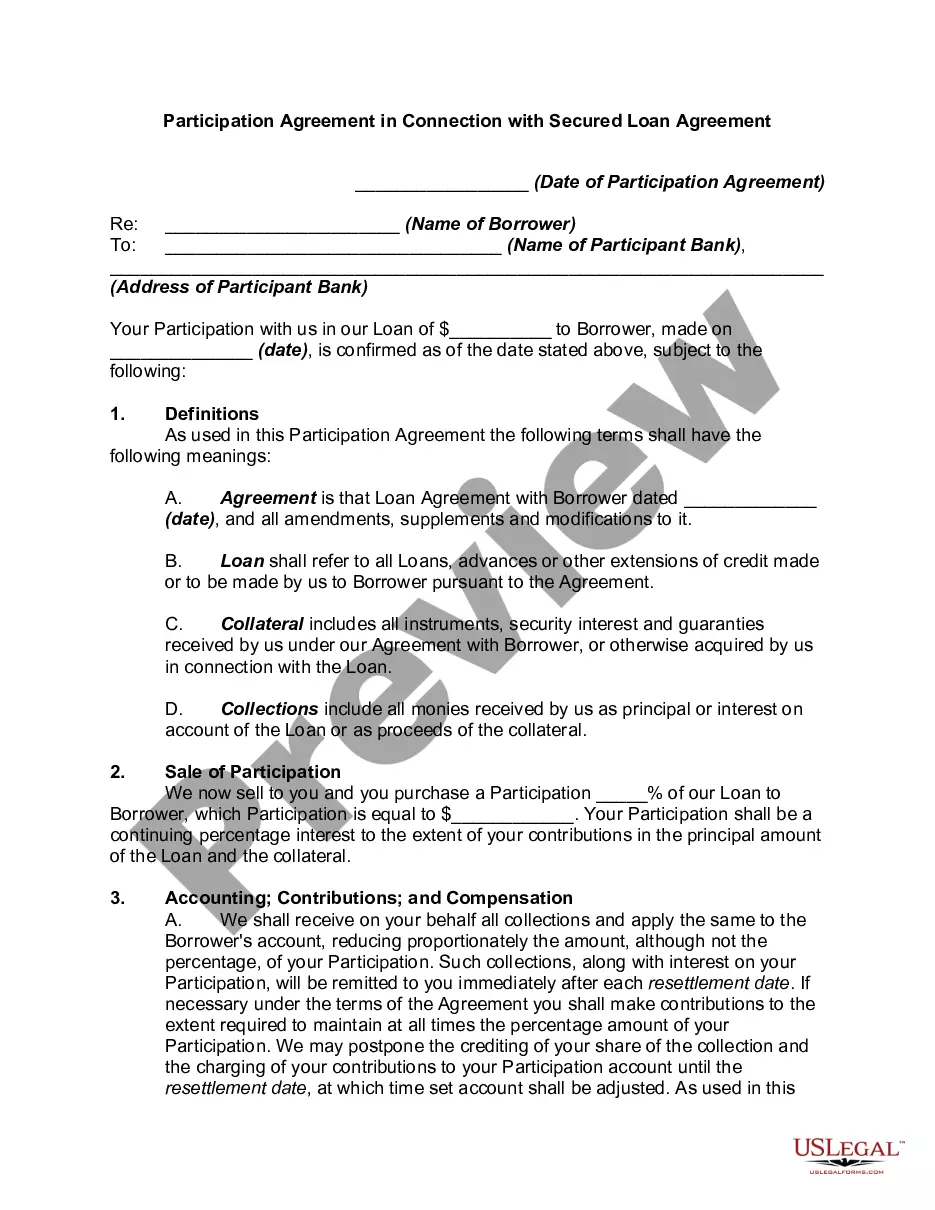
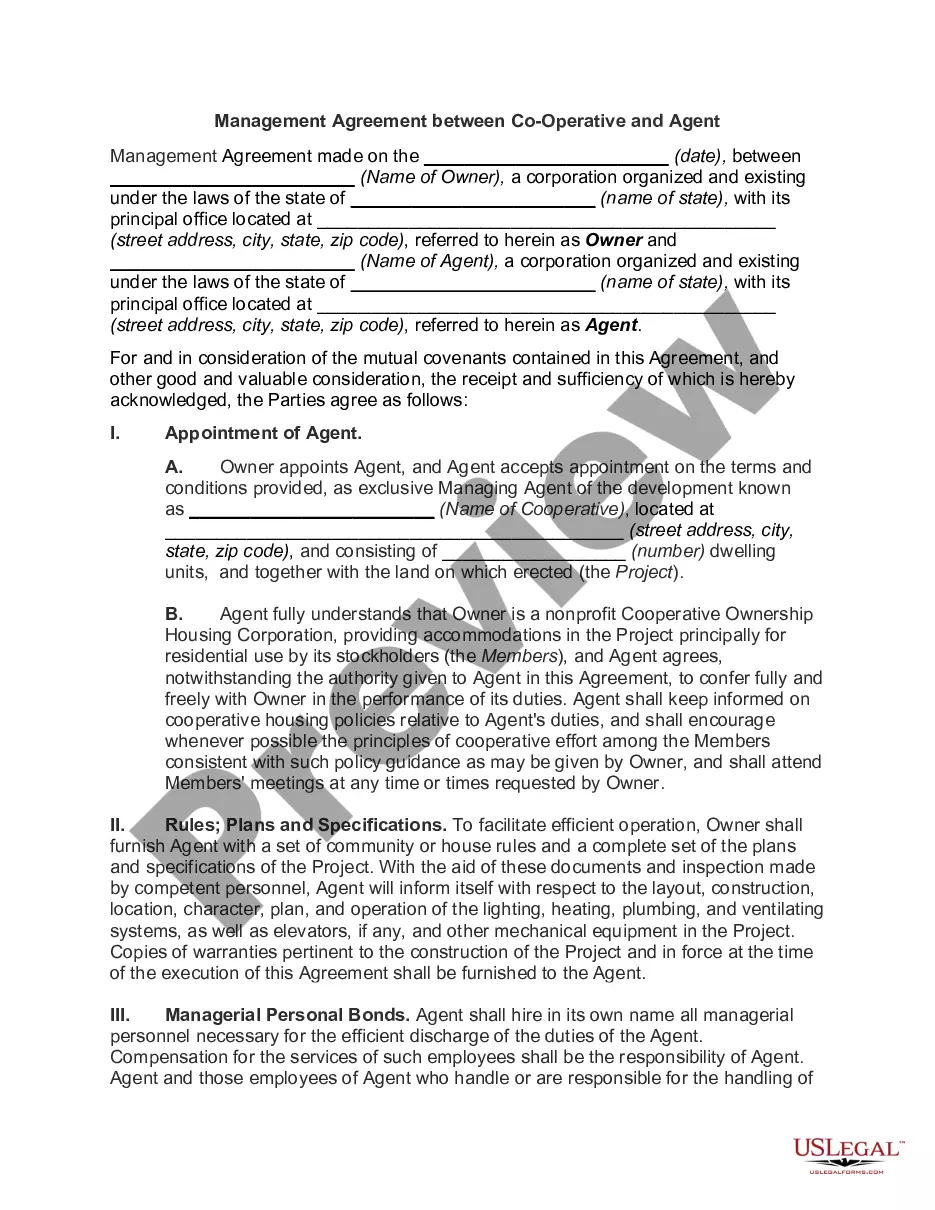





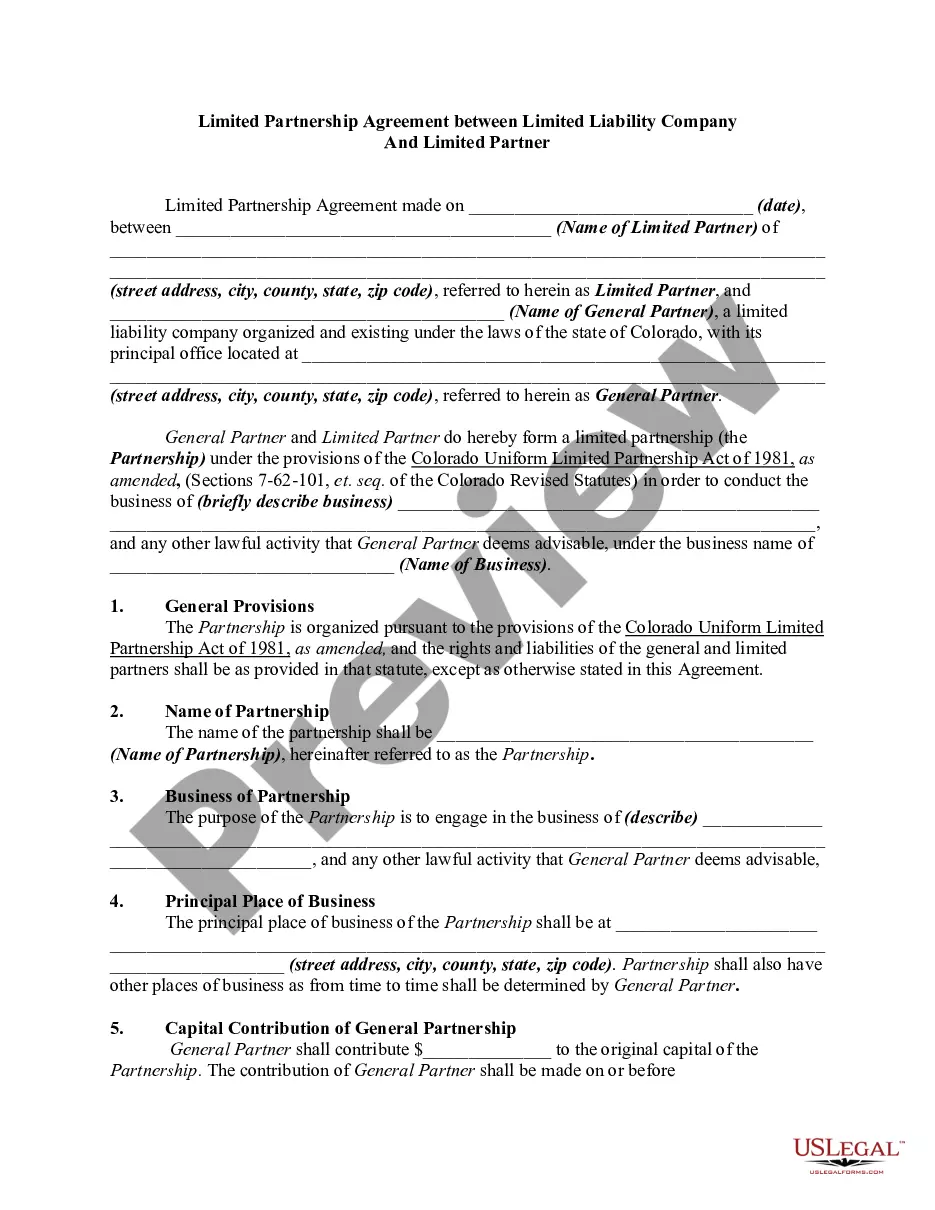
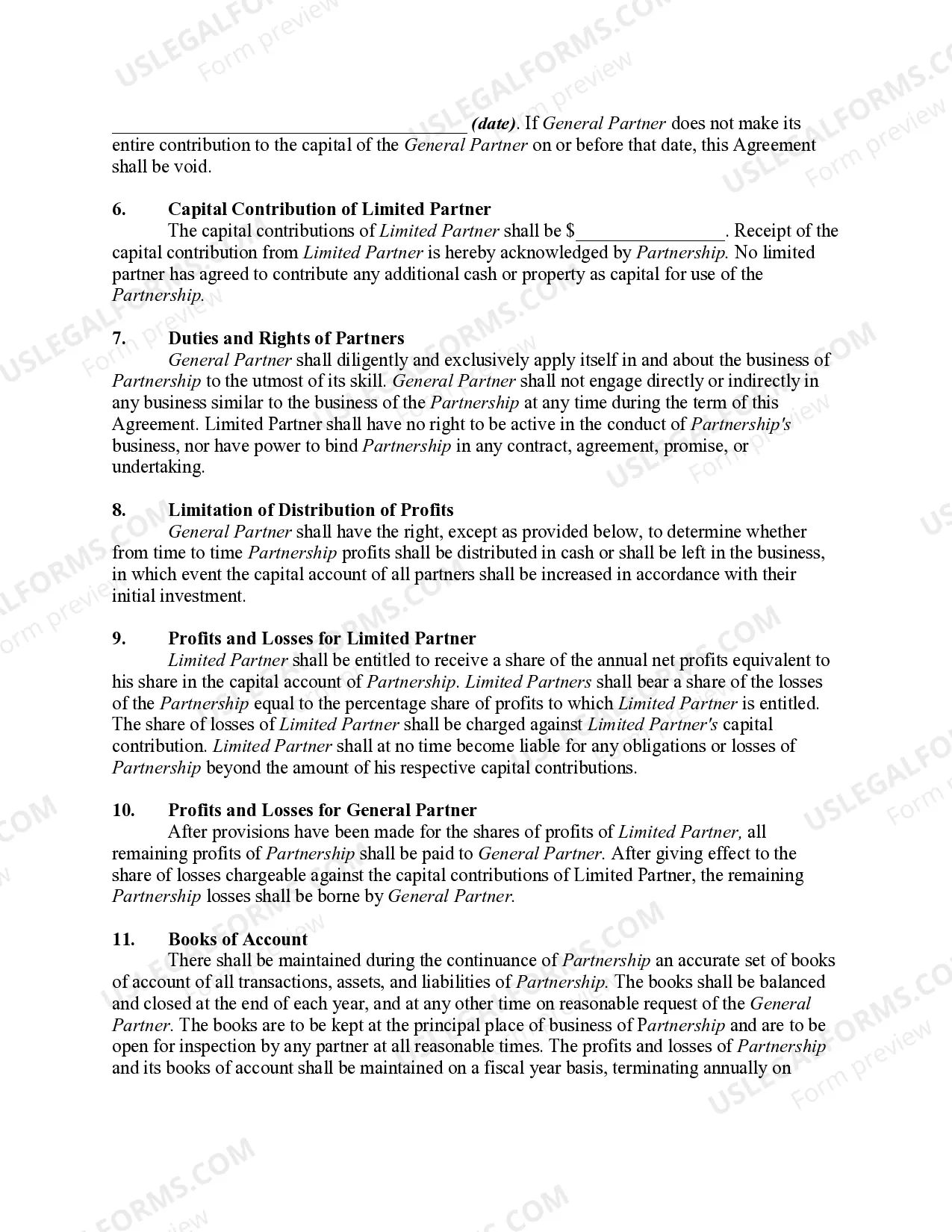
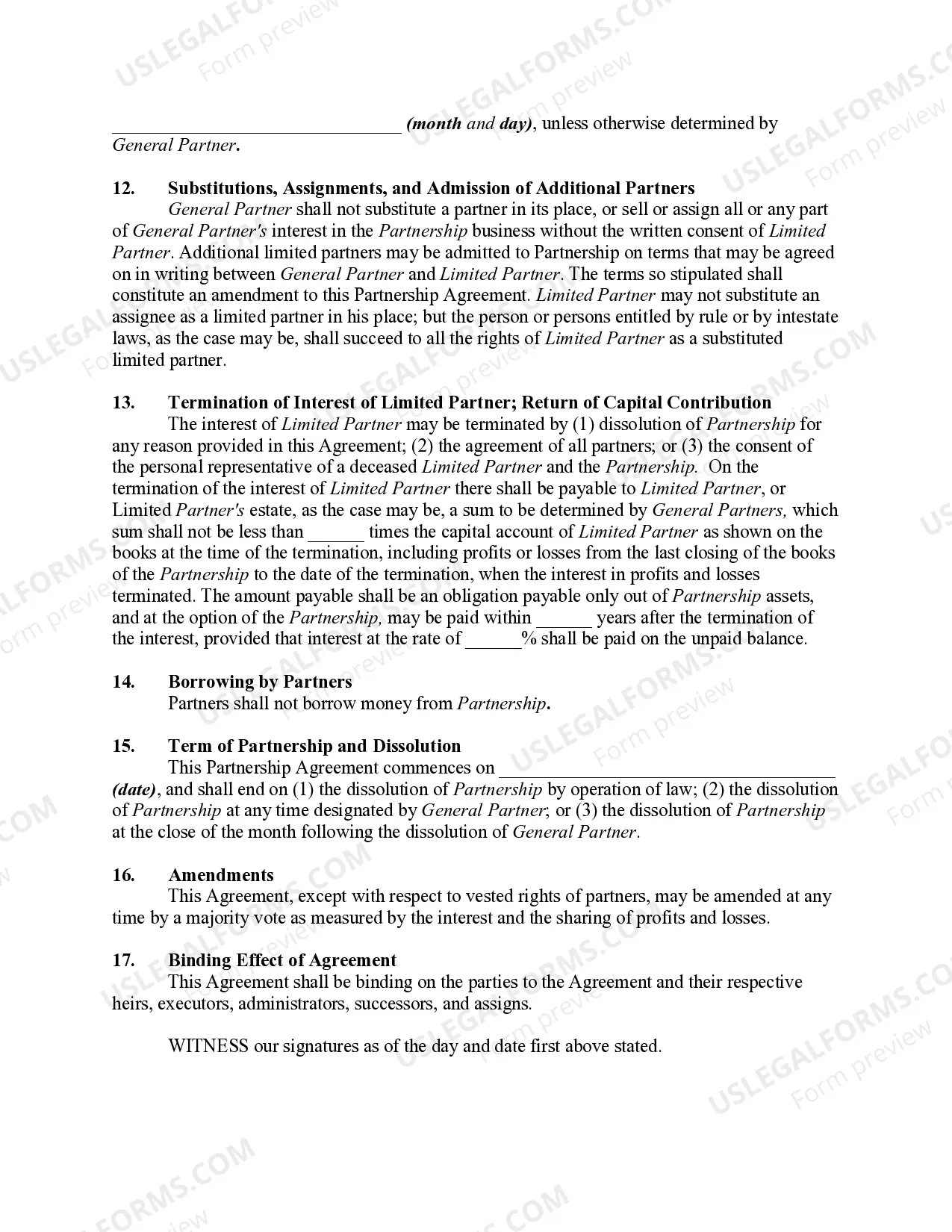
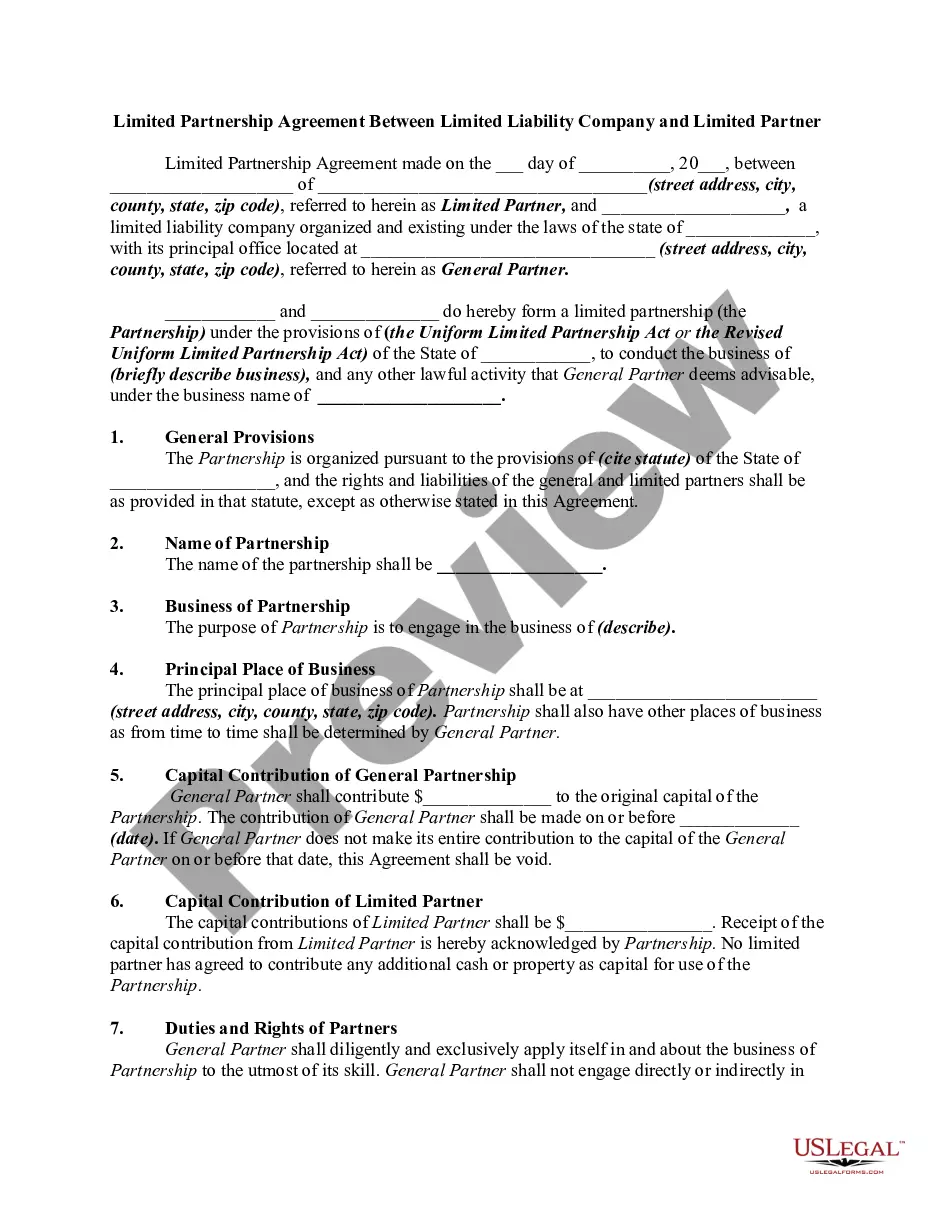
How to fill out Colorado Limited Partnership Agreement Between Limited Liability Company And Limited Partner?
- If you're a returning user, log in to your account and select the required form template. Ensure your subscription is active; if it has expired, renew it as per your chosen payment plan.
- For first-time users, begin by previewing the available forms. Verify that the selected document aligns with your specific needs and adheres to local jurisdiction guidelines.
- If necessary, conduct a search using the Search tab to find the appropriate template that suits your situation.
- Once you've identified the right form, click on the Buy Now button to select your preferred subscription plan. You must create an account to explore our extensive library.
- Complete your purchase by entering your credit card information or opting for a PayPal payment.
- Finally, download your form to your device. You can access it anytime in the My Forms section of your profile.
With US Legal Forms, you can access a robust collection of over 85,000 legal documents, more than our competitors, ensuring you find what you need quickly and efficiently.
Get started today and experience how easy managing your legal documents can be with US Legal Forms. Let us help you make your limited company or LLC journey seamless!
Form popularity
FAQ
Yes, when forming a limited company or LLC, it is essential to include 'LLC' in your company name. This designation informs the public that your business operates as a limited liability company, providing legal protections for personal assets. Additionally, including 'LLC' can help you establish credibility and trust with your clients. For streamlined setup, platforms like US Legal Forms make it easy to register your LLC with proper naming conventions.
LTD stands for 'limited,' indicating that the company has limited liability, meaning the owners' personal assets are protected from business debts. This term is commonly used to denote limited companies in various jurisdictions. By establishing an LTD, business owners can assure clients and partners that they operate within a structured and legally recognized framework.
Forming a limited company can be a strong choice for many entrepreneurs. It often provides personal liability protection, which can safeguard your private assets in case of business debts. Additionally, operating as a limited company can enhance your business's credibility with clients and suppliers, leading to more opportunities. We recommend consulting with experts like UsLegalForms to guide you through this process.
While a private limited company and an LLC share similarities, such as liability protection, they are not identical. A private limited company is typically recognized in specific jurisdictions and may have certain restrictions on ownership, while an LLC is more versatile and common in the U.S. Thus, it's essential to consider local laws and how they apply to your business.
The decision between LLC and LTD largely hinges on your business goals and regulatory environment. An LLC provides more flexibility in management structure and tax treatment, making it appealing to many entrepreneurs. In contrast, an LTD may offer greater credibility in certain markets but often comes with stricter compliance obligations. Understanding your priorities can help you make the best choice.
An LLC, or limited liability company, is a specific type of business structure that offers protection from personal liability for its owners. A limited company, often referred to as LTD, can be similar but may have different legal requirements depending on the country. In essence, while both provide liability protection, the specifics can vary based on your location and needs.
Choosing between an LLC and a limited partnership (LP) often depends on your needs. An LLC provides personal liability protection for its owners, which is a significant advantage for many. On the other hand, an LP requires at least one general partner who has unlimited liability. Therefore, if you prioritize limited liability, the LLC is typically a better choice.
Yes, it's advisable to establish an LLC before purchasing a business. A limited company and LLC can limit your personal liability for any debts or legal matters related to the business you acquire. By forming an LLC first, you can create a protective barrier around your personal assets. Consider using platforms like U.S. Legal Forms to simplify the process of forming an LLC.
You don’t necessarily need an LLC to start a business, but it is often recommended. A limited company and LLC provide clear legal structures that can help protect your personal assets from business liabilities. Without an LLC, you may find yourself personally responsible for debts and lawsuits that arise from your business. It’s a wise approach to consider having an LLC for added security.
Yes, forming an LLC can be a wise step before starting a business. A limited company and LLC offer personal liability protection, which means your personal assets are safe if your business faces legal issues. Additionally, having an LLC can enhance your professional image and make it easier to open a business bank account. Overall, it’s a solid foundation for your entrepreneurial journey.