Real Estate Attorney For Deed
Description
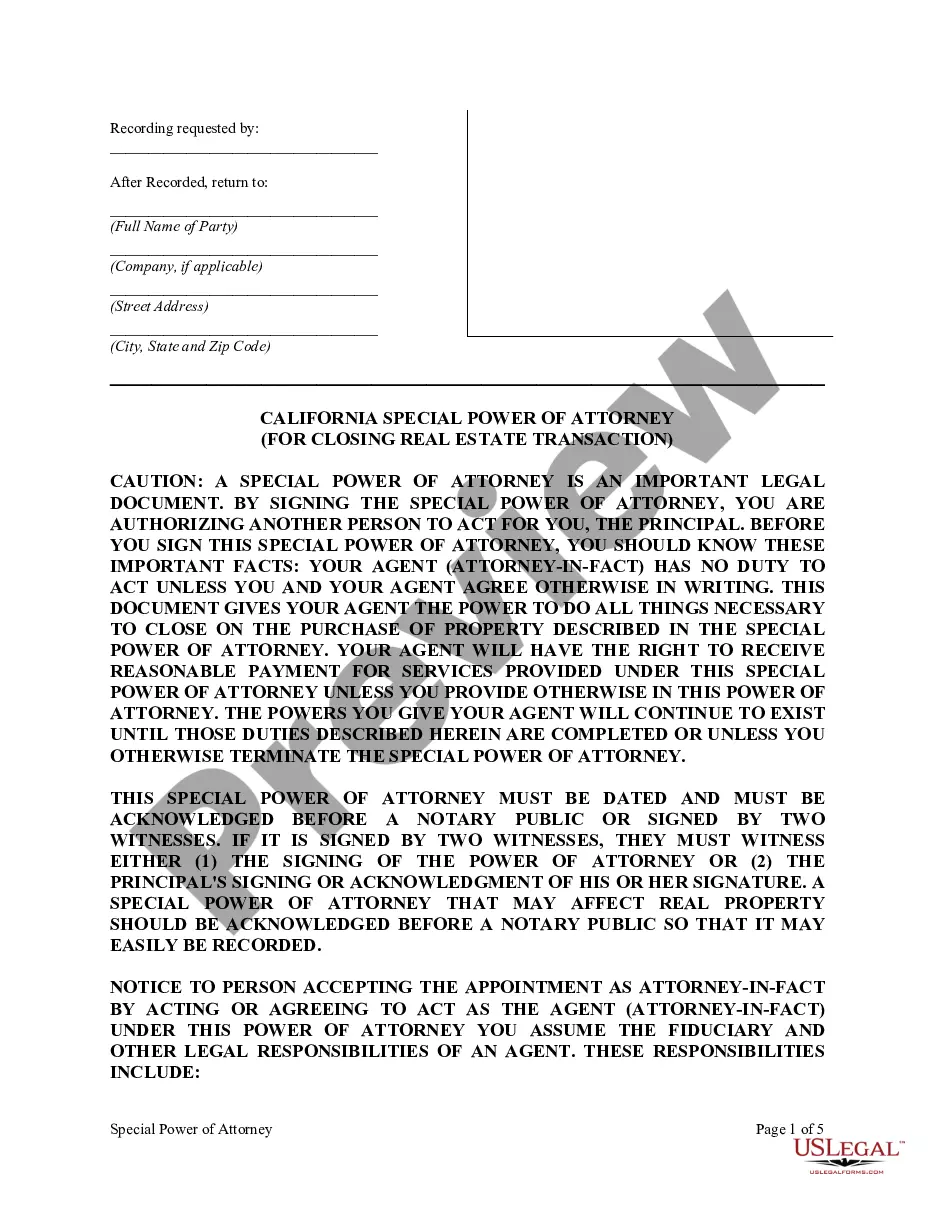
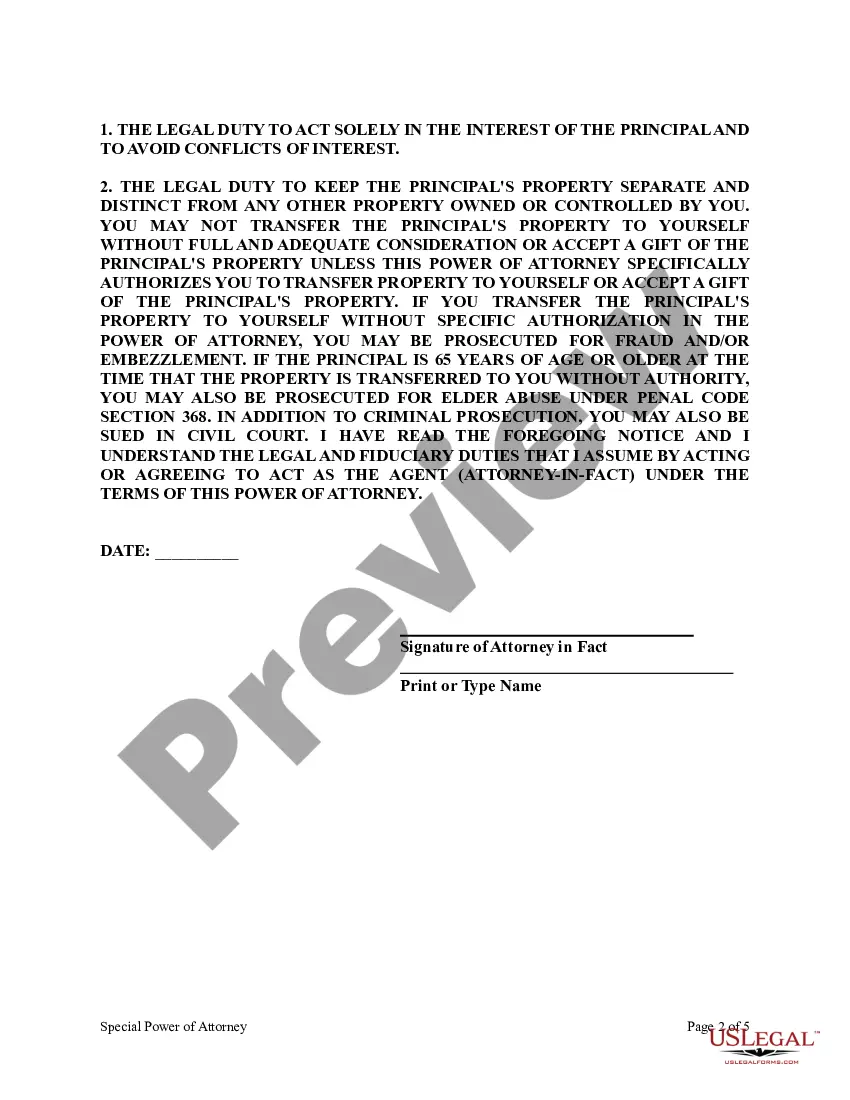
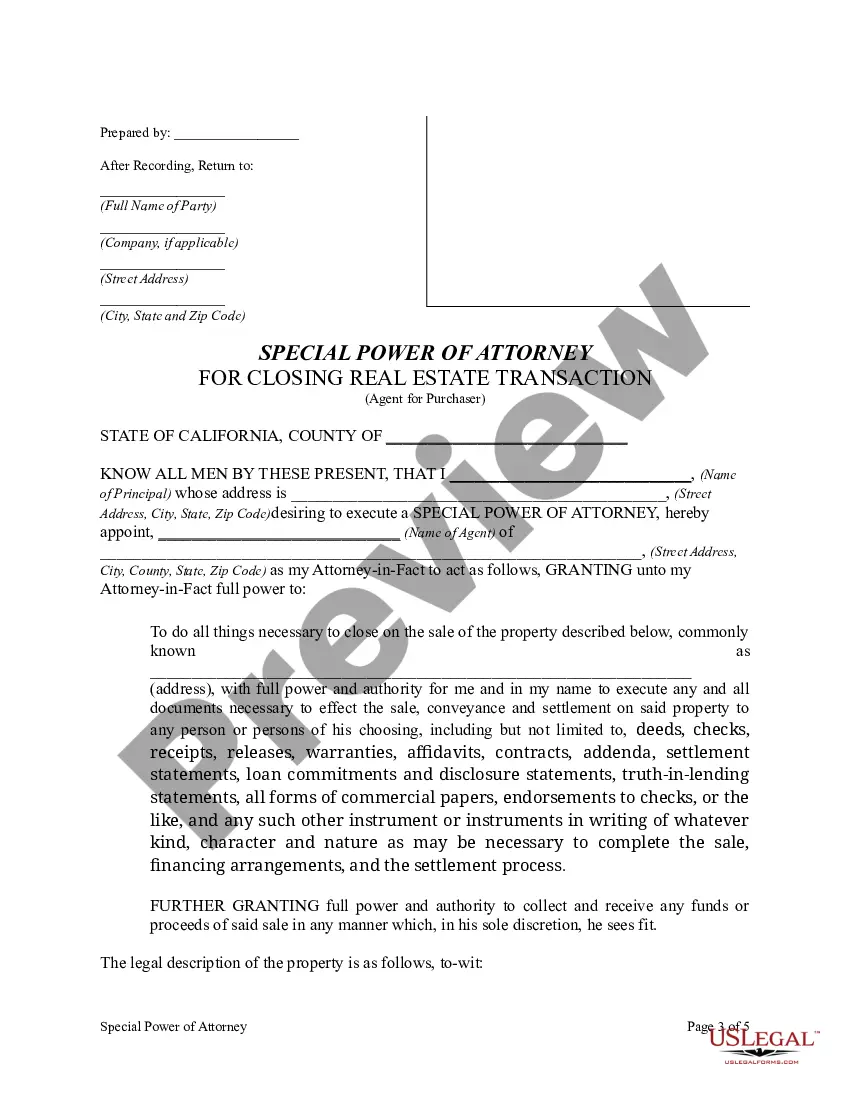
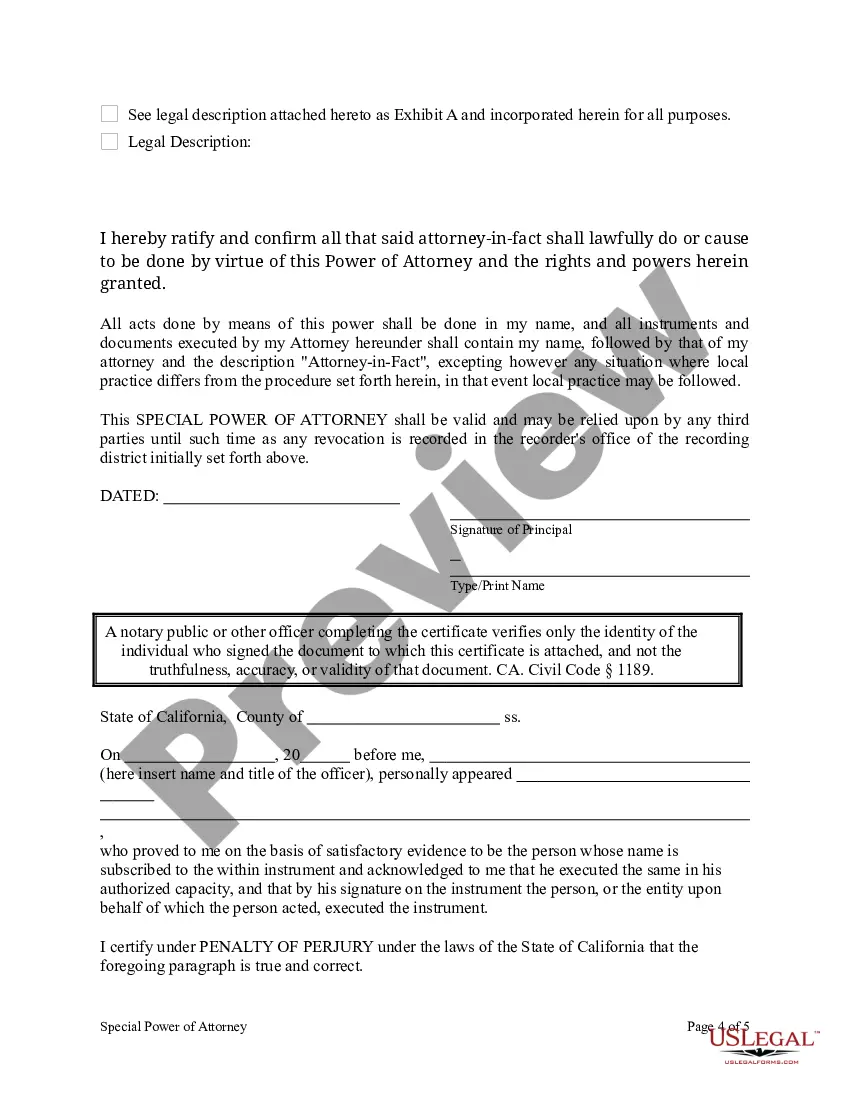
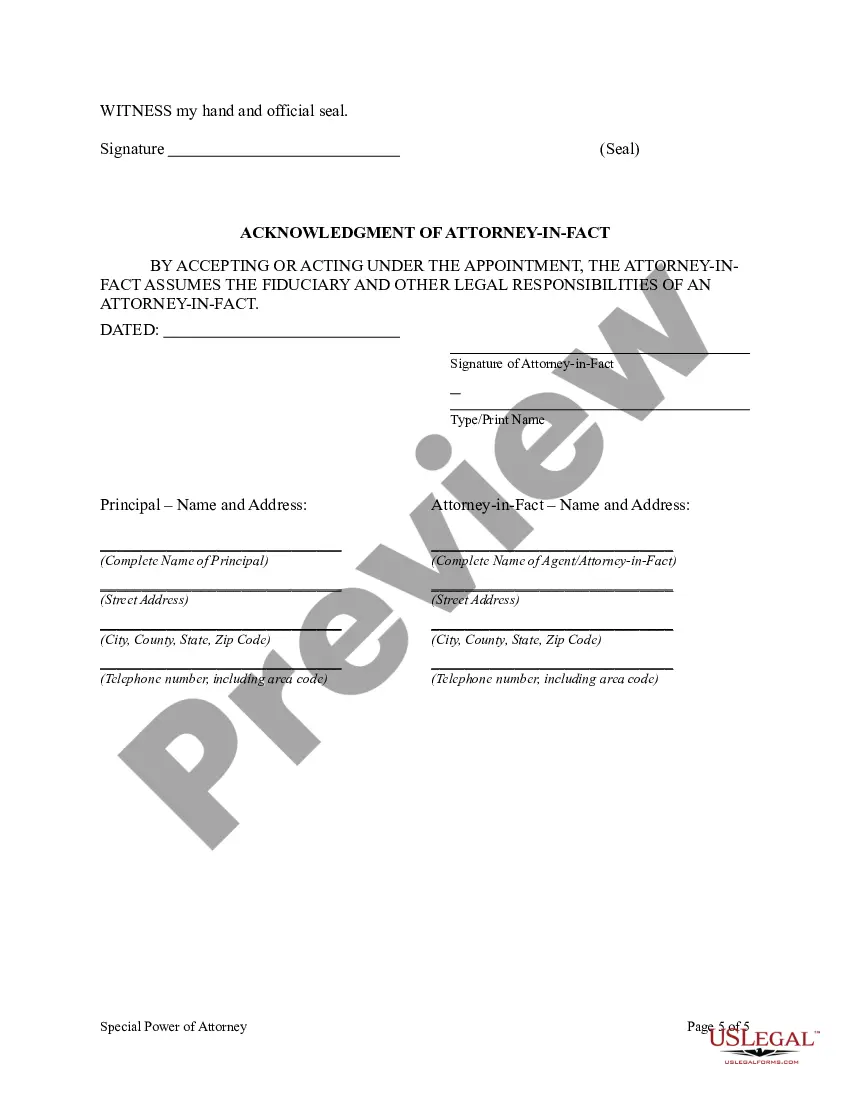
Get your form ready online
Our built-in tools help you complete, sign, share, and store your documents in one place.
Make edits, fill in missing information, and update formatting in US Legal Forms—just like you would in MS Word.
Download a copy, print it, send it by email, or mail it via USPS—whatever works best for your next step.
Sign and collect signatures with our SignNow integration. Send to multiple recipients, set reminders, and more. Go Premium to unlock E-Sign.
If this form requires notarization, complete it online through a secure video call—no need to meet a notary in person or wait for an appointment.
We protect your documents and personal data by following strict security and privacy standards.

Make edits, fill in missing information, and update formatting in US Legal Forms—just like you would in MS Word.

Download a copy, print it, send it by email, or mail it via USPS—whatever works best for your next step.

Sign and collect signatures with our SignNow integration. Send to multiple recipients, set reminders, and more. Go Premium to unlock E-Sign.

If this form requires notarization, complete it online through a secure video call—no need to meet a notary in person or wait for an appointment.

We protect your documents and personal data by following strict security and privacy standards.
Looking for another form?




How to fill out California Special Or Limited Power Of Attorney For Real Estate Purchase Transaction By Purchaser?
- If you're a returning user, sign in to your account on the US Legal Forms website. Ensure your subscription is active before proceeding to download the required document.
- For first-time users, begin by reviewing the form descriptions and preview options available to identify the one that caters to your specific needs.
- Utilize the search function if the desired template is not readily apparent. This will allow you to locate the right document that meets your local requirements.
- Once you have selected the appropriate form, click the 'Buy Now' button to choose your subscription plan. You'll need to create an account for full library access.
- Proceed to purchase by entering your payment details via credit card or PayPal account.
- After the transaction is complete, download the template and save it on your device for completion. You can also access it anytime from the 'My Forms' section of your account.
With US Legal Forms, you gain the upper hand in acquiring legal documents, backed by a comprehensive collection of over 85,000 forms. This ensures your documents are not only tailored to your needs but also legally sound.
Start your journey with US Legal Forms today and experience the convenience of accessing professional-grade legal documents easily.
Form popularity
FAQ
The time required to prepare a deed can vary based on specific circumstances, but typically it takes a few days to a couple of weeks. If you engage a real estate attorney for deed preparation, they can ensure the process moves efficiently and meets all legal standards. Timeliness is vital in real estate transactions, so it's wise to address this early in your planning.
While it is possible to prepare a deed yourself, hiring a real estate attorney for deed preparation can save you time and ensure accuracy. A real estate attorney understands state laws and requirements, which helps prevent costly mistakes. Moreover, they can navigate complex transactions and provide advice tailored to your specific situation.
Transferring a house deed after death in New York involves a few important steps, including obtaining the death certificate and reviewing the will. If the property was part of a trust or had joint ownership, the transfer may be more straightforward. To navigate these legal intricacies, consider seeking advice from a real estate attorney for deed who can guide you through the process seamlessly.
You do not necessarily need to be an attorney to prepare a deed; however, it is highly recommended. Legal documents like deeds must meet strict legal requirements to be valid, and an attorney ensures these are met. Hiring a real estate attorney for deed can protect your interests and help avoid potential pitfalls.
When a document is executed as a deed, it signifies a formal and legal commitment to transfer ownership of a property. This execution requires specific steps, including proper signing and notarization, which gives the document additional legal weight. For clarity and compliance with applicable laws, it's wise to consult a real estate attorney for deed during this process.
To ensure a deed is valid, it must meet seven essential criteria: it should be in writing, include the grantor's signature, identify the grantee, describe the property, indicate the intent to transfer, and be delivered to the grantee. Furthermore, it should be acknowledged by a notary public. Engaging a real estate attorney for deed can help you navigate these requirements confidently.
In New York, the requirements for executing a deed include having a competent grantor who is of legal age and sound mind. The deed must be in writing, clearly identify the property, and contain the names of both the grantor and grantee. Additionally, it should be signed by the grantor and acknowledged before a notary public. For comprehensive assistance, consider consulting a real estate attorney for deed.
A probate lawyer focuses specifically on the legal process of probate, which involves validating a will and distributing assets. In contrast, an estate lawyer covers a broader scope, including estate planning and tax issues, alongside probate matters. When dealing with deeds, a real estate attorney for deed typically integrates knowledge from both fields to assist clients effectively. Choosing the right legal expert depends on your specific needs regarding estate management.
A real estate attorney for deed plays a crucial role in settling an estate. They help identify assets, manage debts, and ensure all legal processes follow state laws. Additionally, attorneys facilitate communication between heirs and handle disputes that may arise. By working with a competent attorney, you can streamline the settlement process and ensure that the estate is closed efficiently.
Engaging a real estate attorney for deed is advisable when drafting a deed. A lawyer ensures that the document meets all legal requirements and accurately reflects the intentions of the parties involved. They can also provide guidance on the implications of the deed, helping you avoid potential disputes. Therefore, consulting a real estate attorney for deed can save you time and stress in the long run.