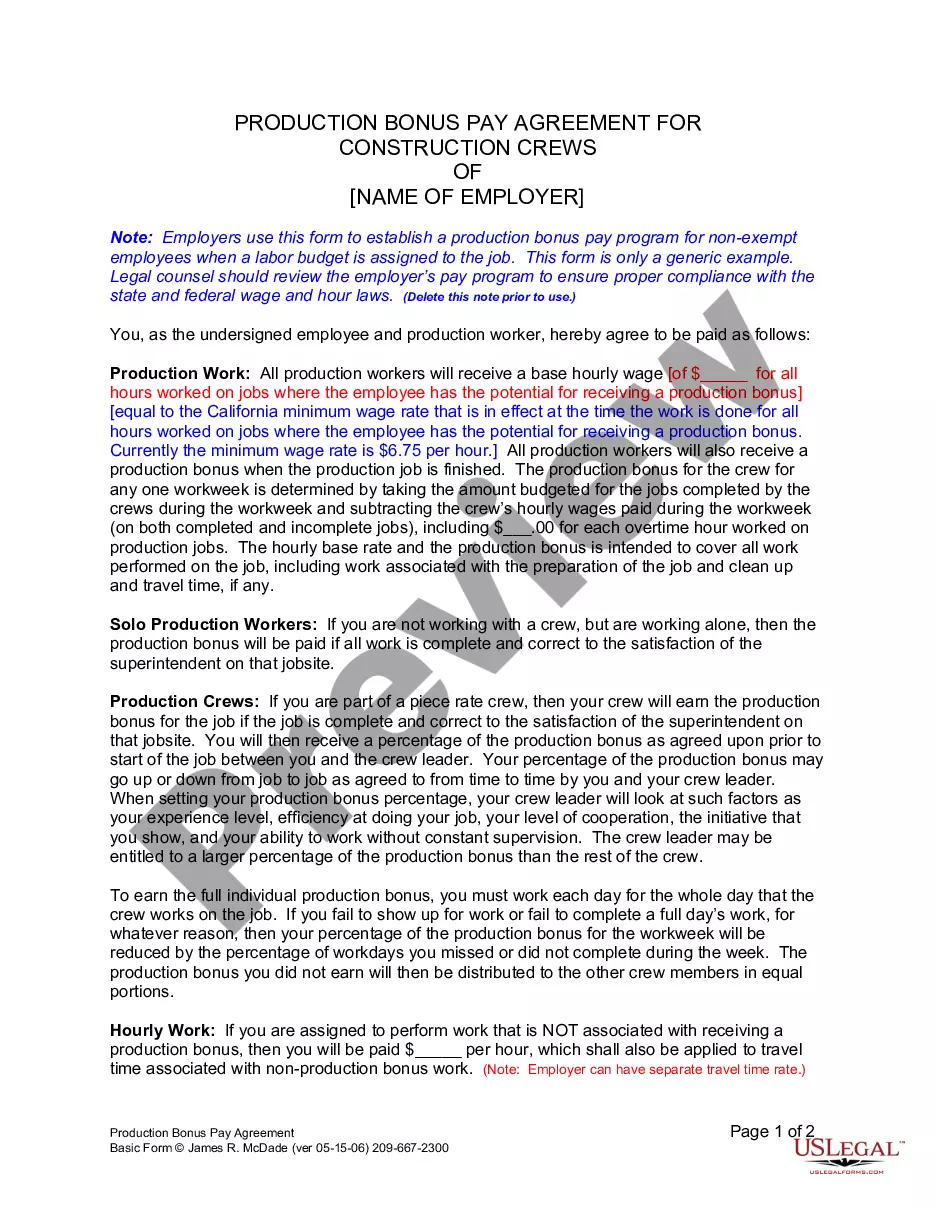
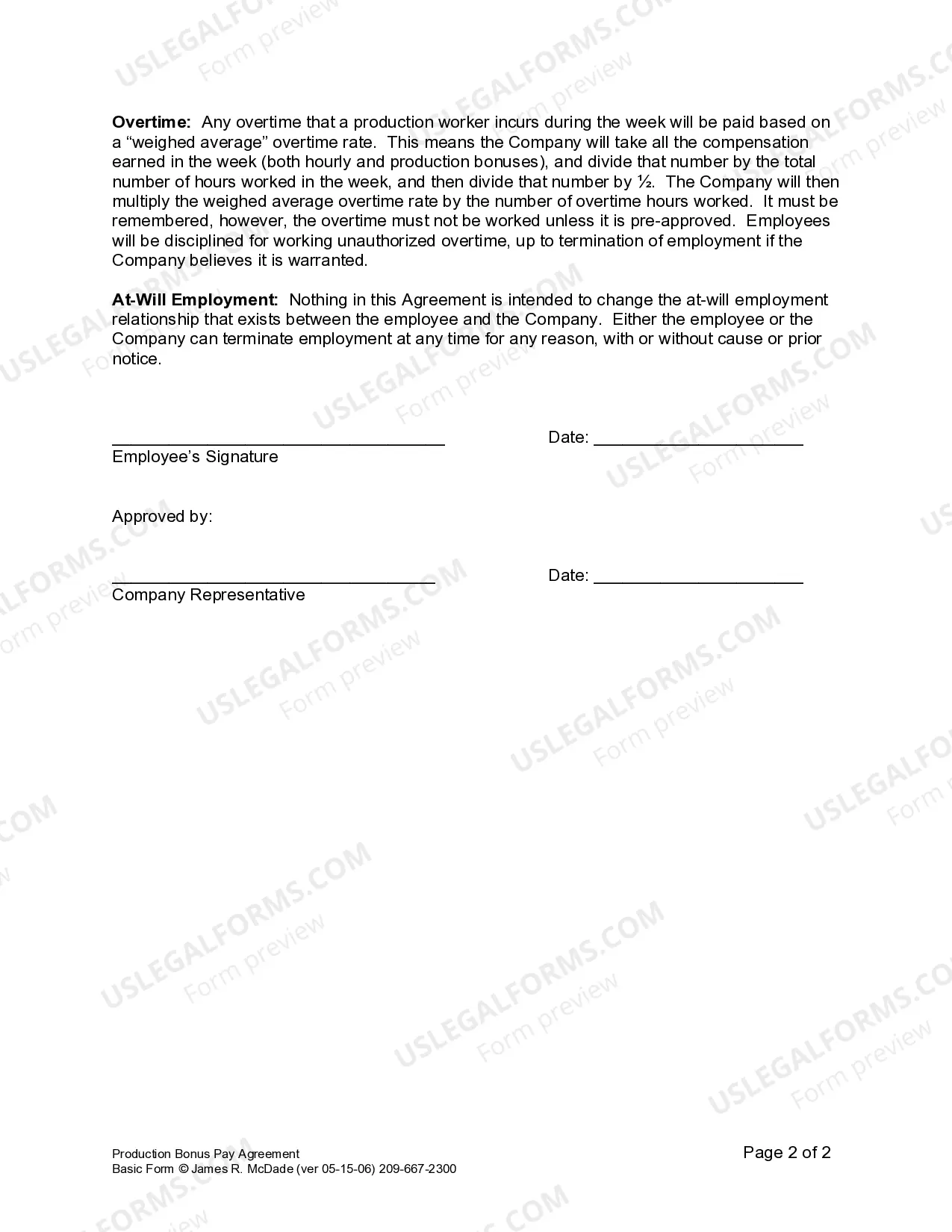
Work Employee Overtime Formula
Description
Get your form ready online
Our built-in tools help you complete, sign, share, and store your documents in one place.
Make edits, fill in missing information, and update formatting in US Legal Forms—just like you would in MS Word.
Download a copy, print it, send it by email, or mail it via USPS—whatever works best for your next step.
Sign and collect signatures with our SignNow integration. Send to multiple recipients, set reminders, and more. Go Premium to unlock E-Sign.
If this form requires notarization, complete it online through a secure video call—no need to meet a notary in person or wait for an appointment.
We protect your documents and personal data by following strict security and privacy standards.

Make edits, fill in missing information, and update formatting in US Legal Forms—just like you would in MS Word.

Download a copy, print it, send it by email, or mail it via USPS—whatever works best for your next step.

Sign and collect signatures with our SignNow integration. Send to multiple recipients, set reminders, and more. Go Premium to unlock E-Sign.

If this form requires notarization, complete it online through a secure video call—no need to meet a notary in person or wait for an appointment.

We protect your documents and personal data by following strict security and privacy standards.
Looking for another form?

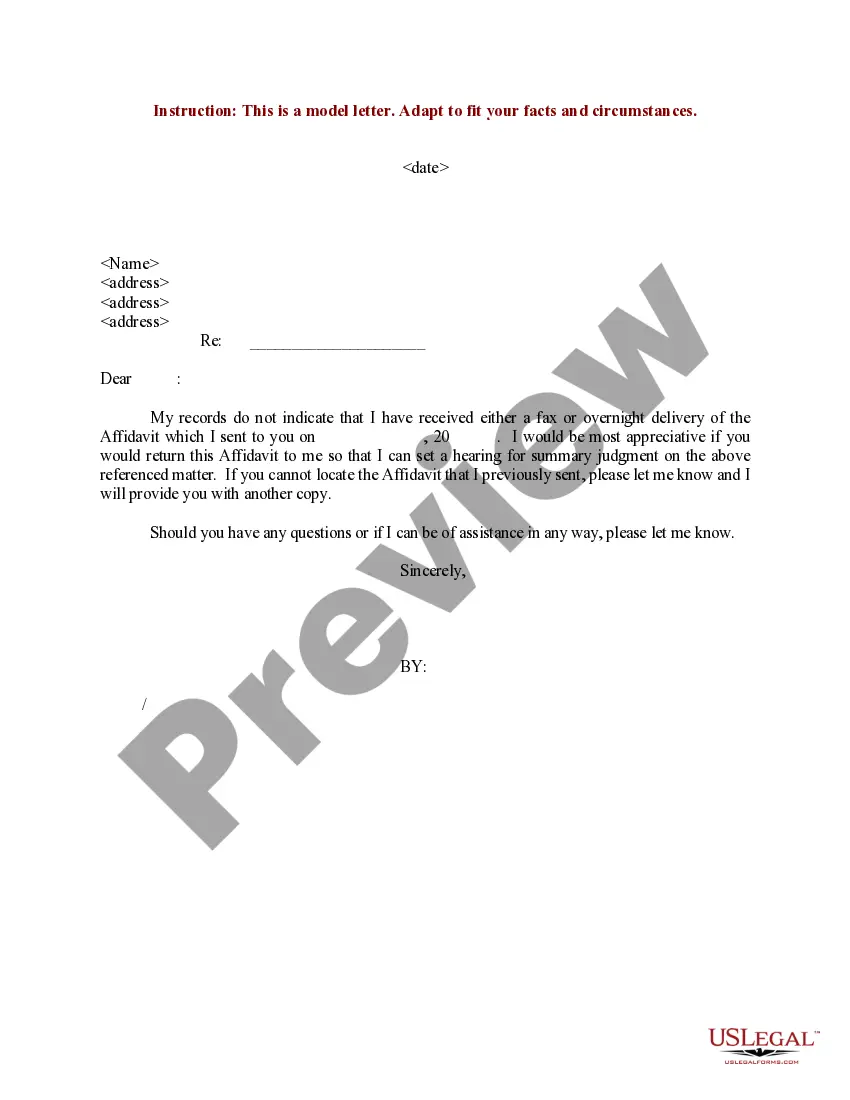






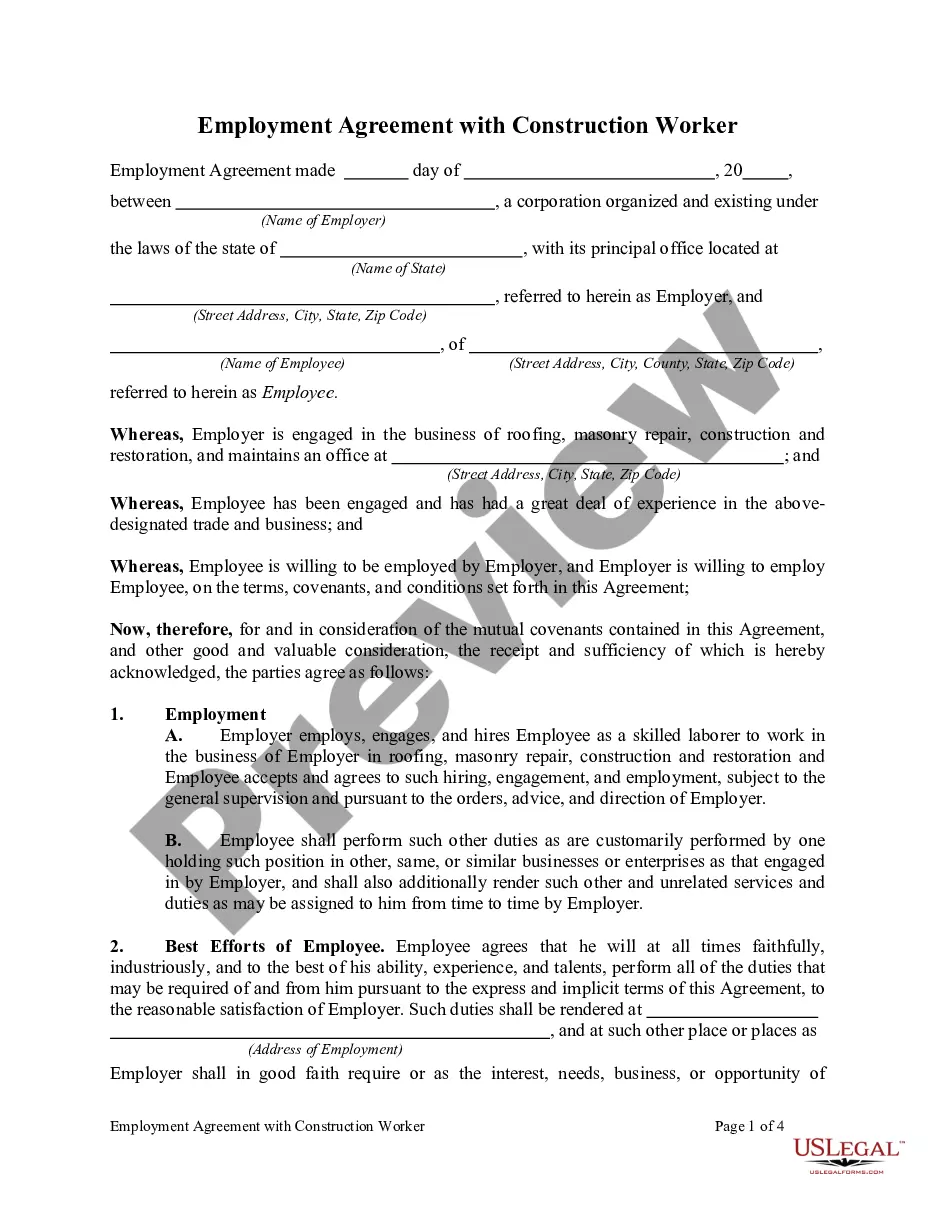
How to fill out California Production Bonus Pay Agreement For Construction?
Managing legal documents can be overwhelming, even for the most seasoned experts.
When you're looking for a Work Employee Overtime Formula and can't find the time to dedicate to locating the right and current version, the experience can be taxing.
Employ cutting-edge tools to fill out and manage your Work Employee Overtime Formula.
Access a valuable resource library of articles, guides, and materials related to your situation and requirements.
Ensure this is the correct form by previewing it and reviewing its description.
- Save time and effort searching for the documents you require, and use US Legal Forms’ advanced search and Review feature to find the Work Employee Overtime Formula and download it.
- If you have a membership, Log In to your US Legal Forms account, look for the form, and download it.
- Check the My documents section to view the documents you have previously downloaded and to manage your folders as desired.
- If this is your first time using US Legal Forms, create an account and gain unlimited access to all the platform's advantages.
- Here are the steps to follow after downloading the desired form.
- A robust web form library can be transformative for anyone aiming to handle these circumstances efficiently.
- US Legal Forms is a leading provider of online legal documents, featuring over 85,000 state-specific legal forms available to you at any moment.
- With US Legal Forms, you can access state- or county-specific legal and business documents. US Legal Forms meets all your needs, from personal to organizational paperwork, all in one place.
Form popularity
FAQ
Overtime is when you pay your employees 1.5 times their normal rate, while double time is when you pay your employees twice their normal rate. For instance, if an employee regularly earns $17, their overtime rate is $25.5 per hour, while their double time rate is $34 per hour.
The standard overtime rate is 1.5 times the employee's regular hourly wage. This number is also commonly known as ?time-and-a-half.? So if one employee makes $15 per hour, their overtime rate is $22.50 per hour ($15 x 1.5). If another employee makes $25 per hour, their overtime rate is $37.50 per hour ($25 x 1.5).
The most common calculation used for overtime is base rate x 1.5 x hours worked, this calculation works for most circumstances because many workers make one base rate that does not change.
If you're paid biweekly, your overtime is still based on the 7-day week. This means you can isolate each consecutive 7-day period in a 40-hour workweek to calculate your overtime pay. While your pay is biweekly, your hours per week are what count when determining overtime pay.
To find out what time and a half is for $17 per hour, you can multiply your hourly wage by 1.5. Time and a half is $25.50 per hour for $17 per hour.